
Beginner Guides
How to Choose a 2×72 Belt Grinder: Complete Buyer’s Guide
If you’ve spent any time in knifemaking forums or subreddits, you’ve seen the question a hundred times: “what belt grinder should I buy?” The honest…
Beginner Guides
Day one of knifemaking needs a solid grinder, steel, a way to heat treat and quench, hand tools and safety gear; attachments can wait. Here is the checklist.
2 min readWritten by Rich LinvilleFree to read
It’s easy to look at a fully outfitted professional shop and assume you need all of it to make your first knife. You don’t. Here’s what actually matters on day one, and what can reasonably wait until you know what kind of knifemaker you’re becoming.
This is the one piece of equipment worth not skimping on. See our 2×72 buyer’s guide and real cost breakdown for the full decision. The short version: a 2×72 belt grinder is the industry standard for a reason, and a grinder that flexes, vibrates, or fights you on tracking will make everything else on this list harder to learn.
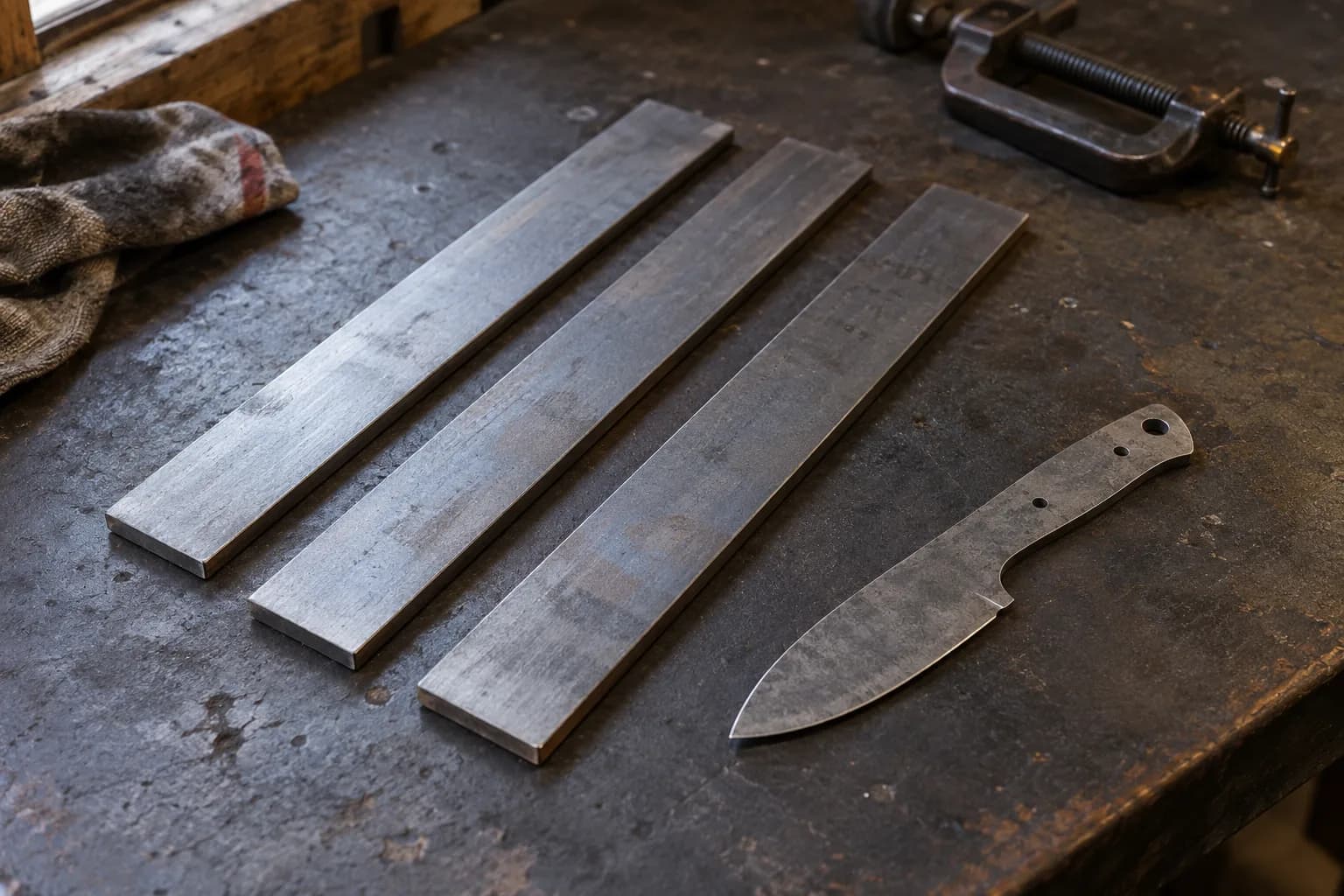
Start with a forgiving steel, not a trendy one. See How to Choose Your First Knife Steel for the full reasoning, but 1084 or AEB-L are the standard recommendations. Buy enough for two or three blades, not just one; your first attempt is a learning piece, not a finished knife.
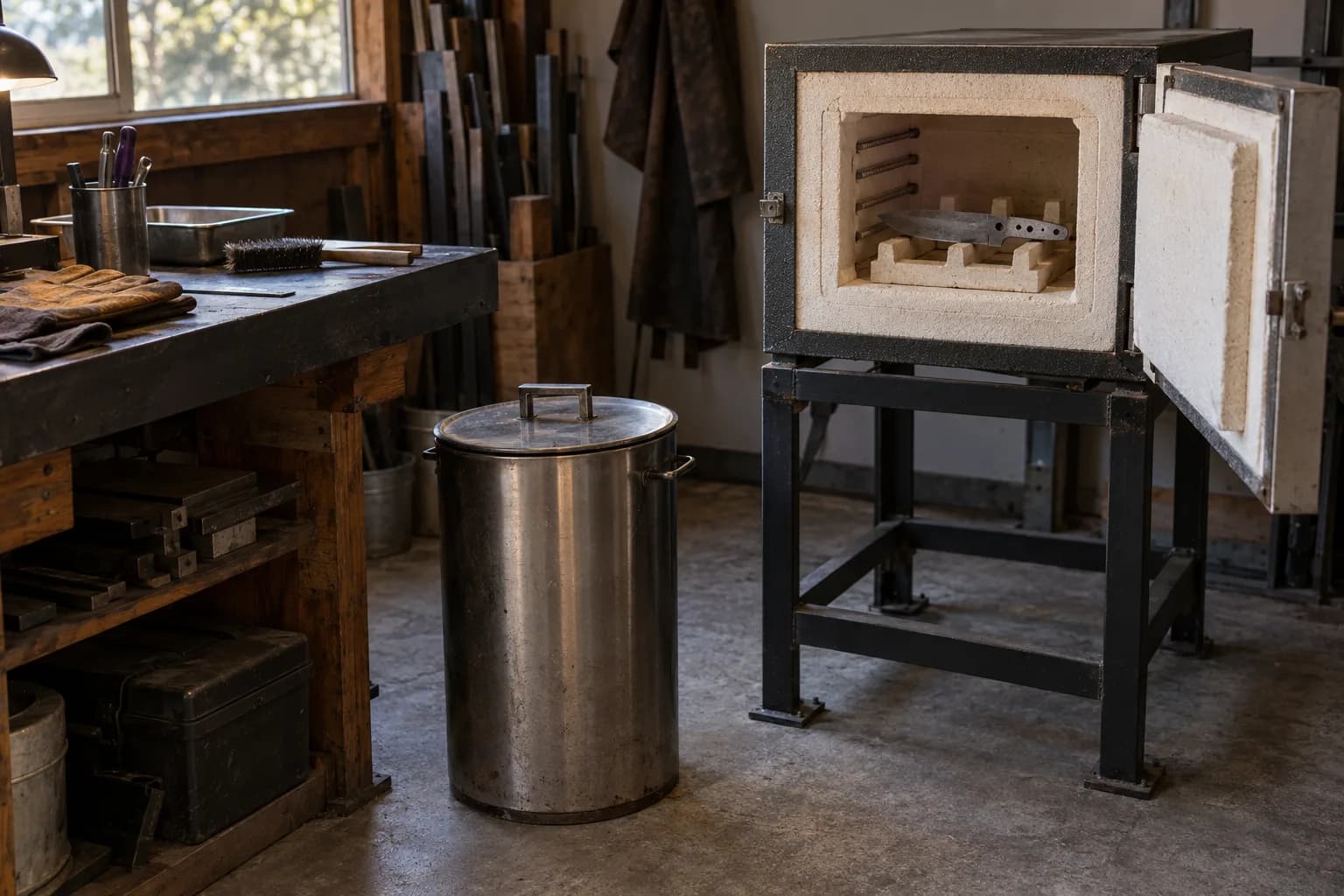
You need a way to get the steel to a controlled, even temperature, and a way to quench it. At the beginner level this can be as simple as a forge or torch setup with good color visibility and a suitable quench oil in a container deep and wide enough to fully submerge the blade in one smooth motion. A dedicated quench vise makes the actual quenching step far more repeatable and controlled than trying to hold a hot blade with tongs, and is worth adding early rather than after you’ve already dealt with a few warped blades. See our Heat Treating Guide for the full process.
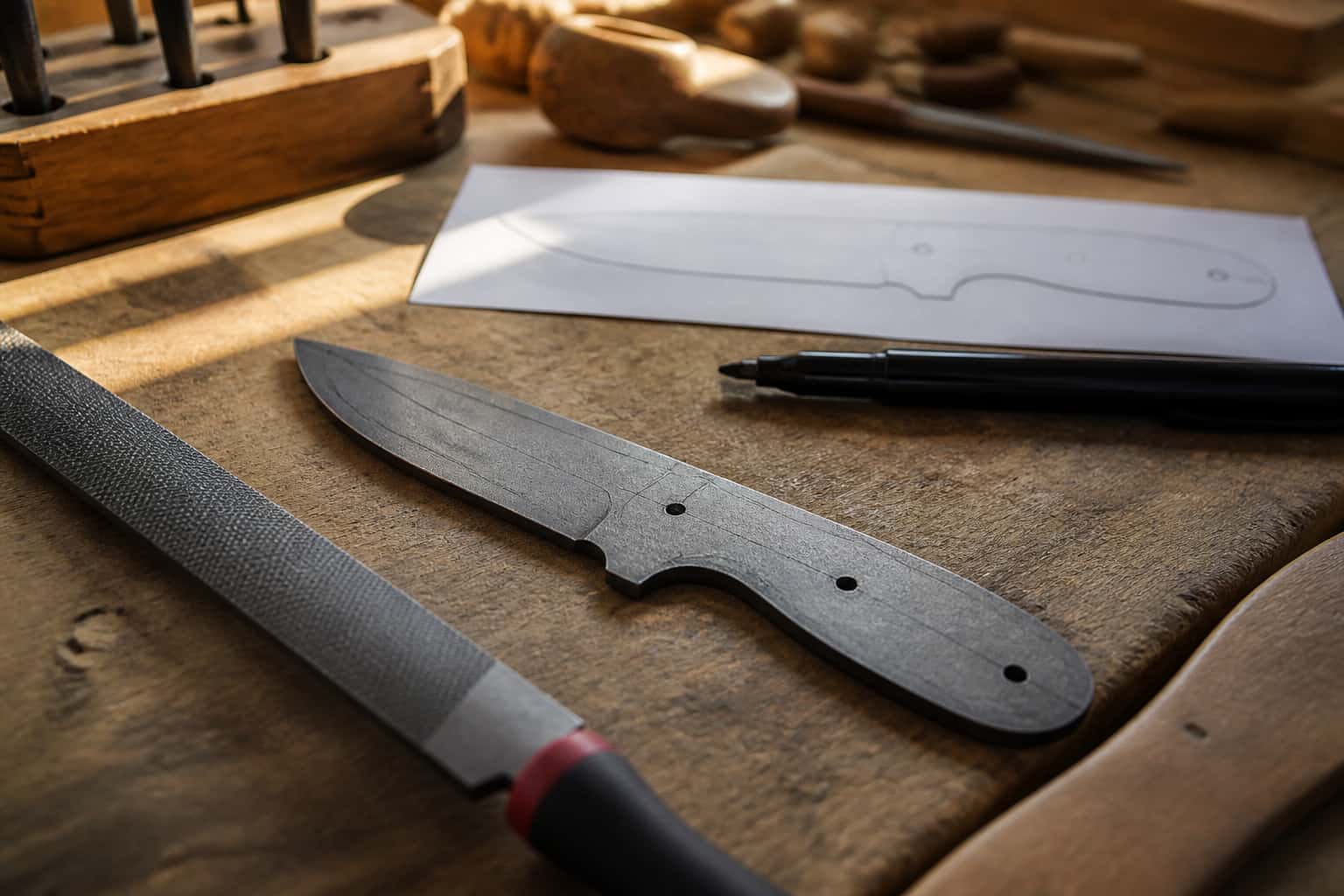
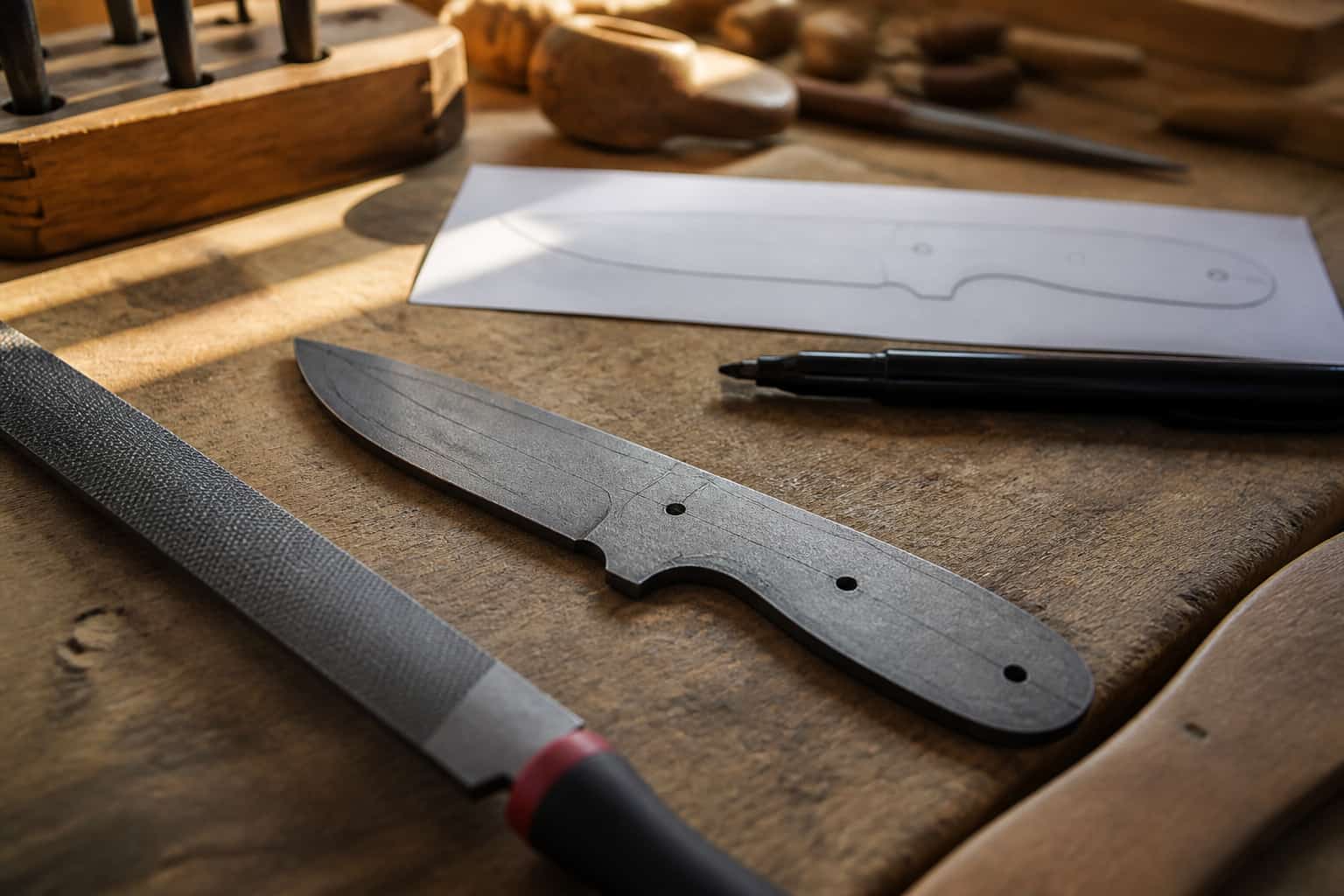
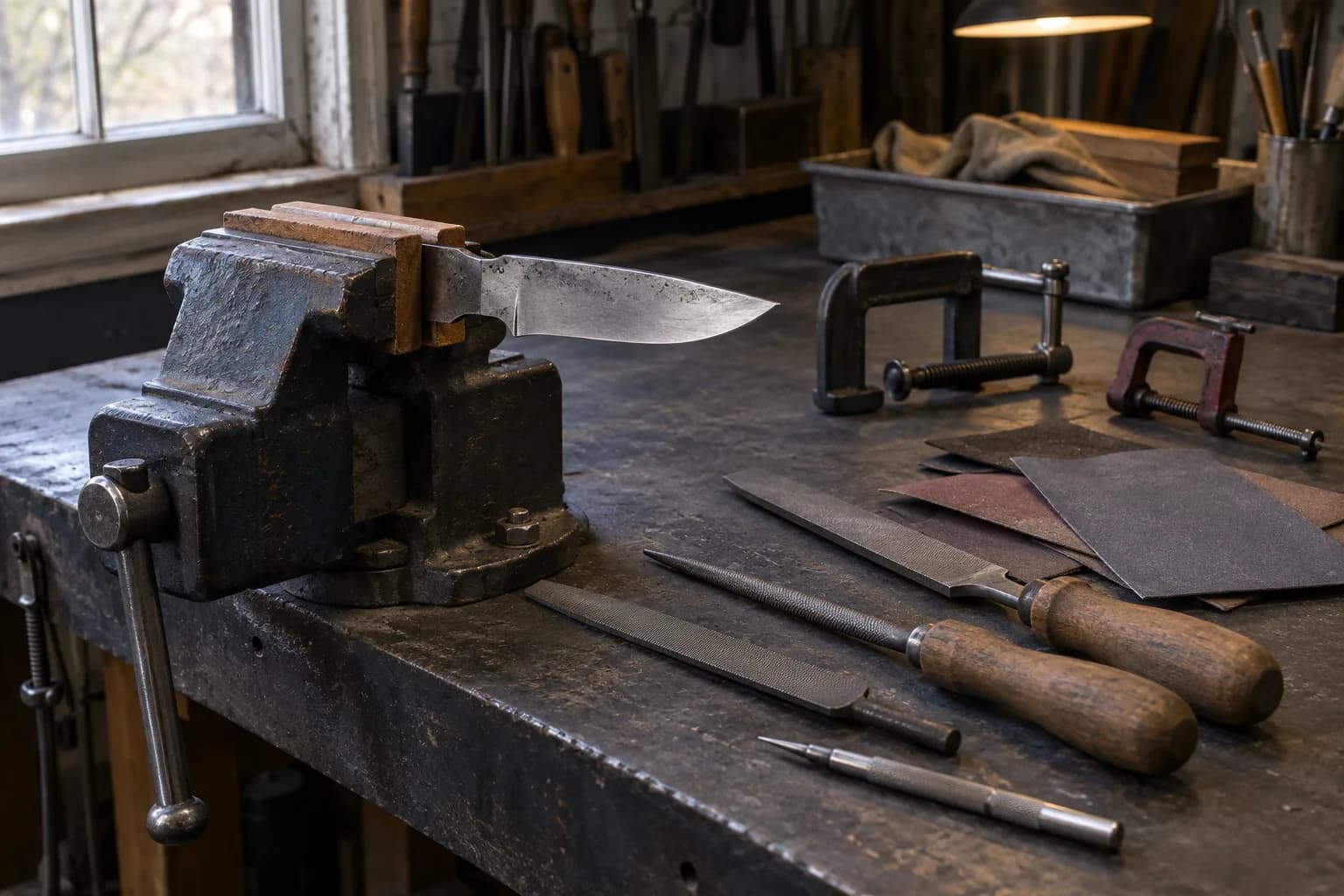
A handful of files for cleanup work, a set of clamps or a vise for holding stock, a scribe or marker for laying out your design, and sandpaper in a few grits for hand-finishing after the grinder. None of this needs to be expensive or specialized; general-purpose shop tools work fine here.
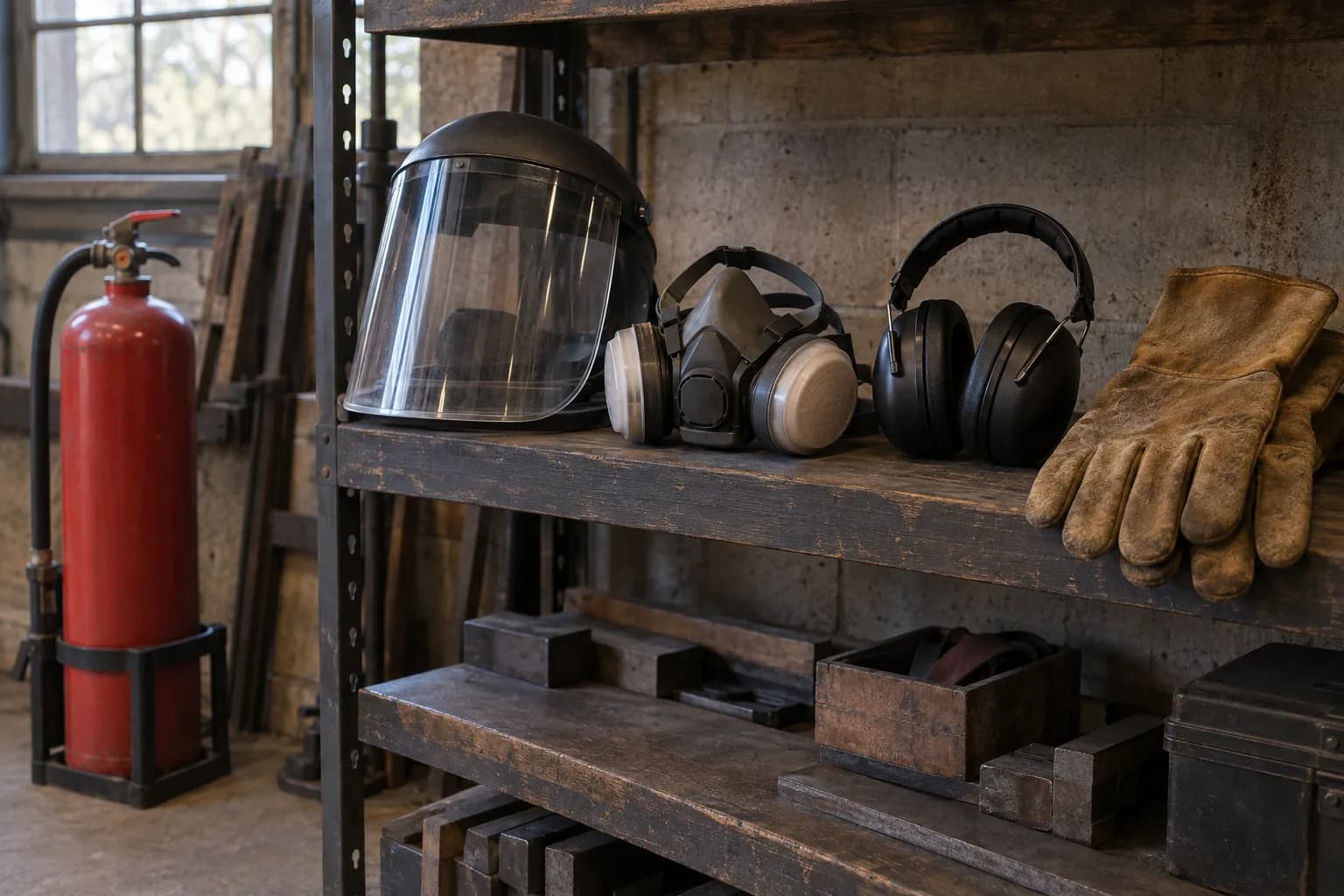
A full face shield, a respirator rated for metal fines, and hearing protection. Add welding or leather gloves for handling hot steel, and keep a means of fire suppression nearby when quenching in oil. This is the one category on this list where cutting corners is a genuinely bad idea, not just a suboptimal choice.
Specialty attachments like a small wheel attachment, contact wheel, or adjustable work rest genuinely expand what you can do, but they solve problems you won’t encounter until you’ve made a few knives and know what you’re actually missing. Buy your core setup first, make a handful of blades, and then add attachments to solve real problems you’ve hit rather than guessing at what you might need.
No. It’s genuinely useful once you’re doing detail work like finger choils or recurves, but a flat platen alone is enough for a first knife.
You can, but you’ll feel the limitation quickly. A fixed belt speed forces compromises on every operation. If budget is tight, it’s better to spend less on the chassis and still get a VFD than the reverse.
See our full cost breakdown guide for real numbers across build tiers.
Keep reading
Three more from the same bench.
If you’ve spent any time in knifemaking forums or subreddits, you’ve seen the question a hundred times: “what belt grinder should I buy?” The honest…
Serious knifemakers eventually ask the same question: what does it actually cost to build a professional-grade shop, not just a hobby setup? This breaks…
With dozens of knife steels to choose from, picking your first one can feel overwhelming. The good news: for a first knife, the right answer is almost…
Same bench
I machine the parts, hand-assemble, track and test Torus grinders in Sterling, Illinois. Most orders ship in seven to ten business days from time of order.
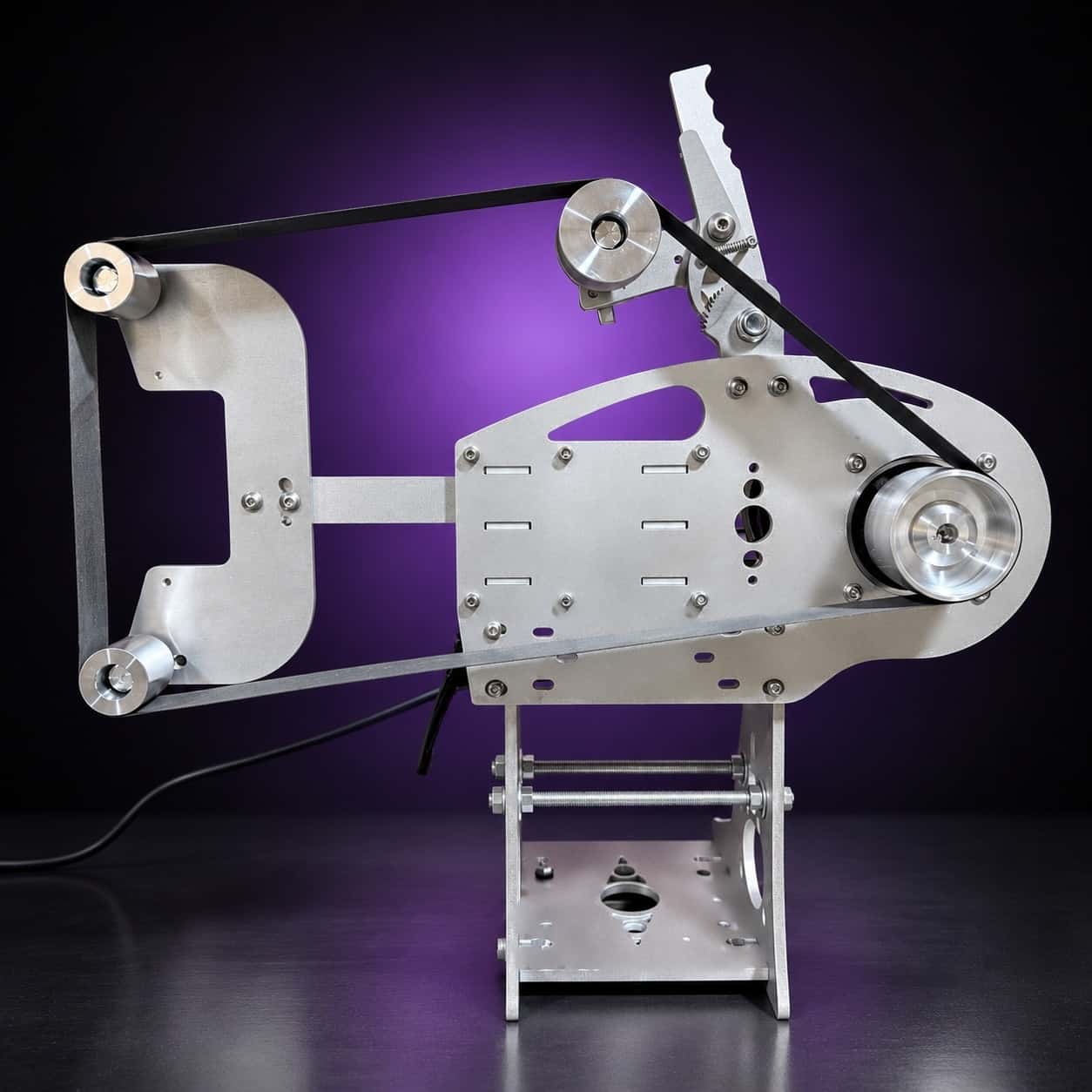
Current dual-axis platform with a fiber-laser-cut 6061 chassis and single-knob tracking.
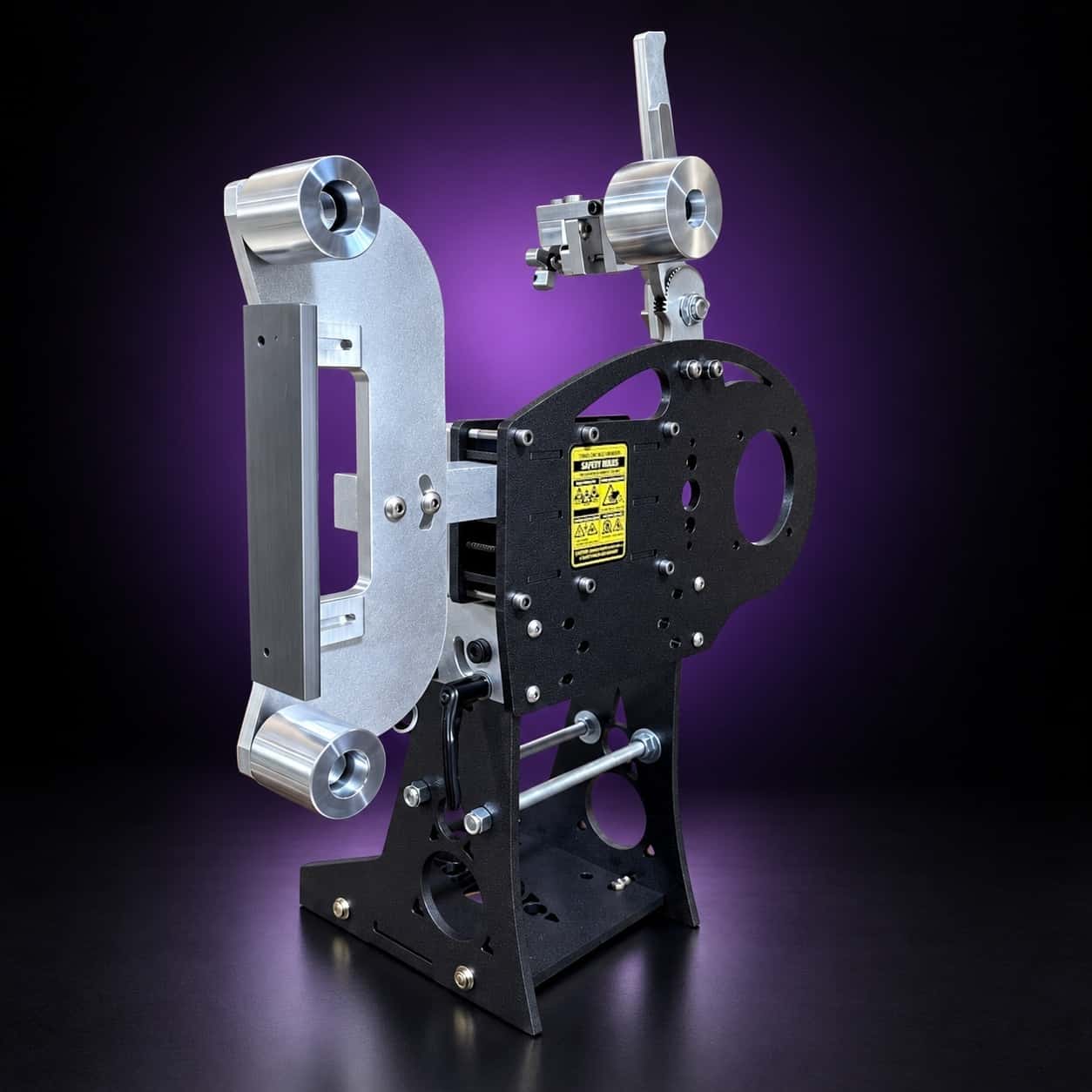
Current dual-axis platform with a steel chassis, more mass and less vibration.
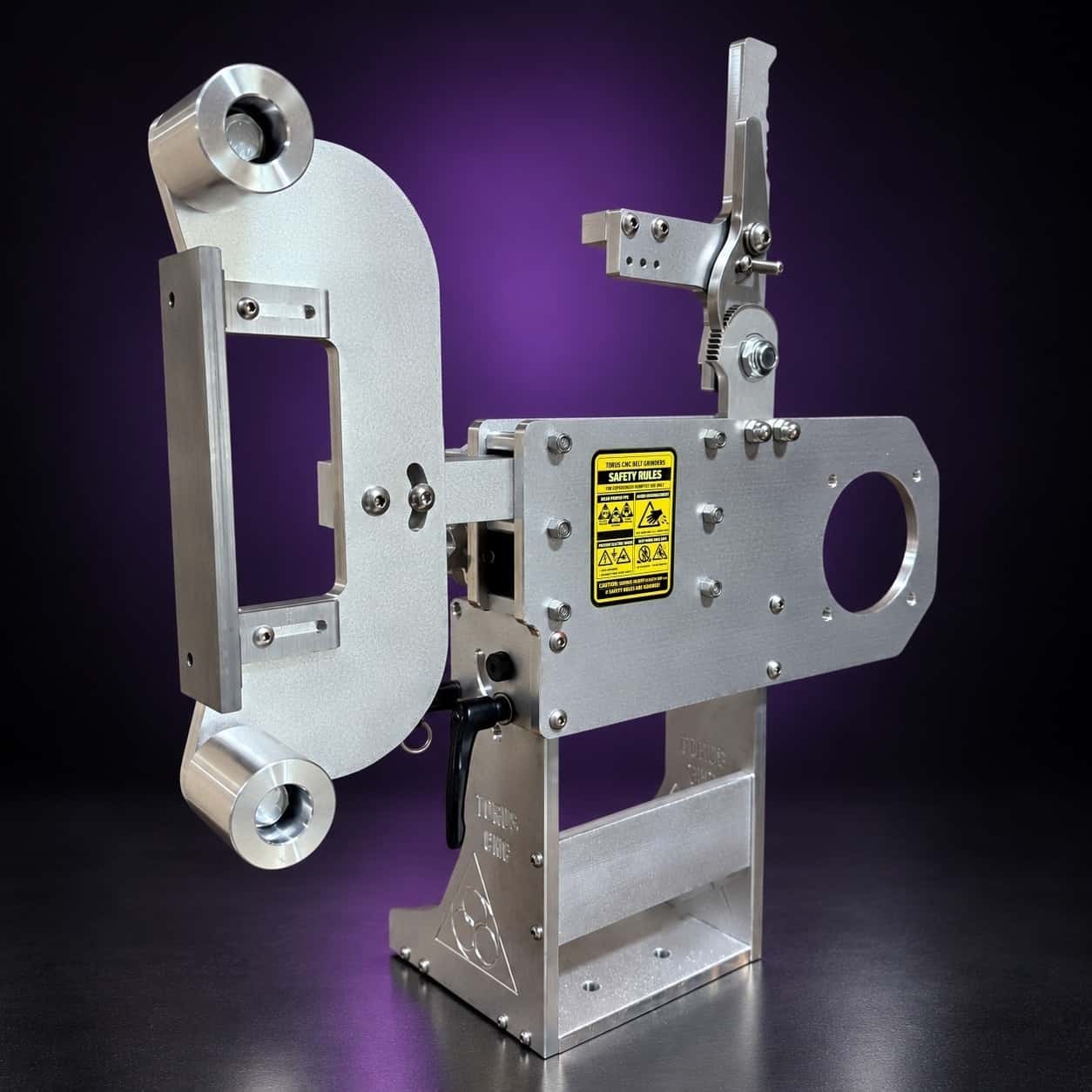
Prior-design aluminum chassis, 90-degree tilt and 1.5-inch tooling arms.
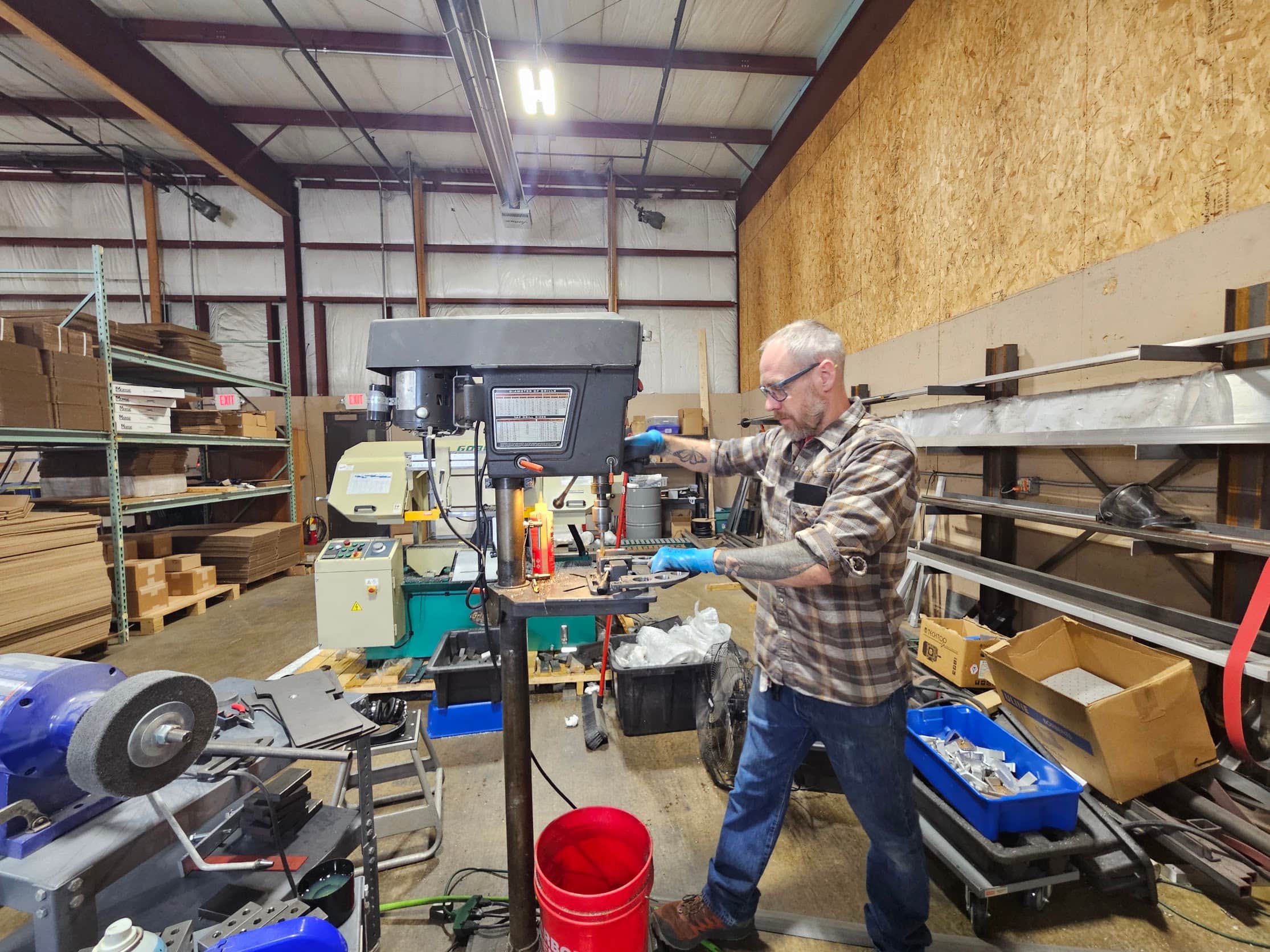
One-man shop
I answer my own email. Tell me the steel, the machine and what it is doing, and I will tell you what I would try next.