
A modern stainless steel built from AEB-L with added nitrogen and vanadium, combining high toughness, solid edge retention, and strong corrosion resistance.
- Toughness
- 5
- Edge retention
- 3
- Corrosion resistance
- 4
- Ease of grinding
- 4
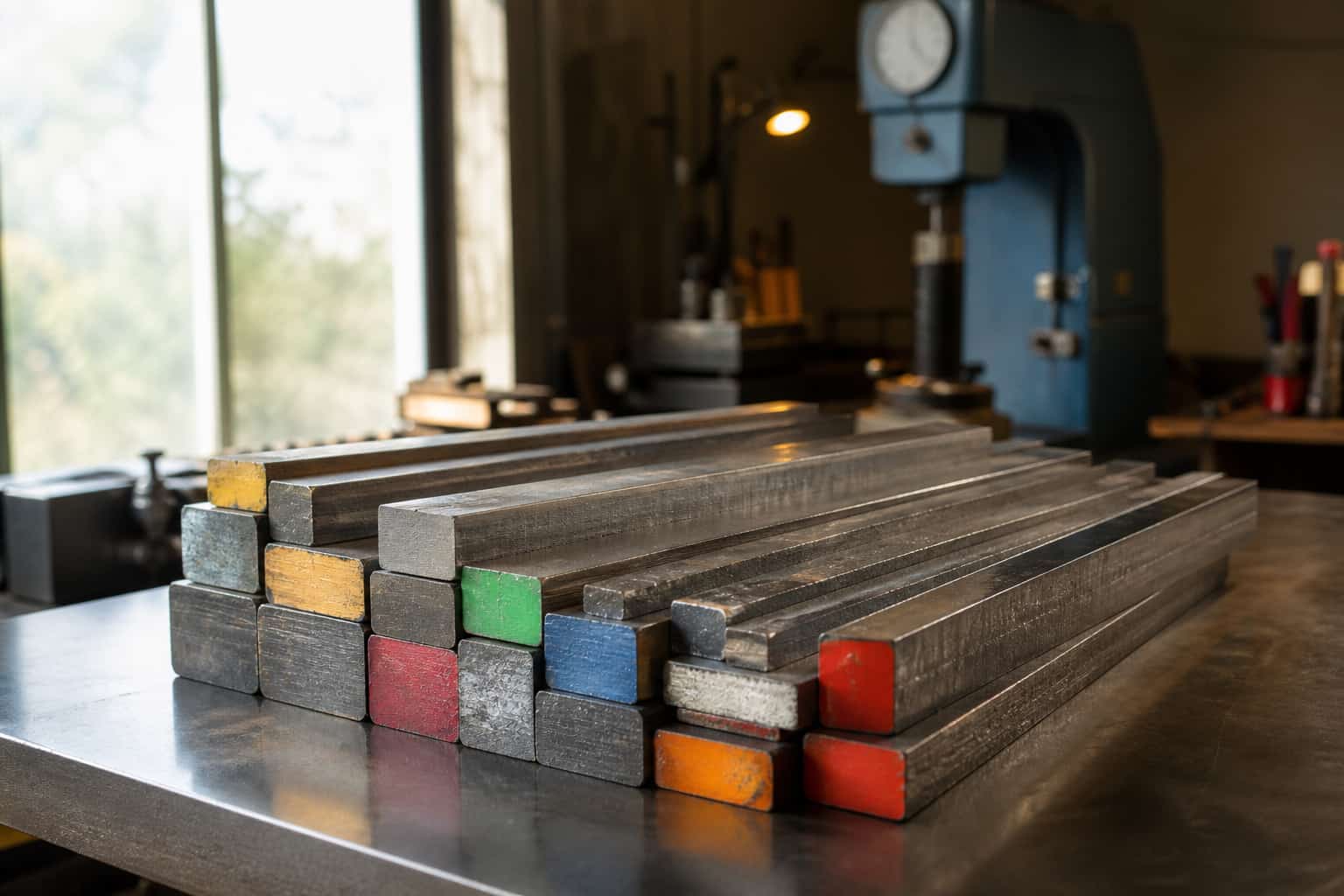
Steel matchup
Nitro-V and CPM 154, compared on the five things that decide a blade: toughness, edge retention, corrosion, heat treat and how each one grinds.
A modern stainless steel built from AEB-L with added nitrogen and vanadium, combining high toughness, solid edge retention, and strong corrosion resistance.
The powder-metallurgy remake of 154CM: a well-rounded stainless steel known for easy grinding and finishing, solid edge retention, and dependable toughness for a stainless tool steel.
Dimension by dimension
Each steel's own note, its score out of five, and what separates the two in that one column. The higher score in a row is marked in purple.
| Dimension | Nitro-V | CPM 154 | What separates them |
|---|---|---|---|
| Toughness | One of the toughest stainless steels available, inheriting AEB-L's excellent toughness while adding a bit more wear resistance from vanadium and nitrogen. | Solid for a stainless tool steel and a clear step up from conventional 154CM thanks to its finer PM carbide structure, though it trails newer higher-alloy steels like S35VN or MagnaCut in outright toughness. | Nitro-V wins clearly. Its nitrogen alloying gives it a real, noticeable toughness advantage over CPM 154's more conventional stainless composition. |
| Edge retention | Similar to AEB-L: good, not exceptional, since it relies on a fine, clean microstructure rather than heavy carbide loading for its edge. | Better edge retention and chipping resistance than 440C, and a dependable middle-of-the-pack performer among modern stainless steels. Not a high-vanadium wear-resistance leader, but very well balanced. | Essentially tied. Both offer solid, middle-of-the-pack edge retention for a mid-tier stainless steel, without the standout wear resistance of higher-vanadium premium steels. |
| Corrosion resistance | 13.6% chromium plus nitrogen gives genuinely good stainless performance, a step up from AEB-L and well suited to kitchen and outdoor use. | A true stainless steel with 14% chromium, giving it strong, dependable corrosion resistance suitable for kitchen, EDC, and outdoor use with normal care. | Tied, both are genuinely good stainless steels well-suited to everyday use without excessive maintenance. |
| Heat treat | Austenitize at 1900-1950 F for 15 minutes (use the lower end if following with a freezer rather than liquid nitrogen). Plate quench, then apply a cryogenic treatment (liquid nitrogen or a home freezer) before tempering. As-quenched hardness can reach roughly 64 Rc. Temper at 300-350 F: 300 F favors maximum hardness and edge stability, while 350 F gives the best overall toughness balance for most knife use. Avoid tempering near 450 F, which shows an unexpected drop in toughness for this steel. | Austenitize in the 1900-2000 F range, with 1950 F commonly cited as a toughness sweet spot; hold 30-60 minutes, then oil or plate quench. Temper twice, 2 hours minimum each cycle, aiming for 59-61 HRC for knife use (overall aim-hardness range is 55-62 HRC depending on application). Avoid tempering in the 800-1100 F range, which causes sensitization and reduces both corrosion resistance and toughness. A dry-ice freeze treatment after quench or between tempers helps fully transform retained austenite. | Both are relatively forgiving and well-documented, achievable with a competent home heat-treat setup or a standard professional service cycle without unusual difficulty. |
| Grinding | Processes well with standard knifemaking tools and is considered forgiving to grind and heat treat for a stainless steel. | One of CPM 154's signature strengths: it grinds and finishes noticeably easier than most modern stainless PM steels, which is part of why it remains popular with custom makers who hand-finish blades. | Comparable, both grind and sharpen easily with standard abrasives, among the more beginner-friendly stainless steels to work with. |
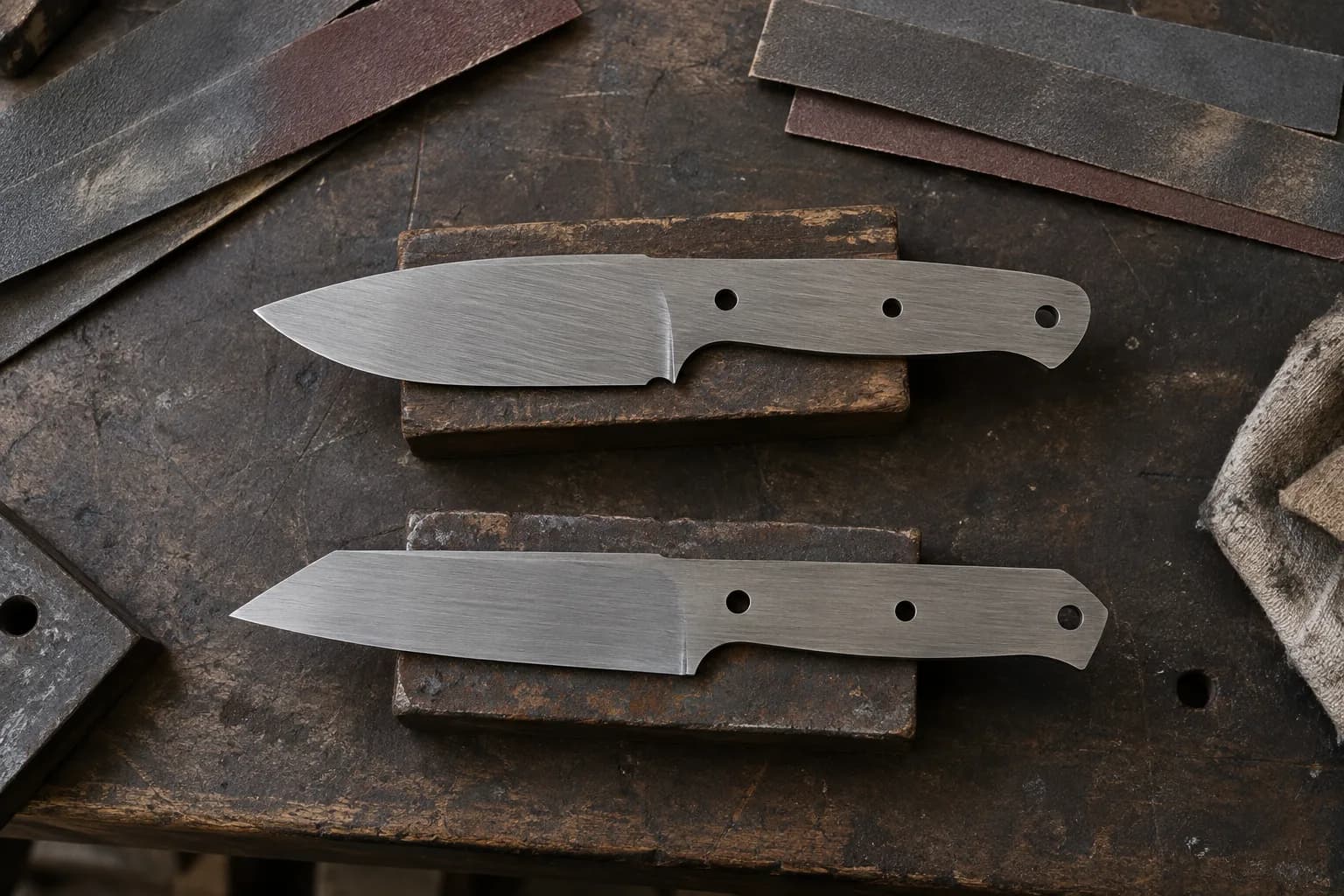
Best use
Nitro-V
Nitro-V is the better pick when toughness and chip resistance matter most within this accessible tier, general EDC and hunting use.
Open the Nitro-V referenceCPM 154
CPM 154 remains a well-proven, widely available choice with a long track record across many production and custom knives.
Open the CPM 154 reference
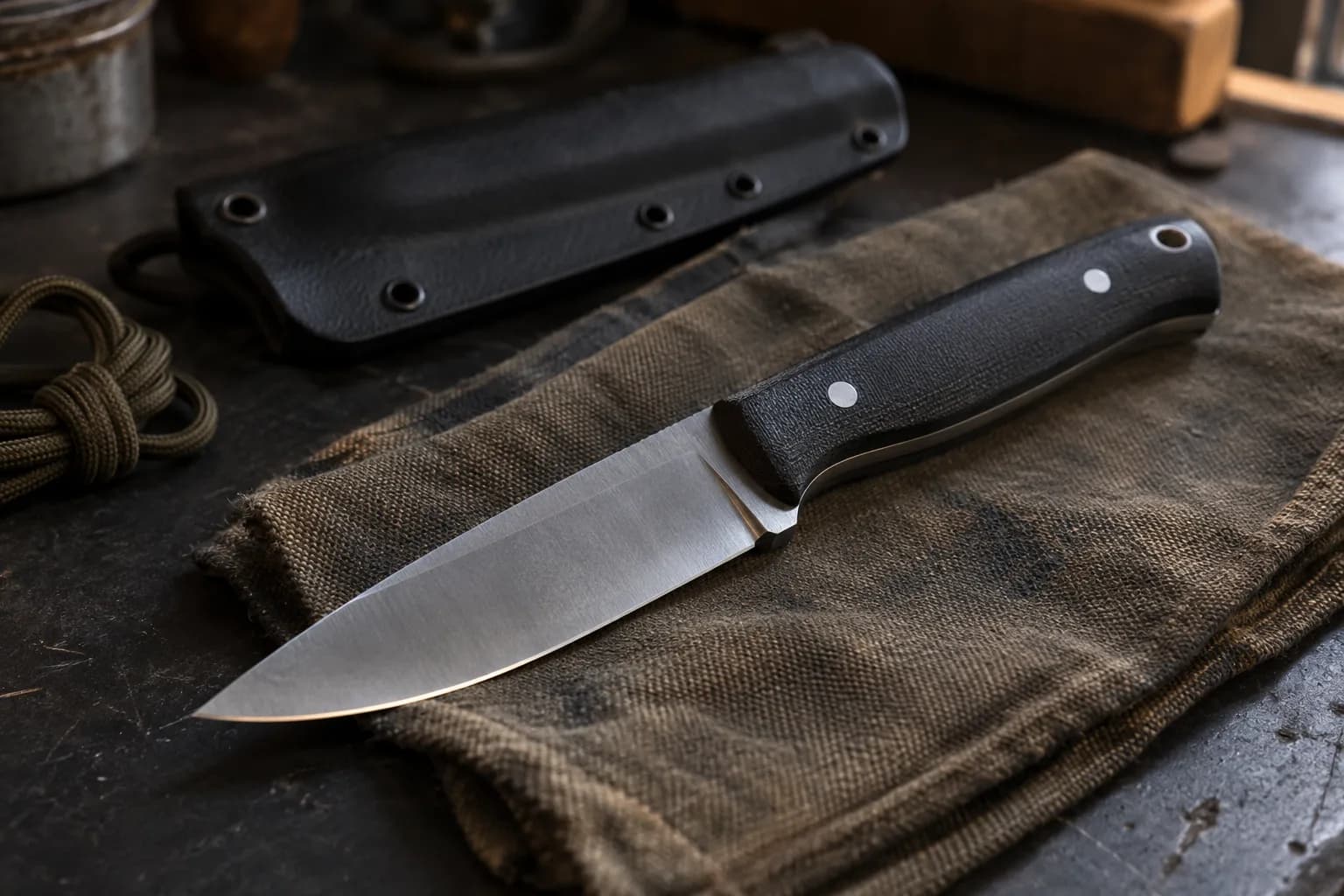
The long answer
Both sit in the accessible mid-tier of stainless steels, well-regarded, not overly demanding to work with, and priced below the premium powder-metallurgy tier. The real difference between them comes down to toughness.
Keep comparing
Keep reading
CPM 154 grinds and finishes easily, inheriting the same forgiving character as its conventionally-melted twin, 154CM, while the powder-metallurgy process…
Nitro-V inherits most of AEB-L’s easy-grinding character, since it shares the same base chemistry with only a nitrogen and vanadium addition layered on…
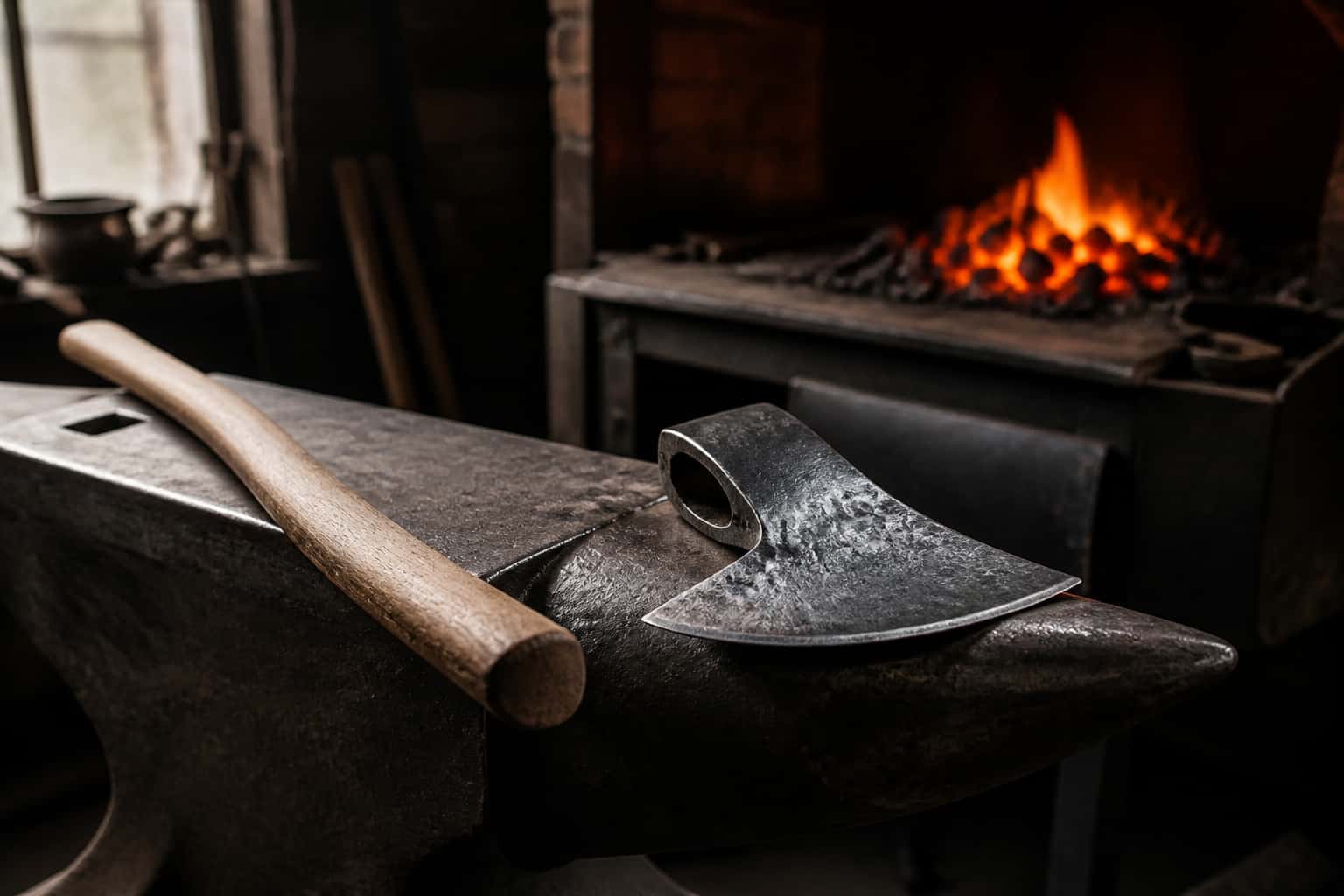
Every knife steel is iron plus a specific recipe of other elements, and each of those elements pulls the steel’s behavior in a particular direction…
Same bench
Whichever steel wins, the grind is only as flat as the platen behind it. I machine the parts, hand-assemble, track and test Torus grinders in Sterling, Illinois.
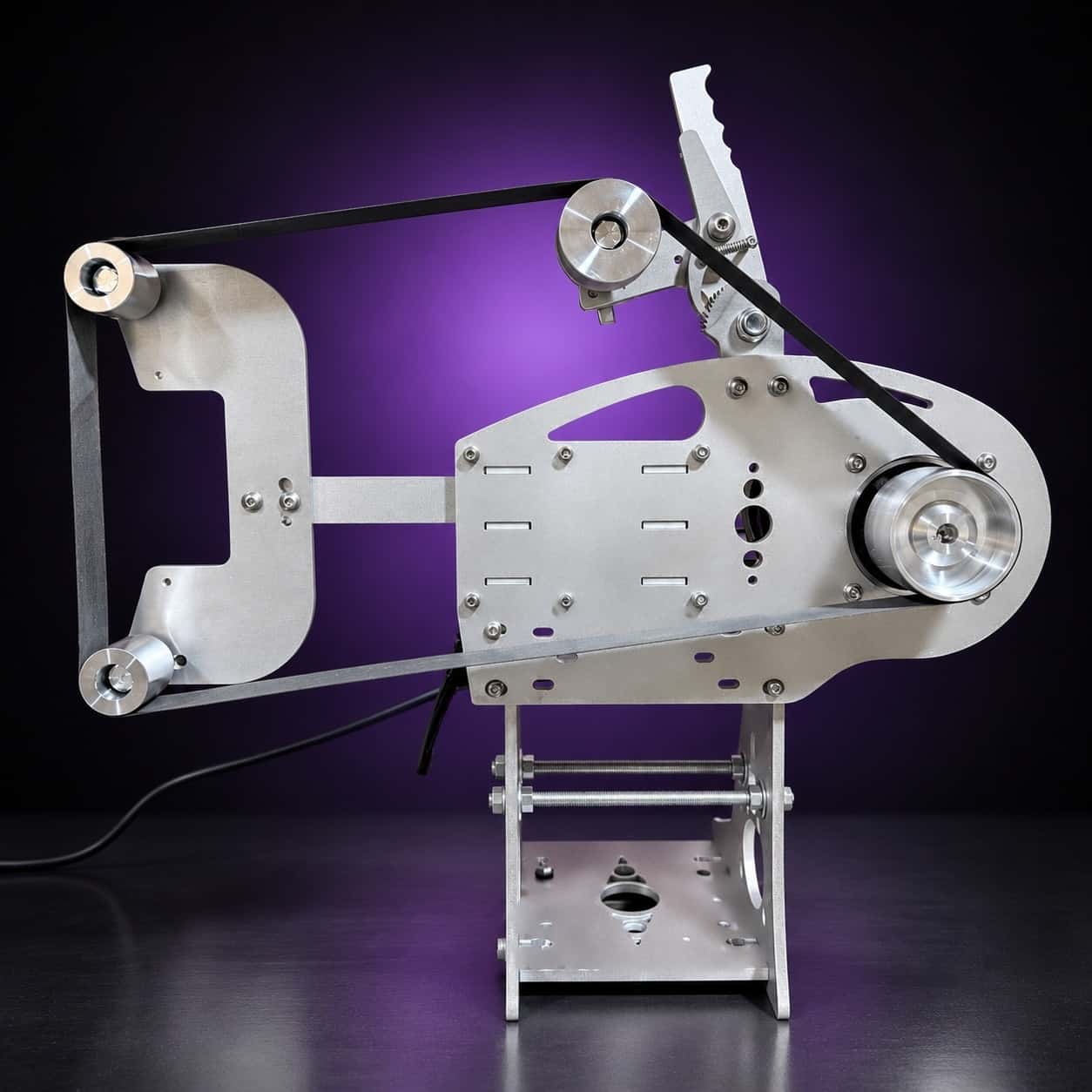
Current dual-axis platform with a fiber-laser-cut 6061 chassis and single-knob tracking.
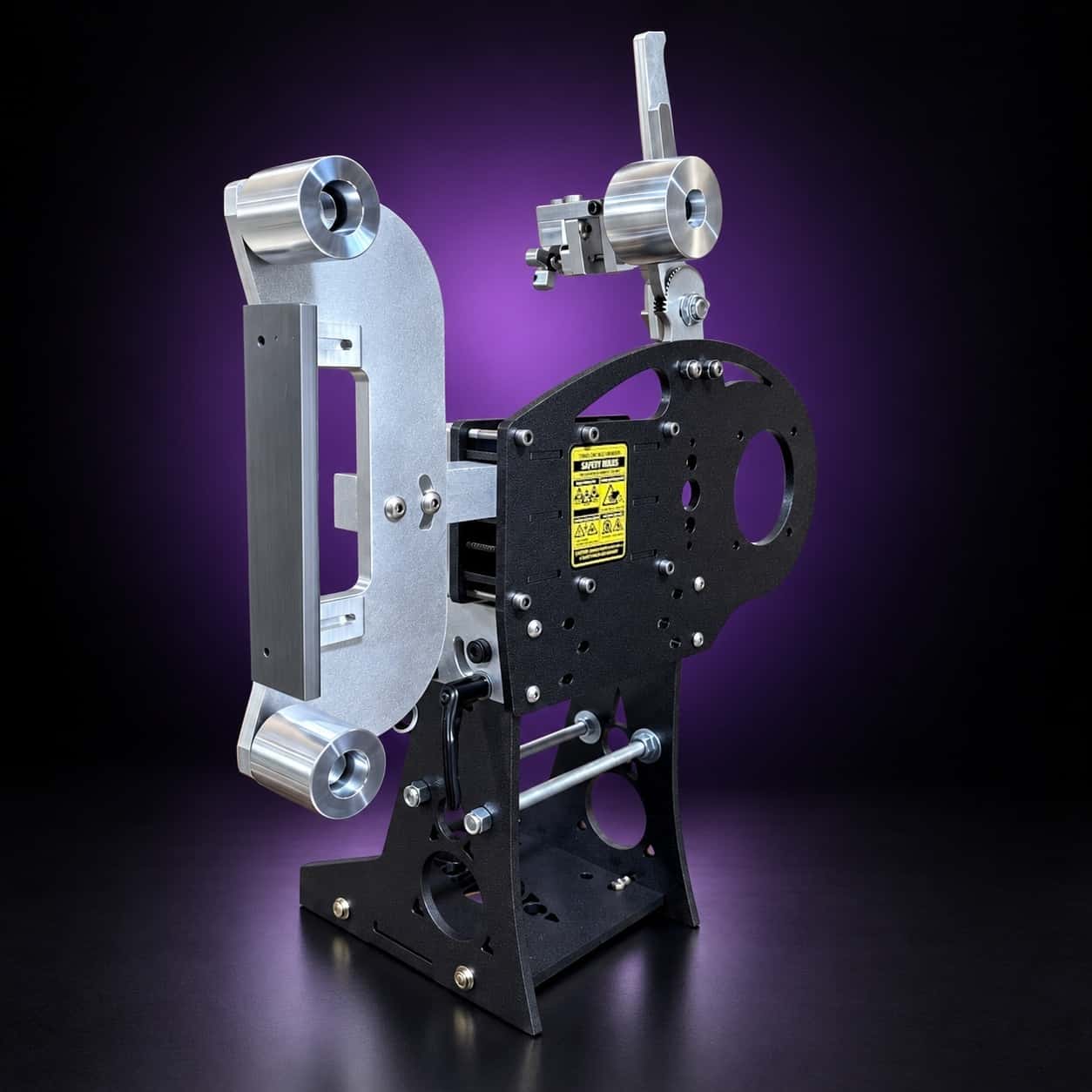
Current dual-axis platform with a steel chassis, more mass and less vibration.
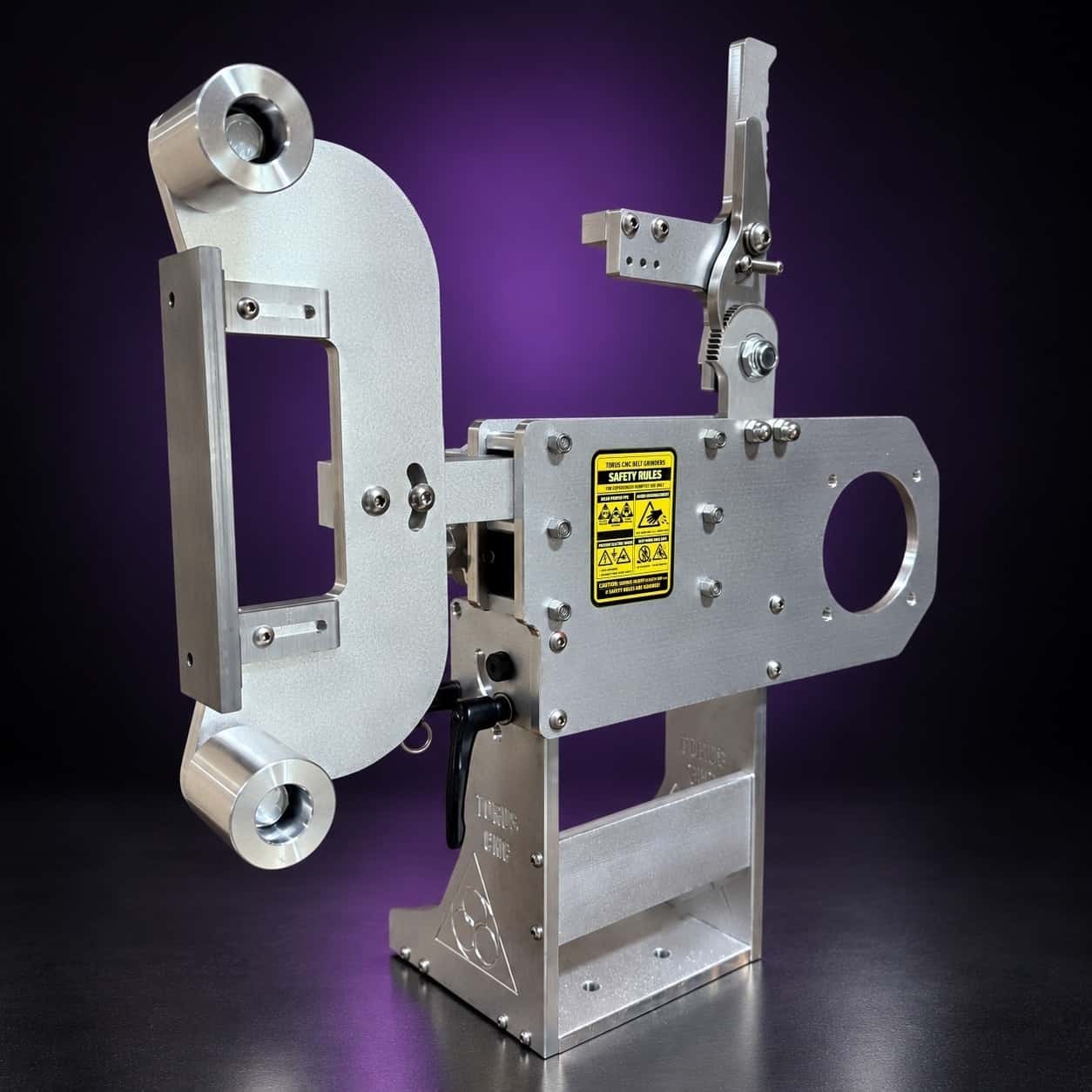
Prior-design aluminum chassis, 90-degree tilt and 1.5-inch tooling arms.
One-man shop
Tell me what the blade is for and how you heat treat, and I will tell you which of these I would put on the bench — including when the answer is neither.