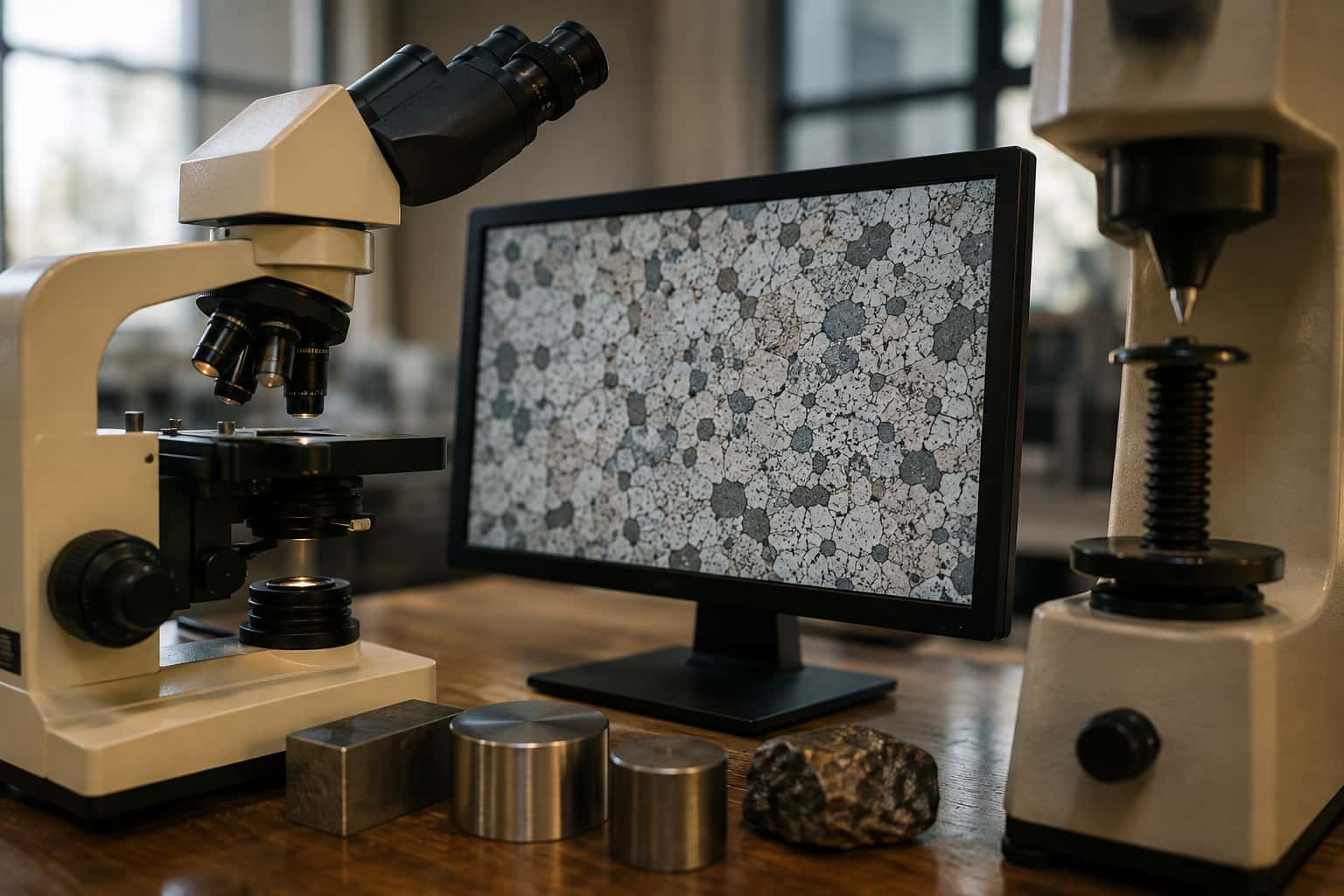
| Toughness | 3/5Solid for a stainless tool steel and a clear step up from conventional 154CM thanks to its finer PM carbide structure, though it trails newer higher-alloy steels like S35VN or MagnaCut in outright toughness. | 3/5Solid, dependable toughness for a stainless steel of this class, though its conventional (non-powder) manufacturing gives it a coarser grain than CPM 154, its powder-metallurgy successor. | Rated the same, though CPM 154's finer, more uniform grain structure from the powder-metallurgy process gives it marginally more consistent toughness from batch to batch compared to 154CM's conventionally-melted structure. |
|---|
| Edge retention | 3/5Better edge retention and chipping resistance than 440C, and a dependable middle-of-the-pack performer among modern stainless steels. Not a high-vanadium wear-resistance leader, but very well balanced. | 3/5Good, middle-of-the-road edge retention thanks to a healthy carbide volume from its molybdenum and chromium content, similar in principle to CPM 154 but slightly less consistent. | Rated the same. Both share the identical alloy recipe, so wear resistance is essentially equivalent between them. |
|---|
| Corrosion resistance | 4/5A true stainless steel with 14% chromium, giving it strong, dependable corrosion resistance suitable for kitchen, EDC, and outdoor use with normal care. | 4/514% chromium gives it good, dependable stainless performance suitable for everyday-carry and outdoor use. | Tied. Both offer the same good, dependable stainless performance suitable for everyday-carry and outdoor use. |
|---|
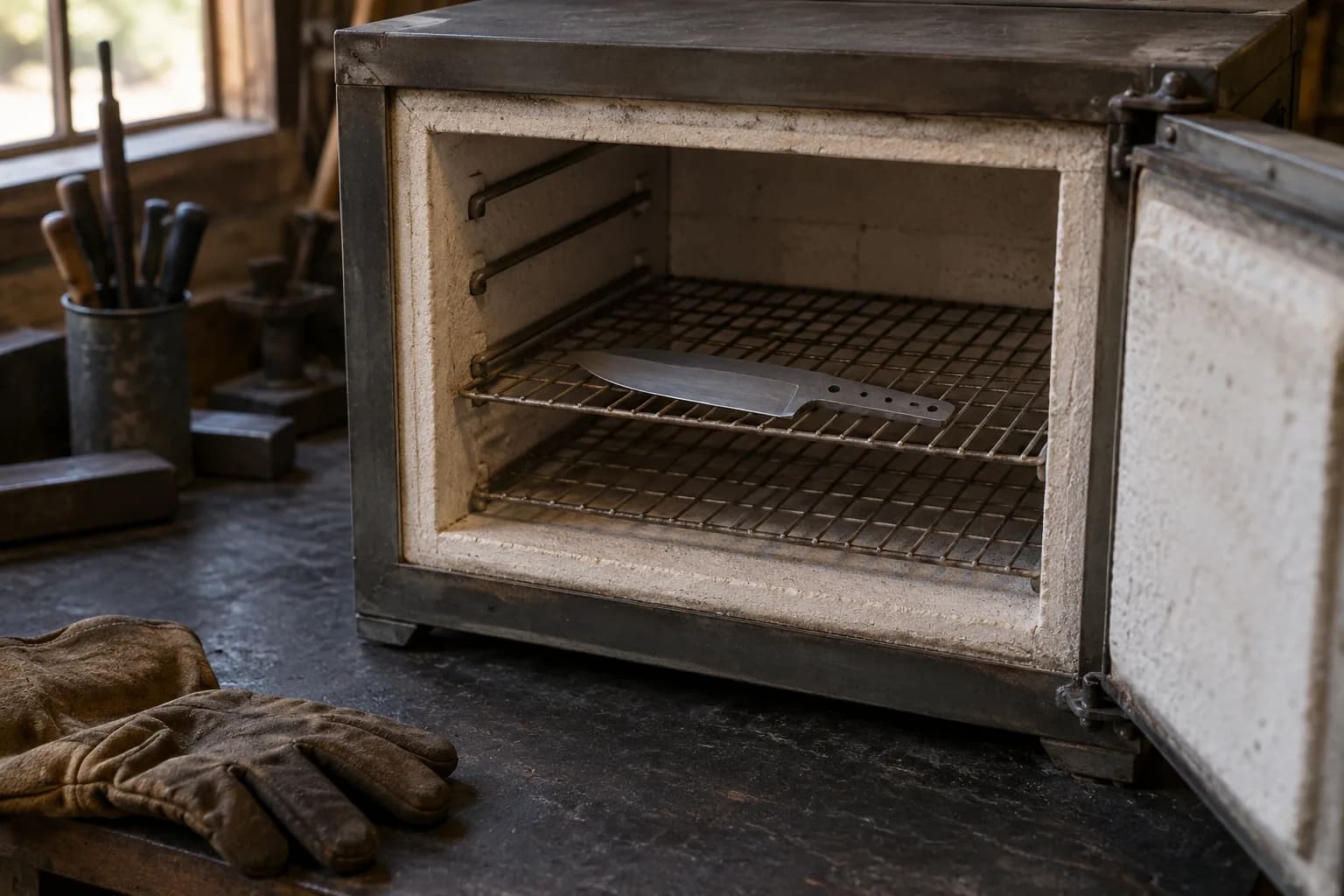
| Heat treat | Austenitize in the 1900-2000 F range, with 1950 F commonly cited as a toughness sweet spot; hold 30-60 minutes, then oil or plate quench. Temper twice, 2 hours minimum each cycle, aiming for 59-61 HRC for knife use (overall aim-hardness range is 55-62 HRC depending on application). Avoid tempering in the 800-1100 F range, which causes sensitization and reduces both corrosion resistance and toughness. A dry-ice freeze treatment after quench or between tempers helps fully transform retained austenite. | Preheat to 1400 F, then austenitize at 1900-2000 F for 30-60 minutes. Quench in oil or with a positive pressure quench to below 125 F. A cryogenic treatment (dry ice, around -100 F) right after the quench, or between tempers, is recommended to fully transform retained austenite. Double temper for at least 2 hours per cycle, choosing a temperature between 400 and 1200 F, but avoid the 800-1100 F range, which causes sensitization and reduces both corrosion resistance and toughness. Target hardness is 55-62 Rc. | Both use essentially the same heat-treat window, since they share the same chemistry. Neither is meaningfully harder to heat treat than the other. |
|---|
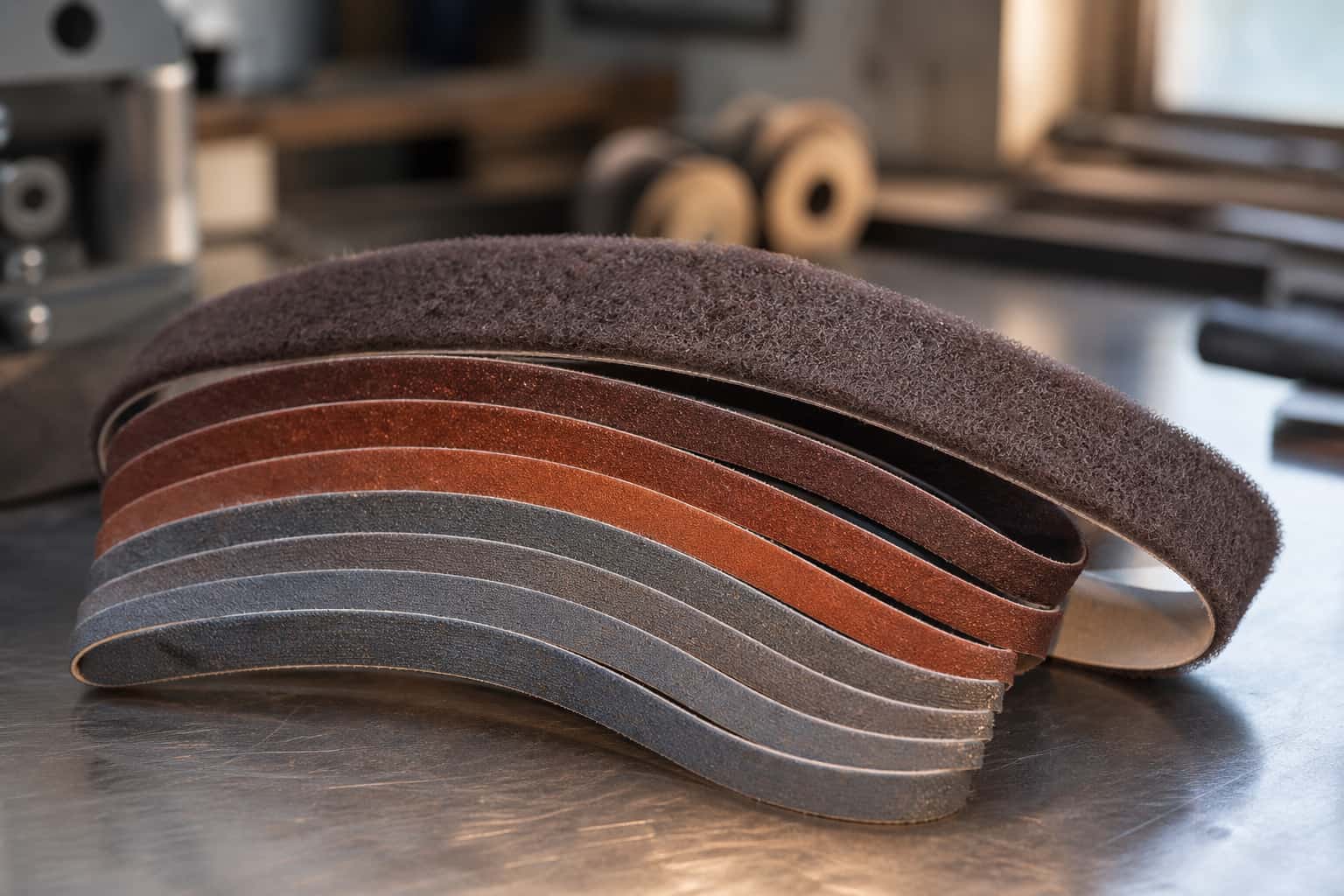
| Grinding | 4/5One of CPM 154's signature strengths: it grinds and finishes noticeably easier than most modern stainless PM steels, which is part of why it remains popular with custom makers who hand-finish blades. | 4/5One of its biggest selling points historically: easy to grind and finish compared to many other premium stainless steels, which is part of why it became so popular with production knife makers. | Tied. Both are considered easy, forgiving steels to grind and finish, one of the main reasons this chemistry became so popular across both manufacturing processes. |
|---|