

Fantasy & Fiction Blades
Fantasy Blades in Real Steel: The Maker’s Field Guide
Every fictional blade is a real design brief with the physics turned off. Turn the physics back on and something interesting happens: the analysis becomes…

Fantasy & Fiction Blades
The Gold's razor analyzed: rigid-to-whip physics, the real urumi whip-sword tradition, shape-change materials today, and the buildable homage.
2 min readWritten by Rich LinvilleFree to read
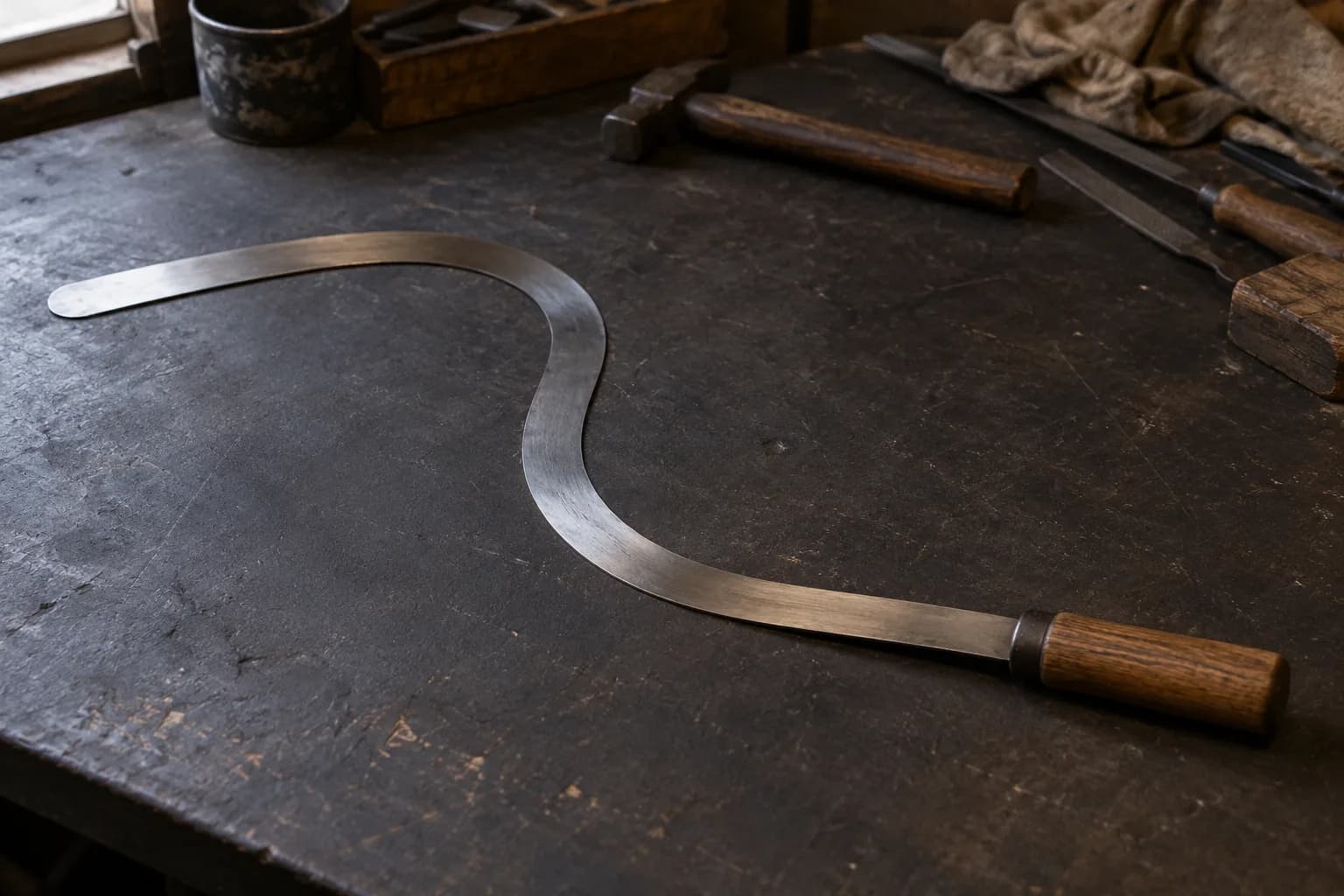
Pierce Brown’s razor is the best sci-fi blade brief in years: a meter of blade, harder than diamond in rigid form, that goes limp into two-plus meters of lashing whip at a toggle — the fictional polyenne fiber changing state on command. Fans map its capabilities in long forum threads; a maker reads the same weapon and sees three real engineering problems stacked in a trench coat. All three are worth taking apart.
The razor’s ancestor exists: the urumi, the South Indian whip-sword — feet of thin flexible steel blade (sometimes several bands) swung in continuous arcs from Kalaripayattu tradition. It is real, it is spectacular, and it answers the razor’s practicality question honestly: a flexible edged band is as dangerous to an untrained wielder as to the target, demands years of dedicated training, and trades every virtue of a rigid blade (point control, parry structure, push-cut power) for reach and unpredictability. The books, to their credit, treat razor mastery exactly that way — a Gold’s lifetime skill, not a pickup weapon.
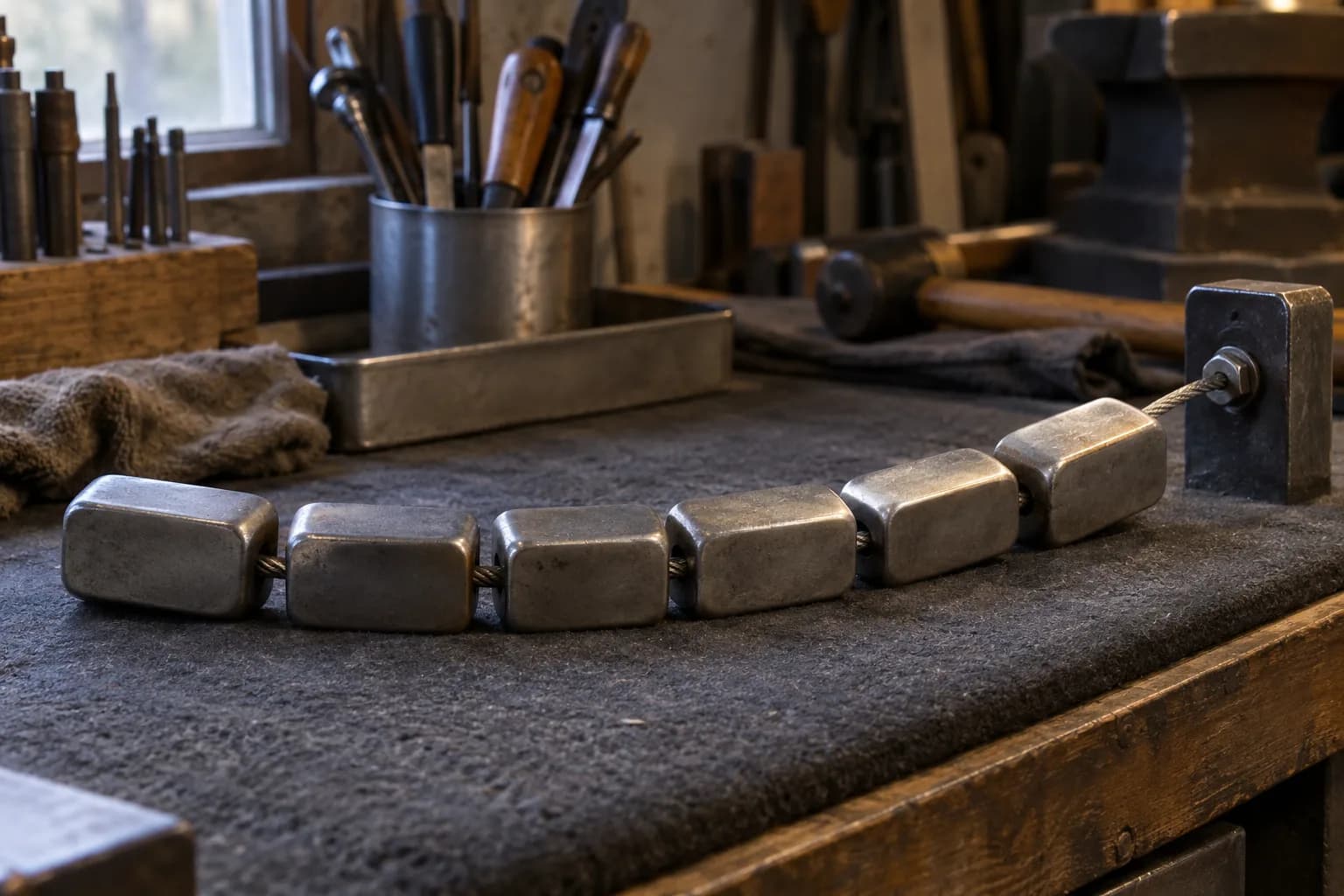
The state change is the part real materials cannot yet deliver at weapon scale. The nearest real neighbors: shape-memory alloys like nitinol (which change form with temperature — real, but slow, weak in this role, and nothing like edge-holding), electro- and magnetorheological materials (fluids and composites that stiffen in a field — used in dampers, nowhere near blade stiffness), and tensioned-segment architectures (rigid links locked by cable tension — how a real toggle-stiffened whip would most plausibly work, and how some fan builds approach it). A blade that is simultaneously diamond-hard AND fully limp on command violates the structure-property rules that govern everything on this site — which is exactly why it reads as advanced fictional technology and not costume magic. Respect.
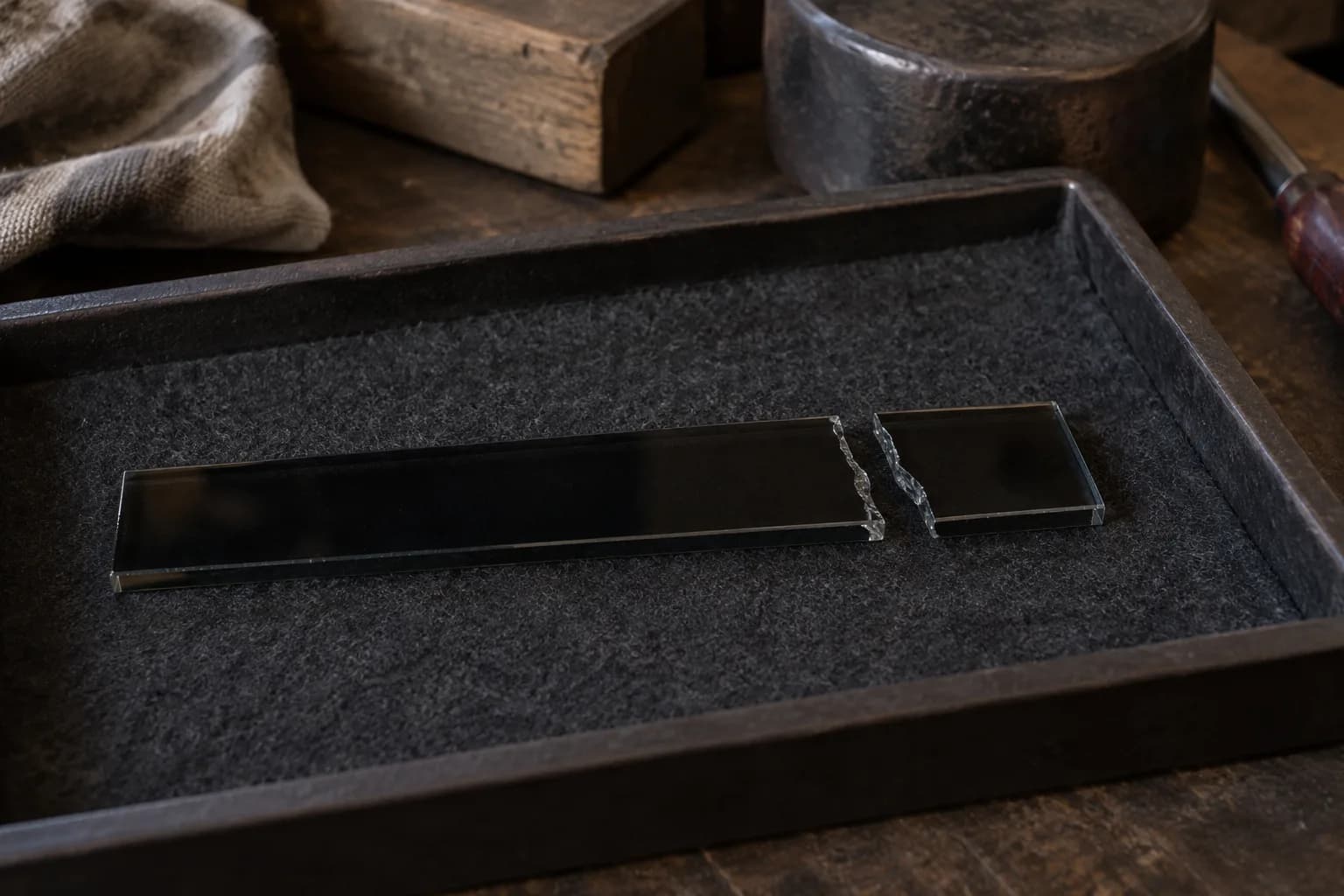
Polyenne’s diamond-plus hardness would deliver the books’ armor-piercing edge — and per the curve every real material obeys, catastrophic brittleness in any lateral load, unless the fiber’s toughness is also fictional (it is; that is the trench coat). The real-world echo is the obsidian trade at higher energy: the sharpest edge there is, structural glass jaw, resolved only by inventing the material.
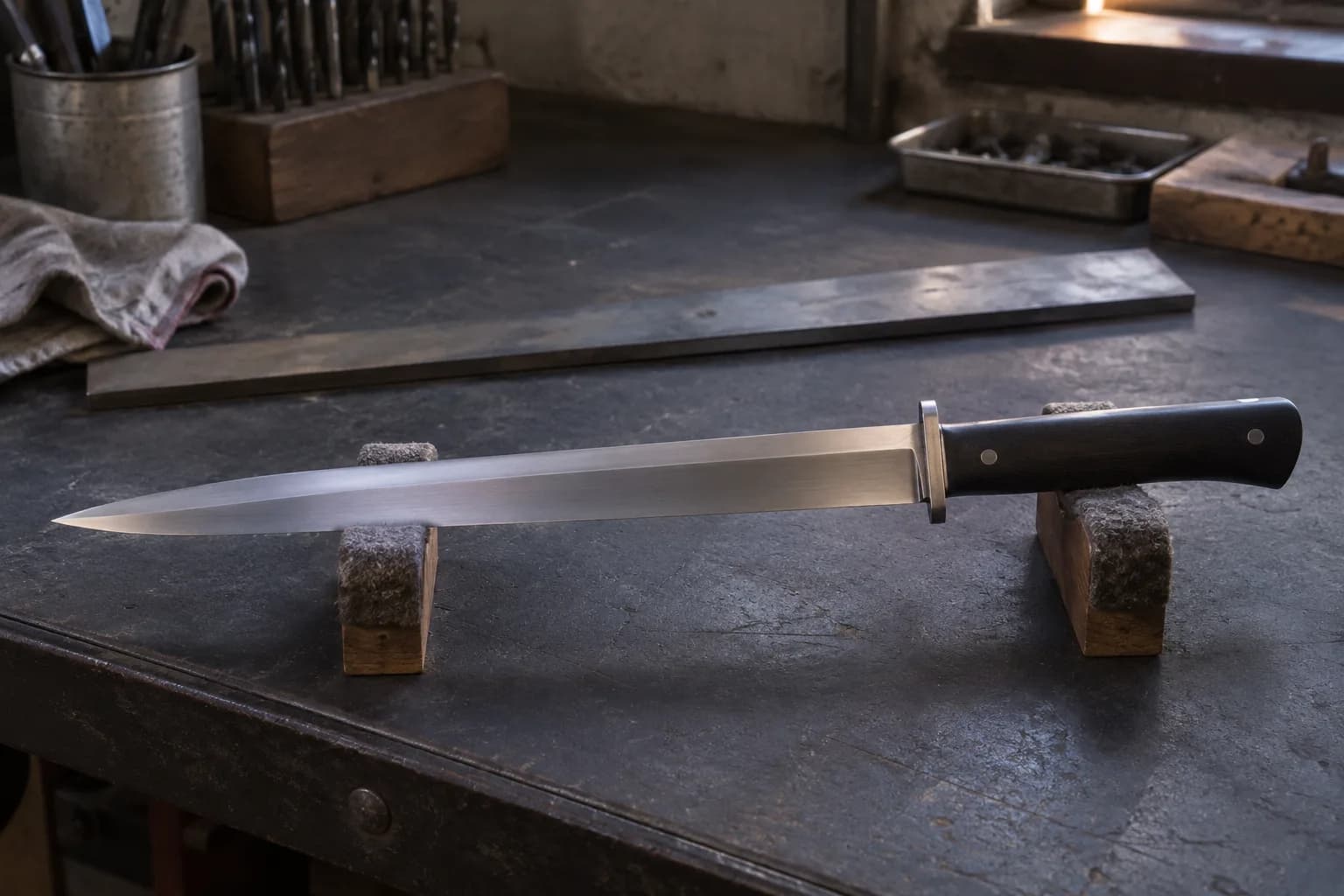
The buildable homage is honest and striking: a rigid inspired-by blade in the razor’s slim profile — spring-tempered 5160 per sword-steel practice, satin-bright, minimal guard — with the whip form left to the fiction where it belongs (an actual edged whip is a liability generator, not a product; even display urumi are handled like live hazards). Sell it with the engineering story above printed on the card: the fan gets the blade, the analysis, and the respect of being told the truth about the physics. That combination is this whole section’s product.
Keep reading
Three more from the same bench.
Every fictional blade is a real design brief with the physics turned off. Turn the physics back on and something interesting happens: the analysis becomes…
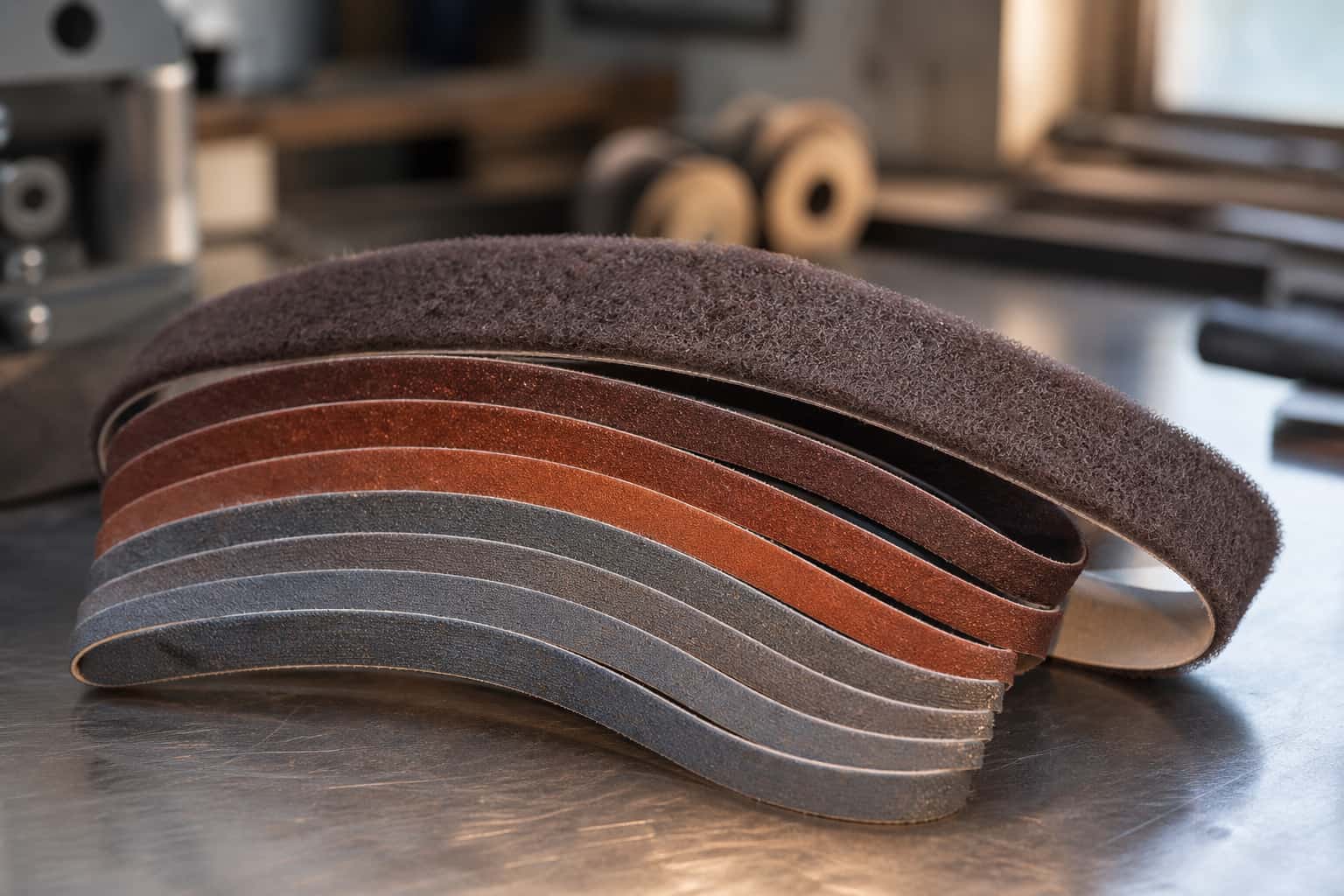
Brandon Sanderson handed his world’s assassins a genuinely great materials-engineering problem: Allomancers can sense and violently manipulate metal, so…
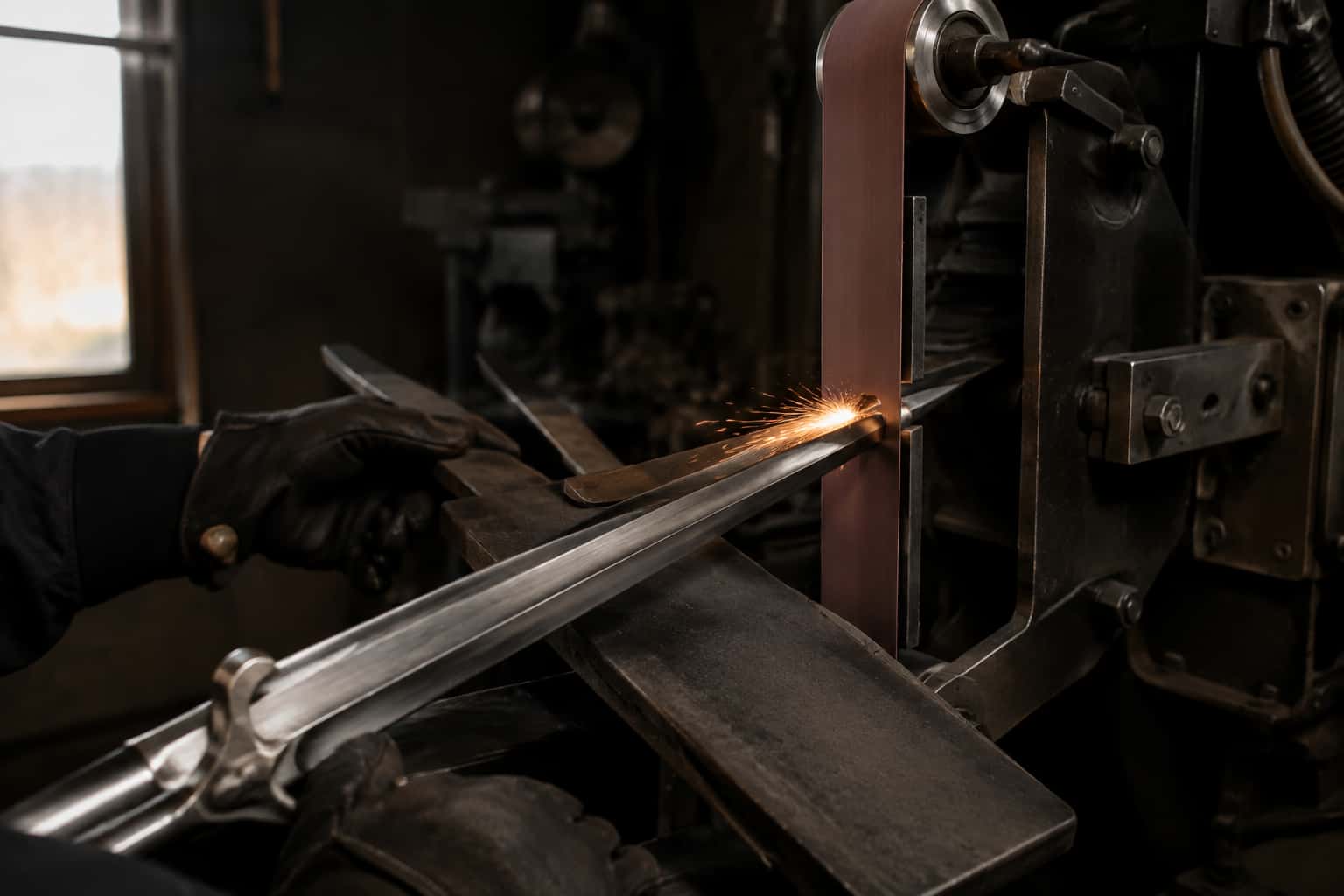
Sword steel selection is knife steel selection with the priorities inverted: at three feet of lever arm, toughness is nearly everything and wear…
Same bench
I machine the parts, hand-assemble, track and test Torus grinders in Sterling, Illinois. Most orders ship in seven to ten business days from time of order.
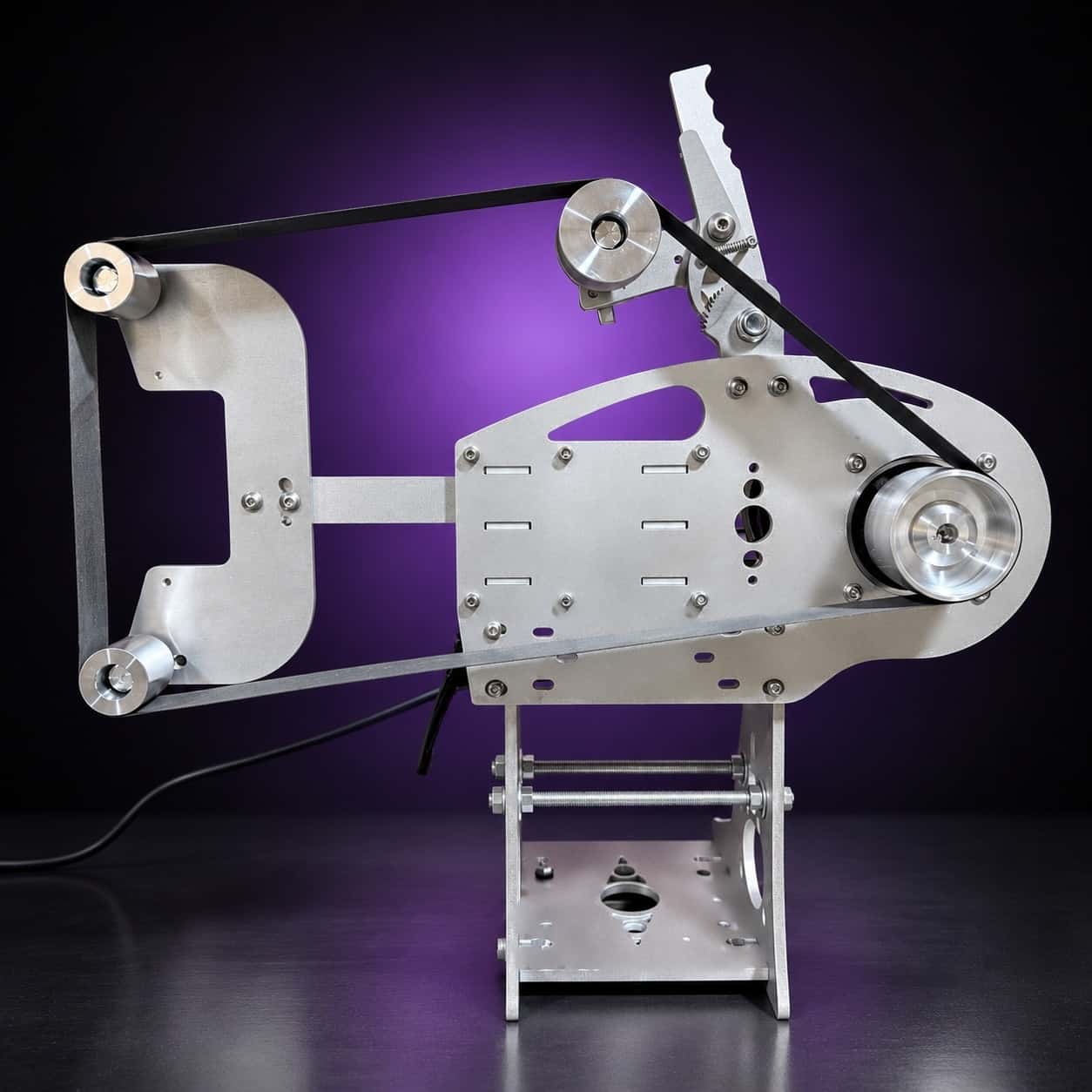
Current dual-axis platform with a fiber-laser-cut 6061 chassis and single-knob tracking.
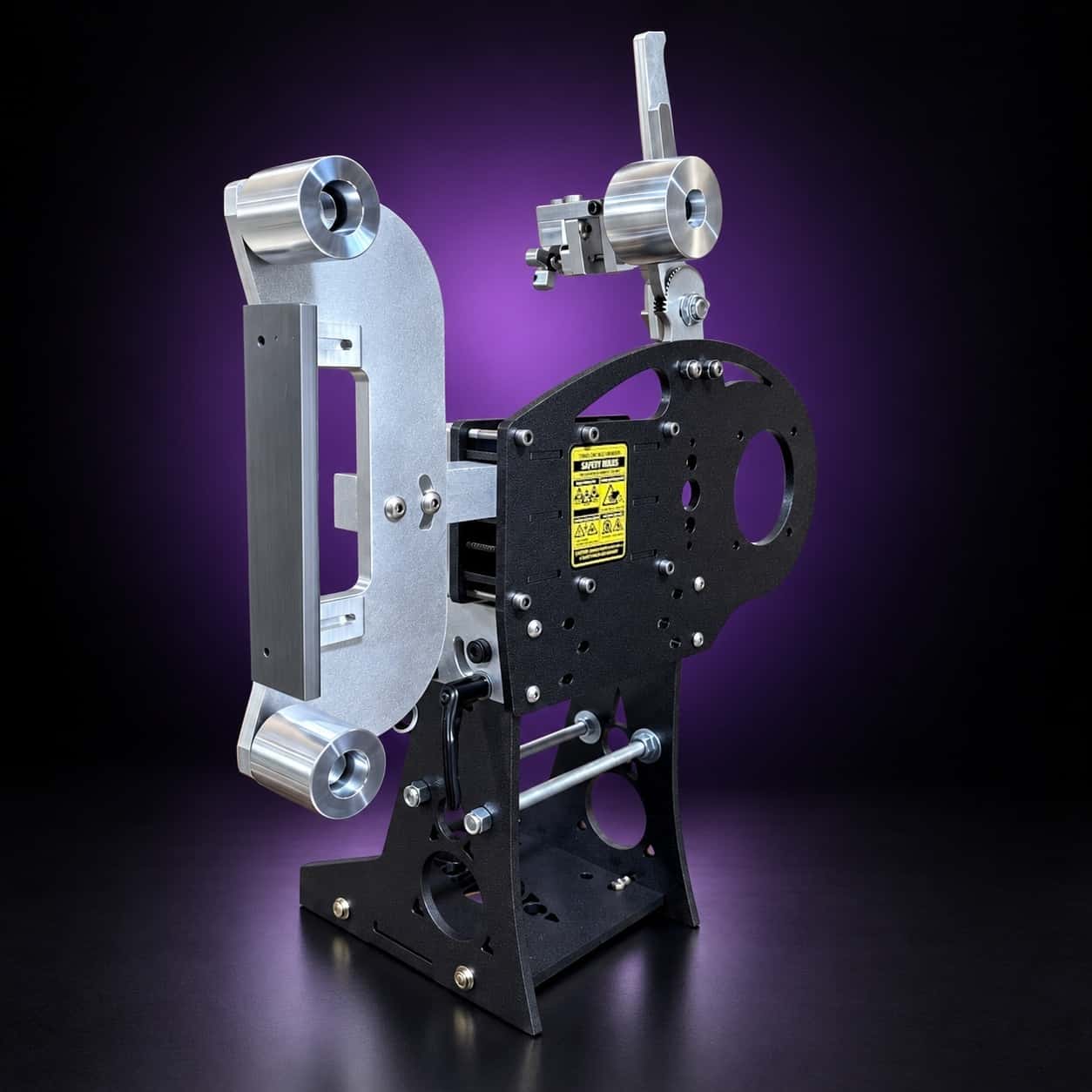
Current dual-axis platform with a steel chassis, more mass and less vibration.
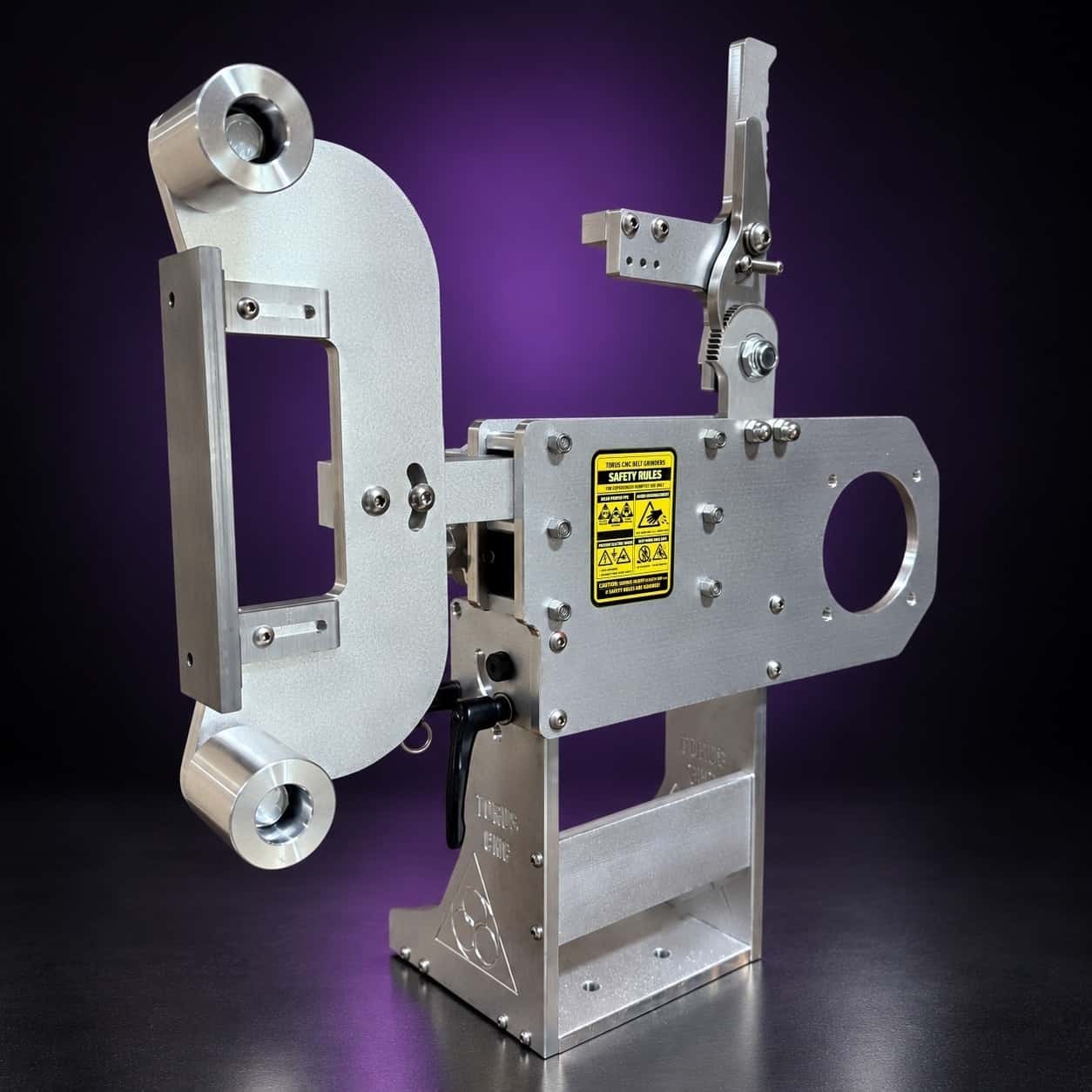
Prior-design aluminum chassis, 90-degree tilt and 1.5-inch tooling arms.
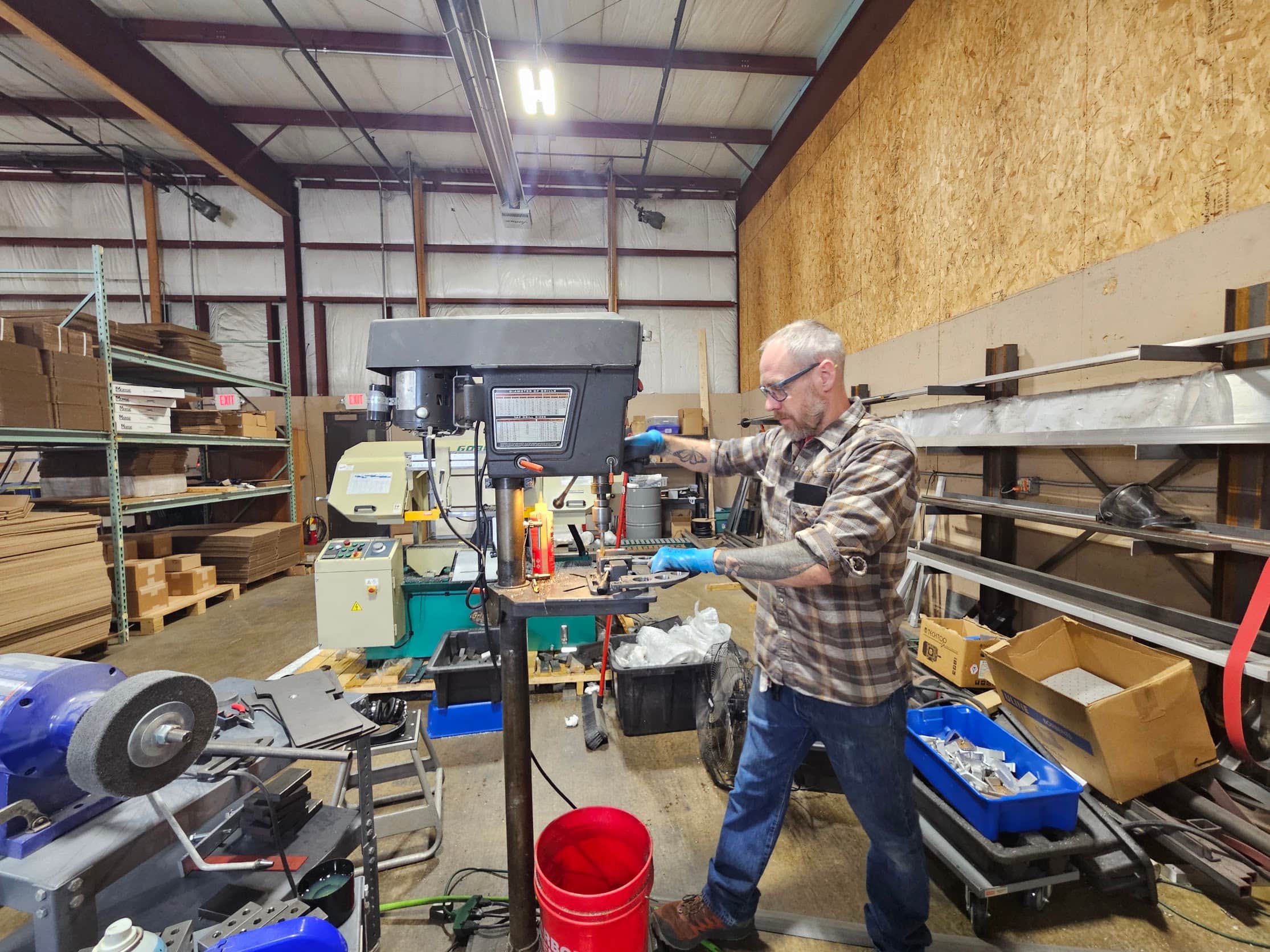
One-man shop
I answer my own email. Tell me the steel, the machine and what it is doing, and I will tell you what I would try next.