
Abrasives
Belt Buyer’s Guide: Which Abrasives to Actually Buy
Belts are the single biggest recurring cost in this hobby, and buying the wrong ones wastes money twice: once on belts that wear out fast, and again on…
Abrasives
M390 on the 2x72 and at the bench: fresh ceramic belts, light cool passes once hard, diamond or CBN stones, and a realistic consumables budget.
1 min readWritten by Rich LinvilleFree to read
M390 earns its benchmark status at the cutting board and collects the bill in the shop: its vanadium and chromium carbides resist your abrasives exactly the way they resist the cardboard. The work is entirely manageable with the right consumables — and slow punishment without them.
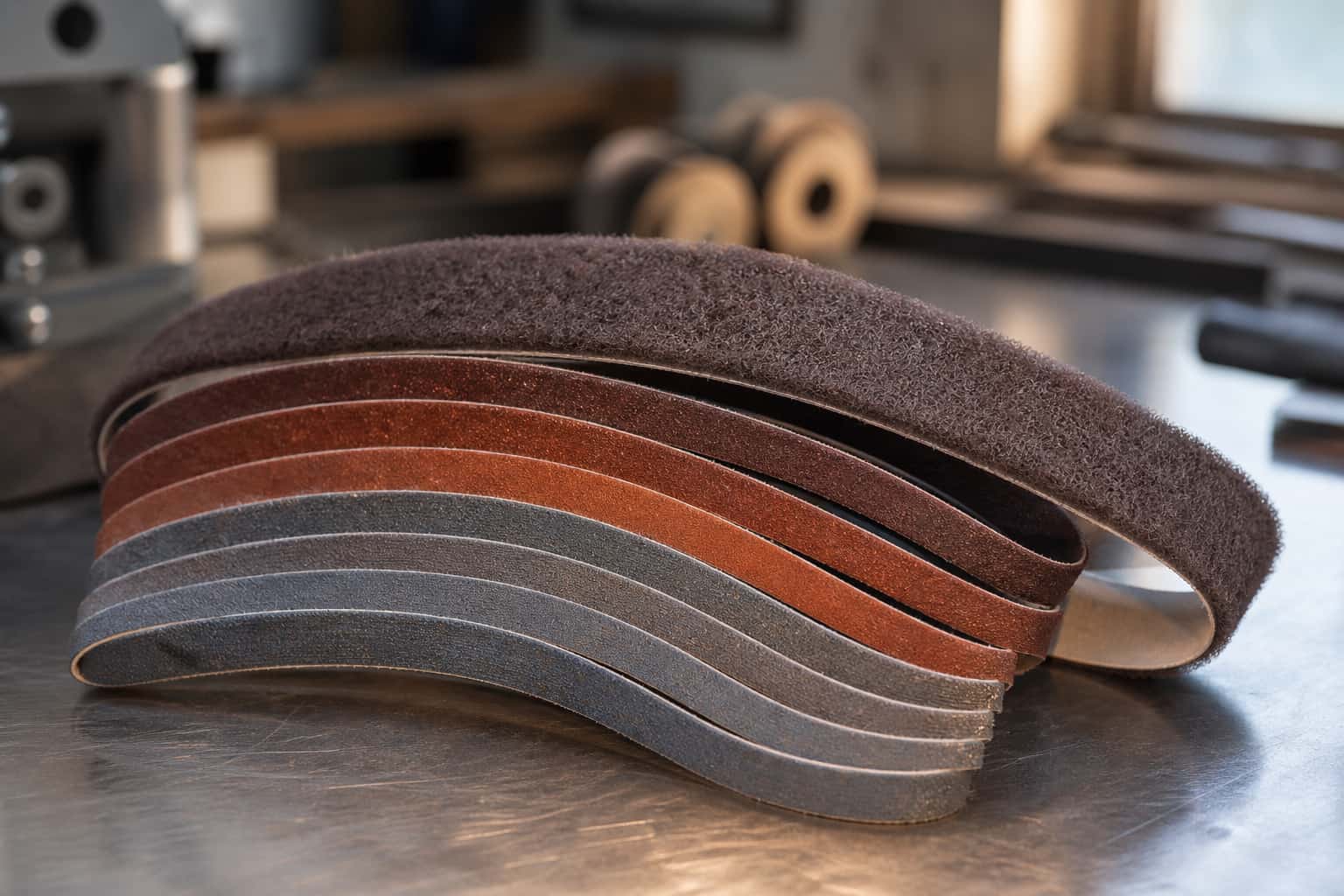
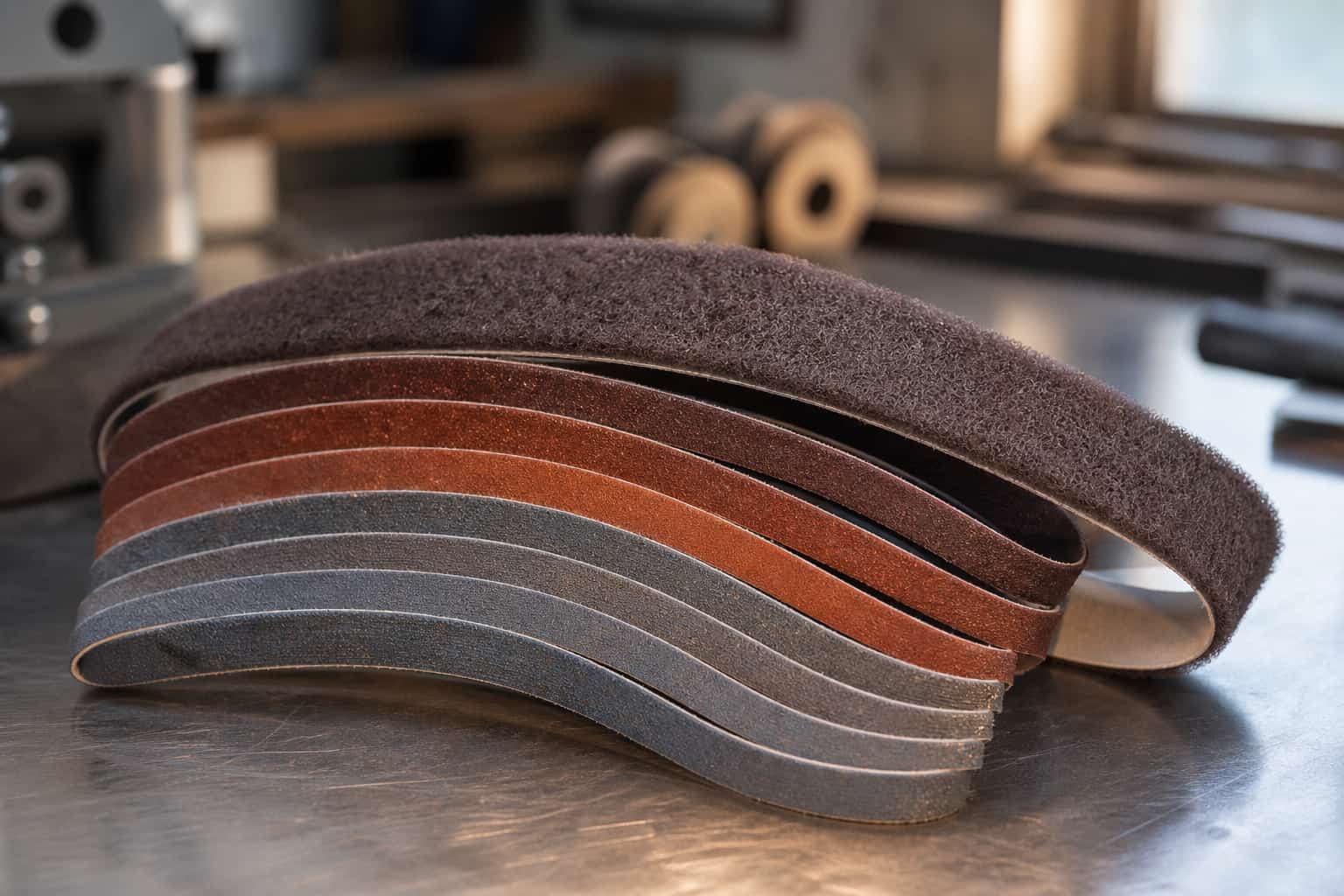
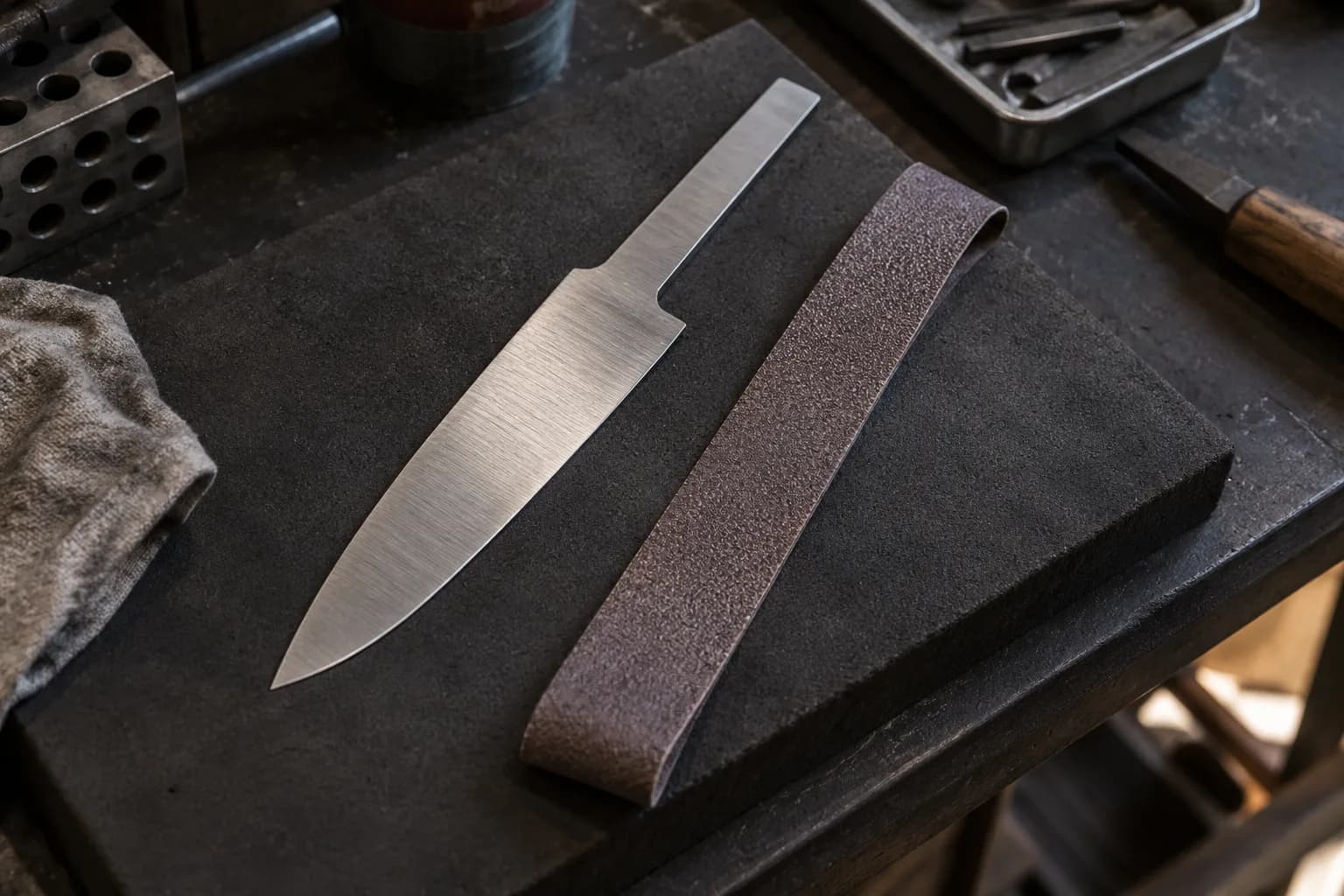
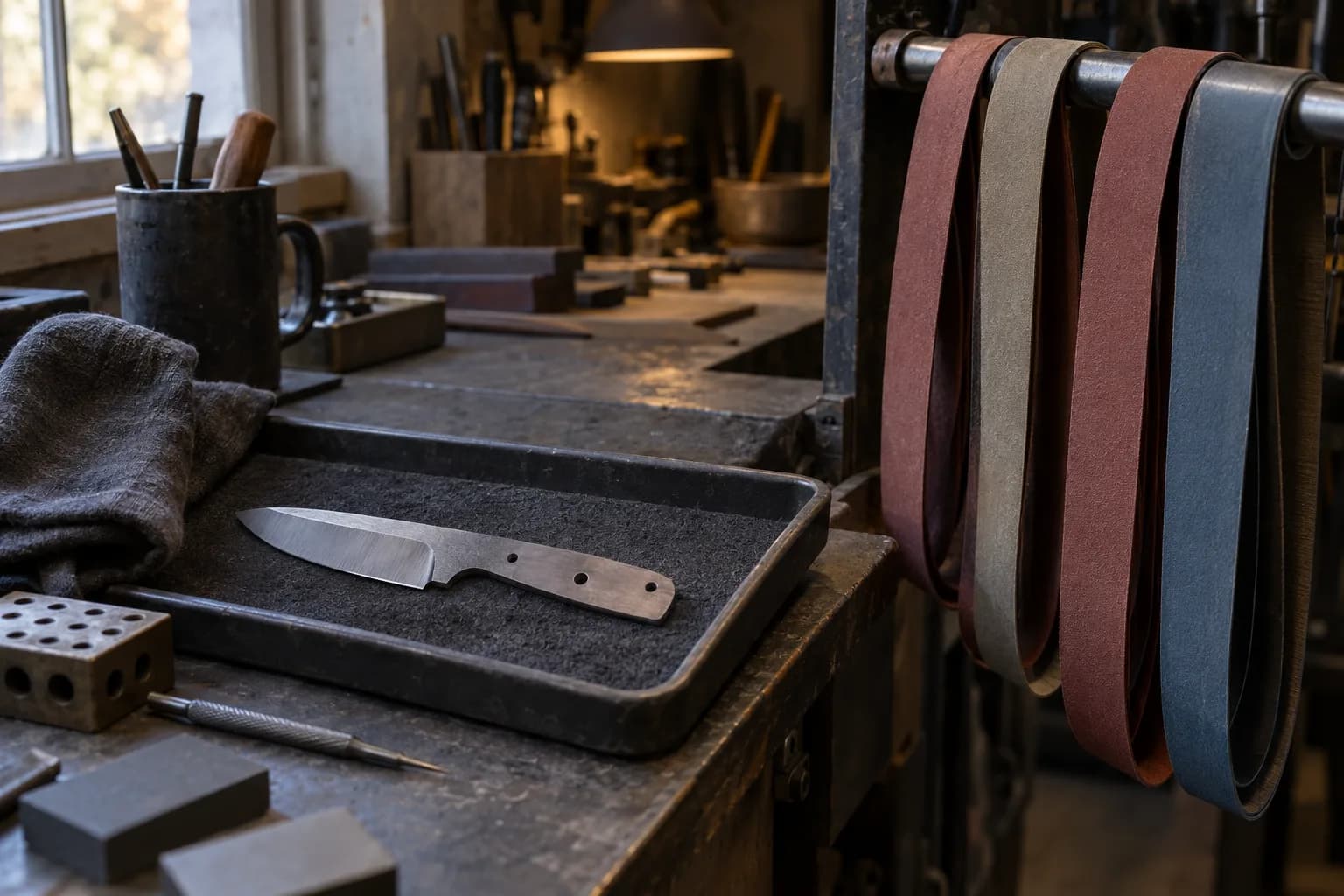
Ceramic belts, full stop — fresh premium ceramics (36-60 grit) hog annealed M390 honestly, while worn belts and cheap aluminum-oxide skate, glaze and heat the bar for nothing. Grind the bulk annealed; post-heat-treat at 60-62 HRC, drop to light passes with sharp 120-220 ceramics and treat every pass as a heat event: this steel holds its temper well, but a thin edge blues as fast as any. Structured-abrasive finishing belts (Trizact class) polish it beautifully for the satin the premium market expects — the progression logic lives in the belt buyer’s guide.
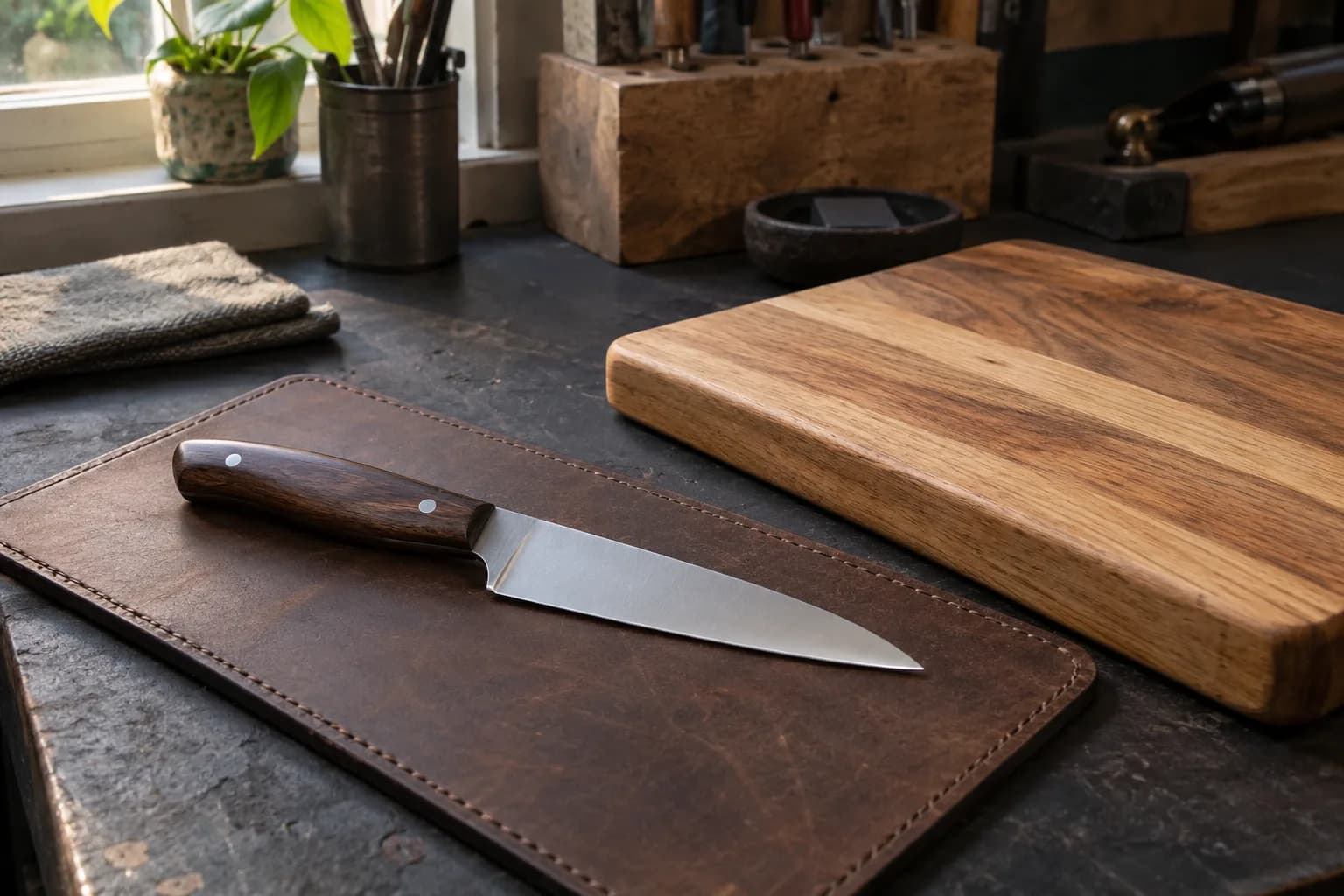
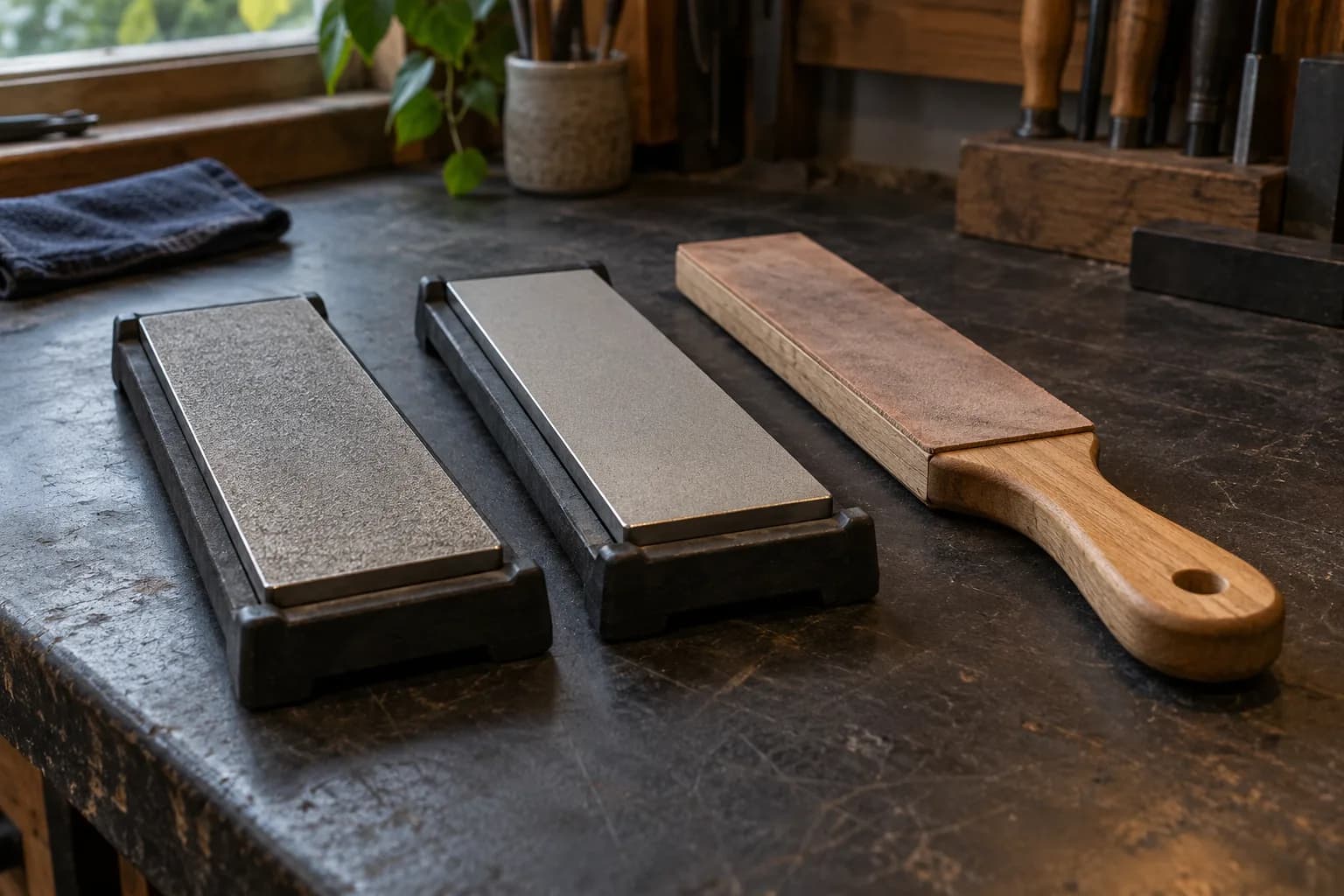
Diamond or CBN stones are the honest answer — conventional stones cut the matrix around M390’s carbides and stall past medium grits, which is where its ‘hard to sharpen’ reputation comes from. A 300/1000 diamond pair plus a strop with diamond emulsion covers the whole life of the edge; owners get that advice with the knife, per the sharpening guide. Edge angles: 17-20 per side suits its toughness class.
Plan roughly half again the belts and bench time of a mid stainless like AEB-L — then price the knife accordingly. M390’s whole business case is that the customer pays for shop effort once and enjoys the edge for months.
Keep reading
Three more from the same bench.
Belts are the single biggest recurring cost in this hobby, and buying the wrong ones wastes money twice: once on belts that wear out fast, and again on…
Sharpening is where knifemaking gets humbled: you can grind a flawless blade and still hand someone a knife that won’t slice paper. The good news …
S90V is the steel that teaches makers what vanadium carbide really means: nine percent of the bar is particles harder than most of your abrasives. Every…
Same bench
I machine the parts, hand-assemble, track and test Torus grinders in Sterling, Illinois. Most orders ship in seven to ten business days from time of order.
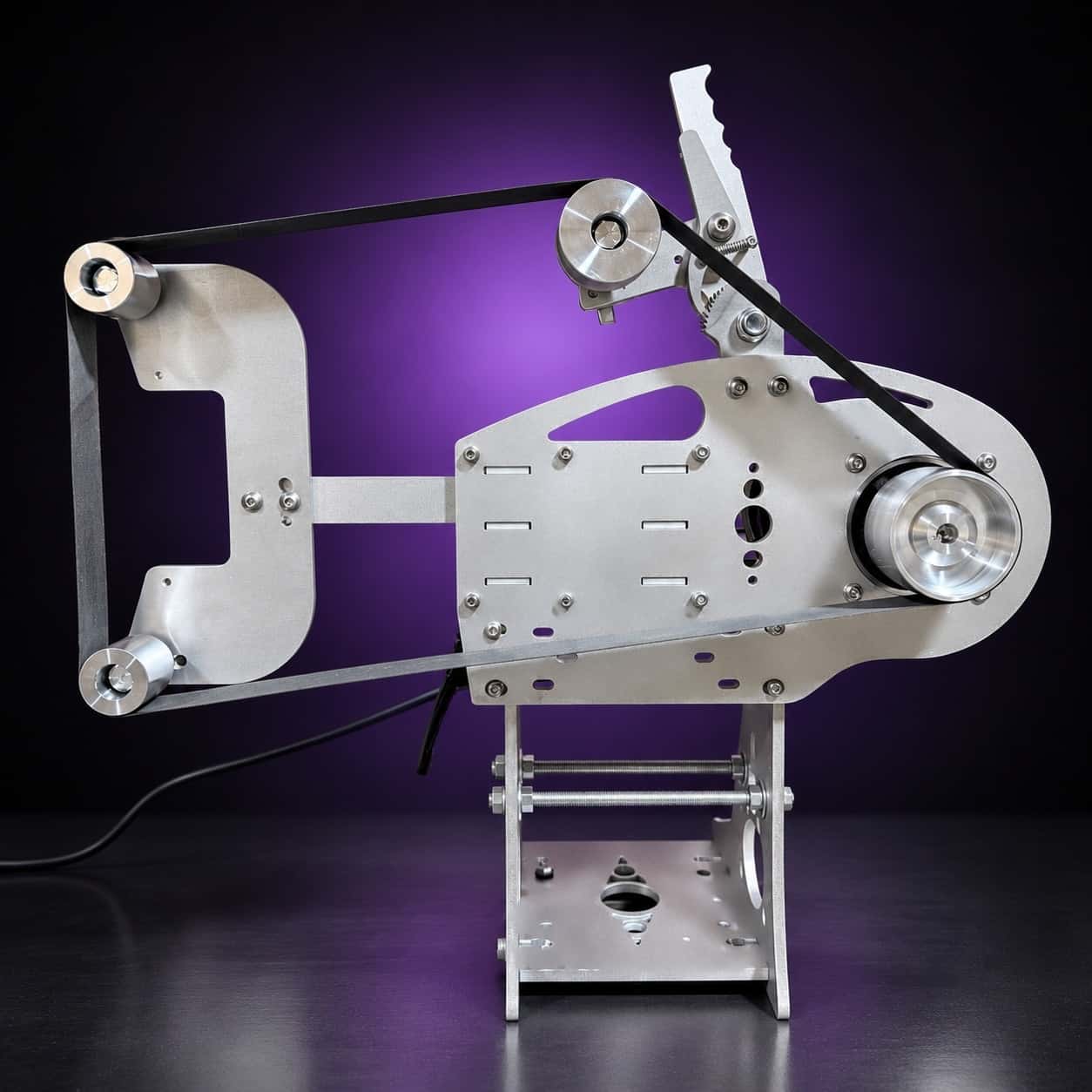
Current dual-axis platform with a fiber-laser-cut 6061 chassis and single-knob tracking.
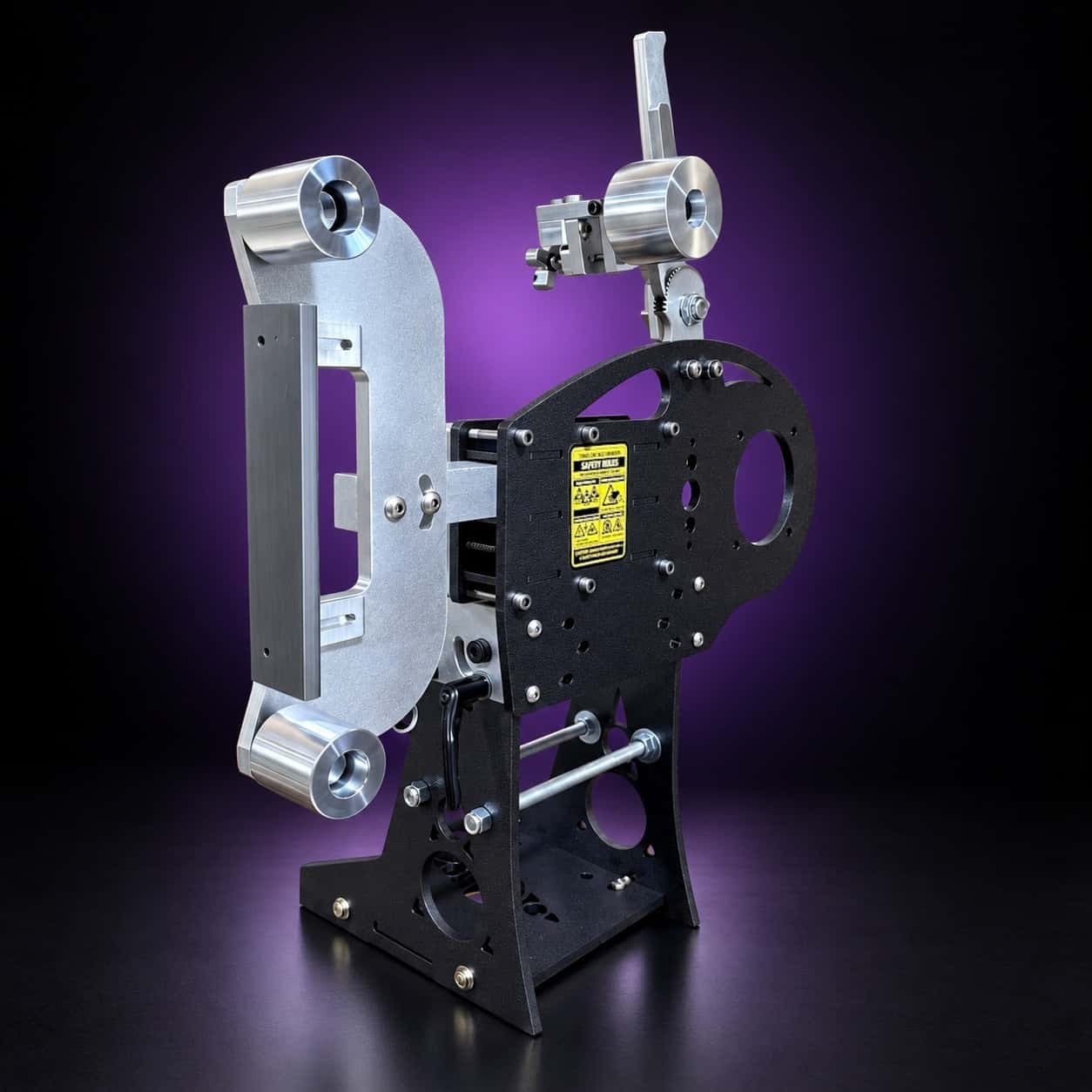
Current dual-axis platform with a steel chassis, more mass and less vibration.
These are the last Nebula chassis available until the next release. Once this run sells out, availability pauses until the next run is ready.
Next release: 10 more chassis expected Nov 17–Nov 24 (3–4 weeks from Oct 27).
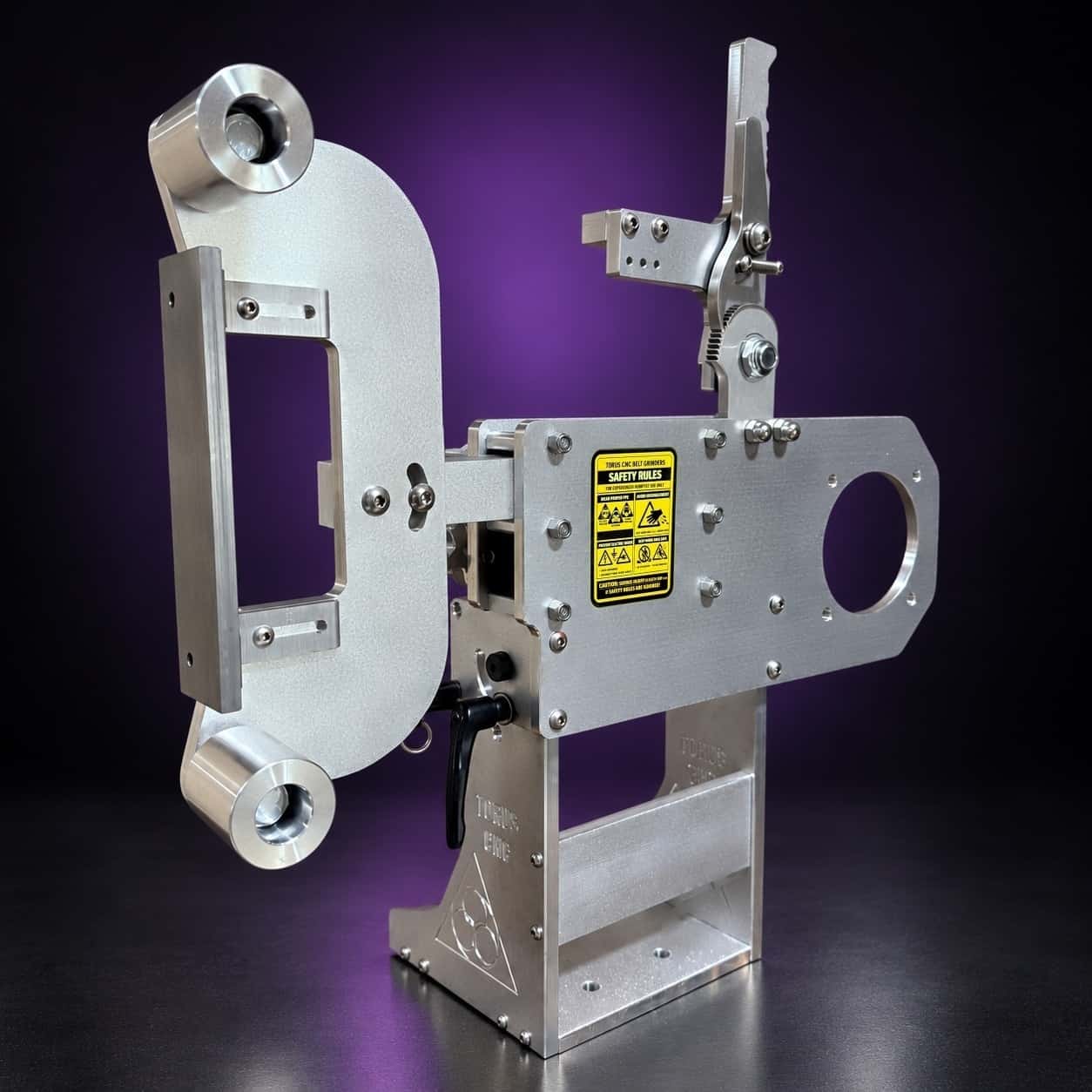
Prior-design aluminum chassis, 90-degree tilt and 1.5-inch tooling arms.
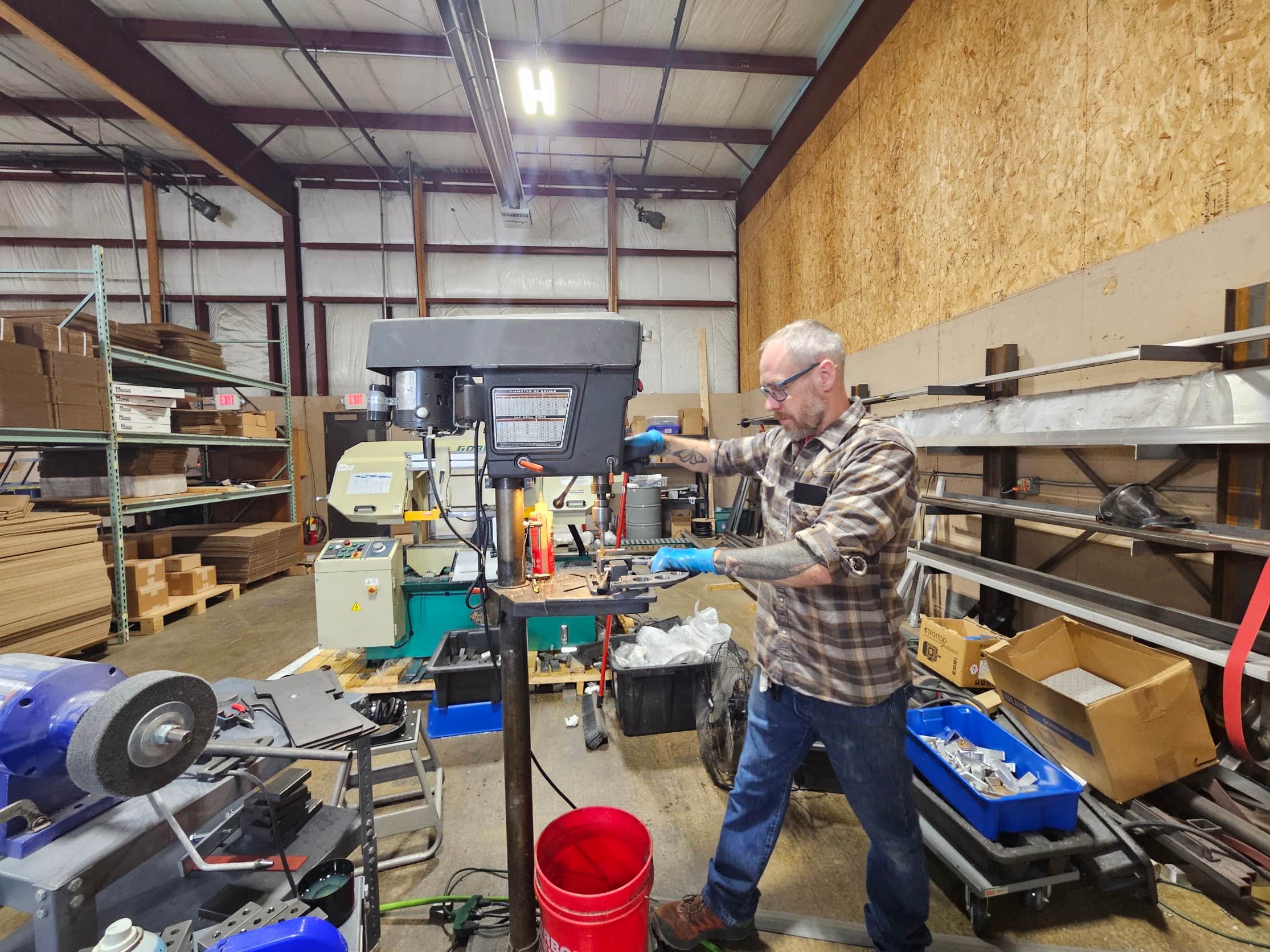
One-man shop
I answer my own email. Tell me the steel, the machine and what it is doing, and I will tell you what I would try next.