
Beginner Guides
How to Choose Your First Knife Steel
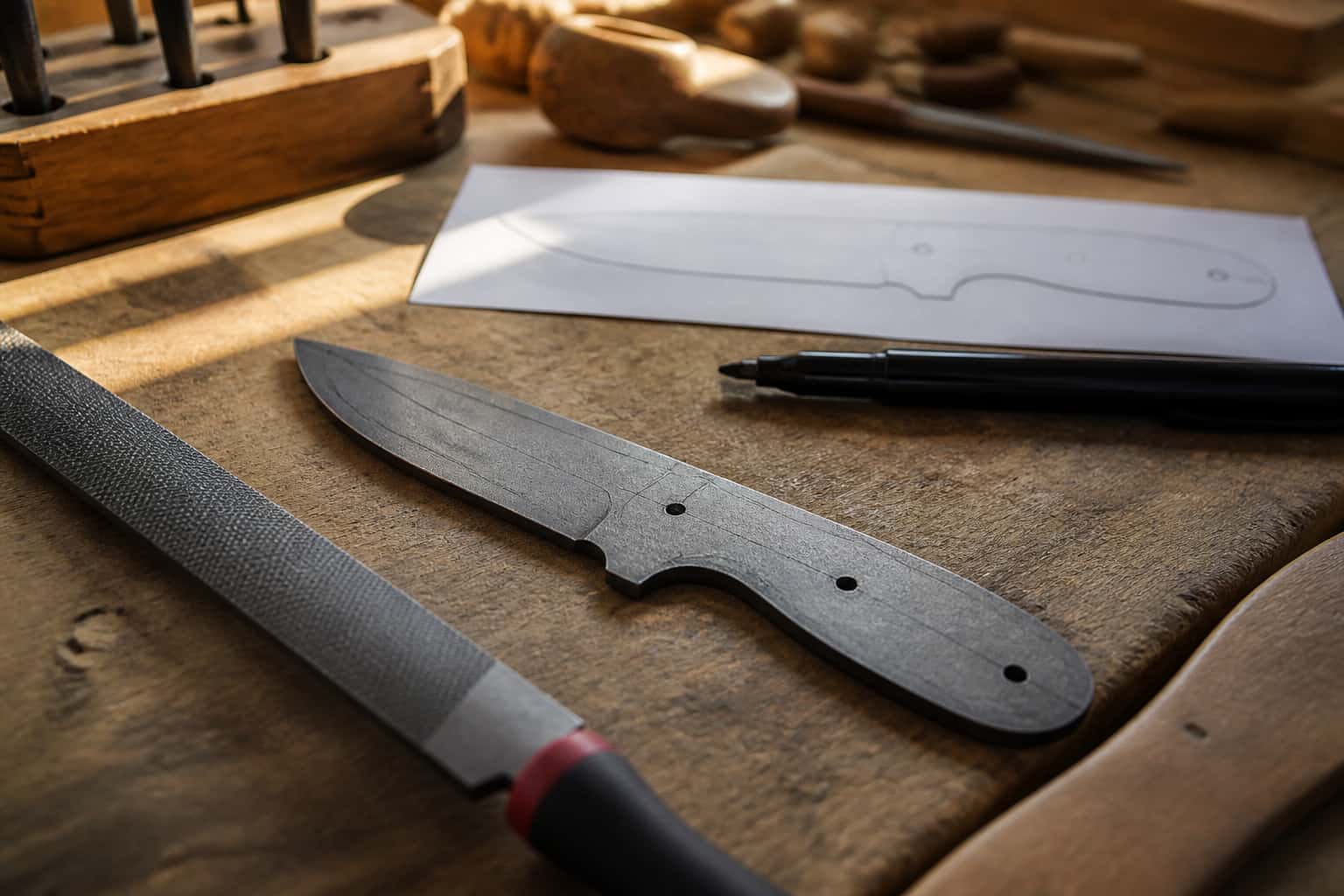
With dozens of knife steels to choose from, picking your first one can feel overwhelming. The good news: for a first knife, the right answer is almost…
Metallurgy
Carbon, stainless, tool and powder metallurgy steels explained plainly: what defines each, how the categories overlap, and where a beginner should start.
3 min readWritten by Rich LinvilleFree to read
“Carbon steel,” “stainless steel,” “tool steel,” and “powder metallurgy steel” get used as if they’re four completely separate categories, but they actually describe different, sometimes overlapping things: alloy content, intended use, and manufacturing process. Here’s what each term actually means.
Technically, any steel where carbon is the main hardening element and chromium is low (well under the ~12% stainless threshold). In practice, “carbon steel” in knifemaking usually refers to simple steels like 1084, 1075, and 1095, few alloying elements, straightforward heat treat, excellent toughness and edge-taking ability, but no meaningful corrosion resistance. Bare carbon steel will rust if not cared for.
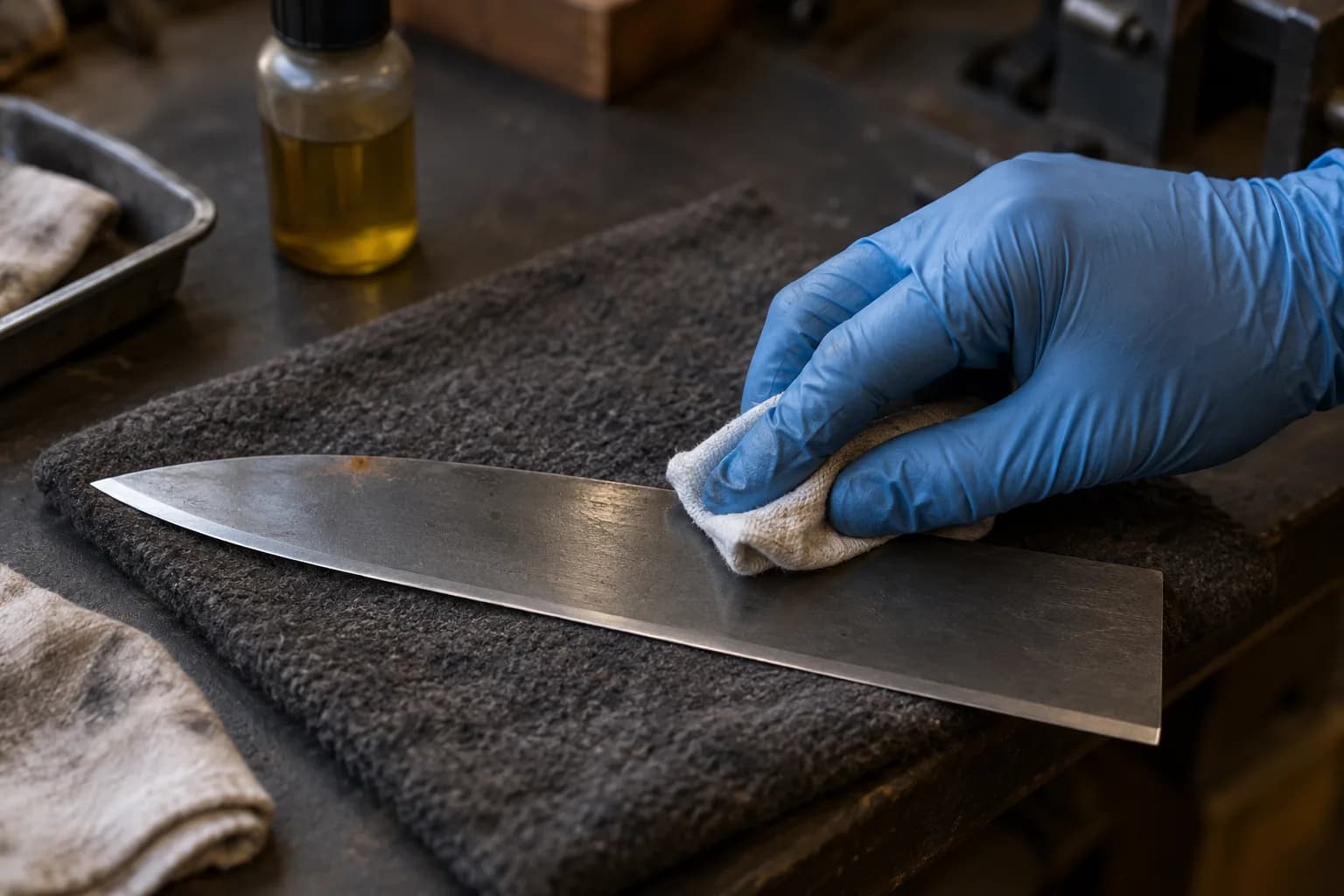
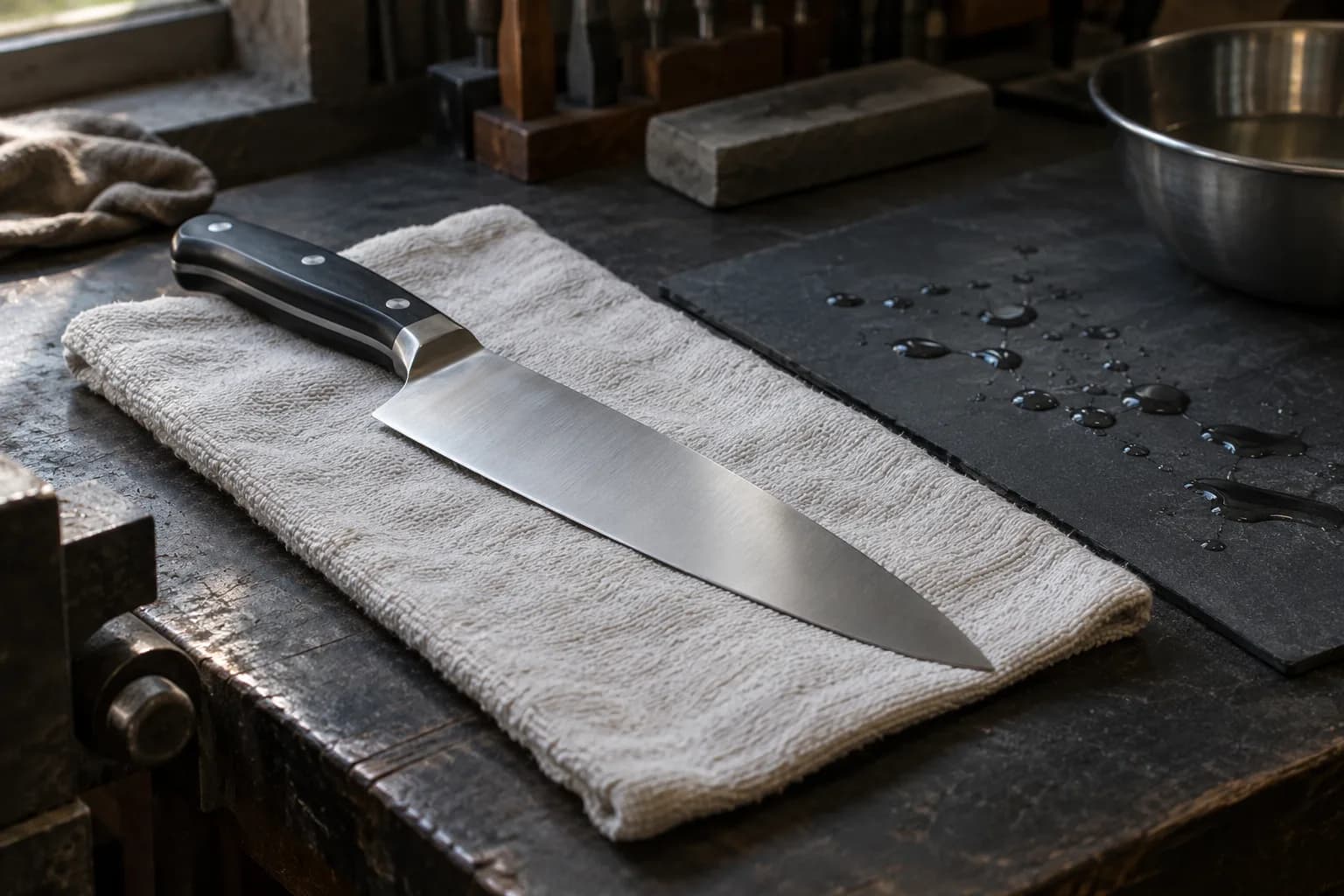
Any steel with roughly 12% or more chromium content, forming a passive oxide layer that resists corrosion. Stainless knife steels range from simpler grades like 154CM to complex, highly-alloyed powder-metallurgy stainless steels like CPM MagnaCut. “Stainless” doesn’t mean “won’t ever rust,” it means significantly more corrosion-resistant than non-stainless steel, not immune.
A broad industrial category of steels designed for making tools, dies, and cutting implements, valued for hardness, wear resistance, and the ability to hold a working edge under stress. Many knife steels (D2, CPM 3V, CPM M4) are technically tool steels borrowed from industrial use because their properties translate well to knives. Tool steel isn’t automatically stainless; D2, for example, has enough chromium to resist corrosion somewhat better than plain carbon steel but not enough to be considered fully stainless.
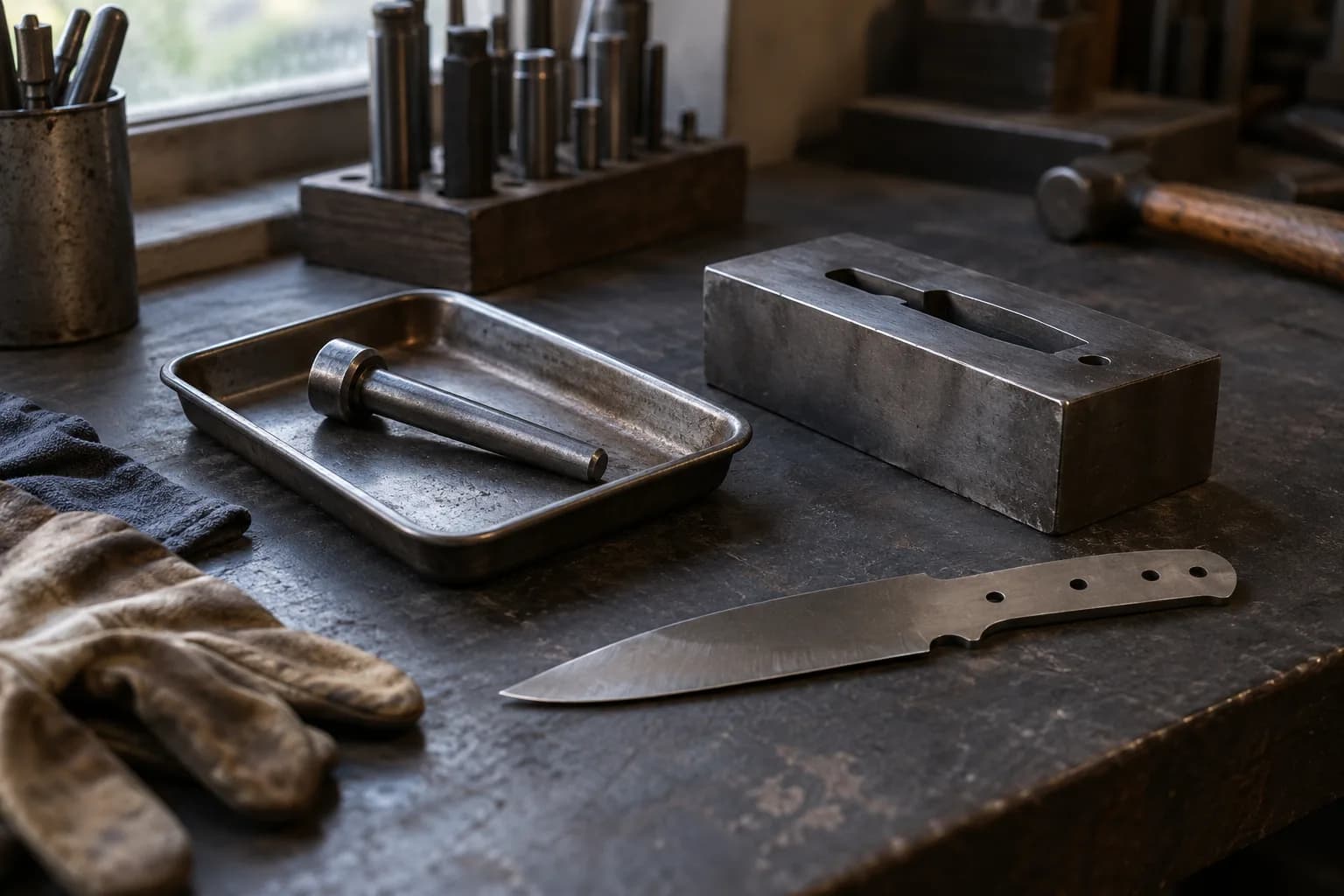
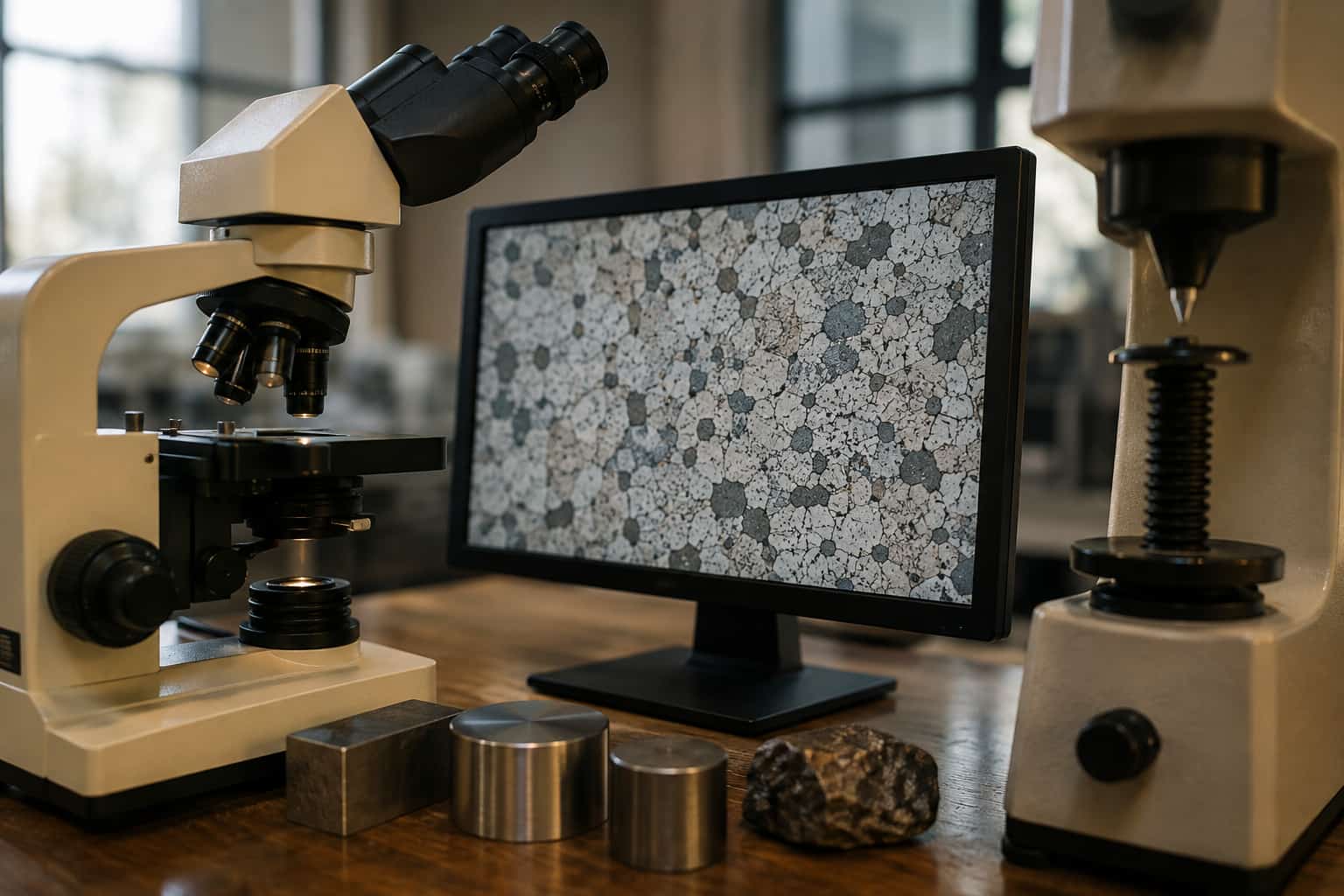
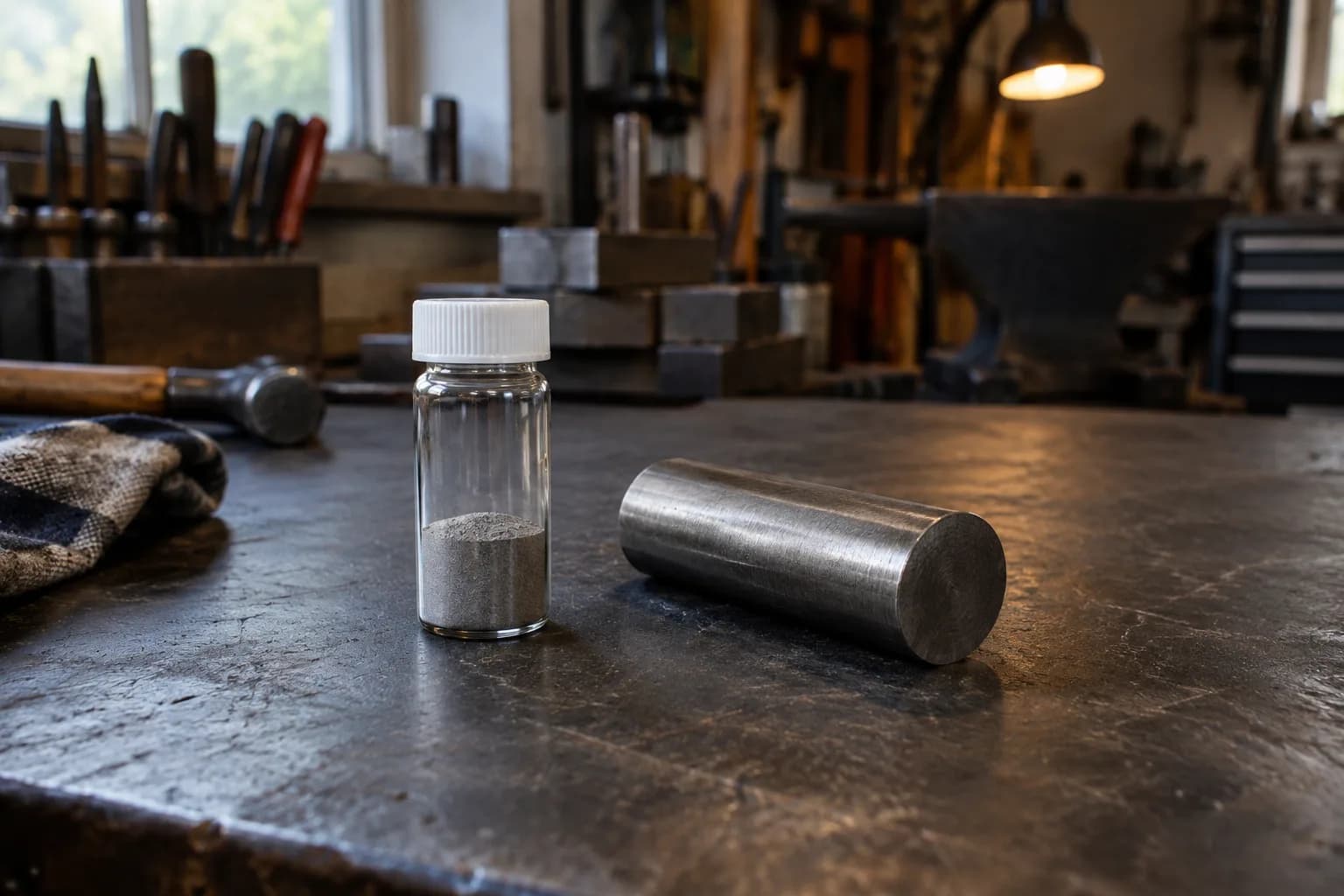
Not an alloy category but a manufacturing process. Conventional steel is cast as a large ingot, where heavy alloying elements can separate into large, unevenly distributed carbides as it cools. Powder metallurgy steel is made by atomizing molten steel into fine powder and compacting it under heat and pressure, producing a much finer, more evenly distributed carbide structure. This is what allows PM steels like CPM S30V, CPM S45VN, and CPM MagnaCut to pack in high levels of vanadium and other elements while still taking a refined edge, something conventionally-cast steel with the same composition often can’t do as well.
A steel can be stainless AND powder metallurgy AND effectively a tool steel all at once, CPM MagnaCut is a good example: stainless (high chromium), powder metallurgy (CPM manufacturing process), and designed with tool-steel-level wear resistance in mind. The categories describe different properties of the same steel, not mutually exclusive buckets.
Simple carbon steel, for the reasons covered in How to Choose Your First Knife Steel: straightforward heat treat, forgiving of mistakes, and no risk of learning a heat-treat process that only works for one narrow steel category.
Not inherently from the “stainless” property itself, but many stainless steels (especially PM stainless steels with high vanadium) also happen to have hard carbides that slow down sharpening. Simpler stainless steels like 154CM sharpen more like carbon steel does.
Better for a specific goal, packing in high alloy content while keeping a fine, even structure, not universally superior. A well-made conventional steel like 1084 or 80CrV2 will outperform a poorly heat-treated PM steel every time; manufacturing process is one factor among several, not a guarantee of quality.
At that point it stops being called “carbon steel” in the traditional sense and becomes a stainless or chromium-alloyed steel instead, since the defining trait of carbon steel is low alloy content beyond carbon itself. The terms describe where on that spectrum a steel sits.
Keep reading
Three more from the same bench.
With dozens of knife steels to choose from, picking your first one can feel overwhelming. The good news: for a first knife, the right answer is almost…
Every knife steel is iron plus a specific recipe of other elements, and each of those elements pulls the steel’s behavior in a particular direction…
Heat treating is what turns a piece of flat bar stock into a functional knife blade. Done correctly, it transforms the steel’s internal crystal structure…
Same bench
I machine the parts, hand-assemble, track and test Torus grinders in Sterling, Illinois. Most orders ship in seven to ten business days from time of order.
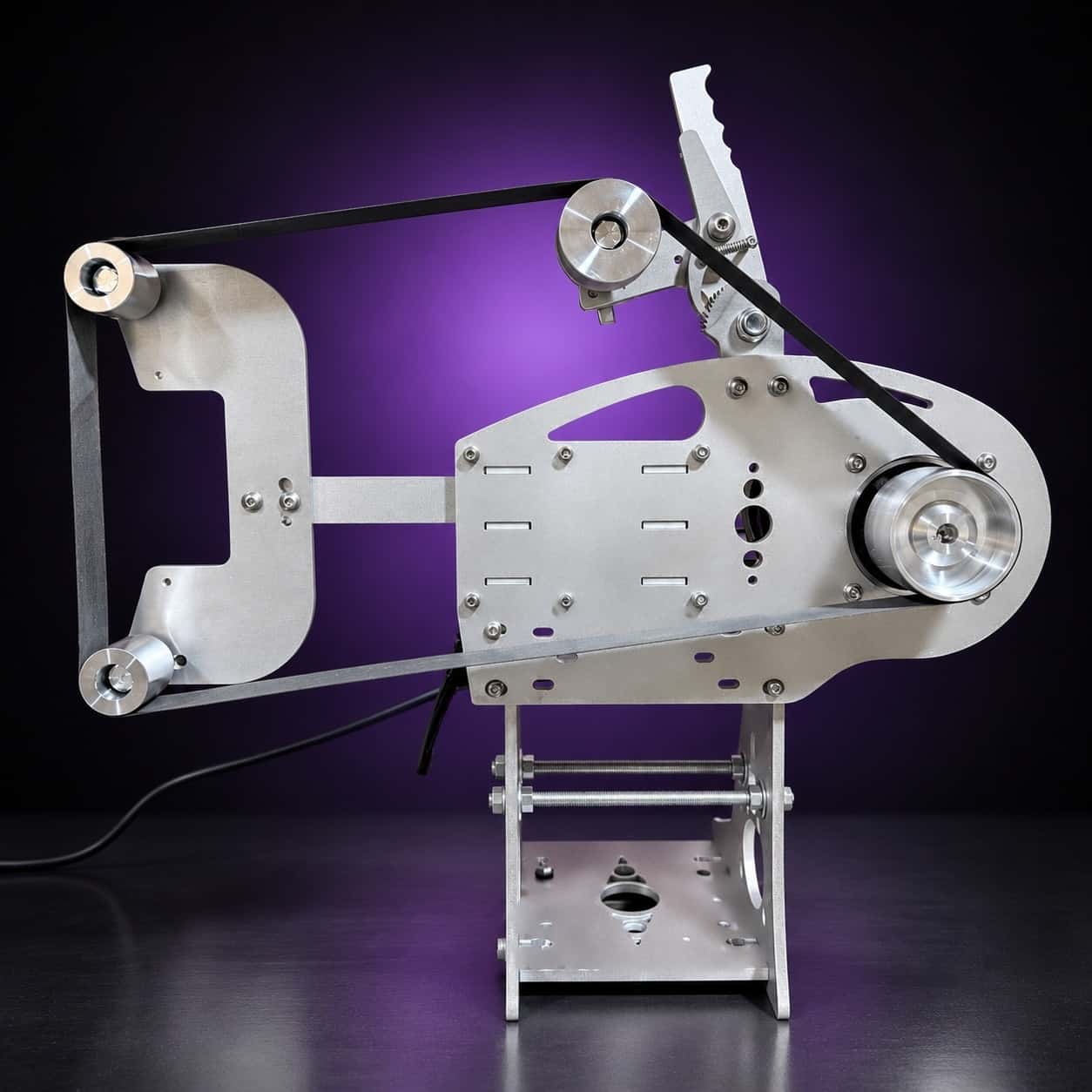
Current dual-axis platform with a fiber-laser-cut 6061 chassis and single-knob tracking.
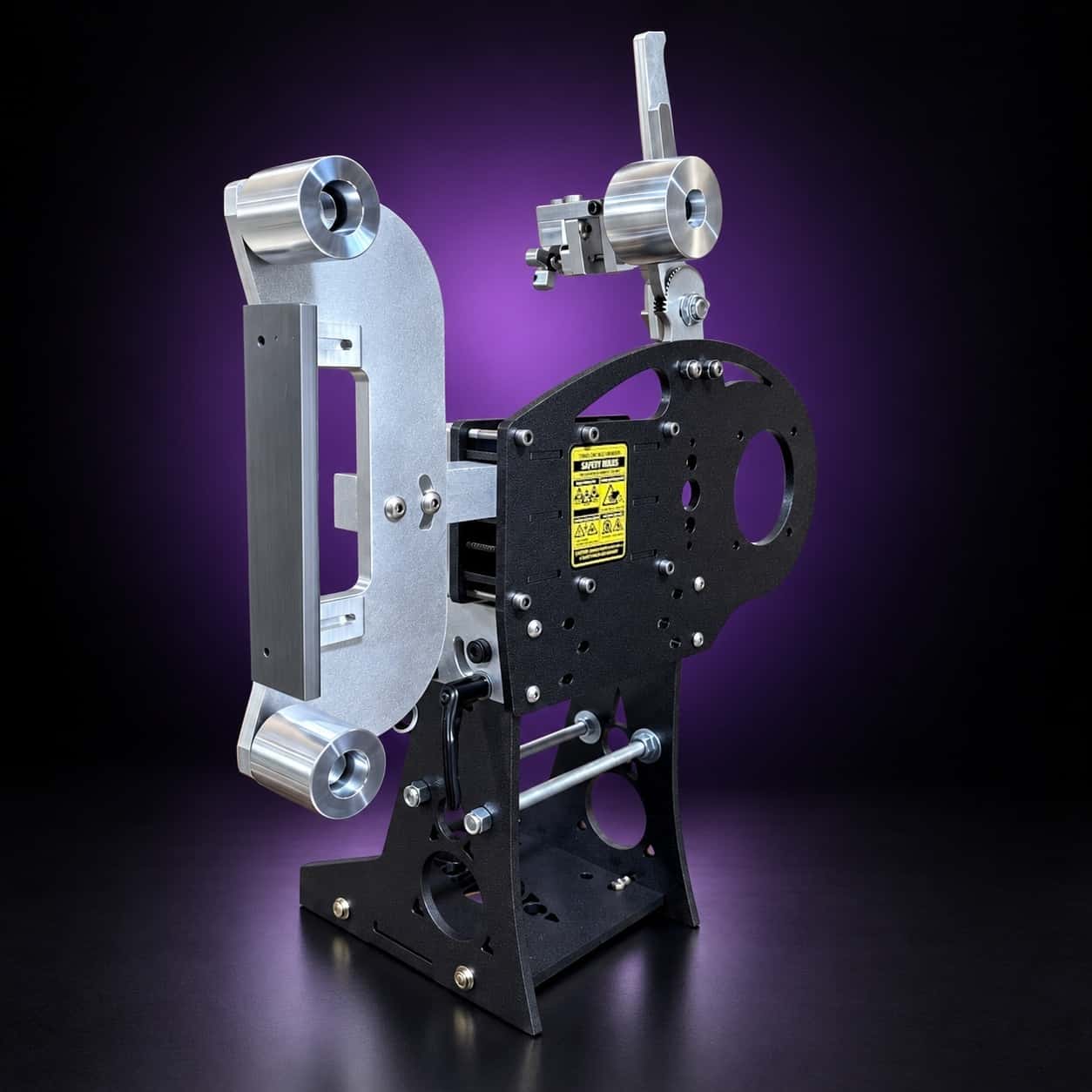
Current dual-axis platform with a steel chassis, more mass and less vibration.
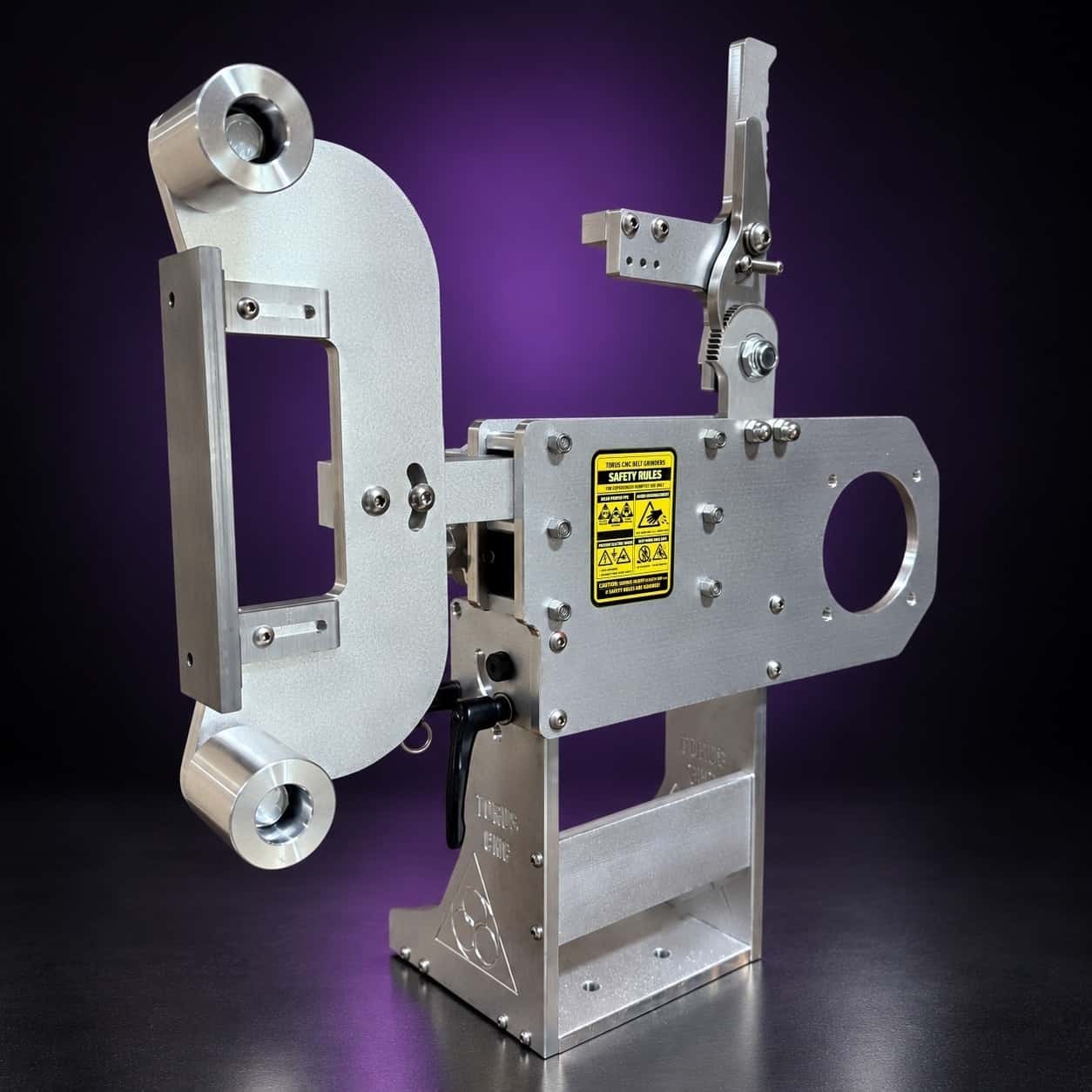
Prior-design aluminum chassis, 90-degree tilt and 1.5-inch tooling arms.
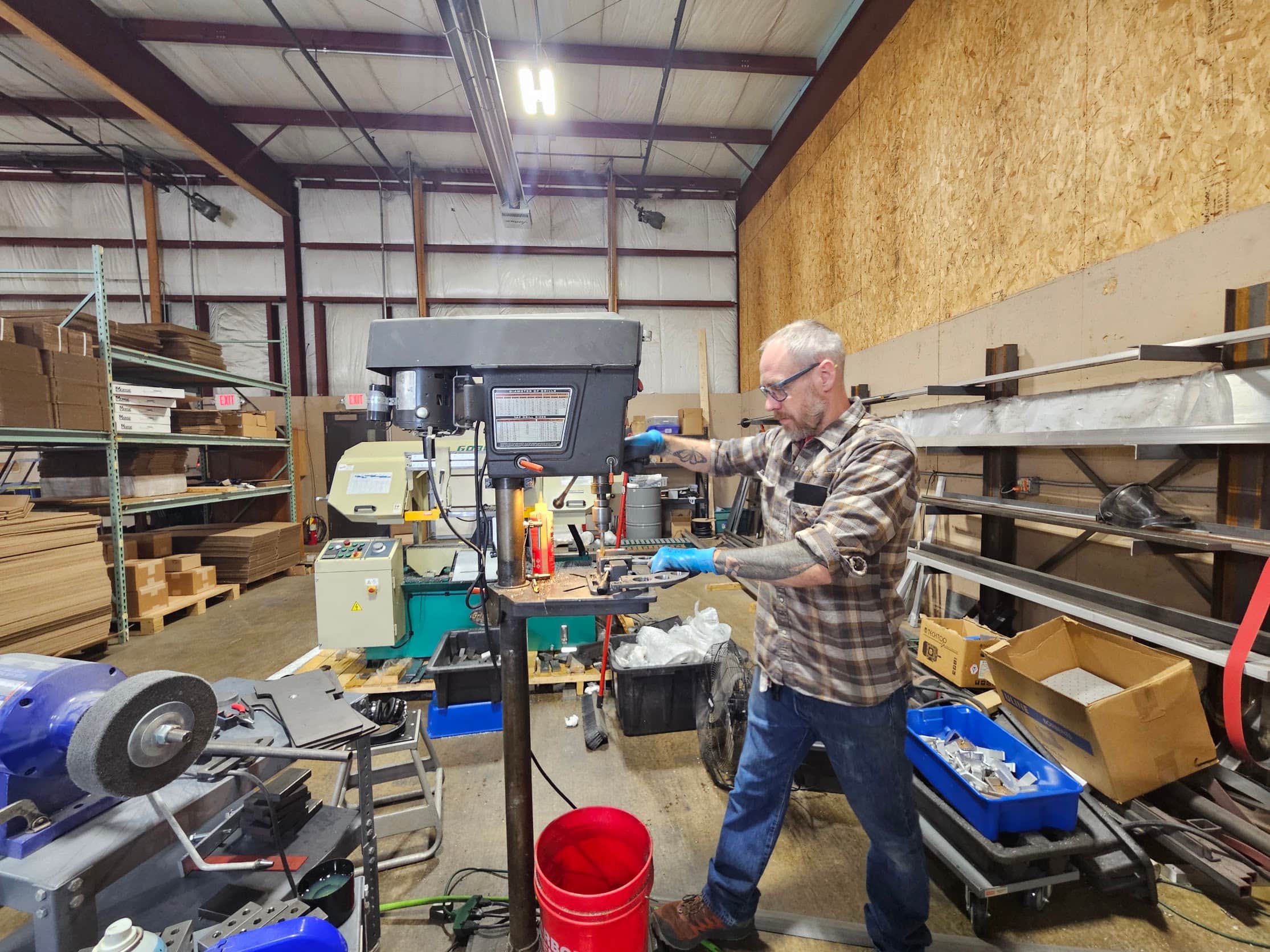
One-man shop
I answer my own email. Tell me the steel, the machine and what it is doing, and I will tell you what I would try next.