
Folding Knives
Building a Liner Lock: The Modern First Mechanism
The liner lock is the modern folder’s default mechanism and the standard first LOCKING build: every part is visible, every adjustment reachable, every…
Folding Knives
Tuning folder action: detent ball and hole geometry, lockbar tension, pivot dialing, washer prep, and diagnosing gritty, weak or harsh actions.
2 min readWritten by Rich LinvilleFree to read
Two folders can share identical parts lists and feel nothing alike — one glassy and crisp, one gritty and vague. The difference is tuning: the last thousandths of fit across detent, lockbar, pivot and washers. This is the feel craft, and it is systematic, not mystical.
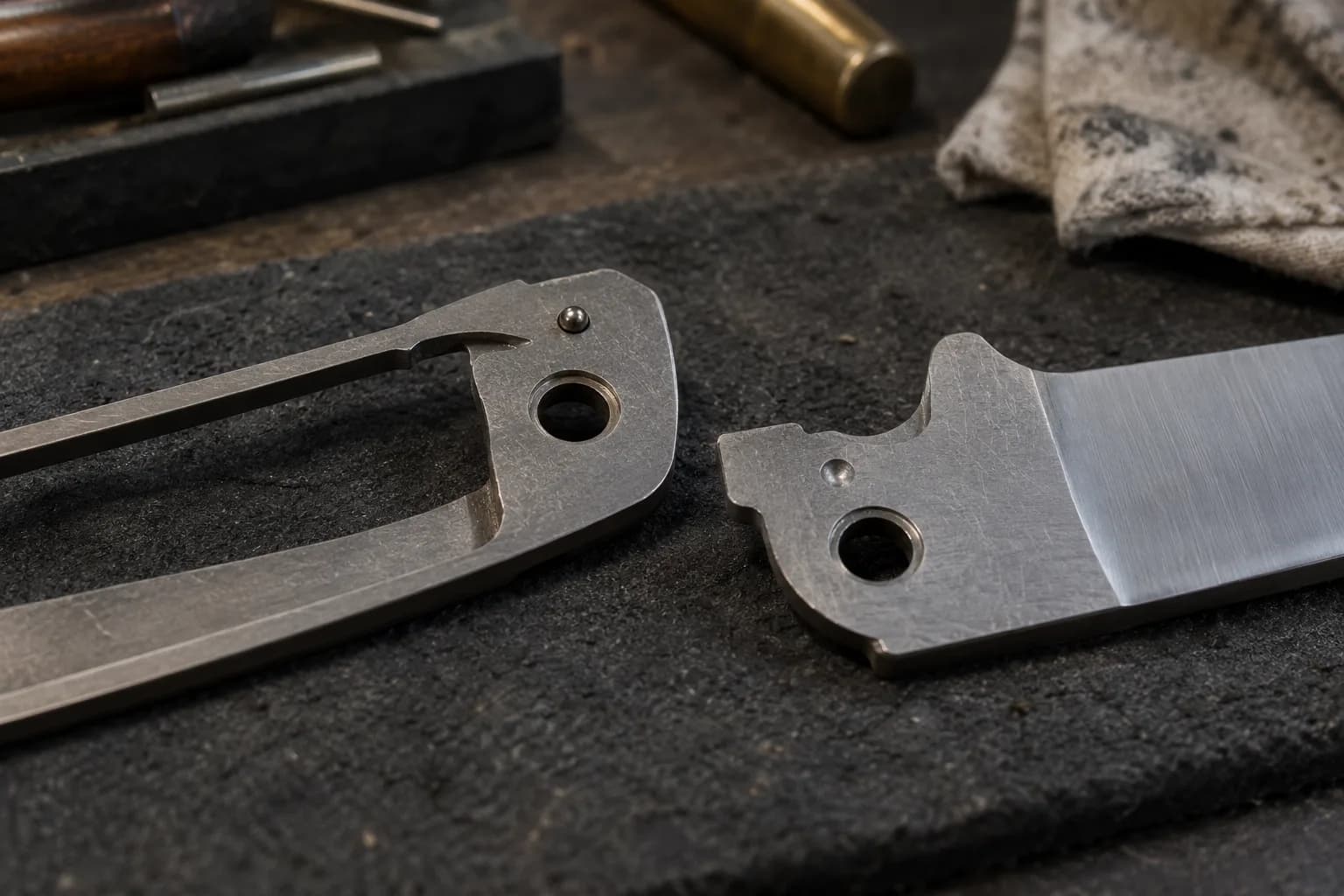
Detent feel is four variables. Ball proud-ness: how far the ball stands out of the lockbar sets drag on the tang — more proud, more authority, more friction. Hole size: a few thousandths under ball diameter is the crisp seat; at-size swallows the ball (weak, rattly); far-under gives a harsh edge-of-hole click. Hole edge: a whisper of a chamfer smooths the exit ramp — the difference between a crisp pop and a nail-breaker. Lockbar tension: the spring force behind all of it. Tuning is one variable at a time: weak detent → more tension or a prouder ball; harsh → chamfer the hole edge or ease tension; gritty draw → the problem usually is not the detent at all (see below). Ceramic balls on hardened tangs resist the galling that makes steel-on-steel go gravelly.
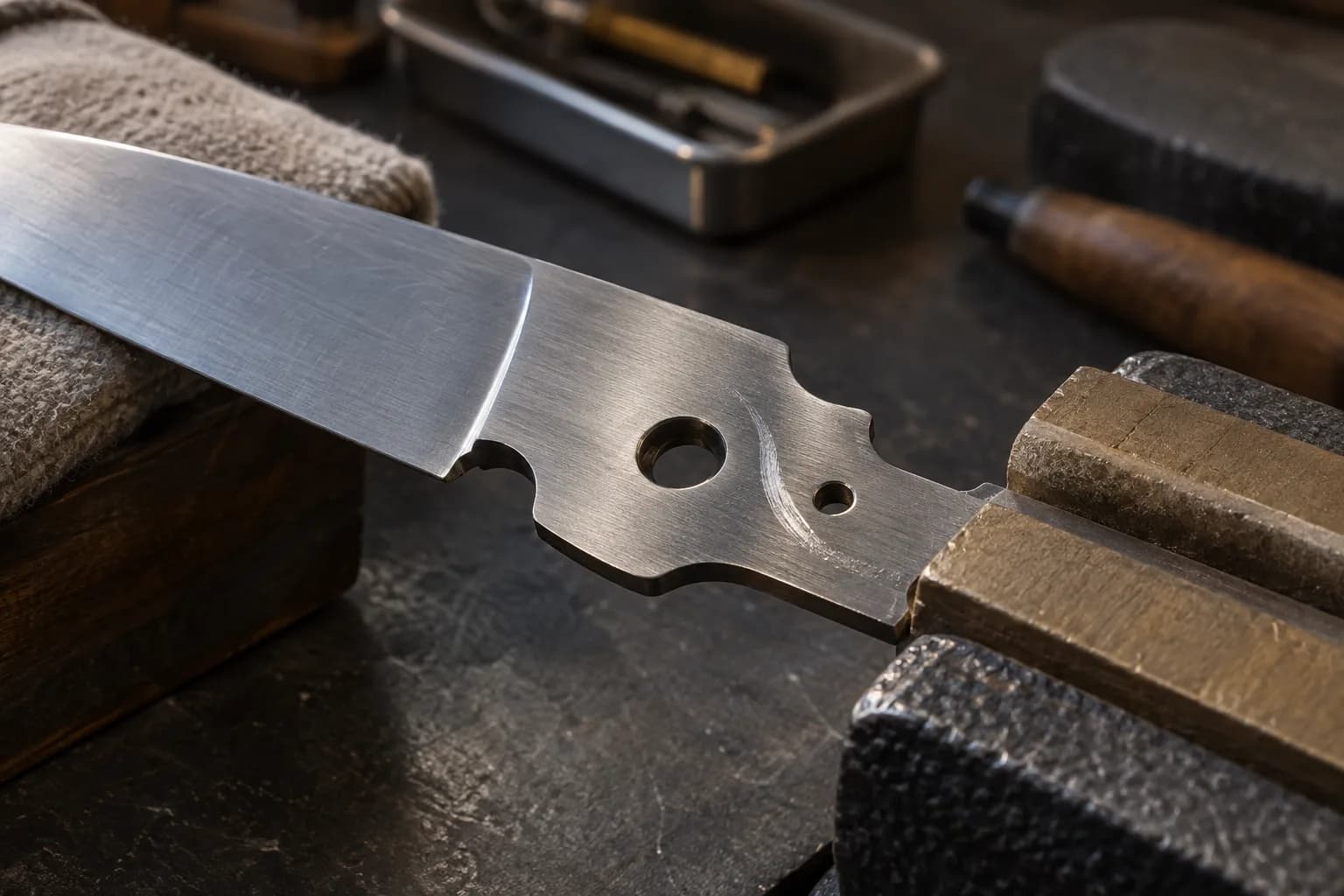
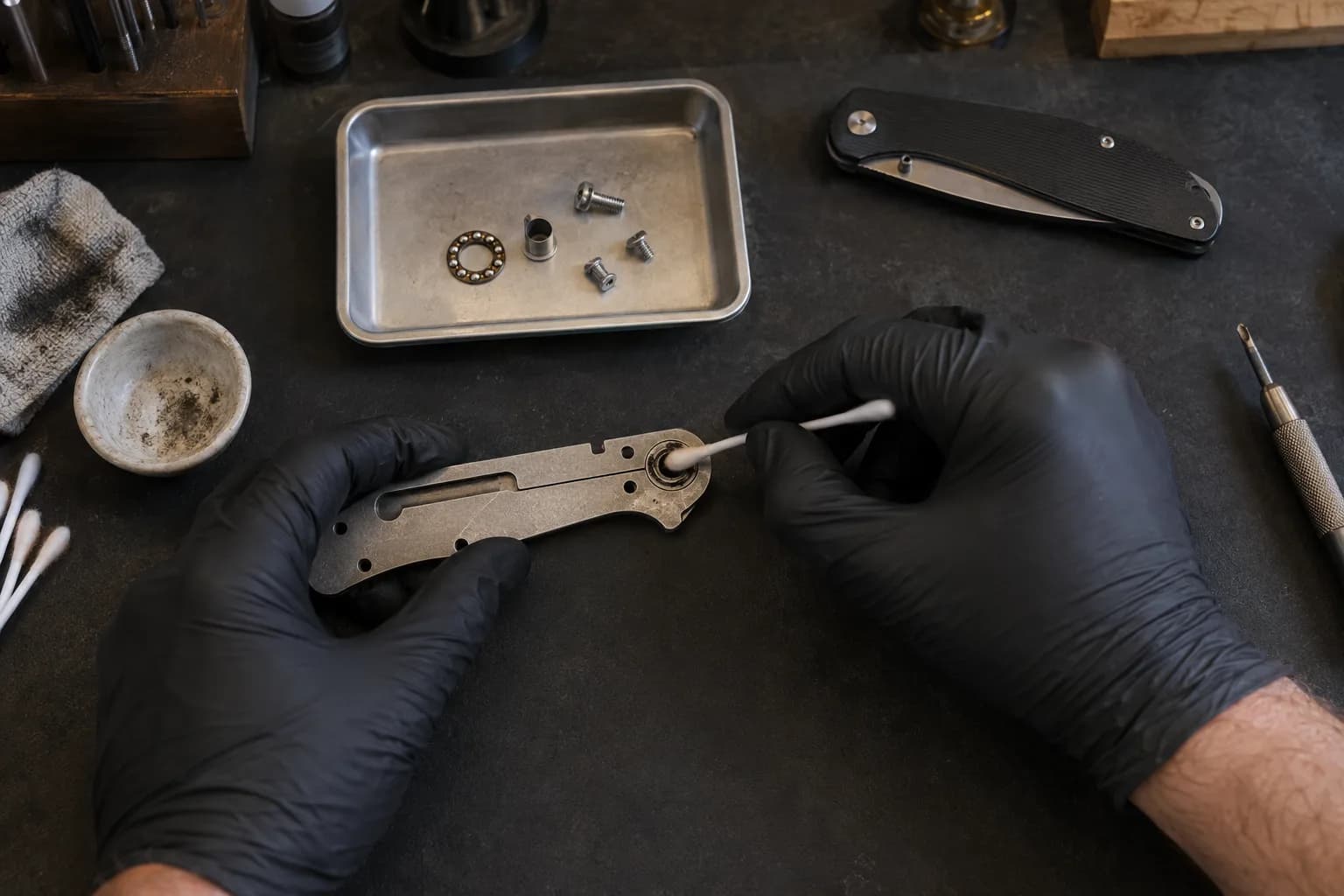
The ball rides the tang’s perimeter through the whole arc — so the track’s finish IS the draw’s feel. Polish the ball’s path to a fine finish (800+), ease the transition where the ball climbs out of its hole, and on hardened tangs expect the track to burnish in over the first hundred cycles. A gritty action with a good pivot is almost always a rough tang track or a galled ball — the detent troubleshooting entry runs the diagnosis.
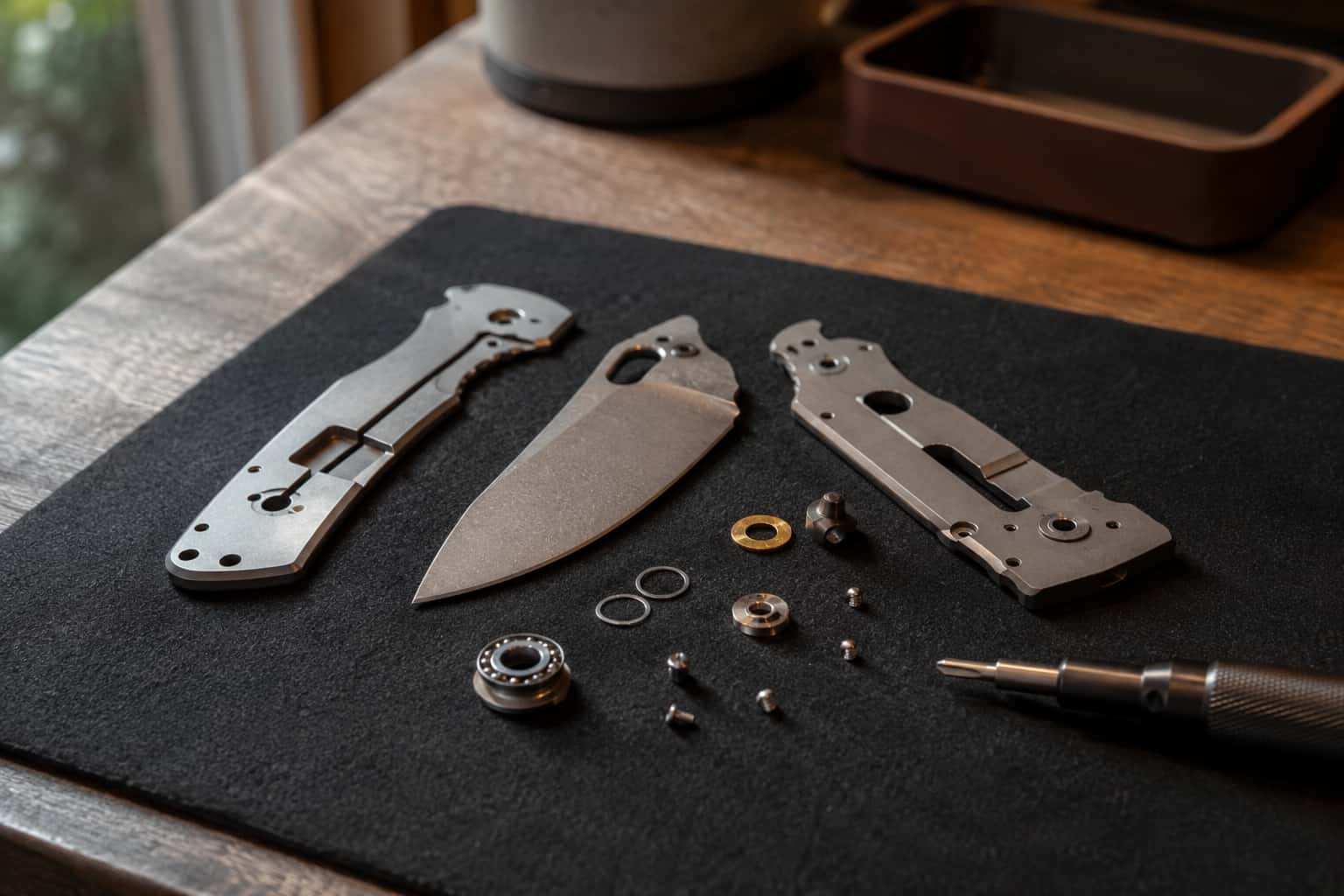
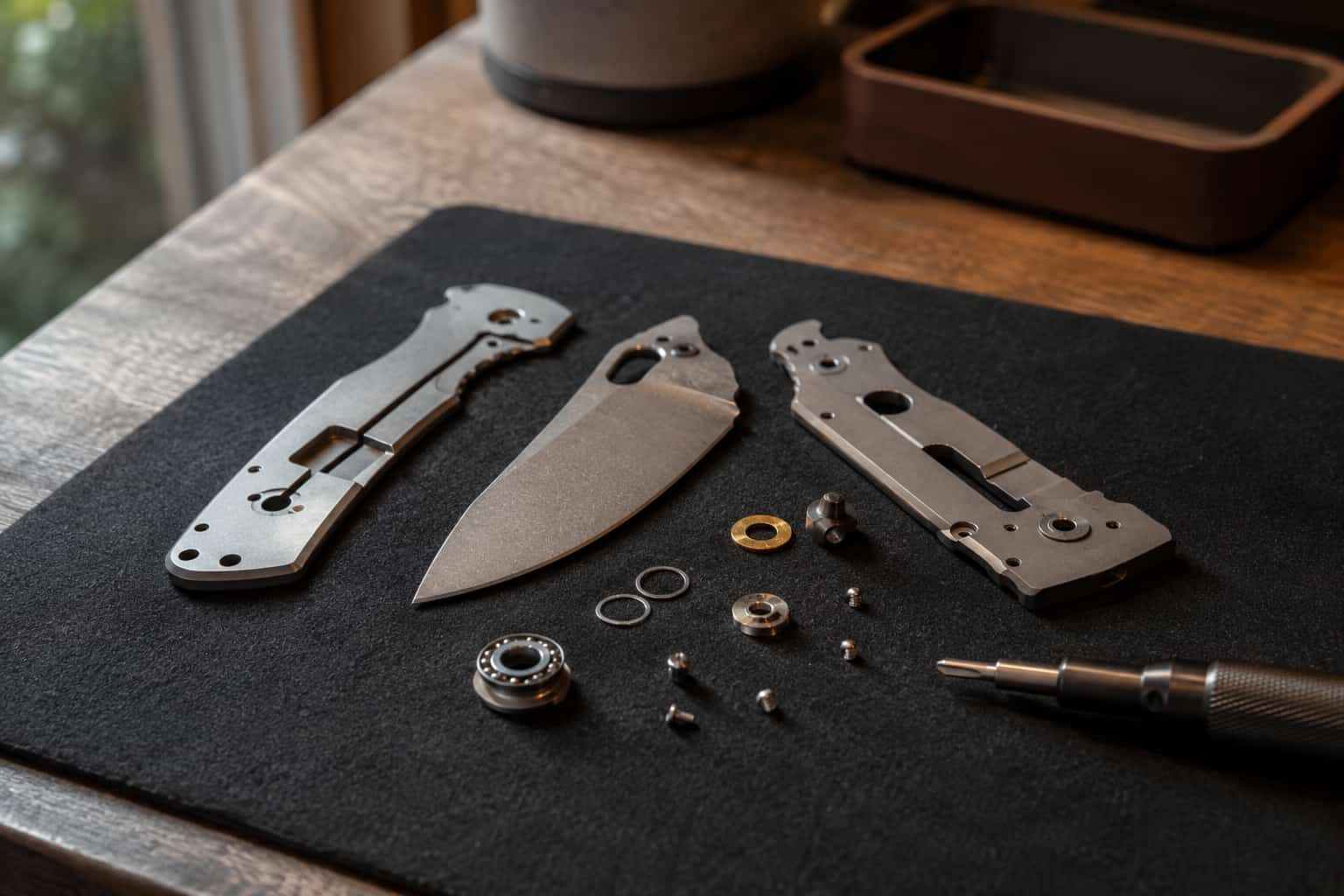
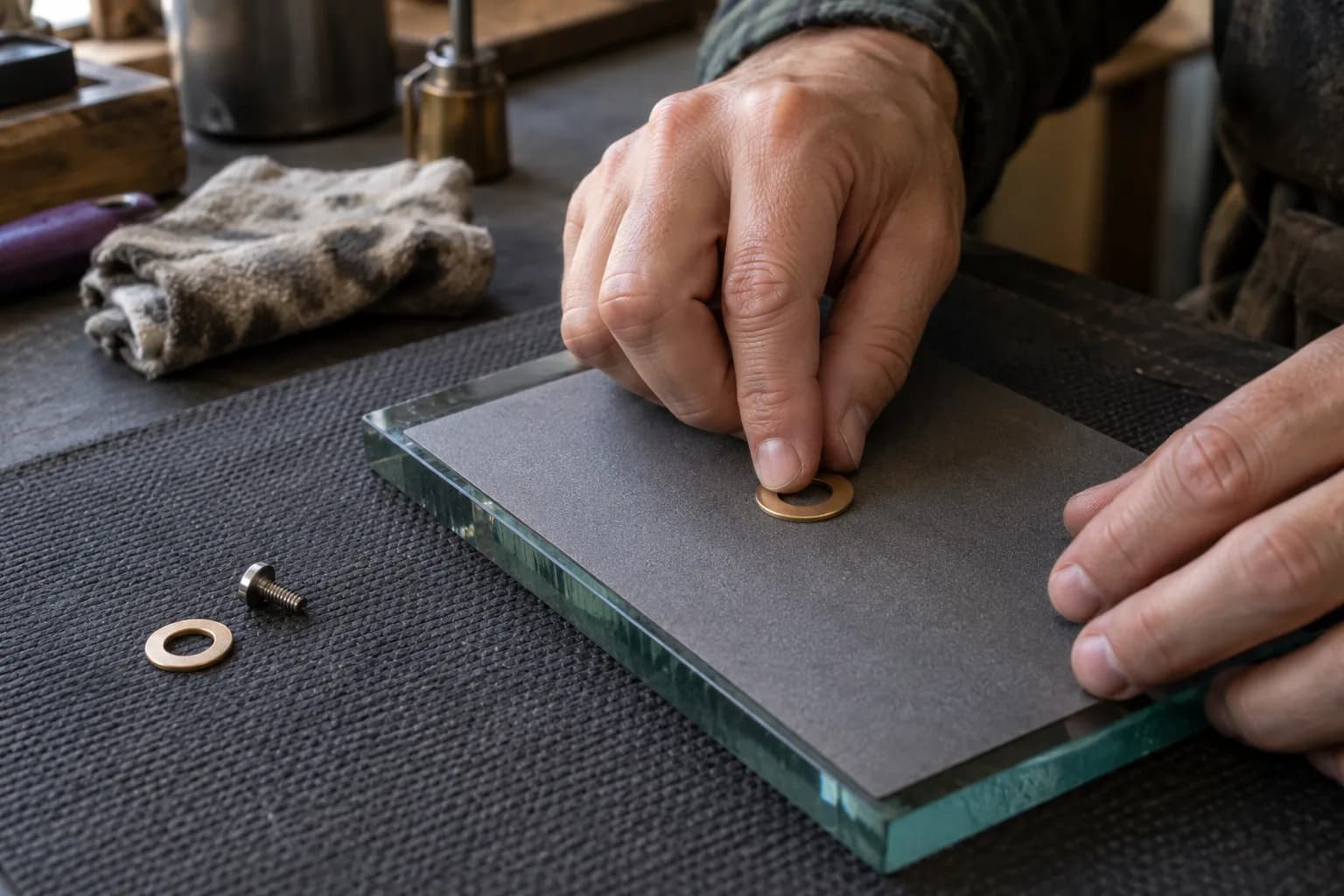
The baseline under everything: tang flats sanded dead flat and polished, washers flattened on a plate (bronze washers ship wavy more often than advertised) and polished both sides, pivot bore square, and tension set at the point where blade drop is free but play is zero — found by feel in eighth-turns, held by thread-locker only at final assembly. Bearing folders swap the washer prep for race-seat cleanliness. This stack is 90% of smooth, which is why anatomy keeps repeating it.
Bar tension serves three masters: detent authority, lock seating pressure, and release effort. Set it at the relief cut (thinning the bar’s root eases it; a new bar starts firm) — enough that the lock seats with a confident click and the detent holds against a hard shake, not so much that release bruises thumbs. On liner locks per the build guide, tension changes also shift detent feel — retune in the order pivot → tension → detent, never backwards.
When a folder feels wrong, run the order: clean and re-oil (half of gritty is debris), pivot tension by eighth-turns, washer/tang inspection for burrs and galling, tang track polish, then detent geometry, then bar tension. One change, fifty cycles, reassess. The glassy action that sells knives at shows is nothing but this list, done patiently, in order.
Keep reading
Three more from the same bench.
The liner lock is the modern folder’s default mechanism and the standard first LOCKING build: every part is visible, every adjustment reachable, every…
A fixed blade is a shape; a folder is a MACHINE — a dozen parts in moving agreement, where a thousandth of an inch is the difference between glass-smooth…
The slipjoint is the folder the twentieth century carried: no lock, just a spring bar riding the blade’s tang cam — biased closed, biased open, with the…
Same bench
I machine the parts, hand-assemble, track and test Torus grinders in Sterling, Illinois. Most orders ship in seven to ten business days from time of order.
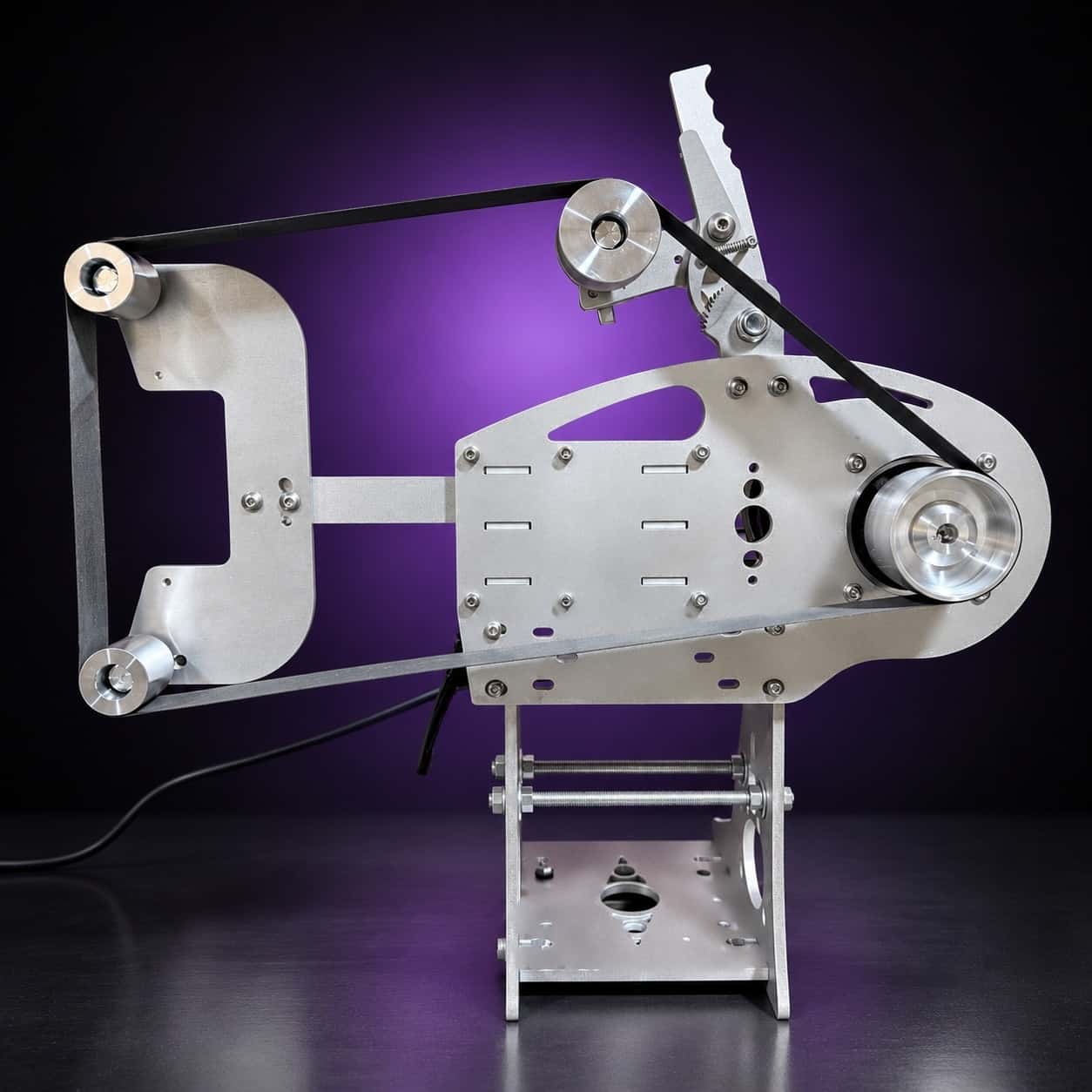
Current dual-axis platform with a fiber-laser-cut 6061 chassis and single-knob tracking.
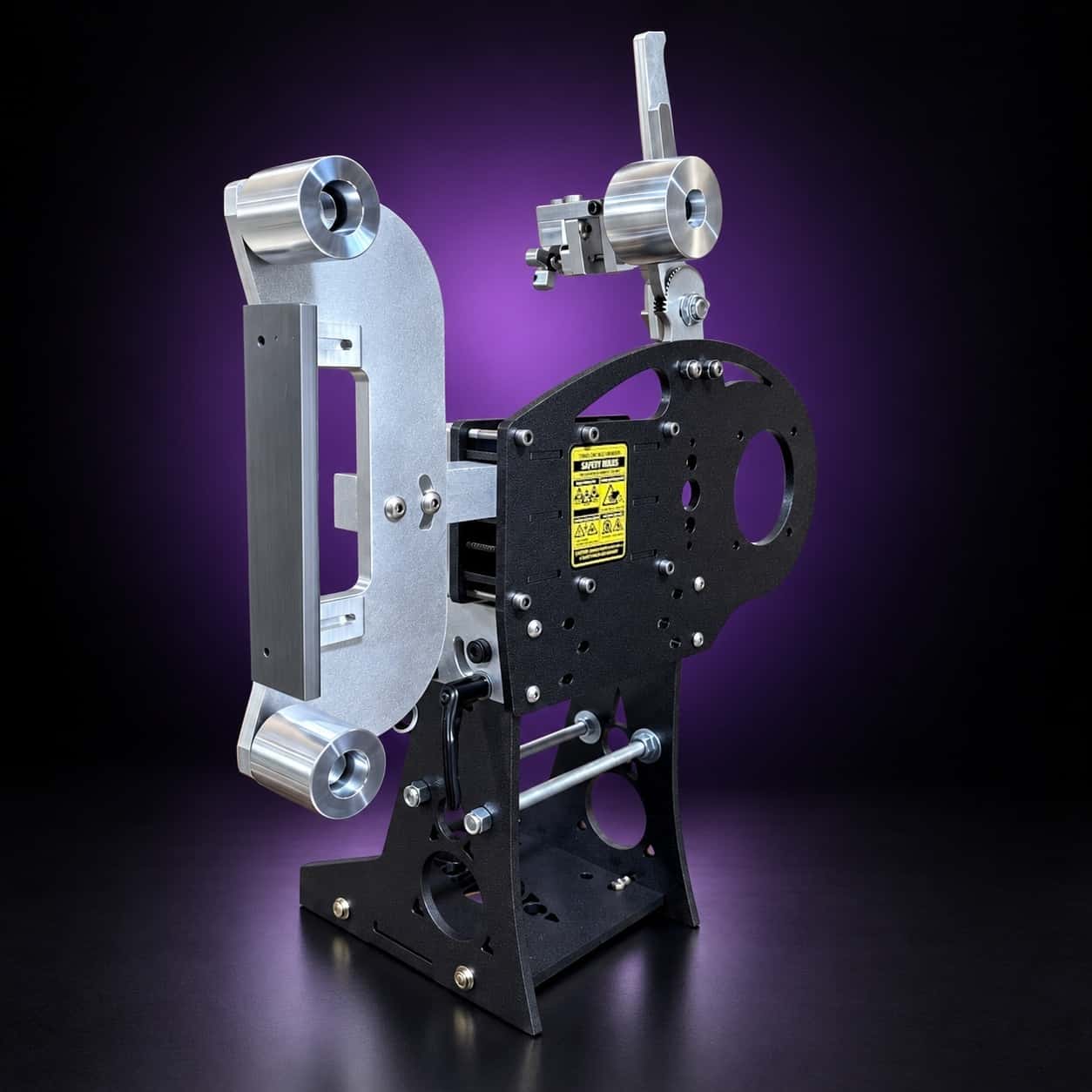
Current dual-axis platform with a steel chassis, more mass and less vibration.
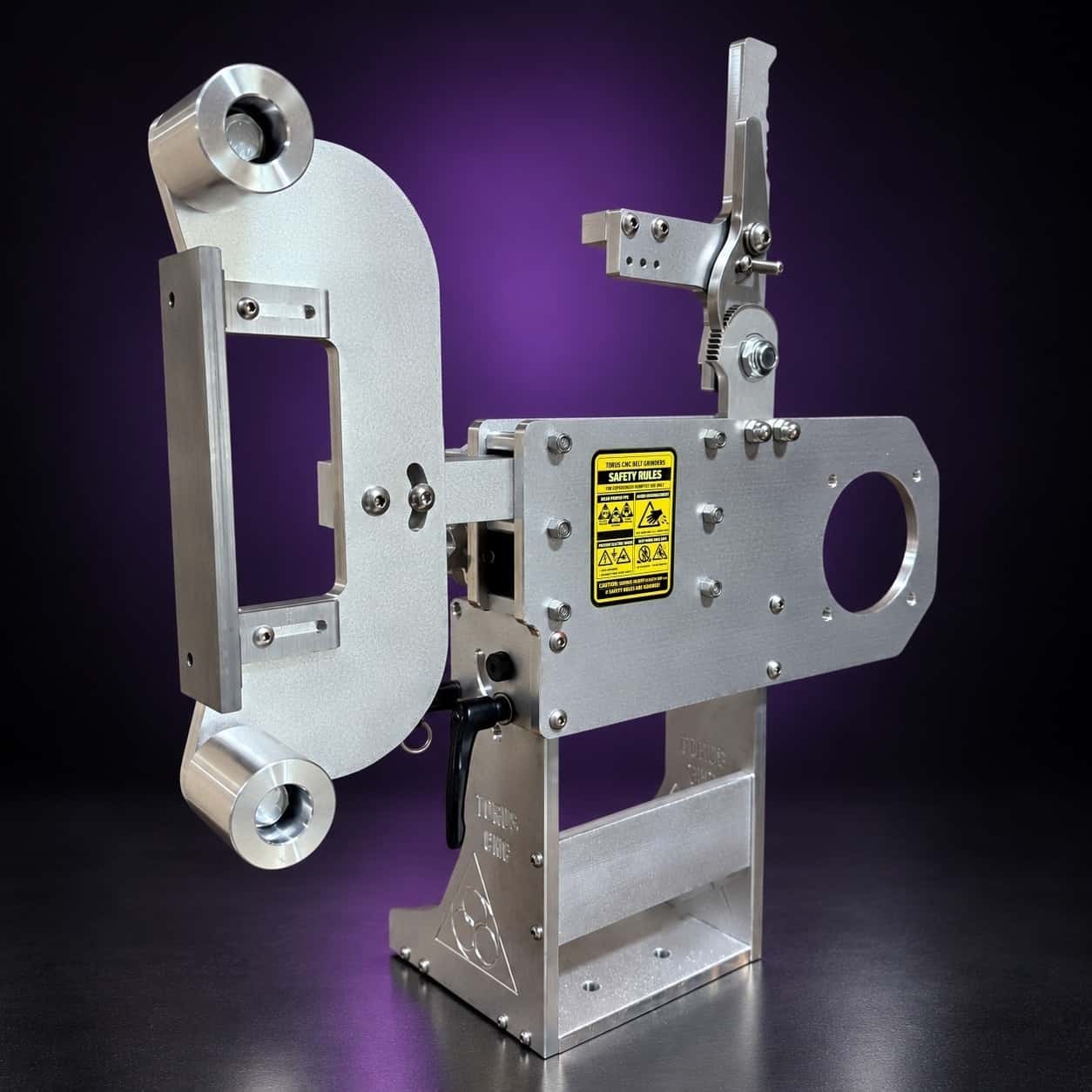
Prior-design aluminum chassis, 90-degree tilt and 1.5-inch tooling arms.
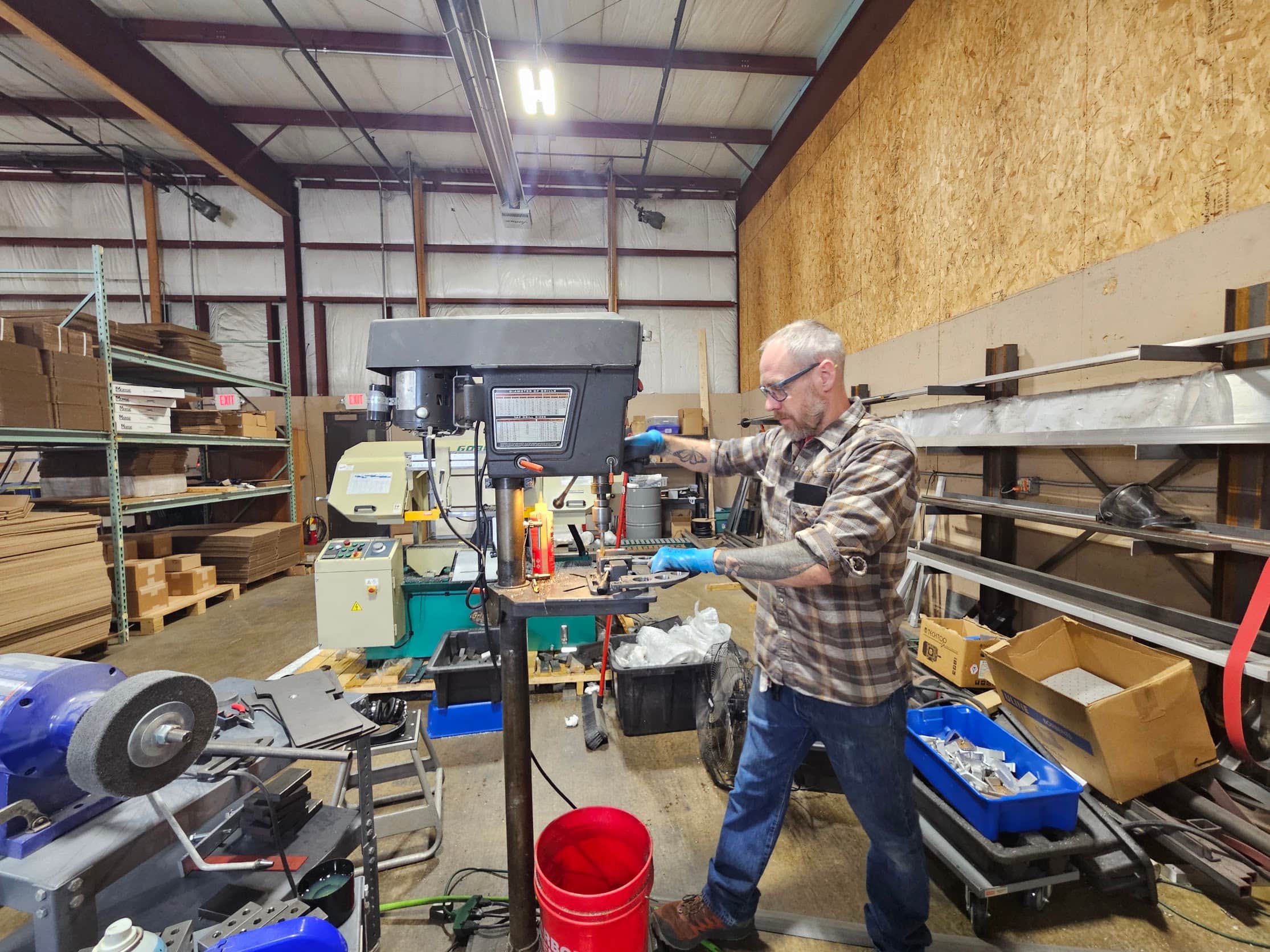
One-man shop
I answer my own email. Tell me the steel, the machine and what it is doing, and I will tell you what I would try next.