
Heat Treat
Heat Treating Knife Steel: Complete Guide
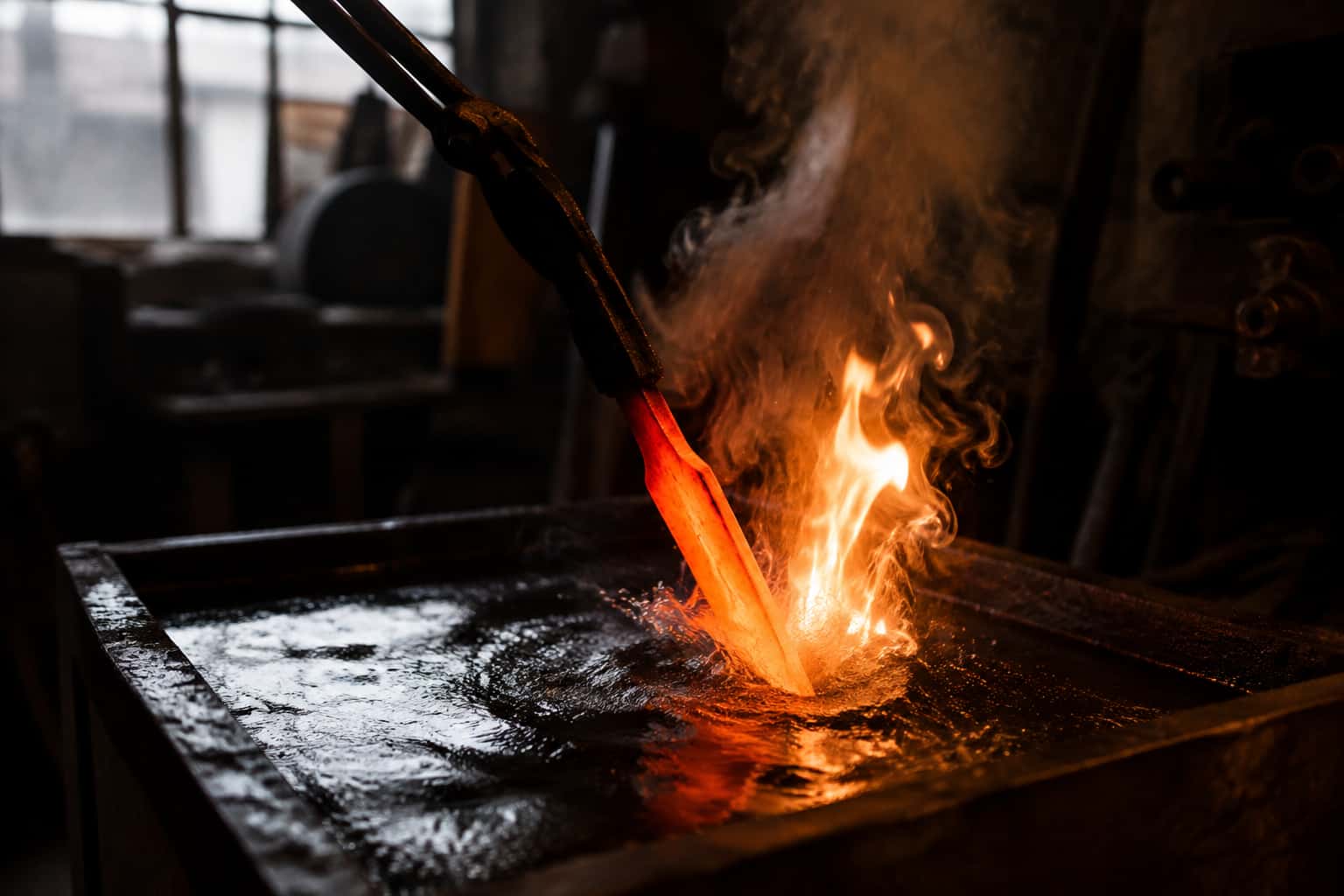
Heat treating is what turns a piece of flat bar stock into a functional knife blade. Done correctly, it transforms the steel’s internal crystal structure…
Beginner Guides
A simple, honest guide to picking your first knifemaking steel, and which ones to avoid starting with. Free guide from Torus CNC's ForgeBrain.
2 min readWritten by Rich LinvilleFree to read
With dozens of knife steels to choose from, picking your first one can feel overwhelming. The good news: for a first knife, the right answer is almost always simpler than the internet makes it sound. (Want the fast version? The 4-question Steel Selector runs this whole guide’s logic in thirty seconds.)
If you’re forging or doing stock removal for the first time, a plain high-carbon steel is the right starting point, not because premium stainless steels are bad, but because simple steels are forgiving of mistakes while you’re still learning heat treat and grinding fundamentals. 1084 is the single most recommended first steel: it hardens reliably in ordinary oil, grinds easily, and gives you a real feel for the whole process without punishing small errors.
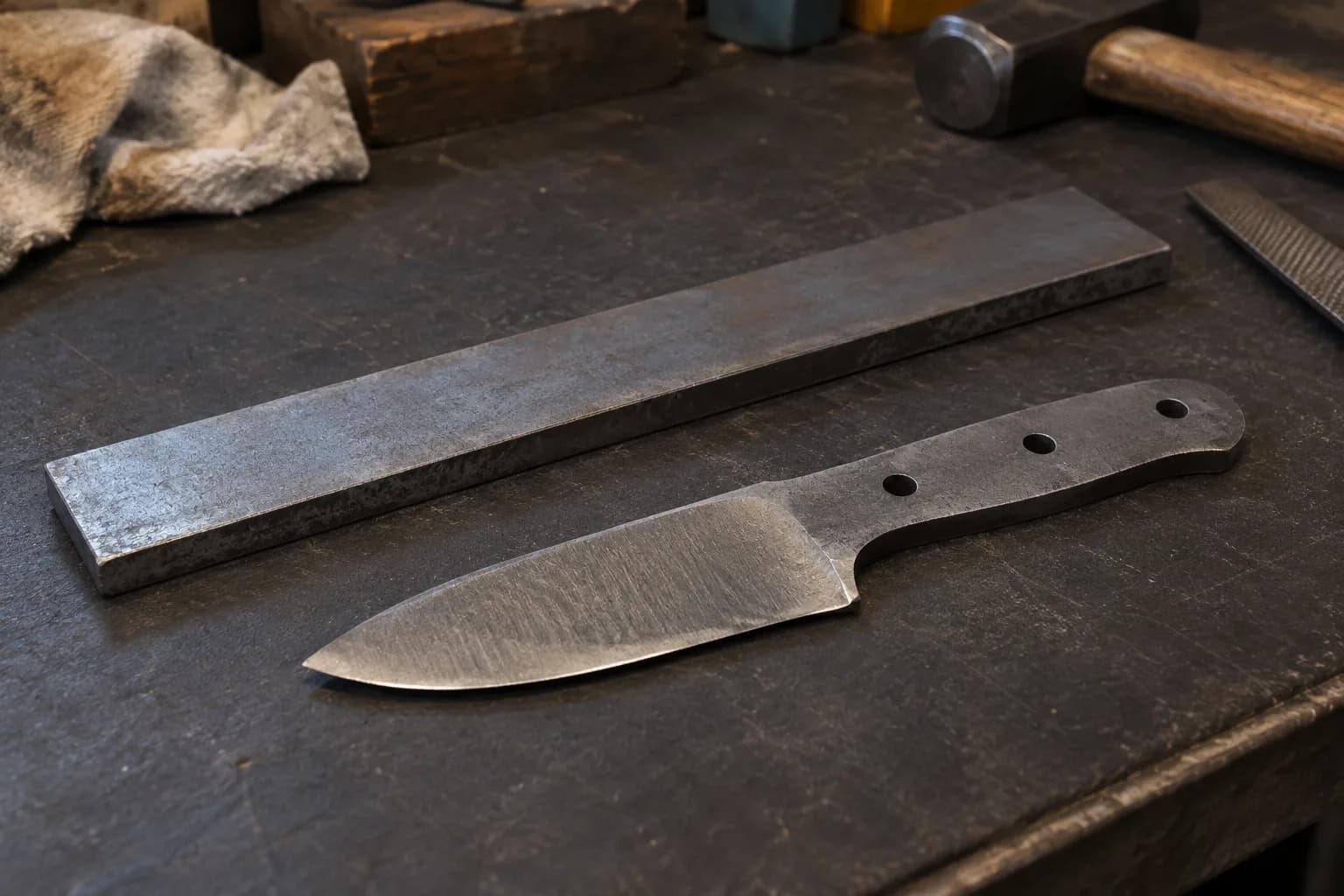
80CrV2 performs almost identically and is an equally good choice. Avoid 1095 as an absolute first steel, it needs a faster, less forgiving quench than 1084 and is more likely to warp or crack while you’re still dialing in technique.
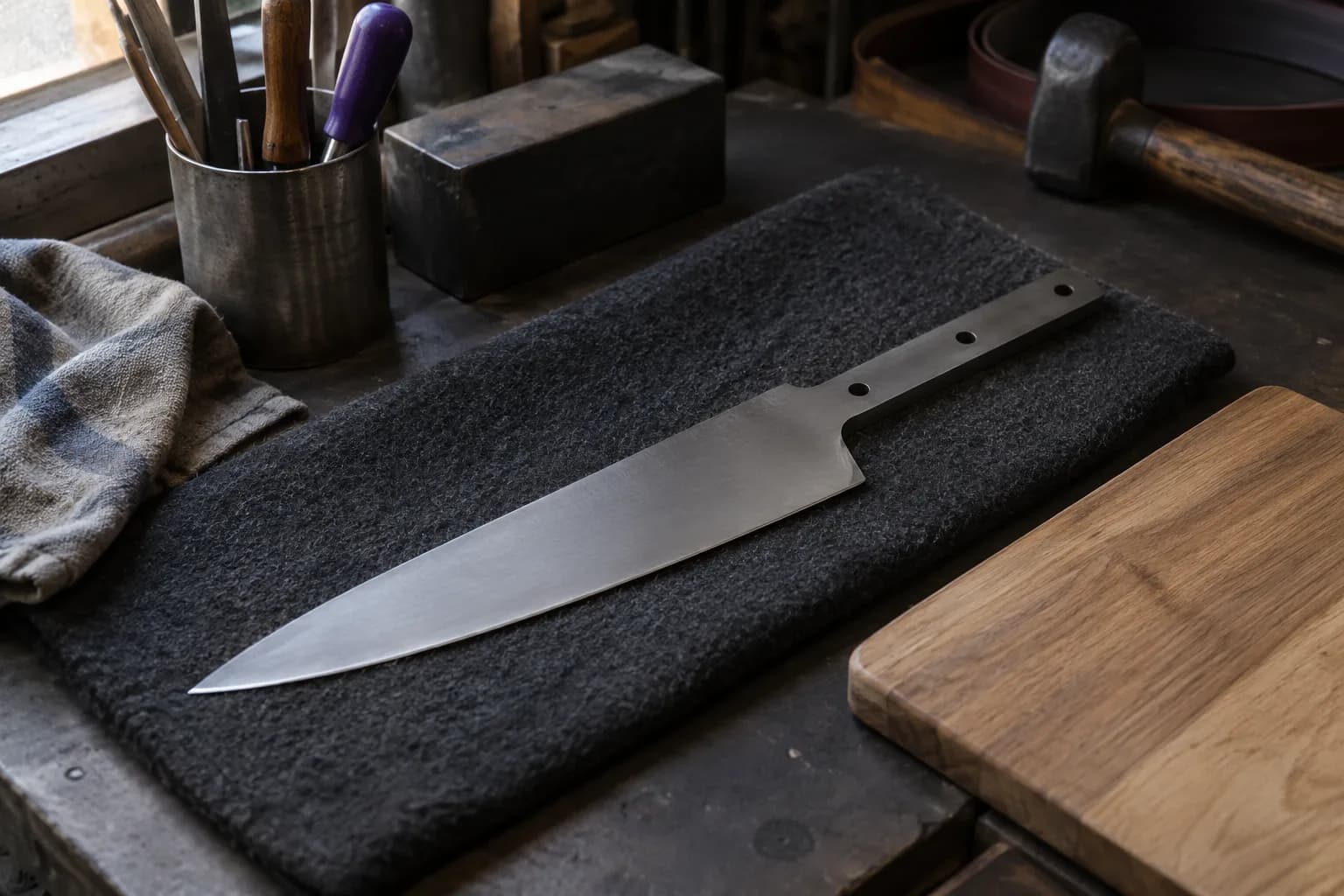
AEB-L is the closest stainless equivalent to 1084 in terms of forgiveness: it’s tough, grinds easily, and doesn’t demand exotic heat-treat equipment. If you specifically want to build a kitchen knife first, AEB-L is a genuinely excellent choice, not just a beginner compromise.
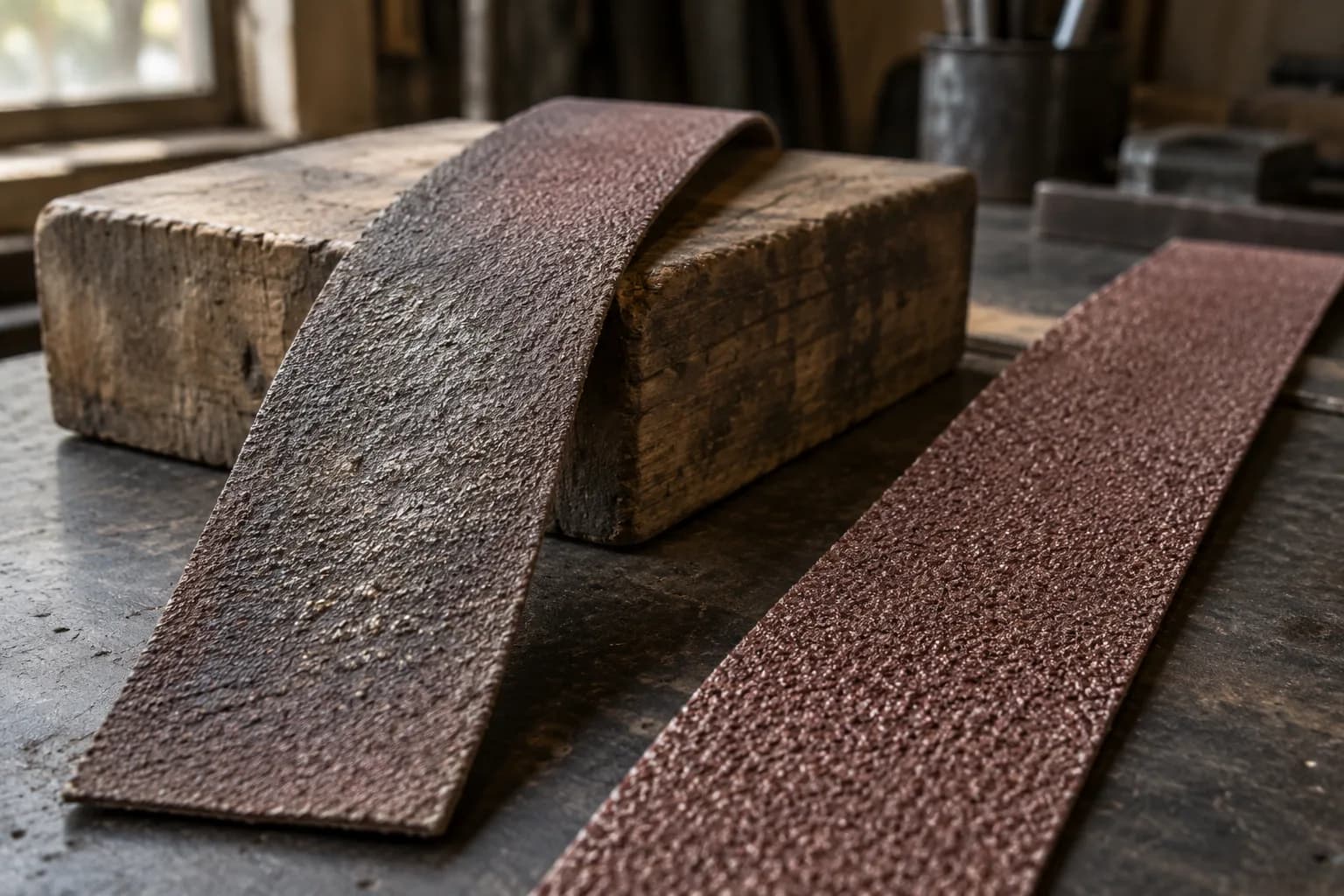
Steer clear of high-carbide powder-metallurgy steels like CPM 20CV, CPM S30V, or CPM M4 for your first project. They demand precise, often professional-grade heat treatment, wear through belts fast, and are genuinely difficult to sharpen without diamond abrasives. None of that is a good match for a first attempt where you’re still learning basic technique.
Once you’ve built a knife or two and have a feel for grinding and heat treating, browse the full Knife Steel Database and use the ratings (toughness, edge retention, corrosion resistance, machinability) to match a steel to your next project’s actual needs rather than picking whatever is trending. See our companion guide, Understanding Knife Steel Ratings, for how to read those numbers.
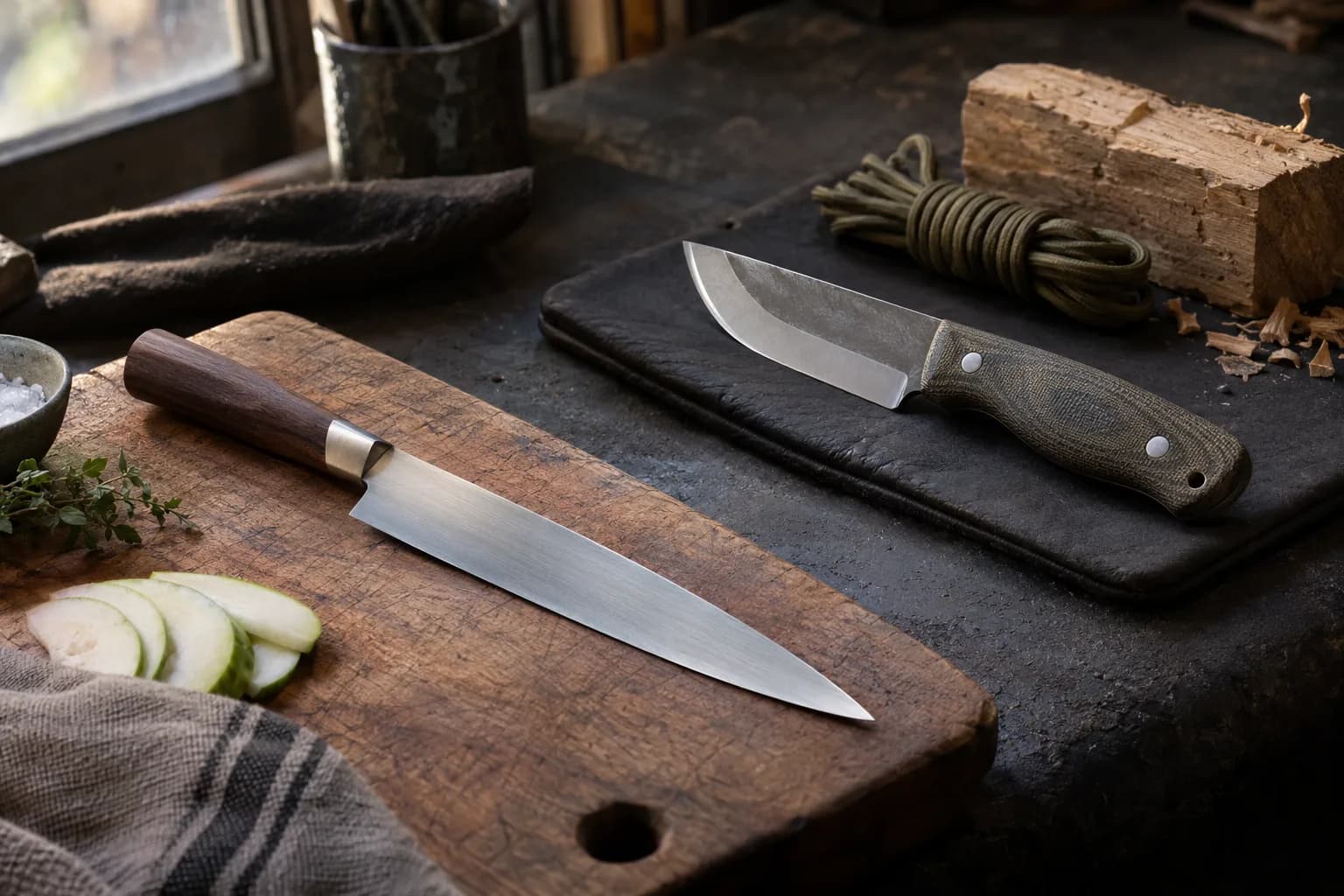
1084, for the vast majority of new makers. It hardens reliably in ordinary oil, is easy to grind, and is forgiving of the mistakes everyone makes on their first few blades.
Yes, AEB-L is a strong first stainless choice with a similar forgiveness profile to 1084.
These steels demand more precise heat treatment and are harder to grind and sharpen. Learning the fundamentals on a forgiving steel first will serve you better than fighting a demanding one from day one.
Keep reading
Three more from the same bench.
Heat treating is what turns a piece of flat bar stock into a functional knife blade. Done correctly, it transforms the steel’s internal crystal structure…
Most beginner knifemaking problems trace back to a handful of repeat mistakes, not bad luck or bad steel. Here are the ones that trip up new makers most…
Knifemaking has its own vocabulary, and a lot of guides (including this one) assume you already know it. Here’s every term you’ll actually run into…
Same bench
I machine the parts, hand-assemble, track and test Torus grinders in Sterling, Illinois. Most orders ship in seven to ten business days from time of order.
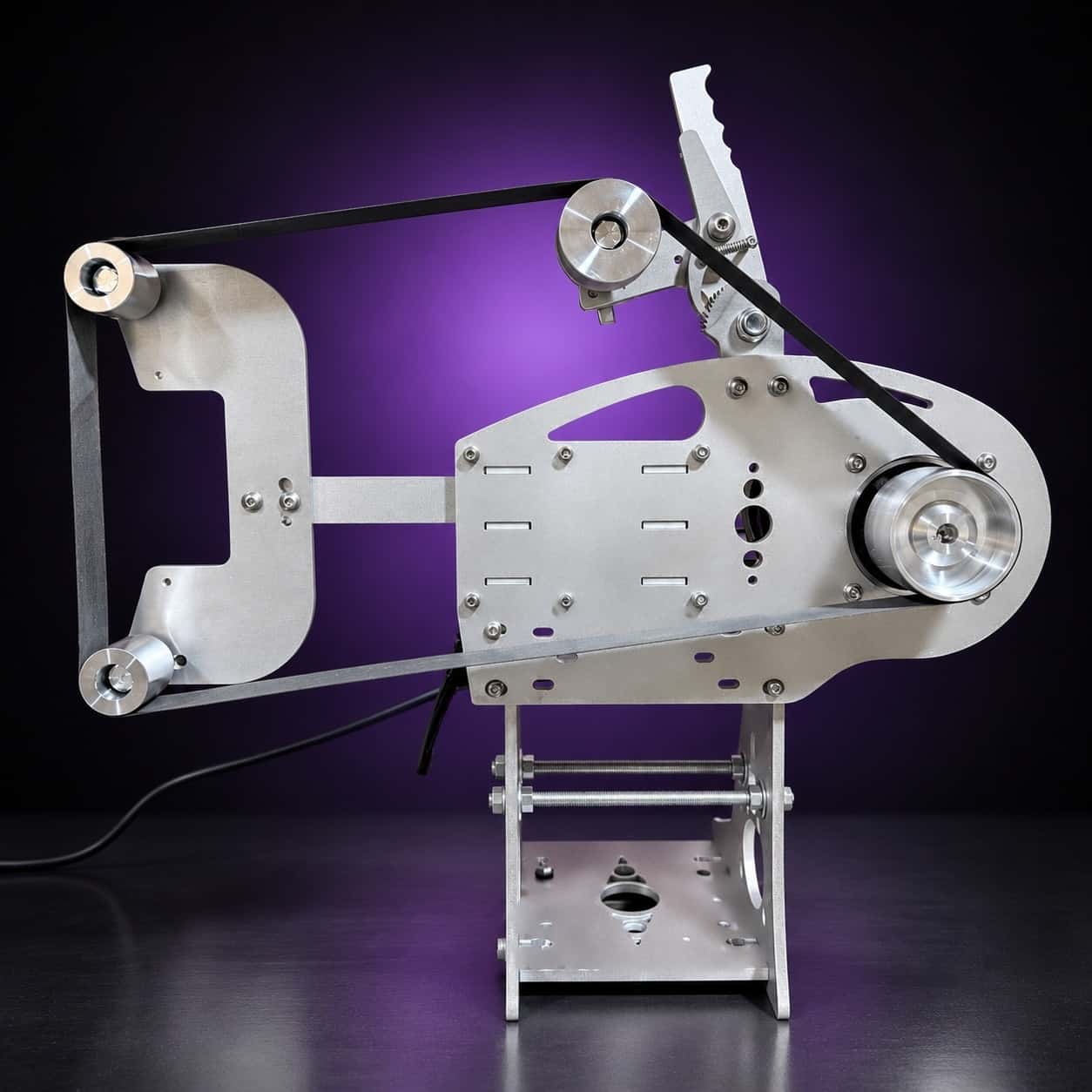
Current dual-axis platform with a fiber-laser-cut 6061 chassis and single-knob tracking.
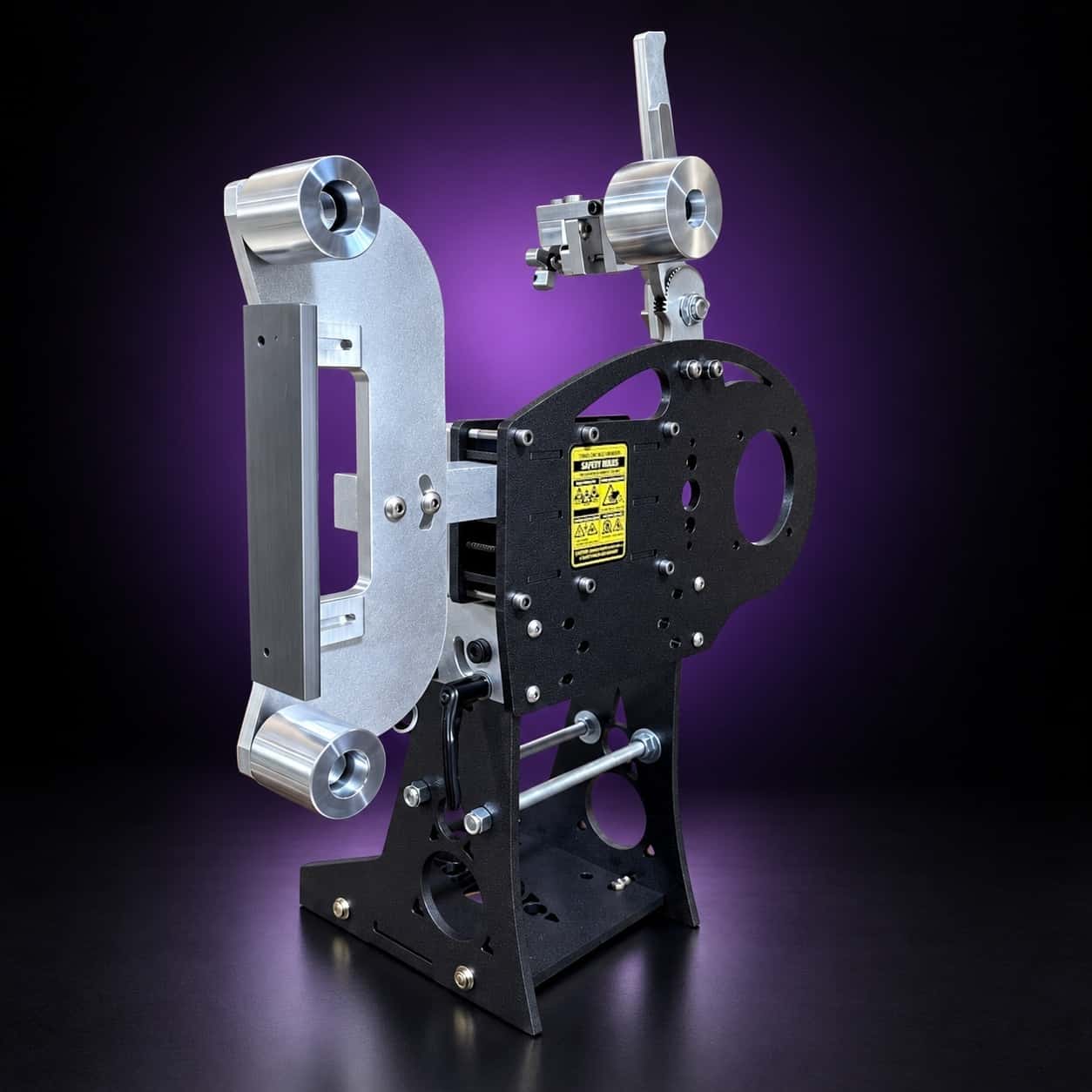
Current dual-axis platform with a steel chassis, more mass and less vibration.
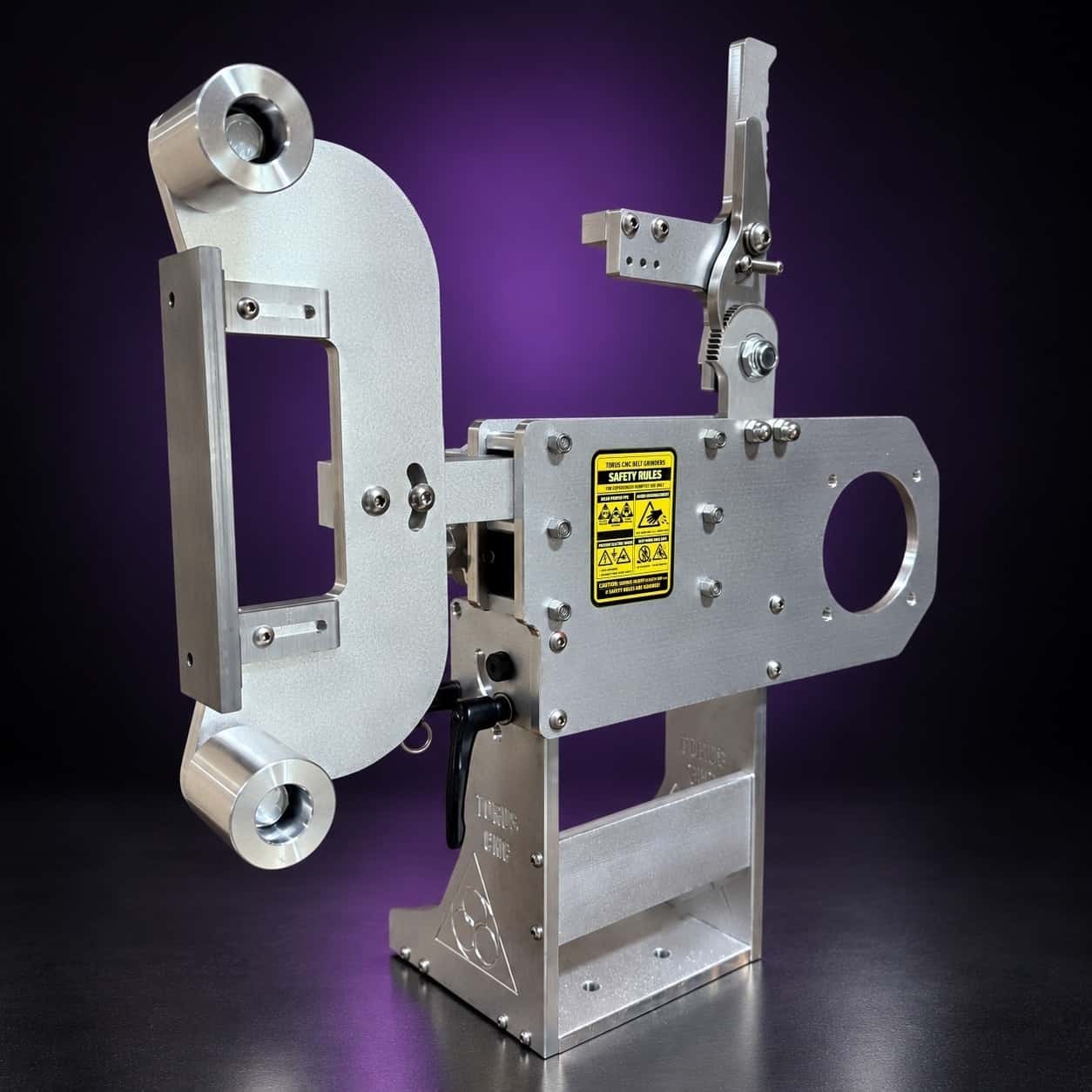
Prior-design aluminum chassis, 90-degree tilt and 1.5-inch tooling arms.
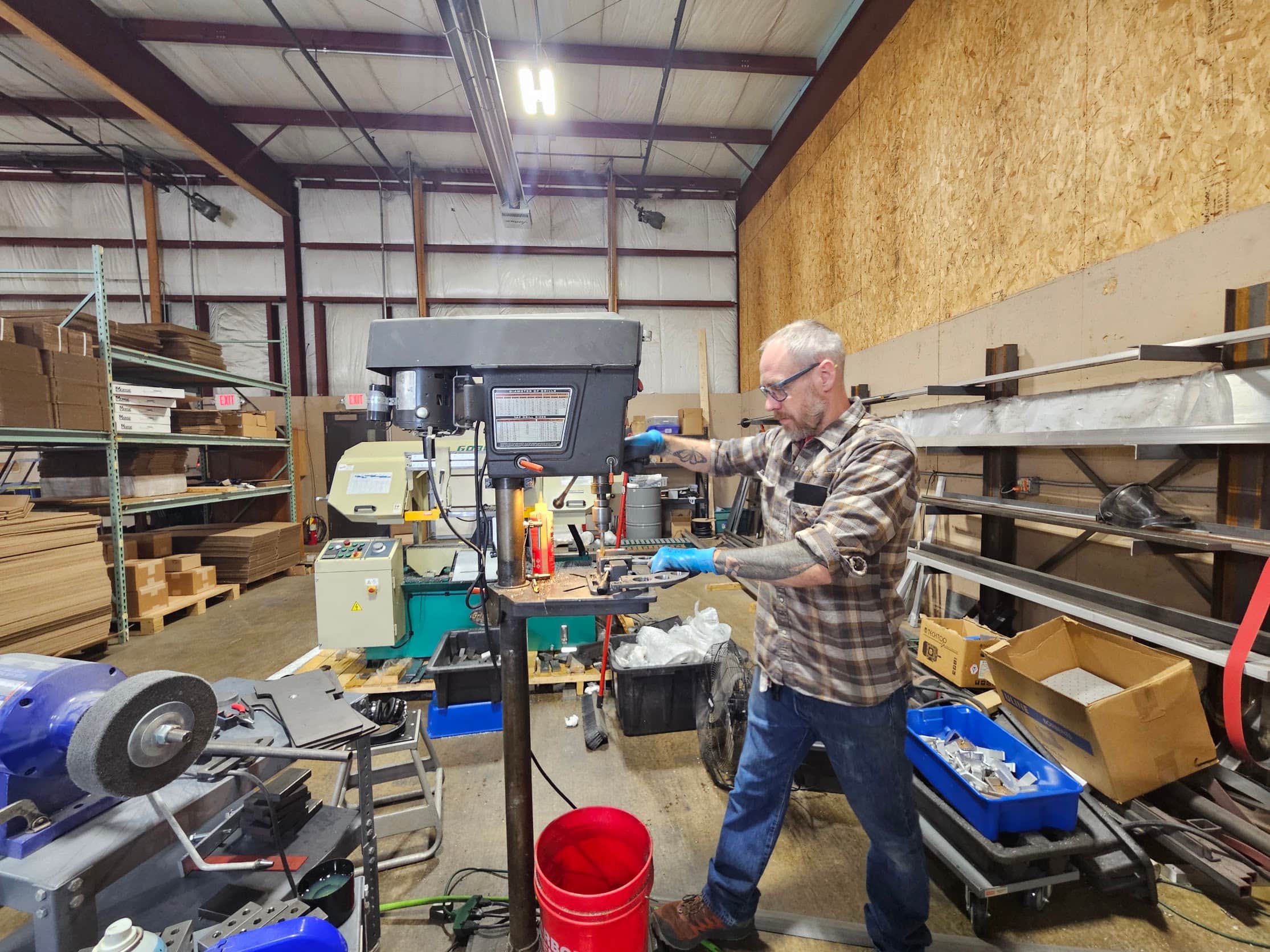
One-man shop
I answer my own email. Tell me the steel, the machine and what it is doing, and I will tell you what I would try next.