
Beginner Guides
Basic Knife Anatomy & Terminology
Knifemaking has its own vocabulary, and a lot of guides (including this one) assume you already know it. Here’s every term you’ll actually run into…
Beginner Guides
ForgeBrain rates every steel 1-5 on toughness, edge retention, corrosion resistance and machinability. How to read them, and why no steel wins everywhere.
2 min readWritten by Rich LinvilleFree to read
Every steel in the Knife Steel Database is rated 1-5 across four properties: toughness, edge retention, corrosion resistance, and machinability. Here’s what those numbers actually mean and how to use them when picking a steel.
Toughness measures how resistant a steel is to chipping, cracking, or snapping under impact. A steel rated 5 (like 1075 or CPM 3V) will survive hard use, batoning, chopping, prying, without failing. A steel rated 1 or 2 needs gentler treatment and is better suited to controlled cutting tasks than abuse. Toughness and edge retention almost always trade off against each other: the alloy features that create wear-resistant carbides also tend to make a steel more brittle.
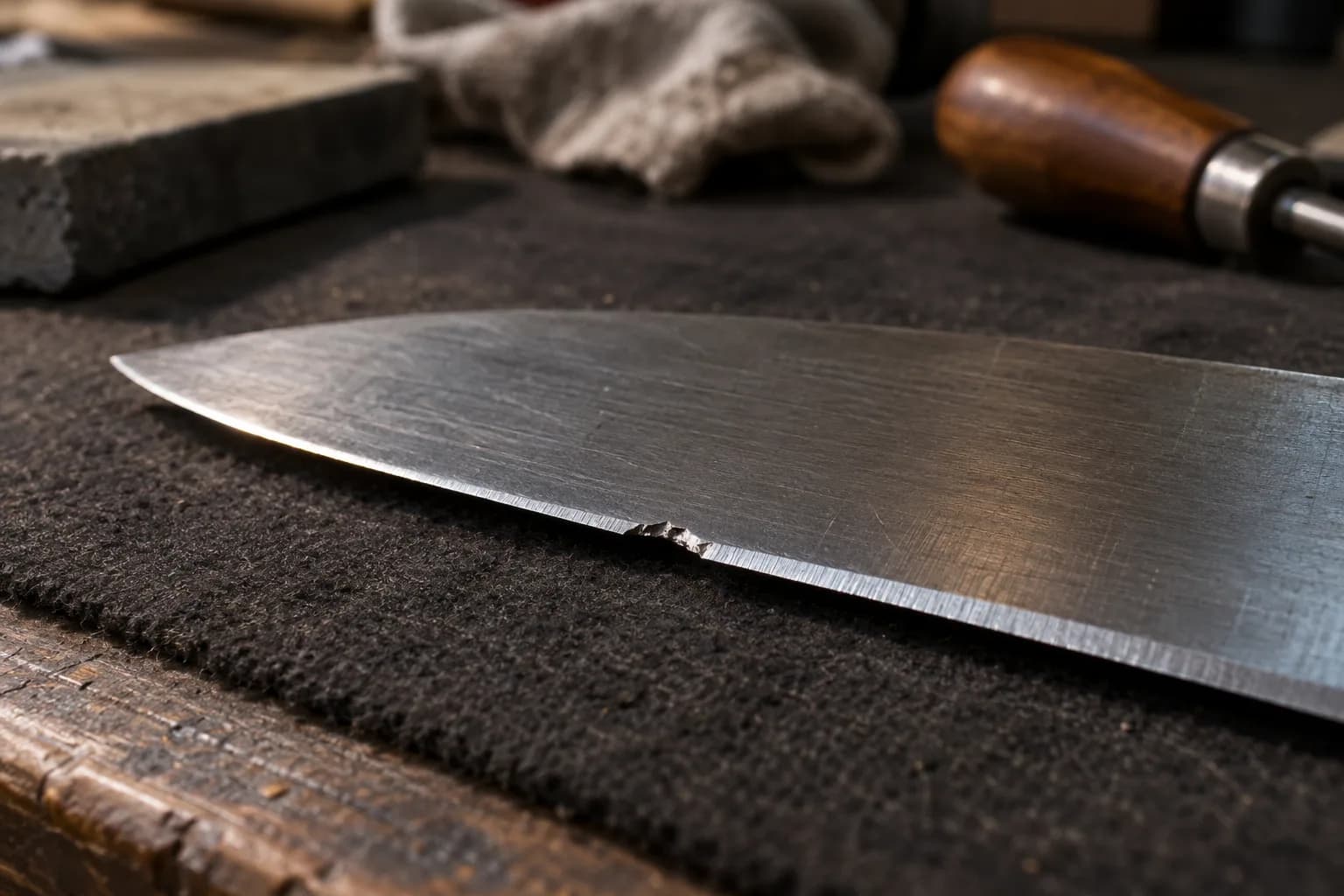
Edge retention measures how long a steel holds a working edge before it needs to be touched up. Higher-carbide steels rated 4-5 (like CPM 20CV or CPM M4) hold an edge far longer between sharpenings, but that wear resistance also makes them slower and more demanding to sharpen in the first place. Simple steels rated 2 need more frequent touch-ups but sharpen quickly and easily.
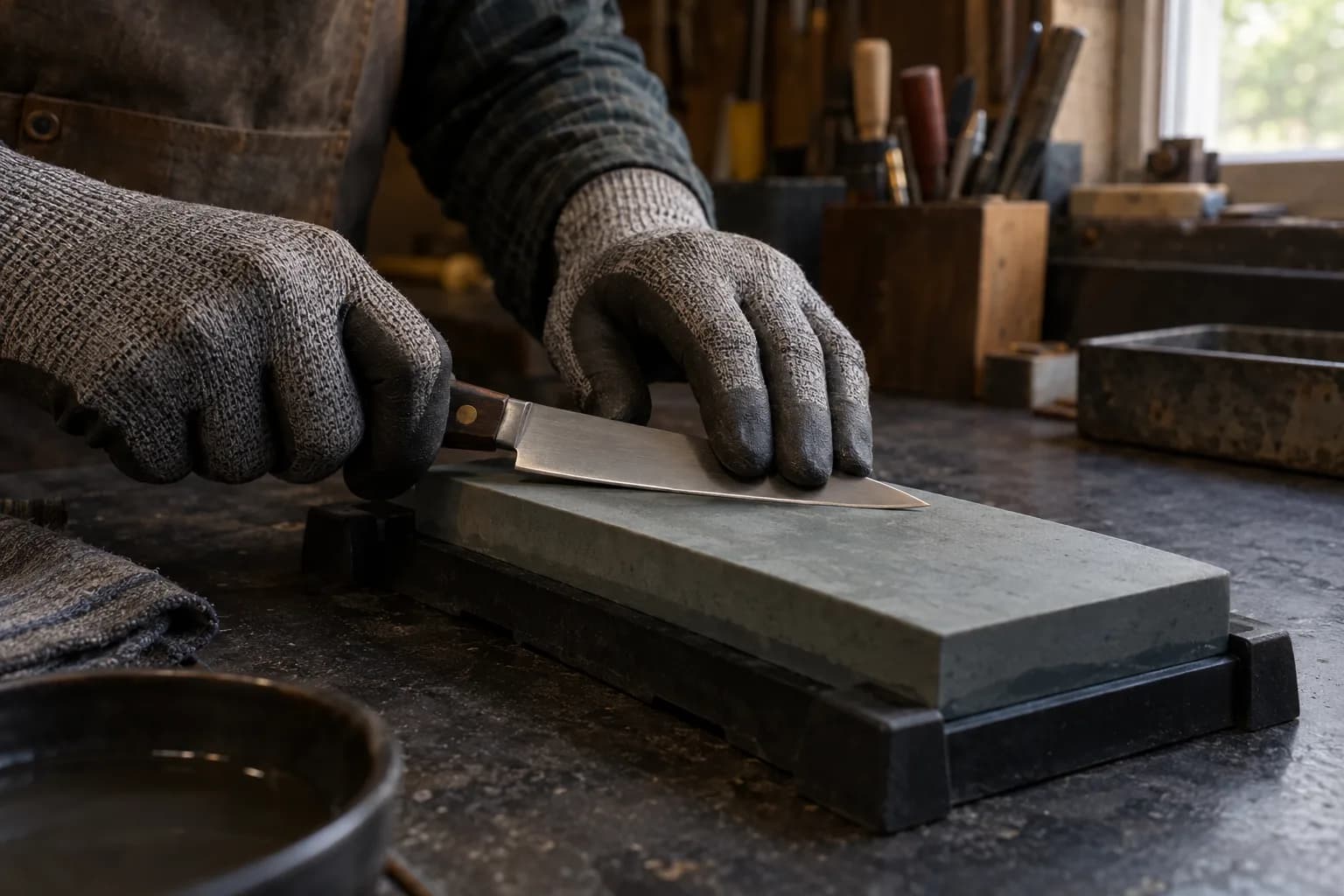
This measures how resistant a steel is to rust and staining. A rating of 4-5 means genuine stainless performance, safe for kitchen or wet-environment use without much extra care. A rating of 1-2 means the steel needs regular oiling and drying, plain carbon and most tool steels fall in this range regardless of how tough or wear-resistant they are.
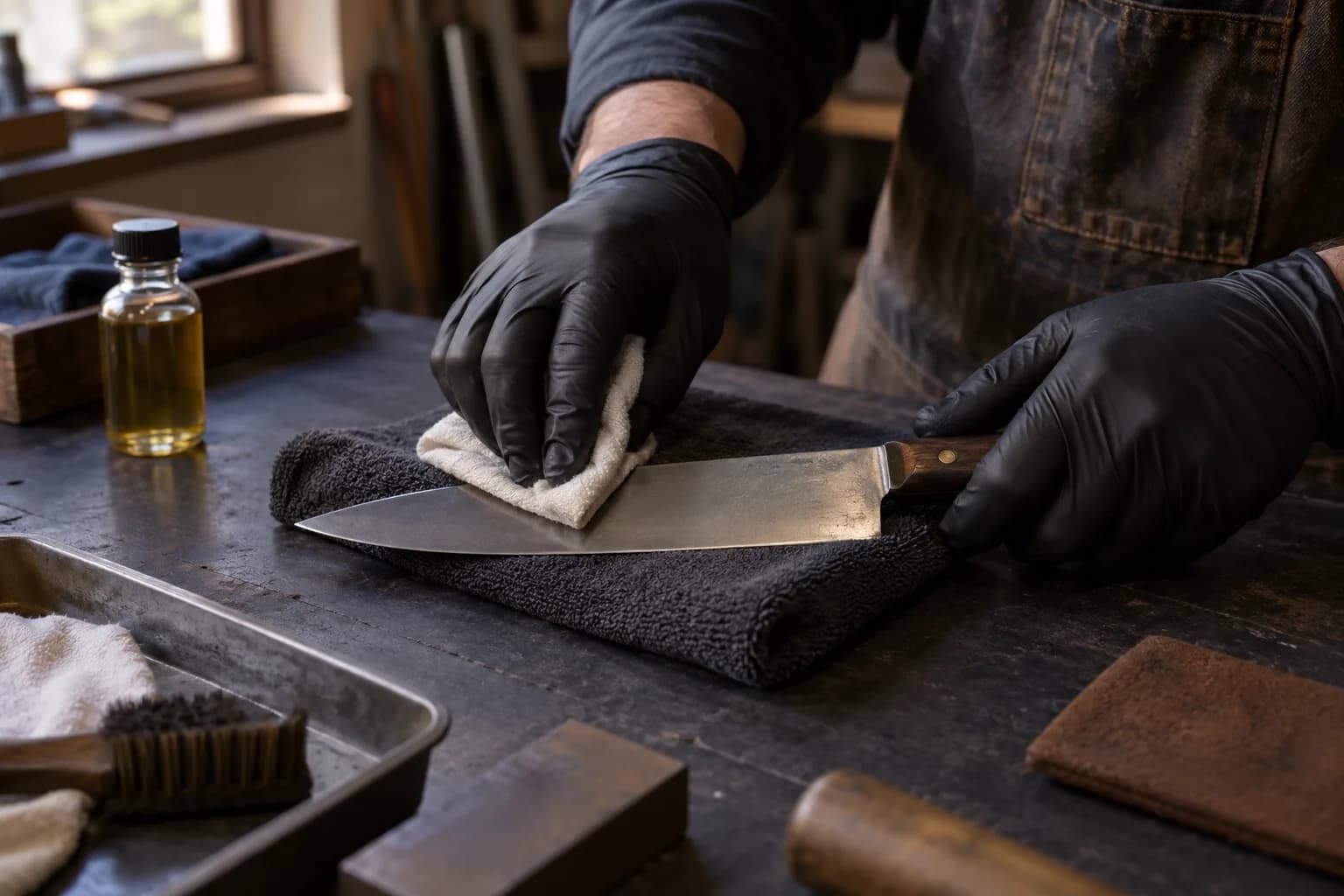
Machinability measures how easy a steel is to grind, drill, and finish in the shop. A rating of 5 means the steel grinds fast with standard belts and minimal fuss, ideal for beginners or high-volume work. A rating of 1-2 means expect slower grinding, more belt wear, and likely a need for ceramic belts and diamond sharpening abrasives.

No steel scores high across all four categories, that tradeoff is fundamental to alloy design, not a gap in the data. Instead of looking for the “best” steel, decide which one or two properties actually matter for your specific project, then filter for those. A camp knife or chopper wants high toughness above all else. A kitchen knife wants a good machinability and edge retention balance with real corrosion resistance. A premium EDC folder can prioritize edge retention and accept a more demanding grind. Once you know your priority, the Knife Steel Database and its head-to-head comparisons make the actual decision straightforward.
No such steel exists in practice. Every alloy design trades one property for another; a steel that appears to rate well everywhere usually means it’s simply well-balanced, not dominant in any one area.
Machinability. A steel that’s easy to grind and forgiving to heat treat lets you focus on learning technique instead of fighting the material.
Yes, the underlying steel properties don’t change based on how the blade is shaped, though forged blades add heat-treat considerations (like hardenability in a given quenchant) that are covered on each steel’s own page.
Keep reading
Three more from the same bench.
Knifemaking has its own vocabulary, and a lot of guides (including this one) assume you already know it. Here’s every term you’ll actually run into…
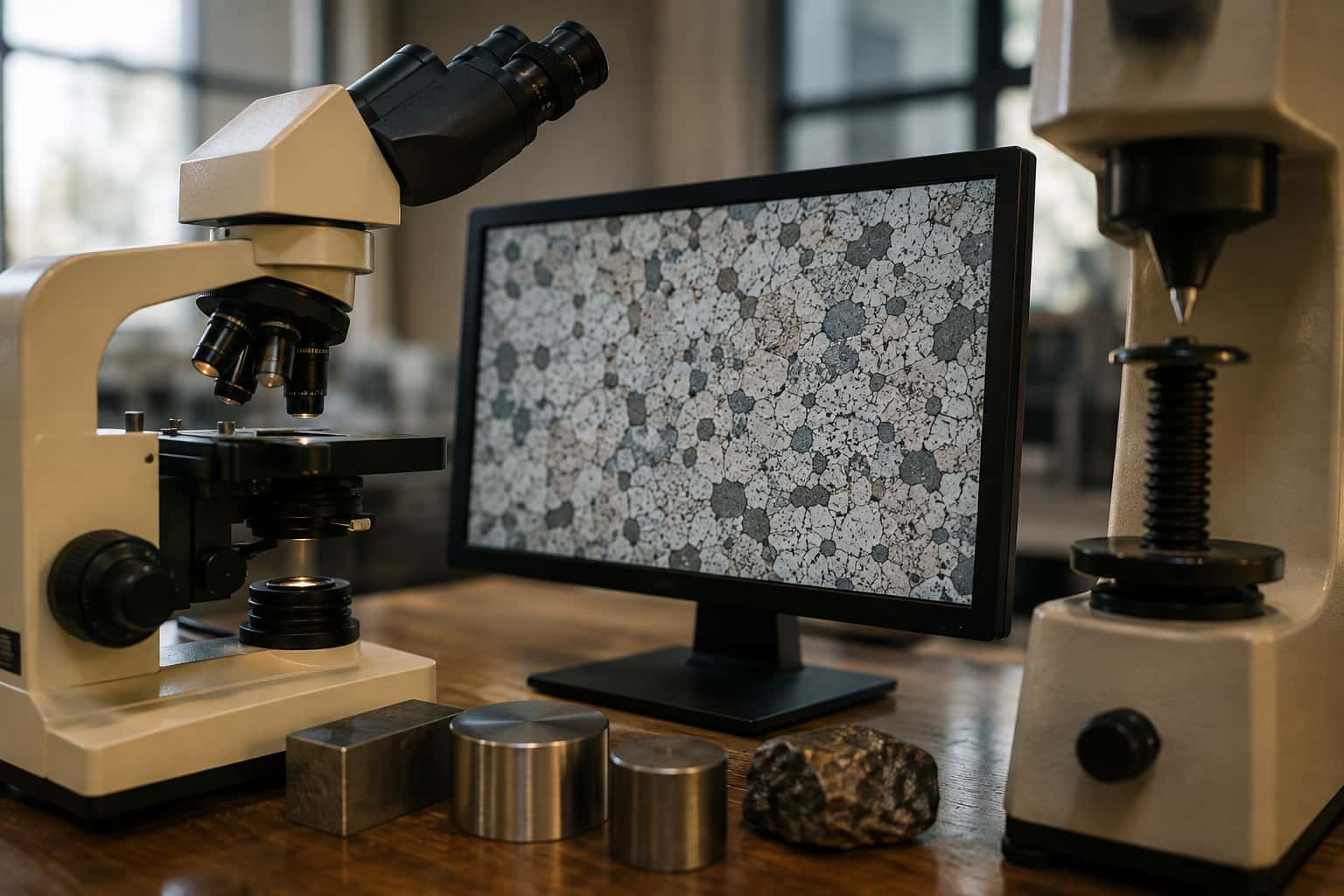
Every knife steel is iron plus a specific recipe of other elements, and each of those elements pulls the steel’s behavior in a particular direction…
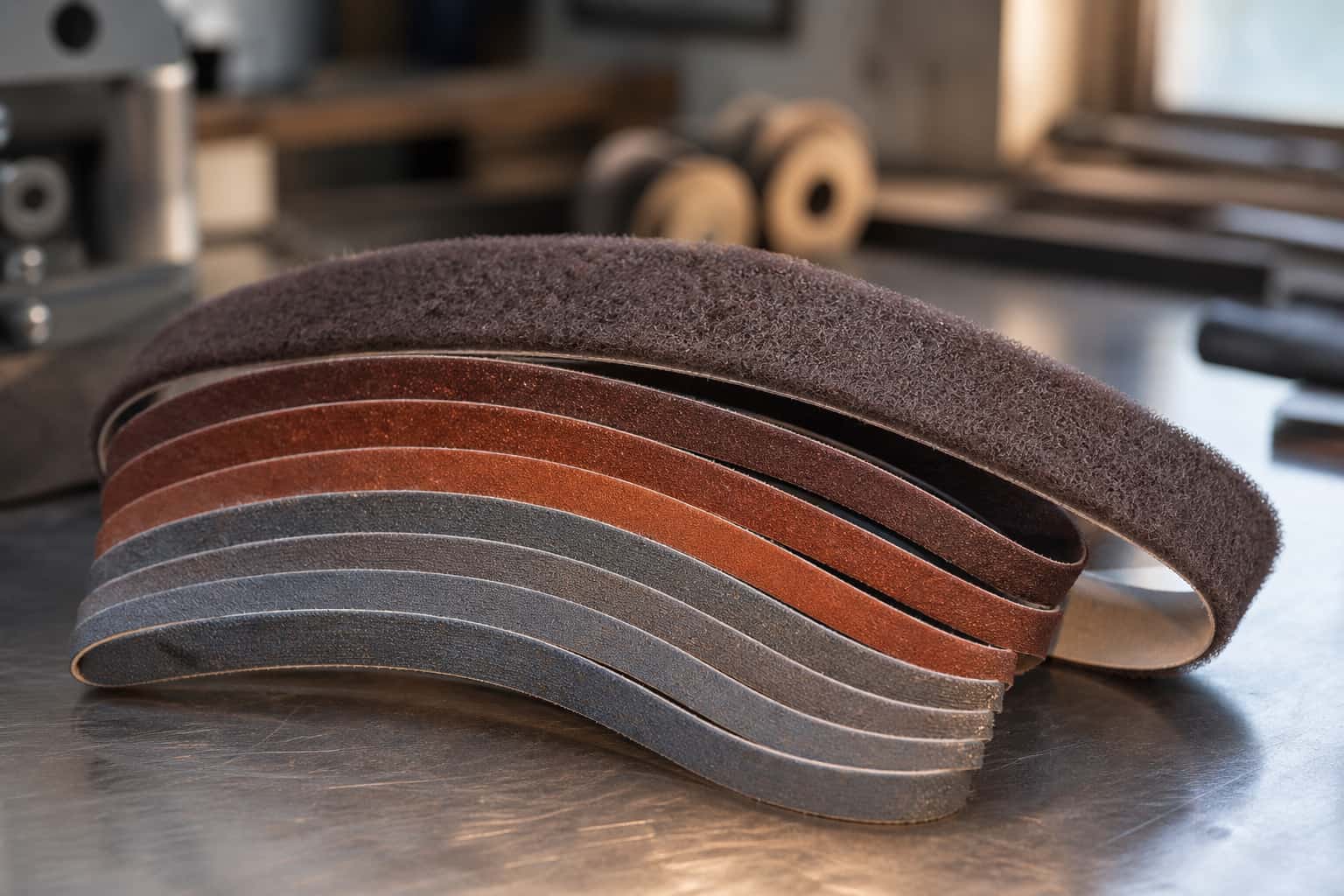
Every earlier metallurgy guide, alloying elements, steel categories, carbides, heat-treat theory, is background for one practical question: which steel…
Same bench
I machine the parts, hand-assemble, track and test Torus grinders in Sterling, Illinois. Most orders ship in seven to ten business days from time of order.
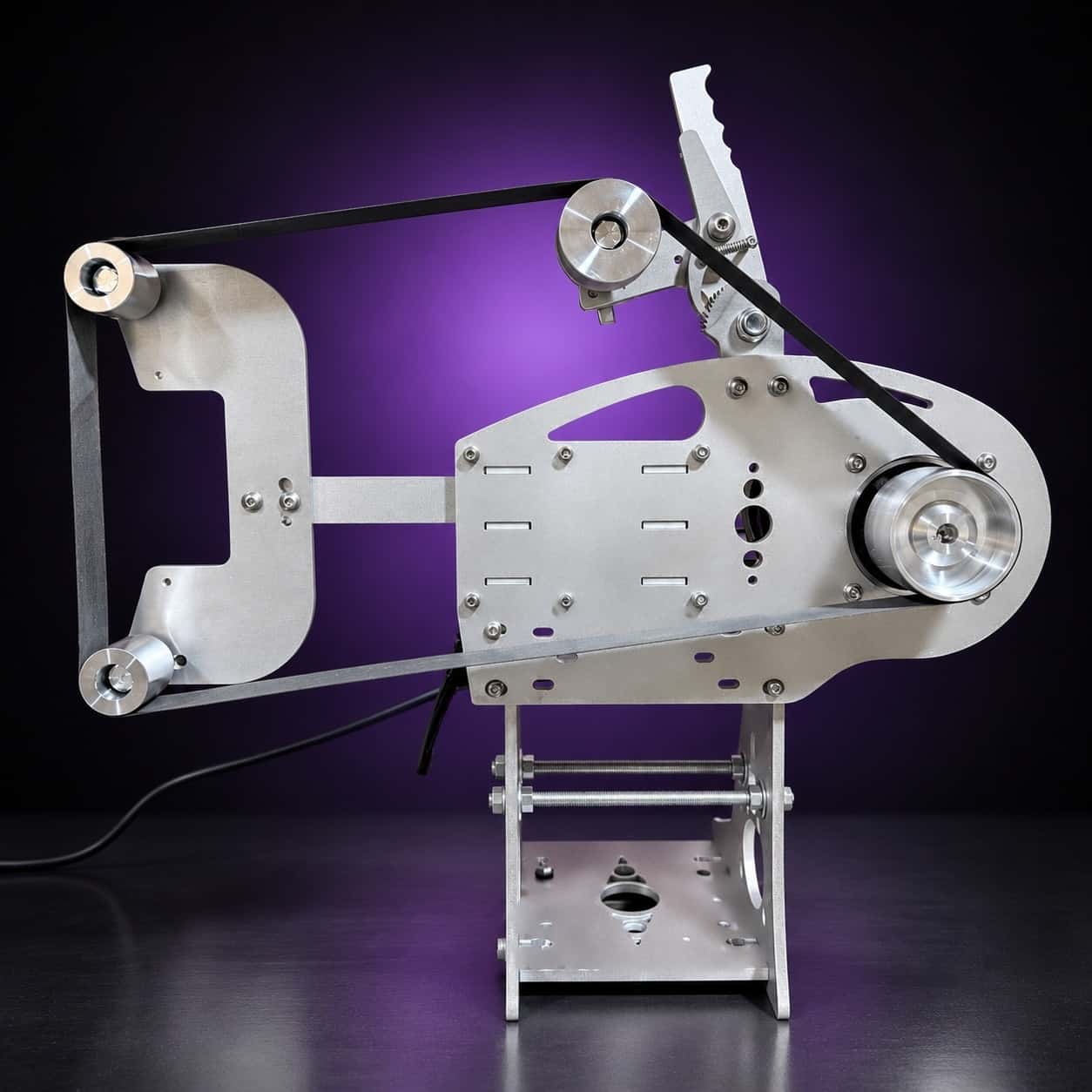
Current dual-axis platform with a fiber-laser-cut 6061 chassis and single-knob tracking.
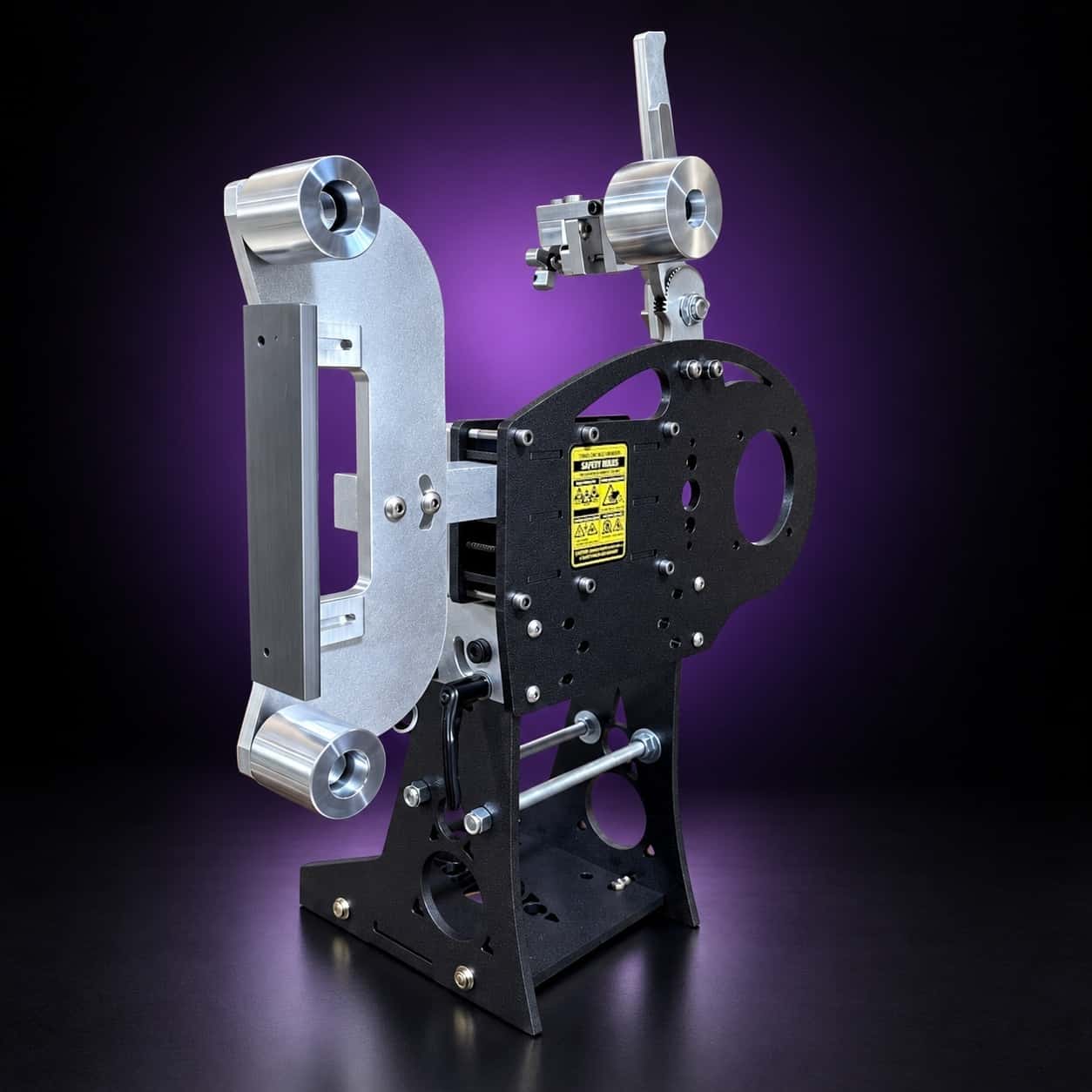
Current dual-axis platform with a steel chassis, more mass and less vibration.
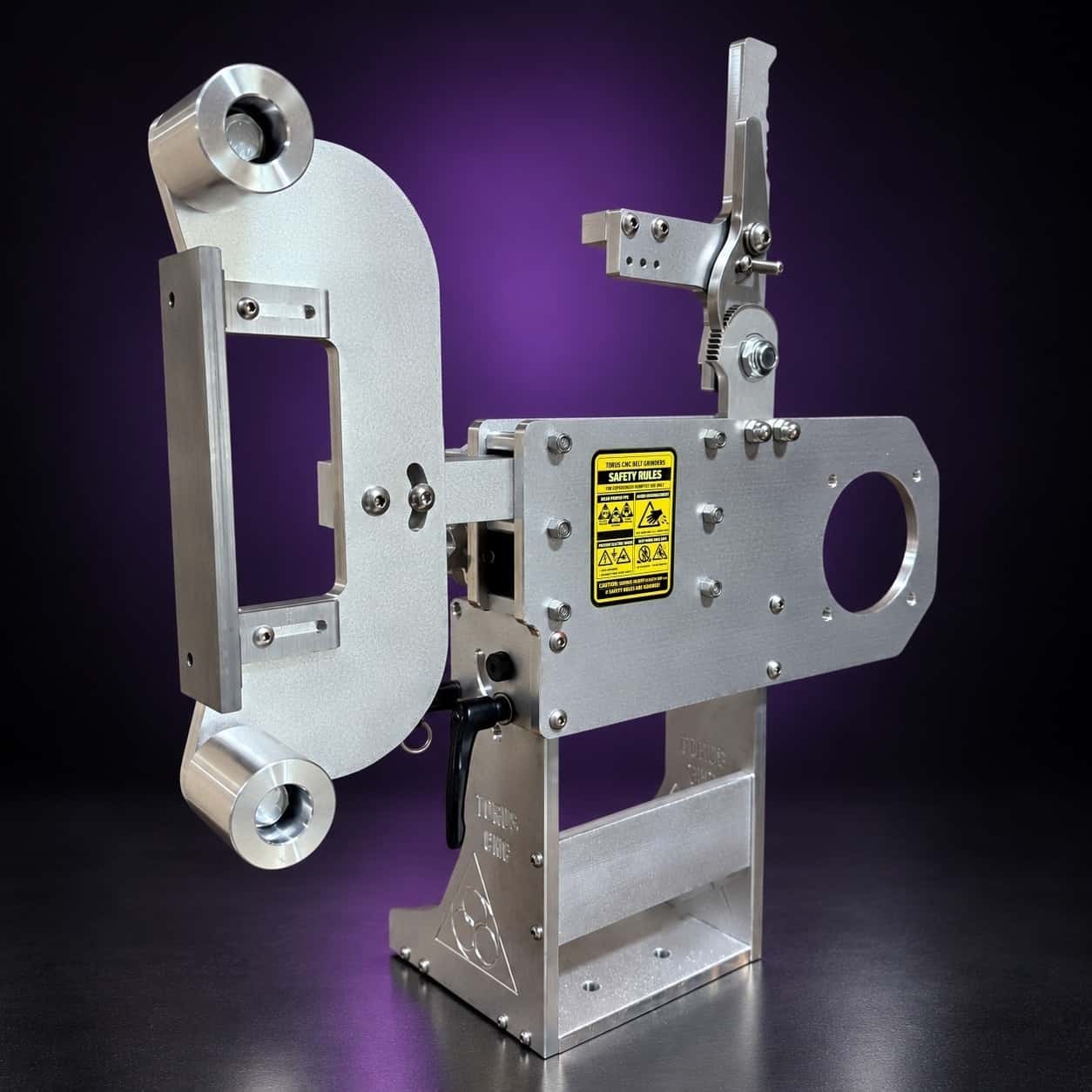
Prior-design aluminum chassis, 90-degree tilt and 1.5-inch tooling arms.
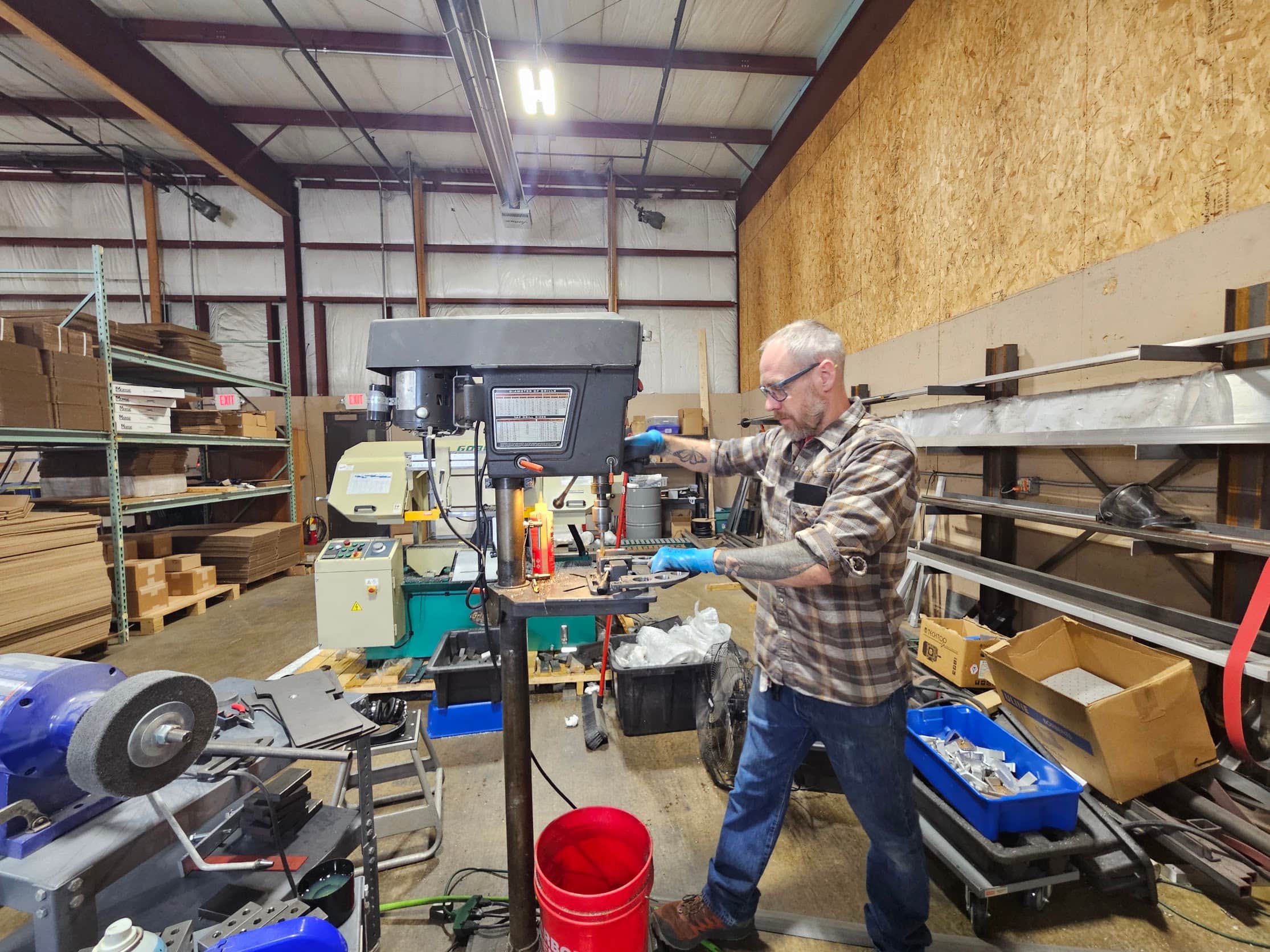
One-man shop
I answer my own email. Tell me the steel, the machine and what it is doing, and I will tell you what I would try next.