
Beginner Guides
How to Choose Your First Knife Steel
With dozens of knife steels to choose from, picking your first one can feel overwhelming. The good news: for a first knife, the right answer is almost…

Metallurgy
How to match steel properties to your project, kitchen, hunting, EDC, outdoor, or tactical, using metallurgy fundamentals instead of guesswork.
3 min readWritten by Rich LinvilleFree to read
Every earlier metallurgy guide, alloying elements, steel categories, carbides, heat-treat theory, is background for one practical question: which steel actually fits the knife you’re building? Here’s how to translate that theory into a real decision by application.
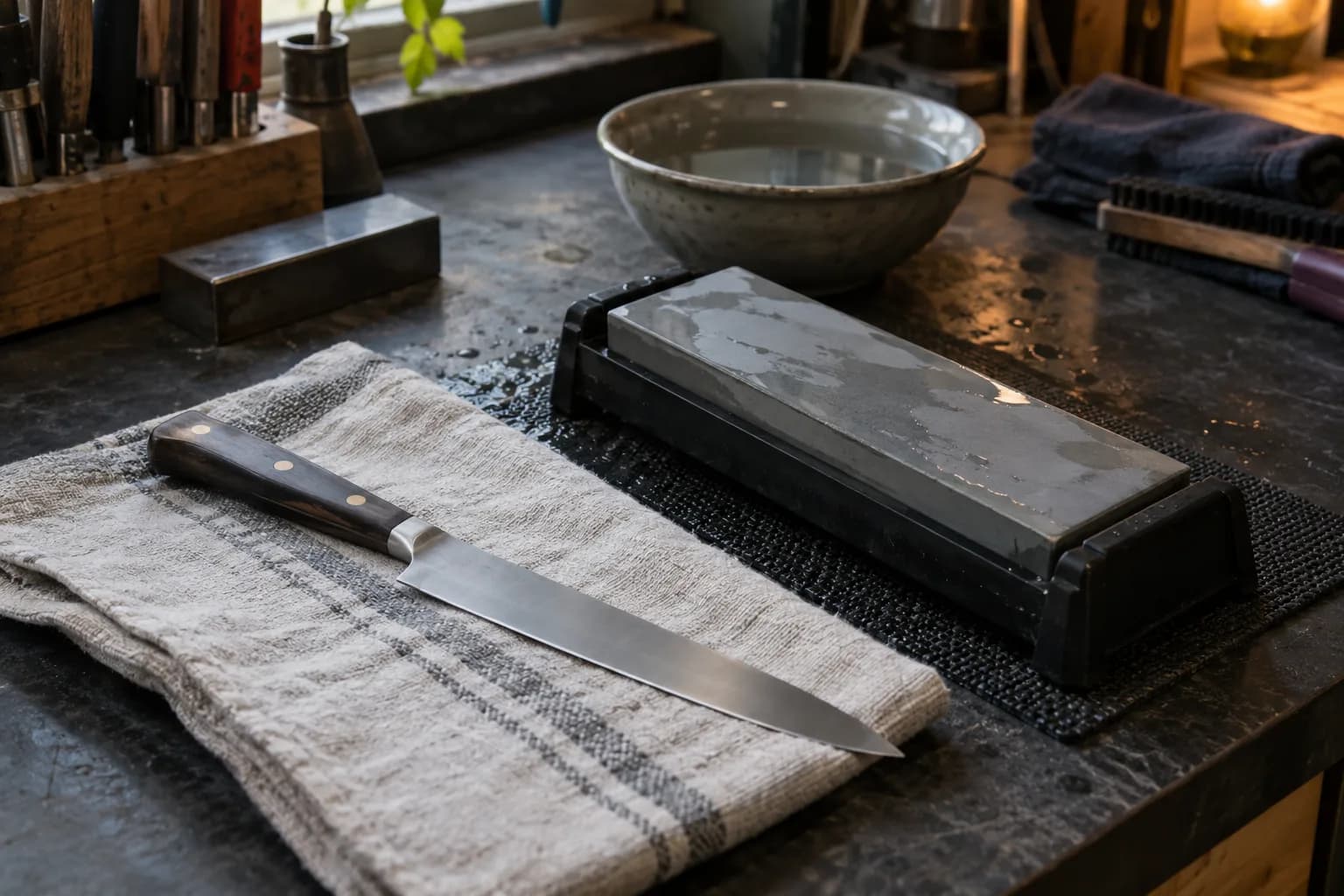
Priorities: a very fine, keen edge, easy sharpening (kitchen knives get touched up often), and enough corrosion resistance to handle food acids and frequent washing. High-carbide, hard-to-sharpen steels work against you here, and pure carbon steel without stainless properties needs more diligent drying and care around food use. Moderate-alloy stainless steels or simpler carbon steels with good edge geometry both work well; extreme edge retention matters less than staying easy to maintain.
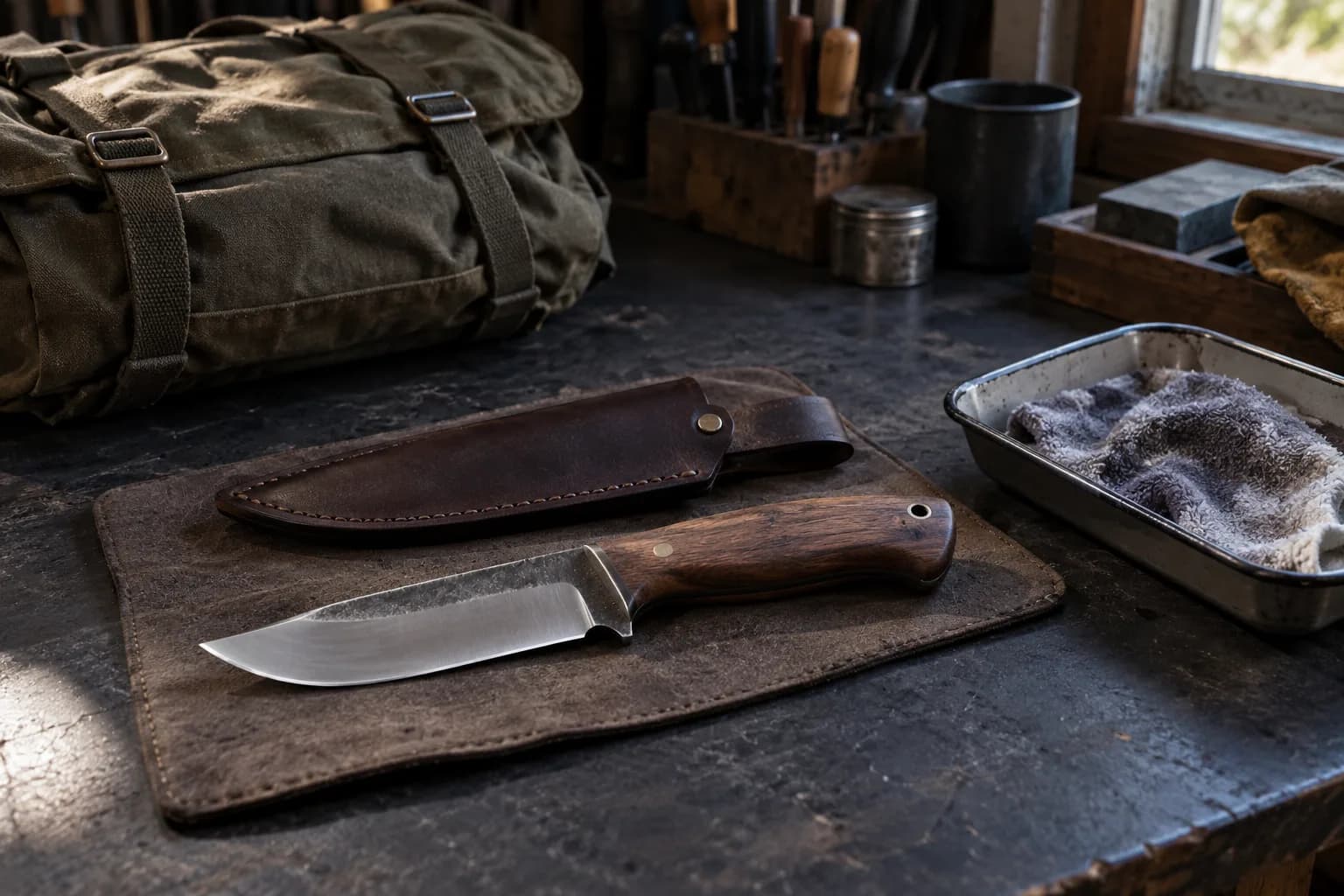
Priorities: solid edge retention (field dressing dulls an edge fast) and meaningful corrosion resistance, since blood, moisture, and being stored in a pack between uses is a tough environment for bare carbon steel. Stainless or semi-stainless steels with good wear resistance are the standard choice here over plain carbon steel.
Priorities: a balance across everything, decent edge retention for varied light-to-moderate tasks, reasonable toughness for accidental hard use, and corrosion resistance since an EDC knife lives in a pocket exposed to sweat and moisture daily. This is exactly the profile that modern balanced powder-metallurgy stainless steels (high overall ratings across the board rather than one standout property) were designed for.
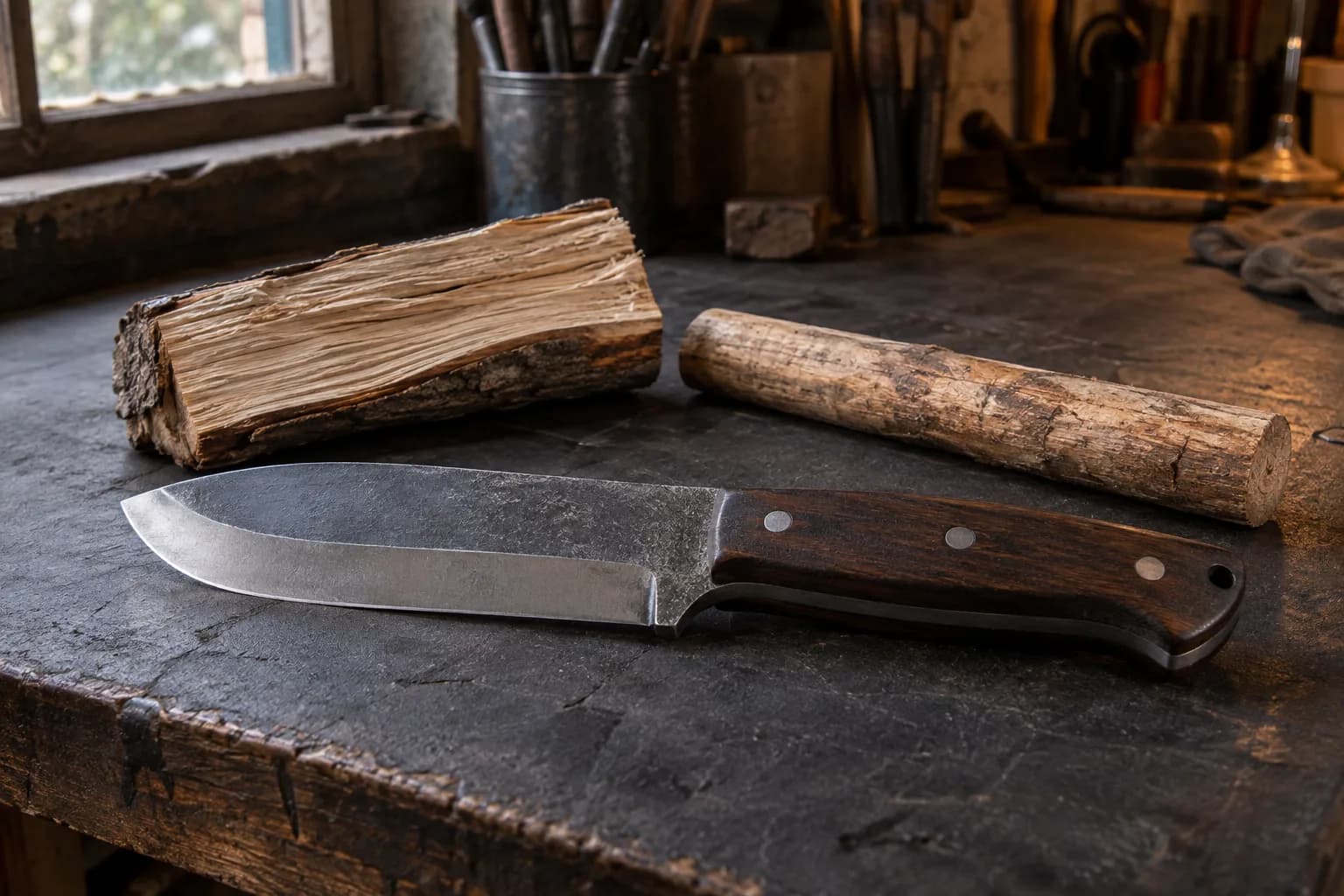
Priorities: toughness above almost everything else, a knife that has to baton wood or absorb impact needs to resist chipping and cracking more than it needs maximum edge retention. Simpler, tougher steels (often carbon steels or moderately-alloyed tool steels) are frequently preferred here over high-carbide “super steels,” since extreme hardness without matching toughness increases the risk of a chip or crack under hard impact.
Priorities: raw cutting performance and edge geometry over durability, since these blades are optimized for cutting through target material efficiently rather than surviving abuse. Thinner grinds and steels that take an extremely keen edge matter more here than toughness or even top-tier edge retention.
Priorities: a demanding mix of toughness (worst-case impact and prying resistance), decent edge retention, and corrosion resistance for field conditions. This is another spot where balanced, moderately-alloyed steels often outperform steels optimized narrowly for one property, since a tactical knife’s failure mode (chipping, snapping) is usually worse than simply needing to be resharpened sooner.
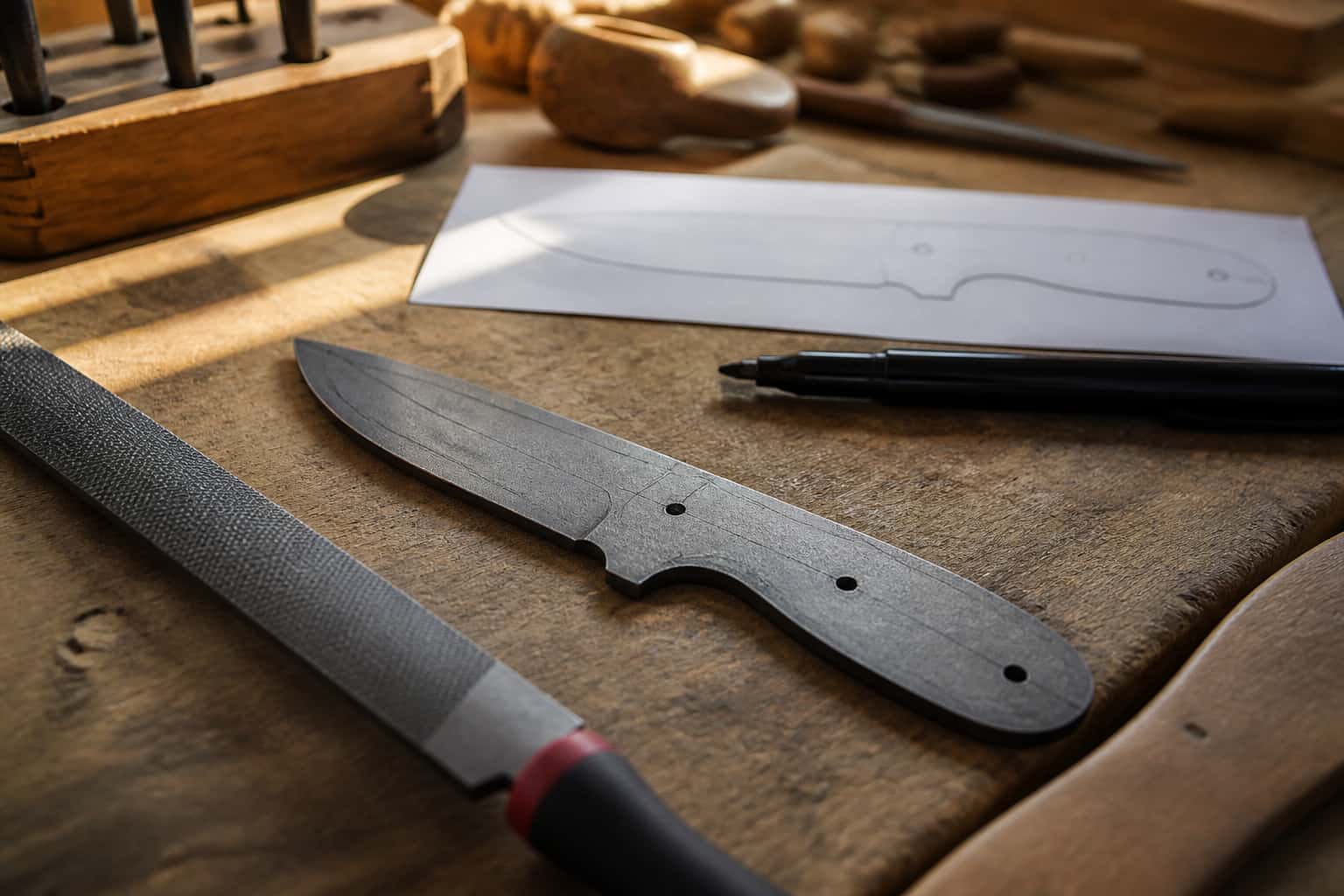
Priorities: forgiving heat treat and tolerance for mistakes over any performance property, which is why simple carbon steels like 1084 or AEB-L are recommended regardless of what type of knife you’re eventually building, see How to Choose Your First Knife Steel. Application-specific steel selection matters most once the fundamentals of heat treat and grinding are solid.
Identify which priority list above best matches your project, then use Understanding Knife Steel Ratings and individual steel pages in the Knife Steel Database to compare specific steels against those priorities rather than picking a steel by reputation alone.
No, that’s the core idea behind matching steel to application. A steel that’s excellent for a kitchen knife (fine edge, easy sharpening) would be a poor choice for a chopping knife (needs toughness over refinement), and vice versa.
Not necessarily. A steel with balanced, moderate ratings across the board can outperform a steel with one very high rating and a weak one for a specific application, if that application depends more on the balanced properties than the standout one.
Yes, especially balanced modern steels. A steel that scores well across toughness, edge retention, and corrosion resistance can reasonably serve as an EDC blade, a hunting knife, and a general tactical knife, which is exactly why those balanced steels have become so popular across categories.
Keep reading
Three more from the same bench.
With dozens of knife steels to choose from, picking your first one can feel overwhelming. The good news: for a first knife, the right answer is almost…
Every steel in the Knife Steel Database is rated 1-5 across four properties: toughness, edge retention, corrosion resistance, and machinability. Here’s…
Every knife steel is iron plus a specific recipe of other elements, and each of those elements pulls the steel’s behavior in a particular direction…
Same bench
I machine the parts, hand-assemble, track and test Torus grinders in Sterling, Illinois. Most orders ship in seven to ten business days from time of order.
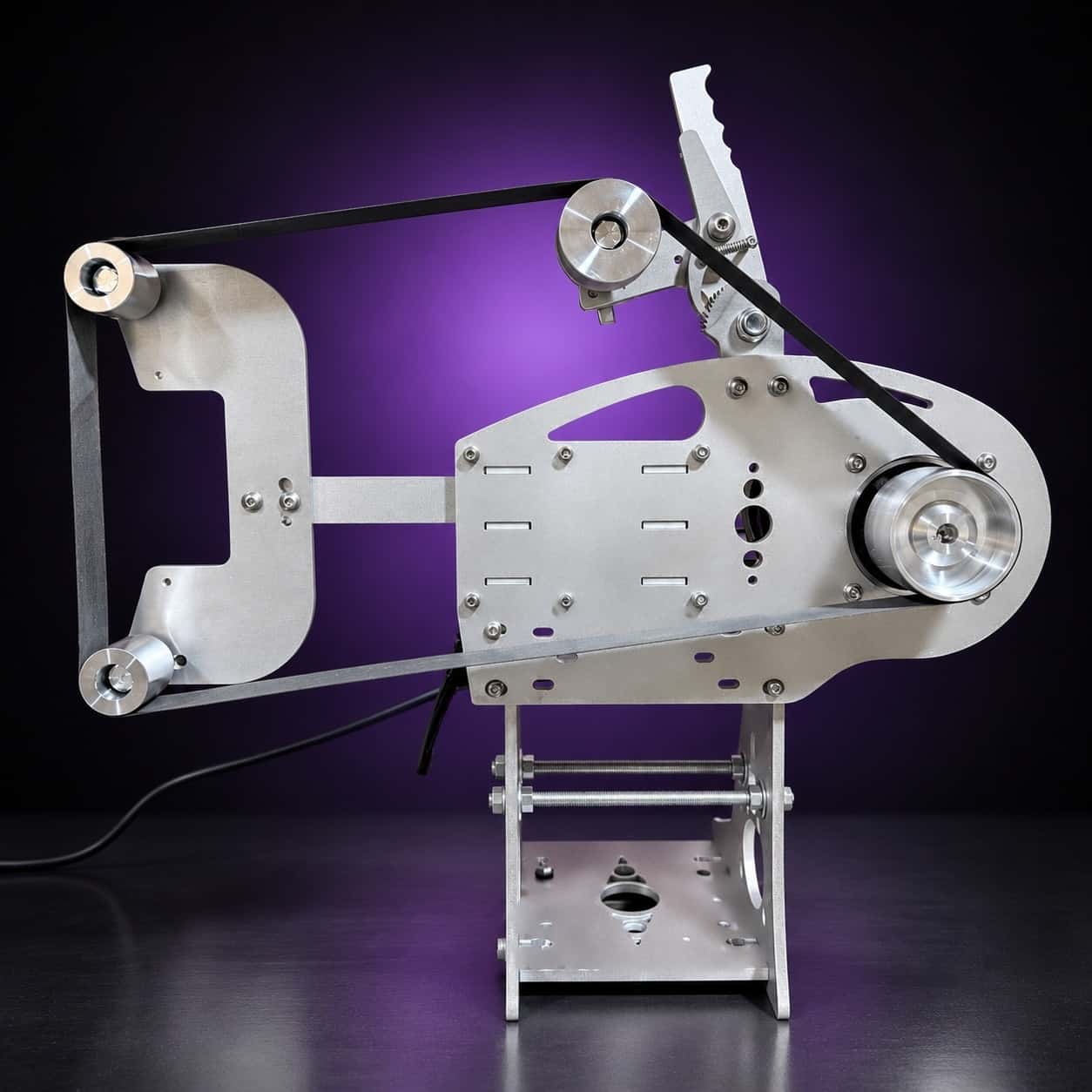
Current dual-axis platform with a fiber-laser-cut 6061 chassis and single-knob tracking.
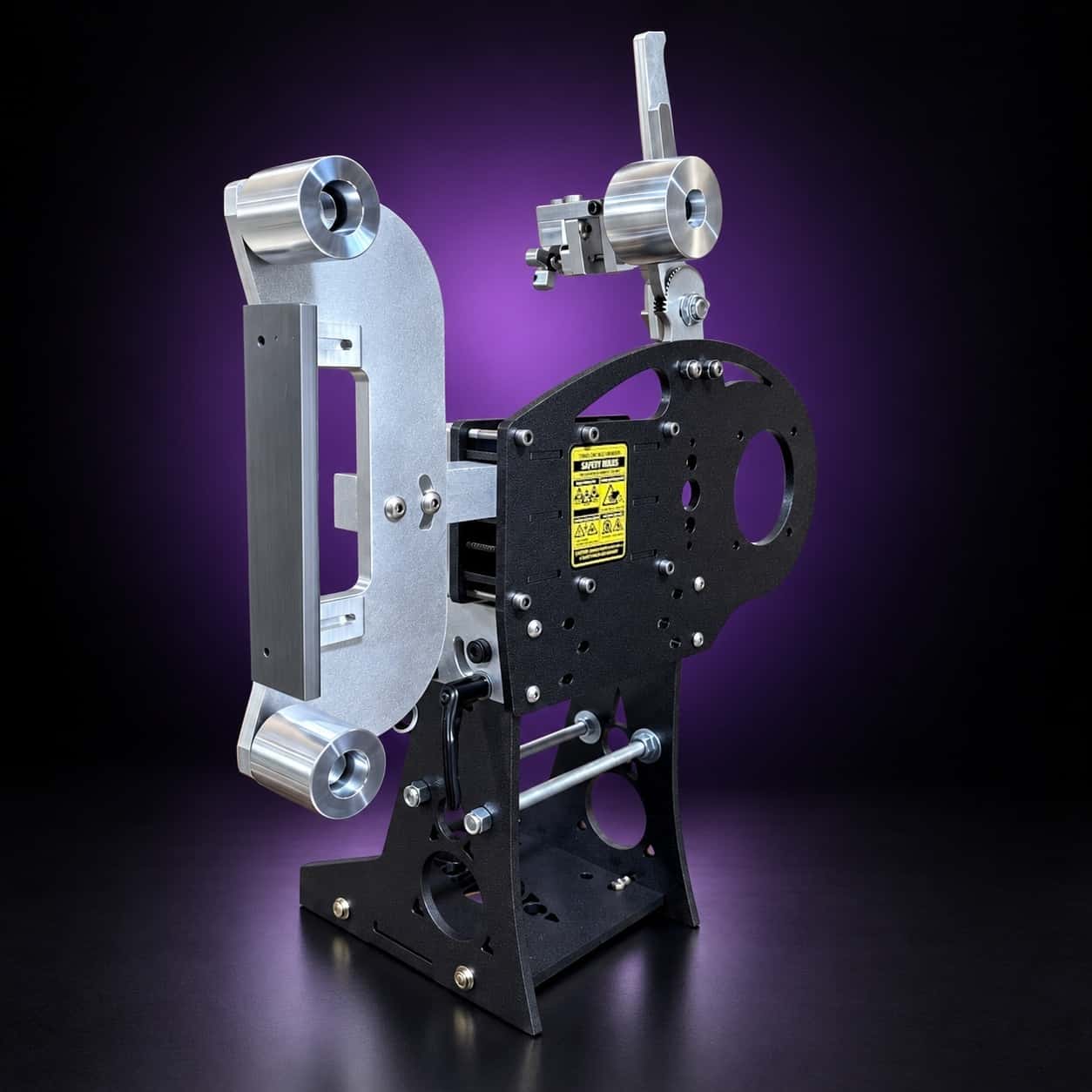
Current dual-axis platform with a steel chassis, more mass and less vibration.
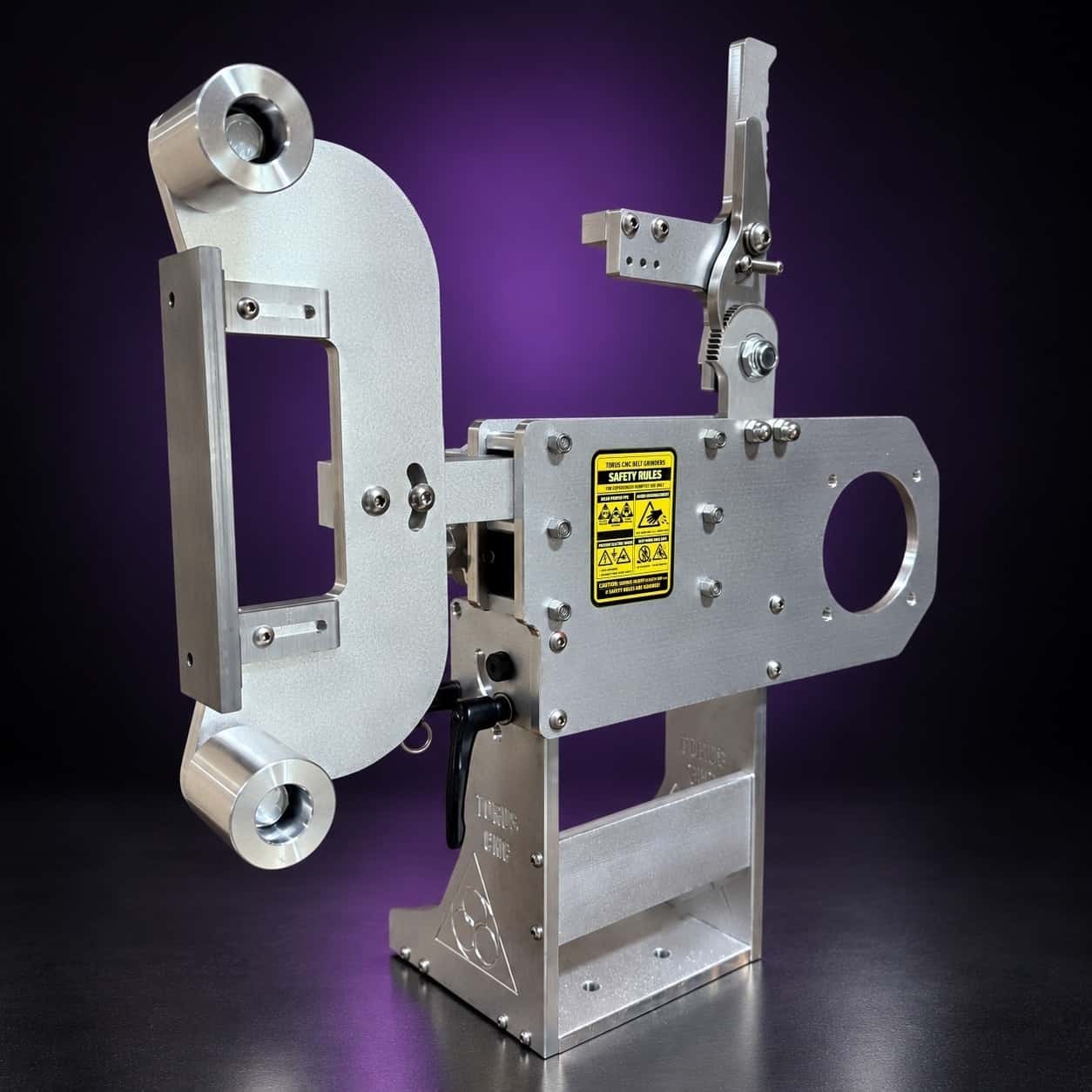
Prior-design aluminum chassis, 90-degree tilt and 1.5-inch tooling arms.
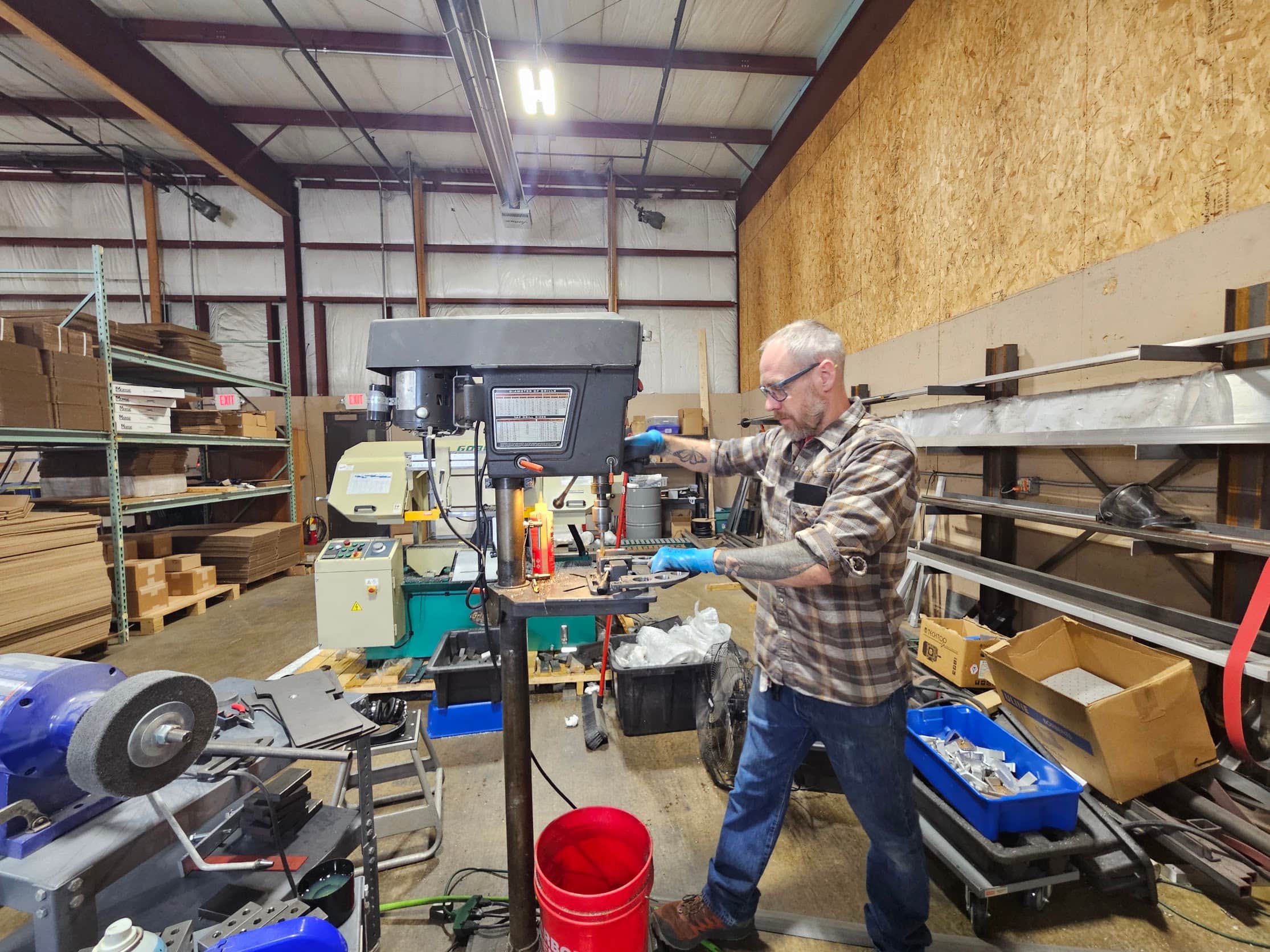
One-man shop
I answer my own email. Tell me the steel, the machine and what it is doing, and I will tell you what I would try next.