
Abrasives
Belt Buyer’s Guide: Which Abrasives to Actually Buy
Belts are the single biggest recurring cost in this hobby, and buying the wrong ones wastes money twice: once on belts that wear out fast, and again on…
Abrasives
W2 on the grinder: hog annealed stock with coarse ceramics, leave a dime-thick edge before the quench, protect a hamon, stop machine work at 400-600 grit.
2 min readWritten by Rich LinvilleFree to read
W2 grinds like the friendly high-carbon steel it is — the complications arrive only when a hamon is involved, which for W2 is most of the time. Then the grinder becomes a finishing tool in service of the etch, and heat discipline matters twice: once for the temper, once for the polish that will reveal the line.
No drama. Fresh 36–60 grit ceramics hog annealed W2 quickly with light pressure; it drills and files without complaint. Because knife-grade W2 often arrives as round bar or heavy flats, expect more profiling work than with precision flat stock — a sharp 36 grit belt and patience, or forge closer to shape first. Rough bevels to about 90 percent and leave the edge dime-thick before hardening: shallow-hardening steels warp with enthusiasm when sections get thin ahead of the quench.
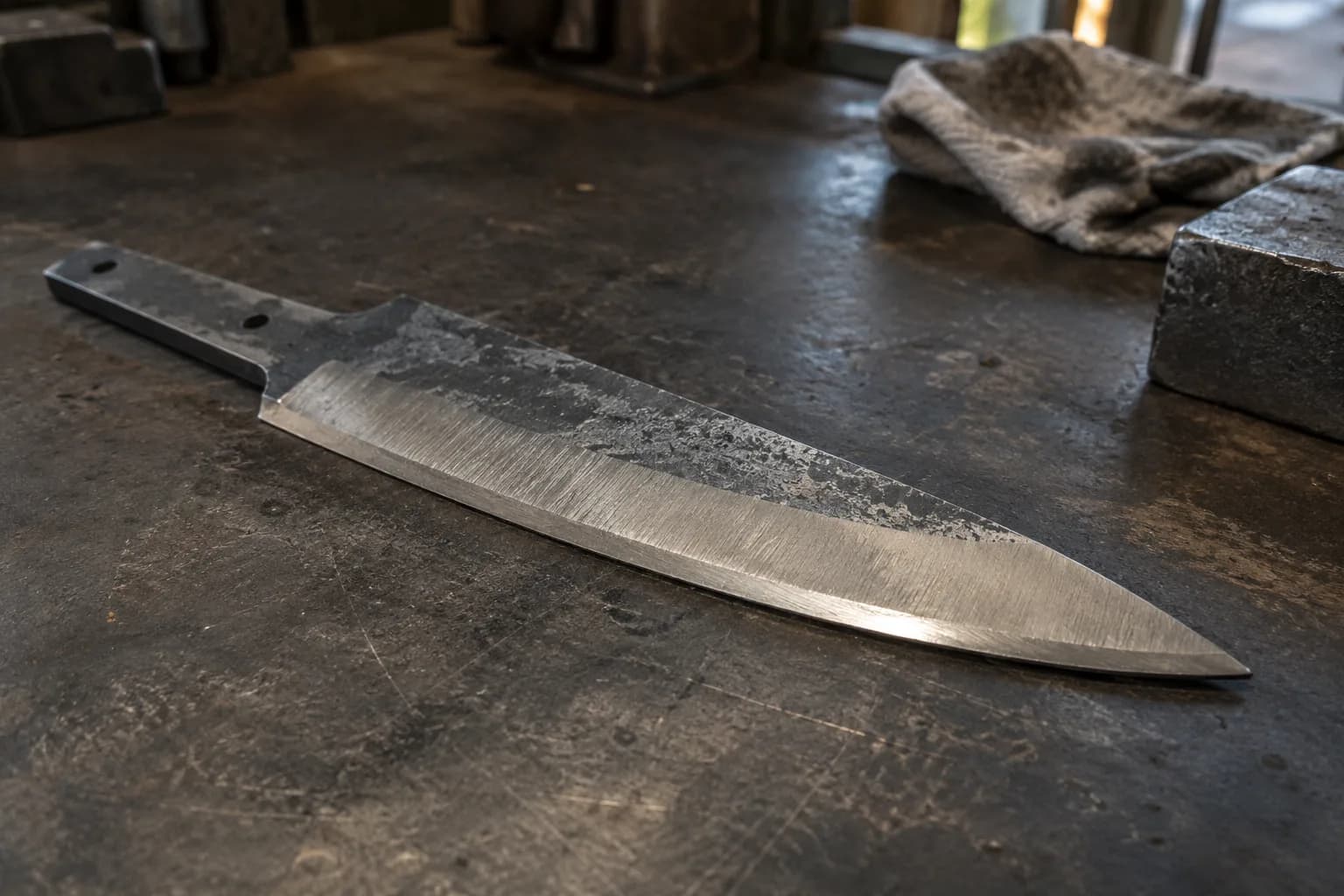
At 60–62 HRC the edge zone grinds like hardened 1095: cooperative but heat-sensitive, with a 350–400°F temper leaving little margin. Sharp belts, light passes, reduced speed, water every pass or two. The hamon adds a subtlety — the spine side of the line is soft pearlite that cuts faster than the hard edge, so a heavy hand rounds and washes out exactly the zone you are trying to showcase. Keep the platen flat, the pressure even, and stop at 400–600 grit off the machine: the reveal belongs to hand work.
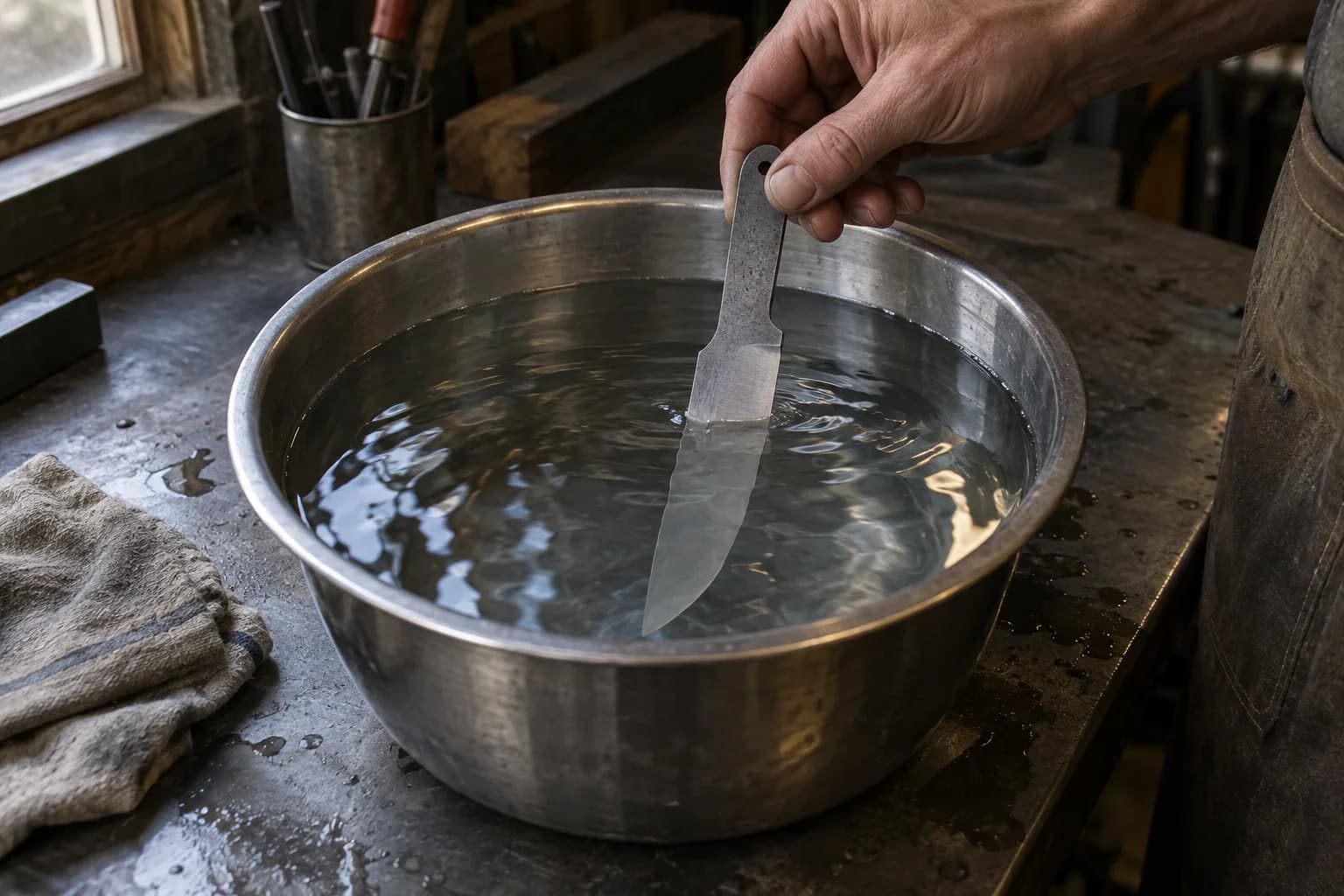
A hamon is only as good as the surface under it. Hand-sand to at least 600–1000 grit with hard backing before any etch — belt scratches survive ferric chloride and photograph terribly. Etch in dilute ferric or hot vinegar, then bring the line up with polishing powder or fine wet-dry. Deeper technique lives in our differential heat treat guide; the short version is etch, polish, repeat until the activity shows.
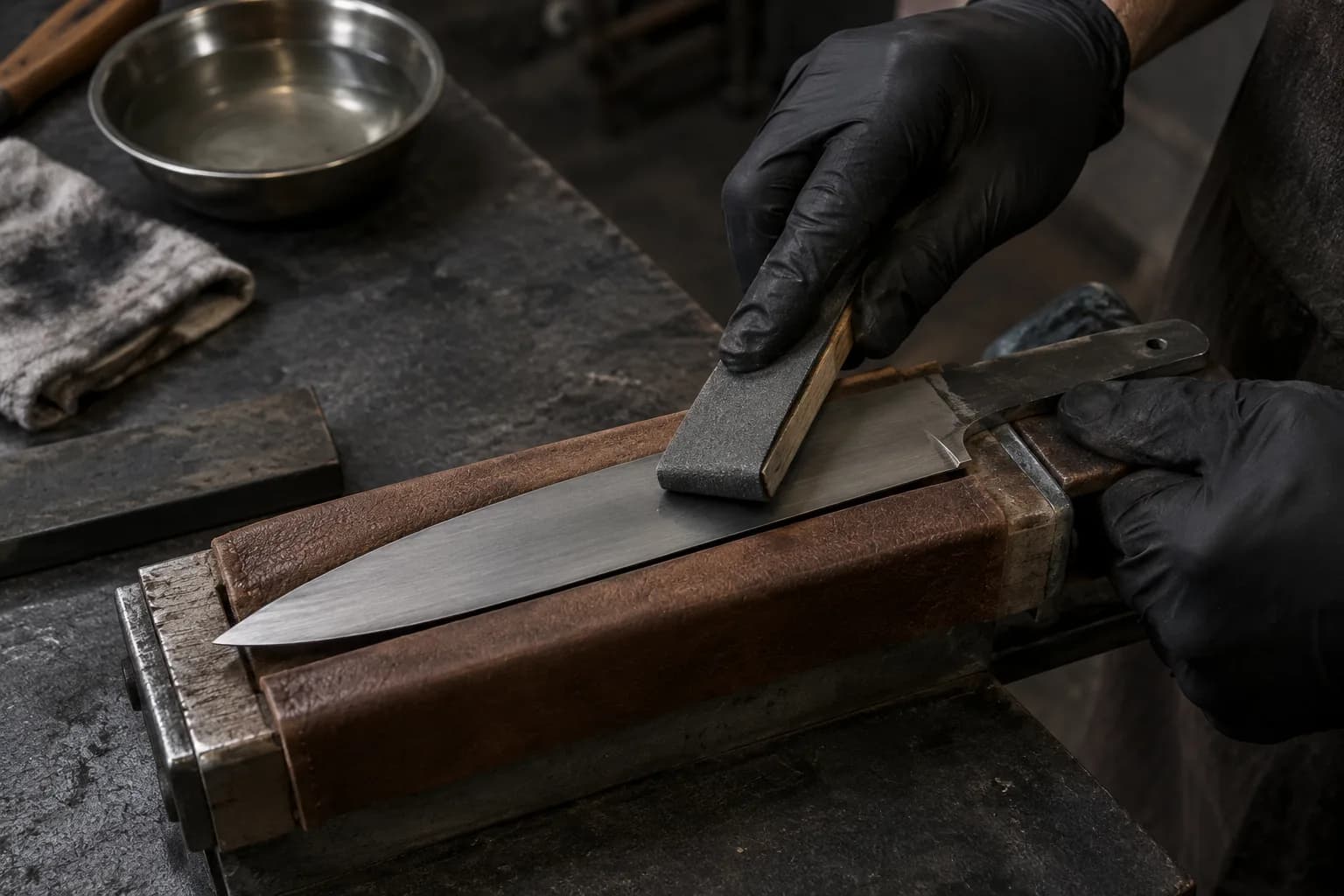
A joy. Fine-grained W2 takes a screaming edge on ordinary aluminium-oxide or ceramic stones — no diamonds required — and strops back to keen for weeks of kitchen use. Thin behind the edge, it rewards a light final bevel; see our sharpening guide for the full progression. Expect to touch it up more often than an alloyed steel and enjoy how little the touch-up costs.
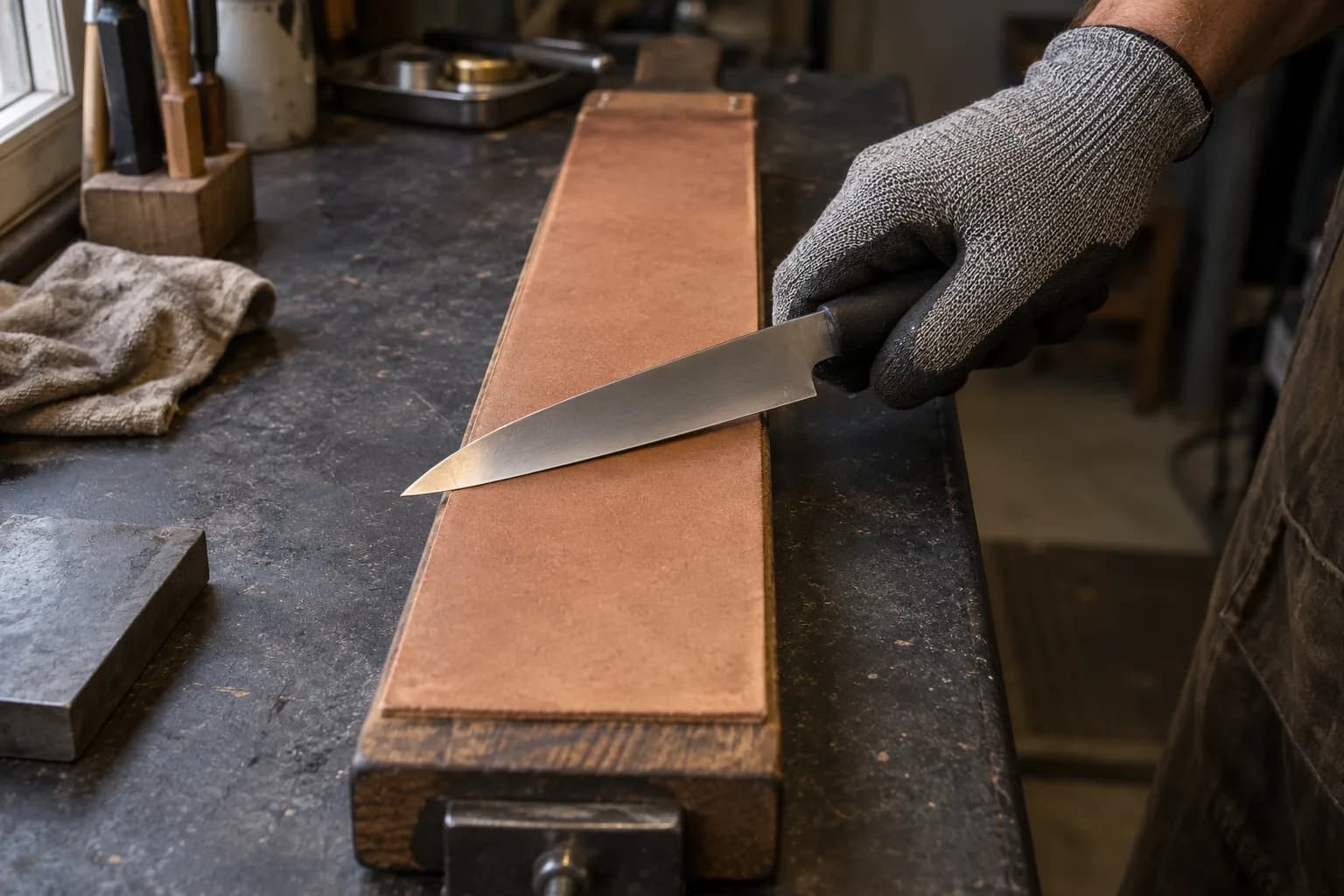
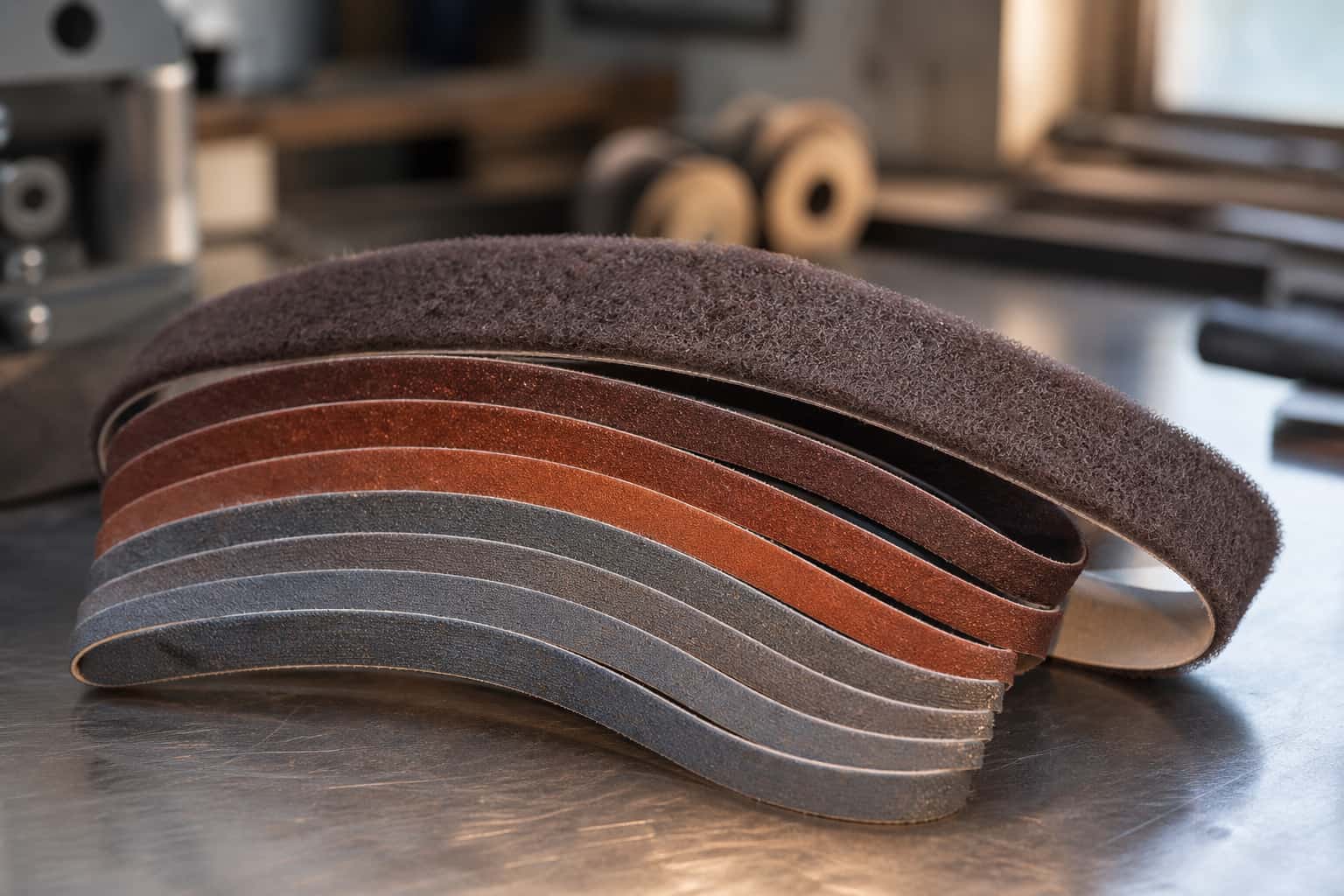
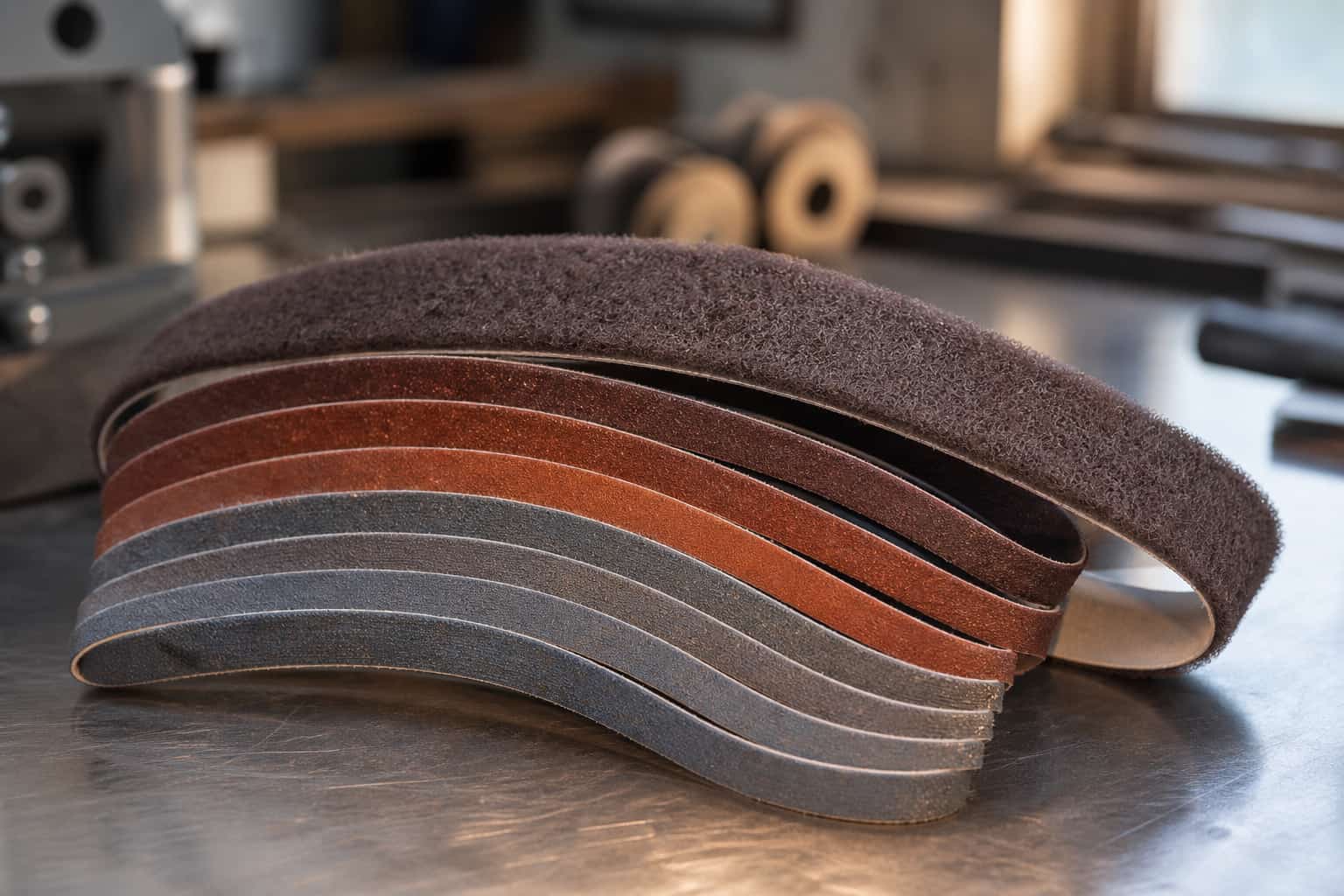
36–60 grit ceramic for profile and rough bevels; 120 then 220 approaching heat treat; post-hardening cleanup at 220–400 with fresh belts and water; 400–600 before hand work on hamon blades. A worn 120 belt generates more heat than a fresh 220 — on a low-temper steel that trade is never worth it. Belt choices in depth: Belt Buyer’s Guide.
Keep reading
Three more from the same bench.
Belts are the single biggest recurring cost in this hobby, and buying the wrong ones wastes money twice: once on belts that wear out fast, and again on…
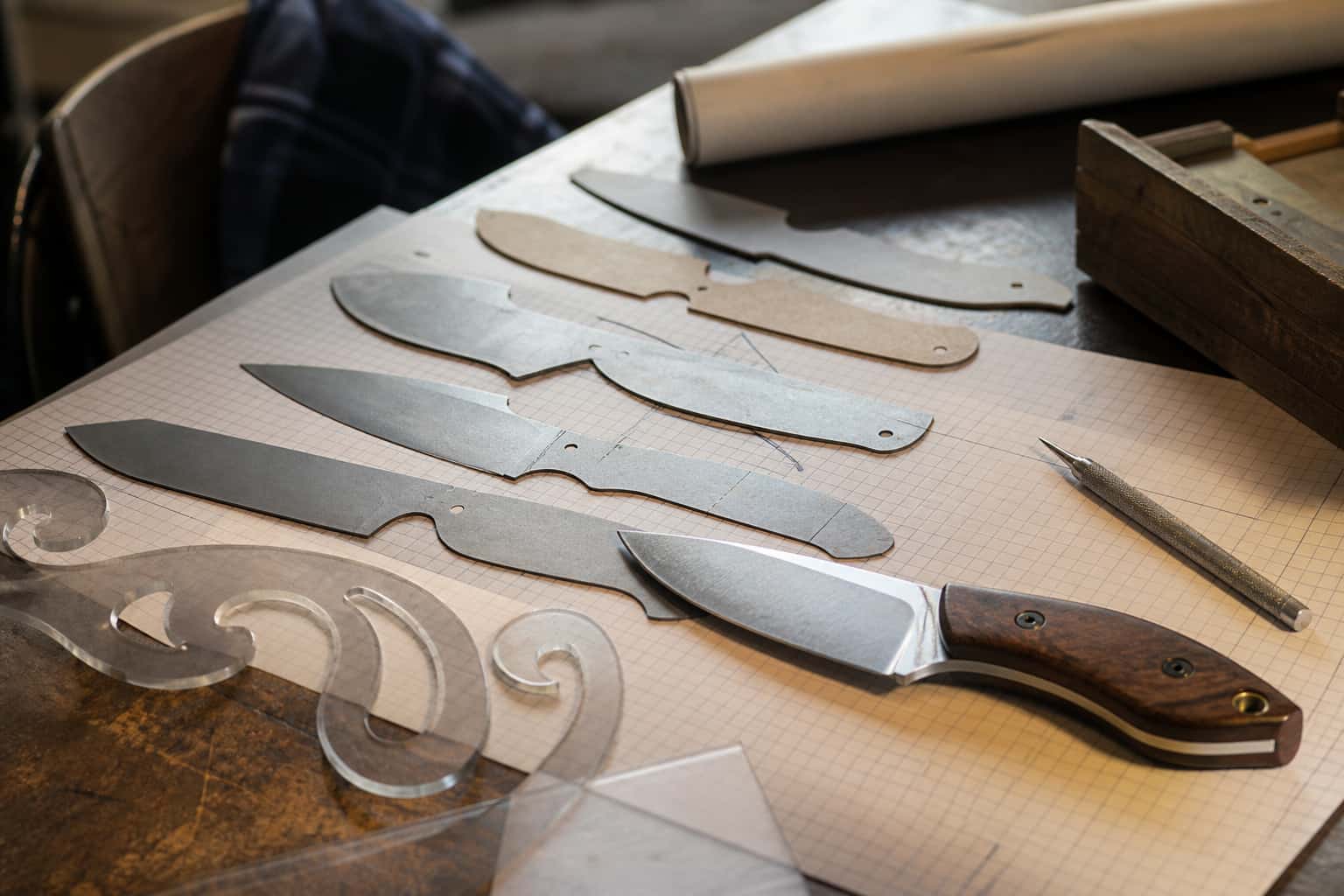
Sharpening is where knifemaking gets humbled: you can grind a flawless blade and still hand someone a knife that won’t slice paper. The good news …
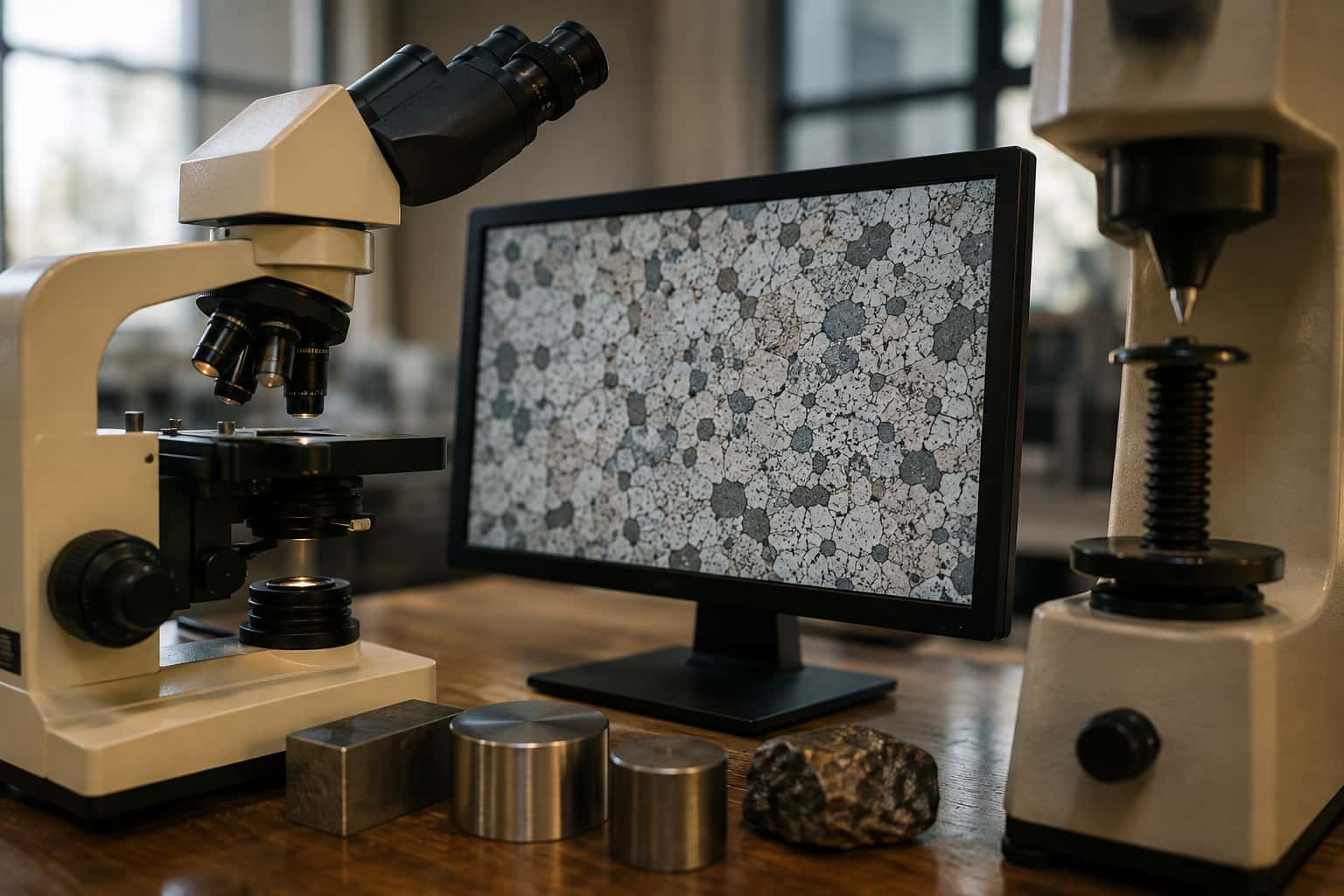
The wavy line visible along a hamon-bearing blade isn’t decoration applied after the fact, it’s a direct visual record of which parts of the steel…
Same bench
I machine the parts, hand-assemble, track and test Torus grinders in Sterling, Illinois. Most orders ship in seven to ten business days from time of order.
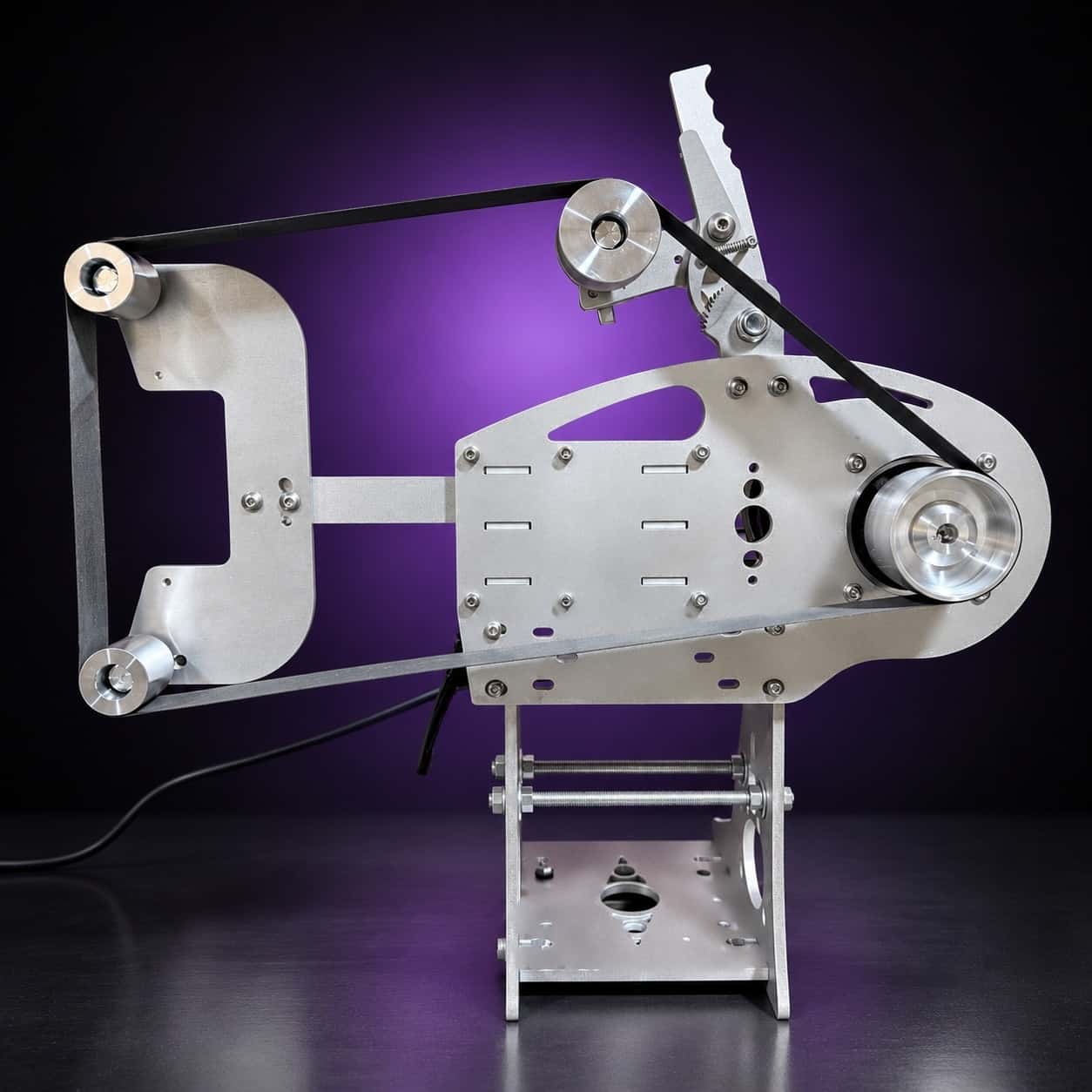
Current dual-axis platform with a fiber-laser-cut 6061 chassis and single-knob tracking.
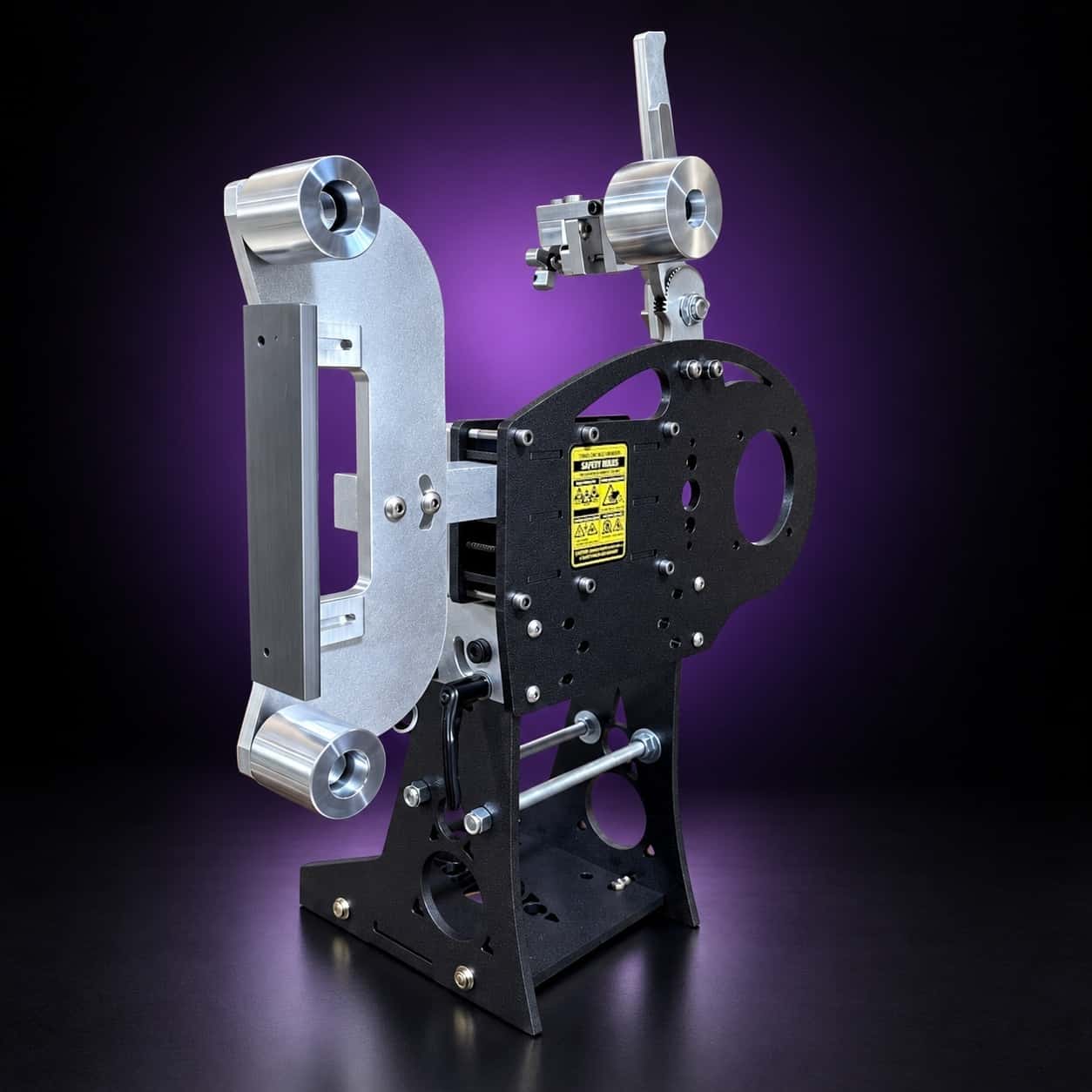
Current dual-axis platform with a steel chassis, more mass and less vibration.
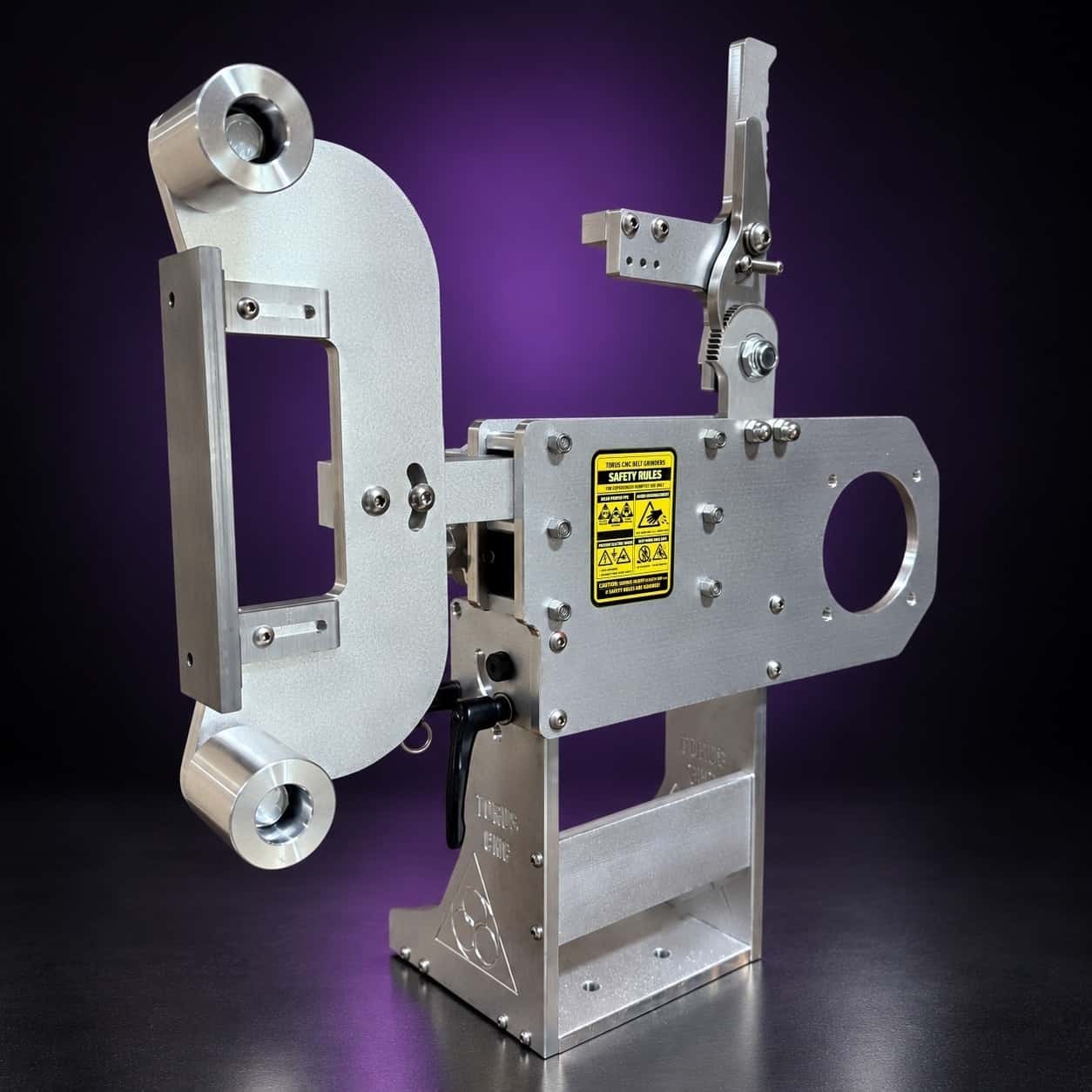
Prior-design aluminum chassis, 90-degree tilt and 1.5-inch tooling arms.
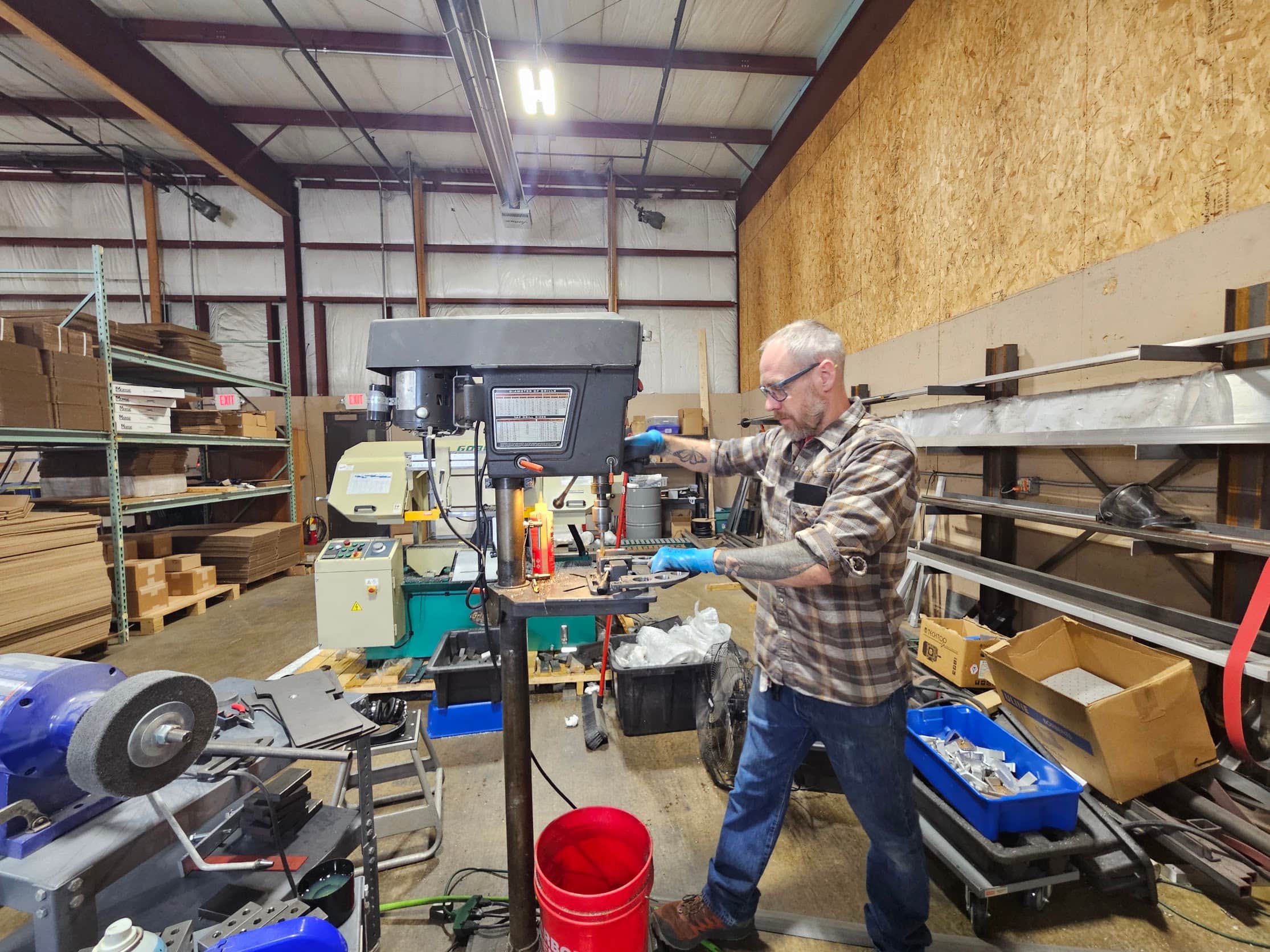
One-man shop
I answer my own email. Tell me the steel, the machine and what it is doing, and I will tell you what I would try next.