
Metallurgy
Carbon Steel vs. Stainless vs. Tool Steel vs. Powder Metallurgy
“Carbon steel,” “stainless steel,” “tool steel,” and “powder metallurgy steel” get used as if they’re four completely separate categories, but they…
Metallurgy
How powder metallurgy steel is actually manufactured, atomization, HIP consolidation, and why the process enables high-alloy steels to still sharpen well.
3 min readWritten by Rich LinvilleFree to read
Powder metallurgy (PM) comes up constantly as a selling point for modern steels, but the actual manufacturing process behind the label rarely gets explained. Here’s what’s physically different about how PM steel is made, and why that process, not just the alloy recipe, is what makes these steels behave the way they do.
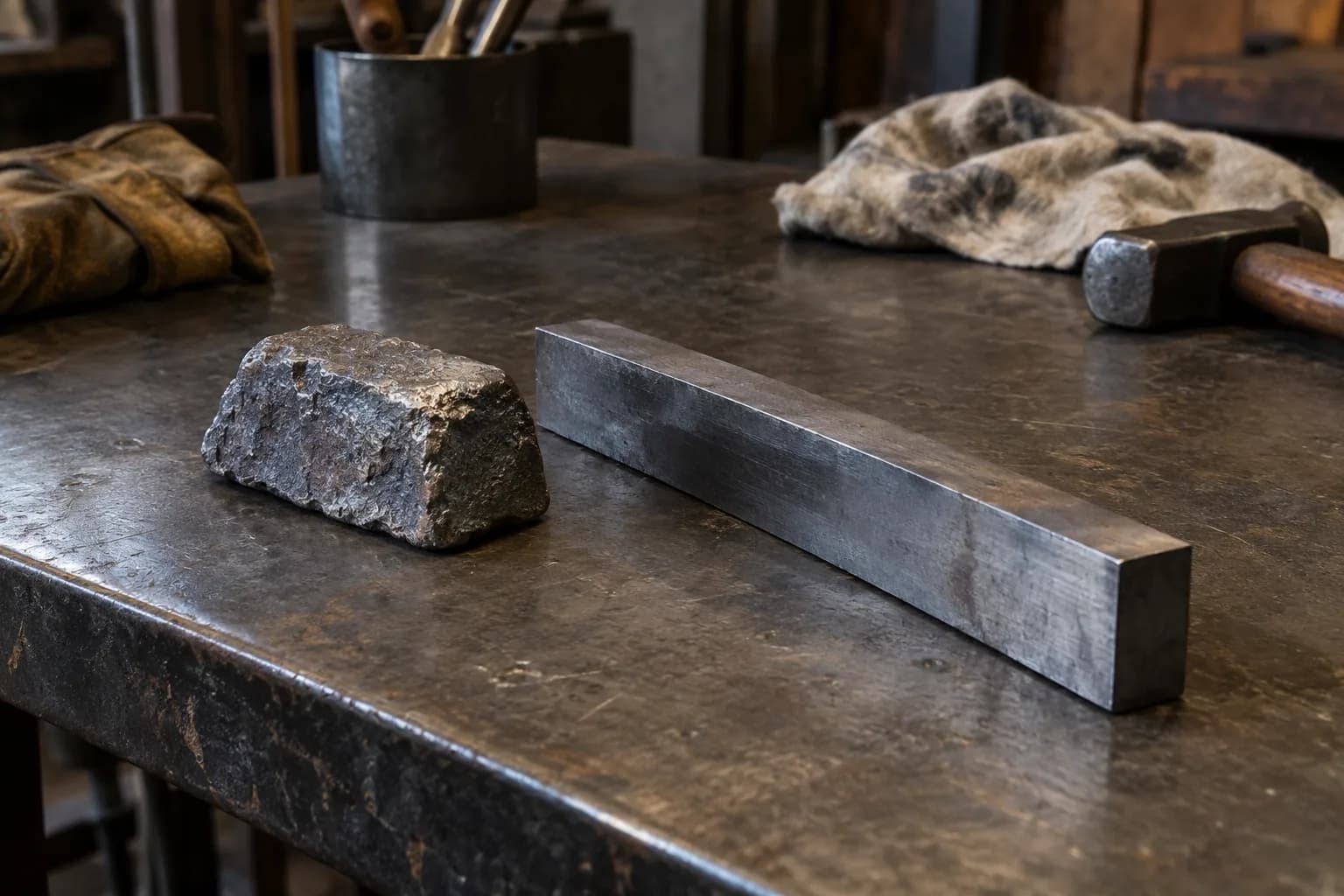
Conventional steel starts as molten metal poured into a large ingot mold and allowed to cool and solidify as one continuous mass. As it cools, alloying elements aren’t distributed perfectly evenly, heavier or higher-melting-point elements can segregate, and carbides form as large, sometimes unevenly distributed particles, especially in the center of a large ingot where cooling happens slowest. The ingot is then hot-worked (rolled or forged) into bar stock, which breaks up some of that unevenness but doesn’t fully eliminate it.
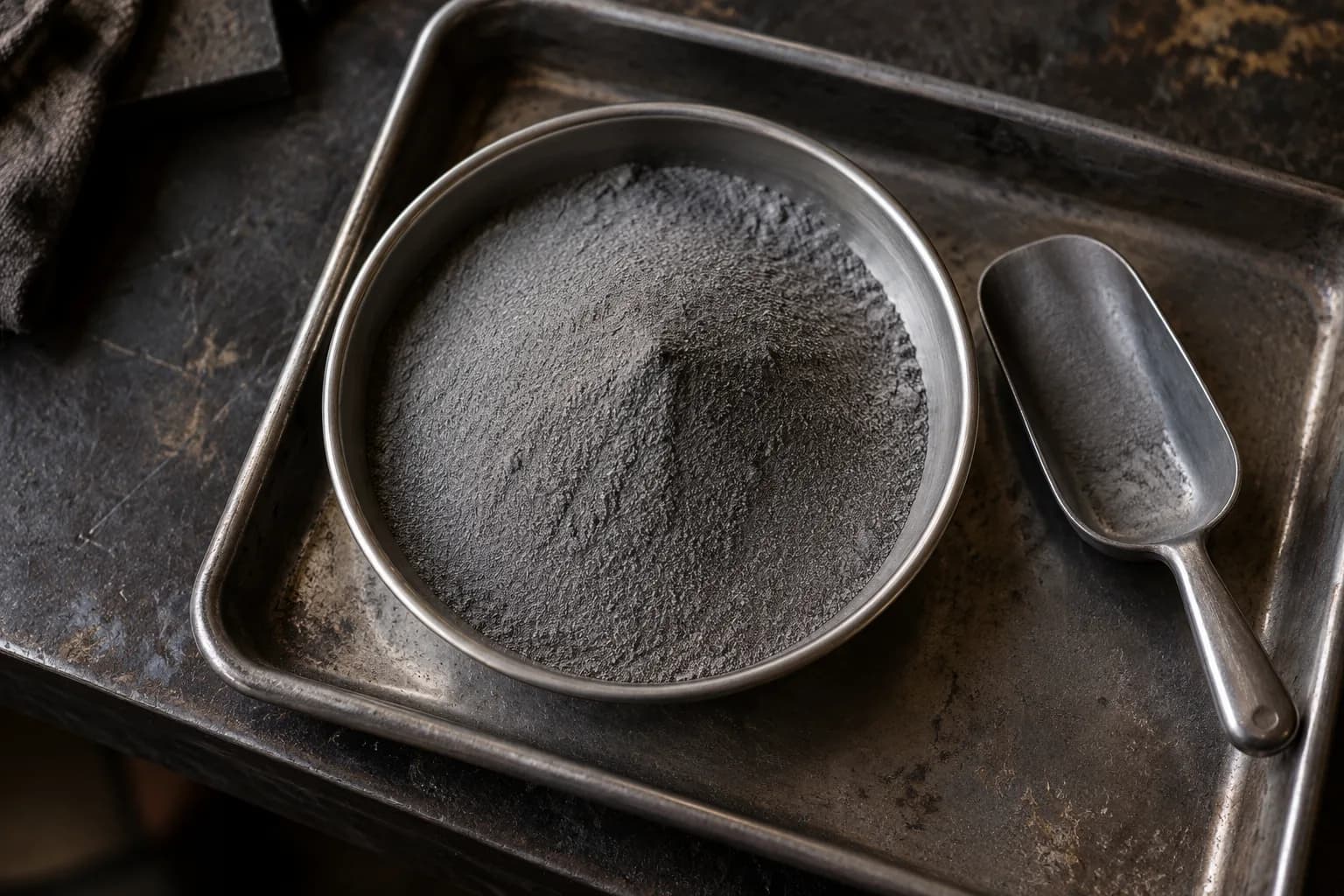
PM steel starts the same way, as molten metal, but instead of being poured into an ingot mold, it’s atomized: sprayed through a nozzle into a chamber where it breaks into fine droplets and solidifies almost instantly as tiny powder particles, often in an inert gas atmosphere to prevent oxidation. Each individual powder particle cools so fast that its internal structure and carbide distribution end up extremely fine and uniform, none of the slow-cooling segregation that happens in a large ingot has time to occur.
The fine metal powder is then loaded into a container and consolidated under high heat and pressure, a process called hot isostatic pressing (HIP), which fuses the individual powder particles into a fully dense solid billet without melting them back together (which would undo the fine structure just achieved). That billet is then hot-worked into bar stock, similar to conventional steel’s final step, but starting from a far more uniform base material.
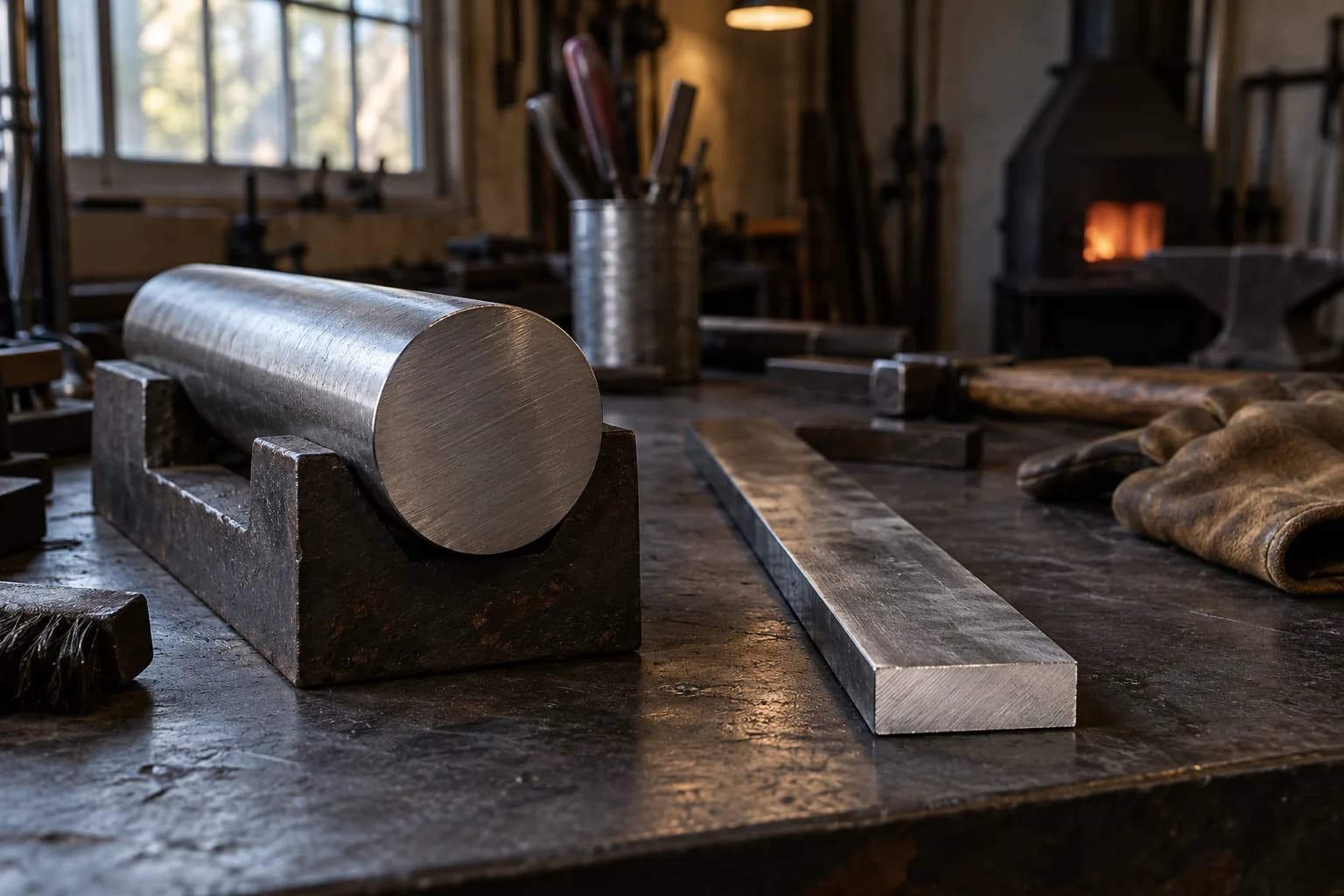
Conventional casting has a practical ceiling on how much vanadium and other strong carbide-forming elements can be added before carbides grow too large and unevenly distributed to be usable, hurting both toughness and the ability to take a refined edge. Because PM steel’s carbides form within microscopic, rapidly-cooled powder particles rather than a slowly-cooling ingot, much higher alloy content becomes practical while keeping carbides fine, which is exactly why high-vanadium PM steels like CPM S30V, CPM S45VN, or CPM MagnaCut can exist at all in a form that still sharpens and performs well.
CPM (Crucible Particle Metallurgy) is Crucible Industries’ specific trademarked powder metallurgy process, which is why it appears in the name of many PM steels made by that company (CPM S30V, CPM 3V, CPM M4, and others). Other manufacturers use their own PM processes under different names, but the underlying atomize-and-consolidate approach is fundamentally similar across the industry.
Better for a specific purpose, achieving high alloy content with fine, workable carbide structure, not universally superior in every respect. PM steel typically costs more to produce than conventional steel due to the additional processing steps, and a well-made conventional steel with a more modest alloy content (like 154CM or D2) still performs very well within what that alloy content is capable of. See Carbon Steel vs. Stainless vs. Tool Steel vs. Powder Metallurgy for how these categories relate.
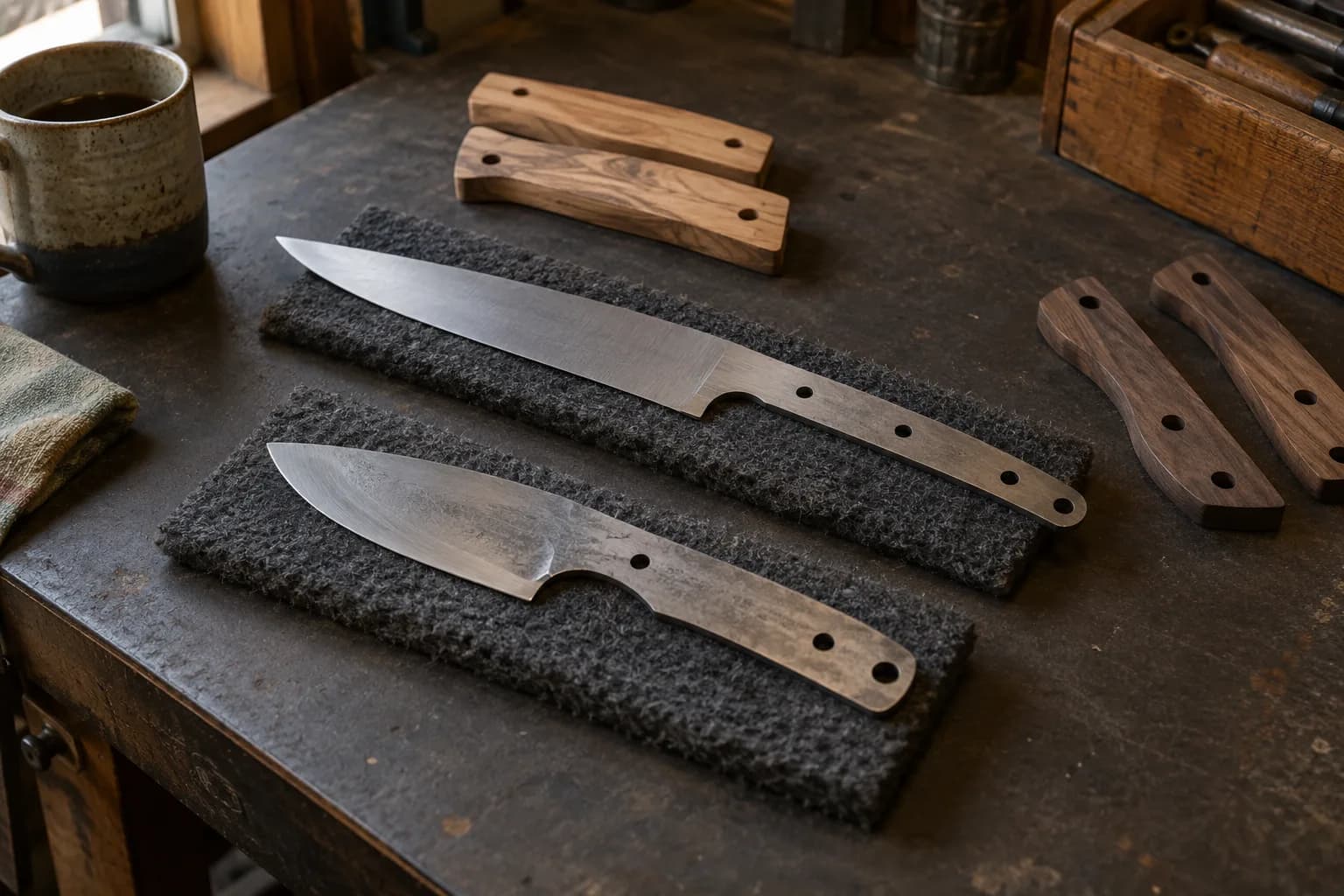
The main practical effect for knifemakers is carbide size and distribution, which drives both edge-sharpening behavior (see Carbide Size and Sharpening) and how much alloy content can be usefully packed into the steel. Heat-treat response and other properties are still primarily governed by the alloy recipe itself, not the manufacturing process.
The general principle is decades old, PM tool steels have existed since the 1970s, but continued refinement of the process and new alloy recipes built specifically to take advantage of it (like MagnaCut, designed with PM manufacturing in mind from the start) are what’s driven the more recent wave of high-performance PM knife steels.
Not at comparable alloy content using standard ingot casting; the fundamental limitation is how fast a large mass of molten steel can cool, which atomization sidesteps entirely by working with microscopic droplets instead. Some specialized conventional processes narrow the gap somewhat, but PM remains the more direct solution to the problem.
Keep reading
Three more from the same bench.
“Carbon steel,” “stainless steel,” “tool steel,” and “powder metallurgy steel” get used as if they’re four completely separate categories, but they…
Every knife steel is iron plus a specific recipe of other elements, and each of those elements pulls the steel’s behavior in a particular direction…
Two steels with similar hardness numbers can feel completely different under a sharpening stone, one glides along smoothly, another feels like it’s…
Same bench
I machine the parts, hand-assemble, track and test Torus grinders in Sterling, Illinois. Most orders ship in seven to ten business days from time of order.
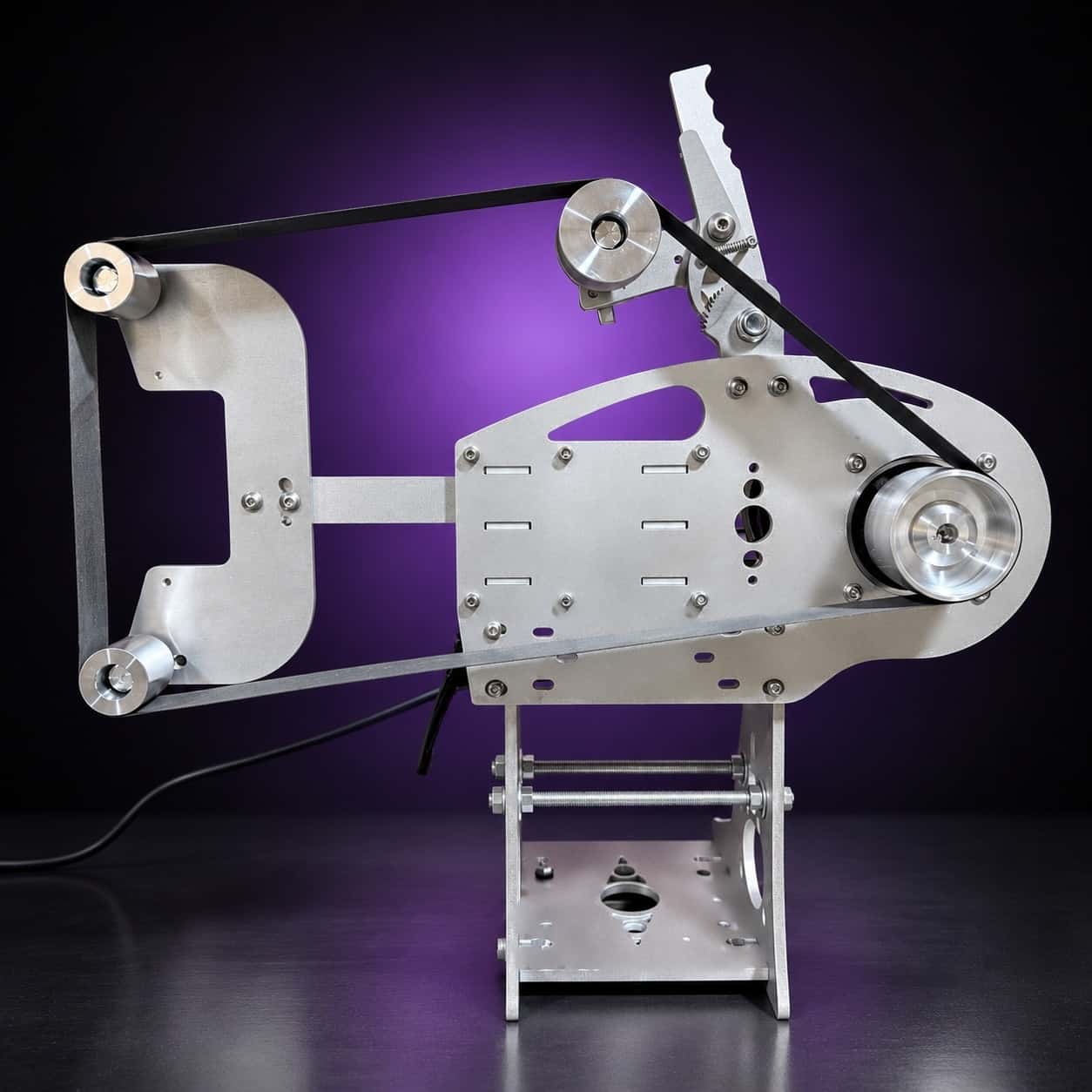
Current dual-axis platform with a fiber-laser-cut 6061 chassis and single-knob tracking.
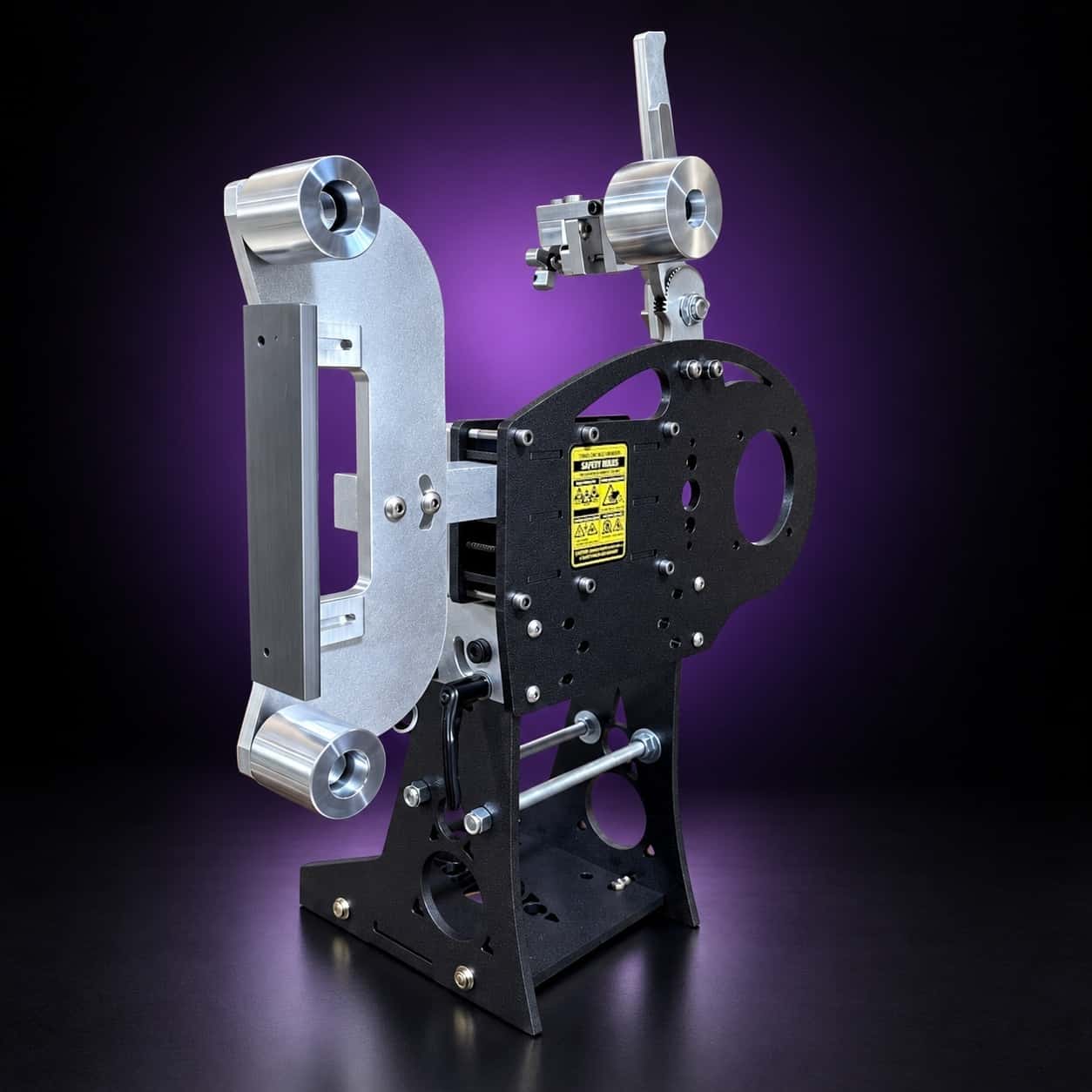
Current dual-axis platform with a steel chassis, more mass and less vibration.
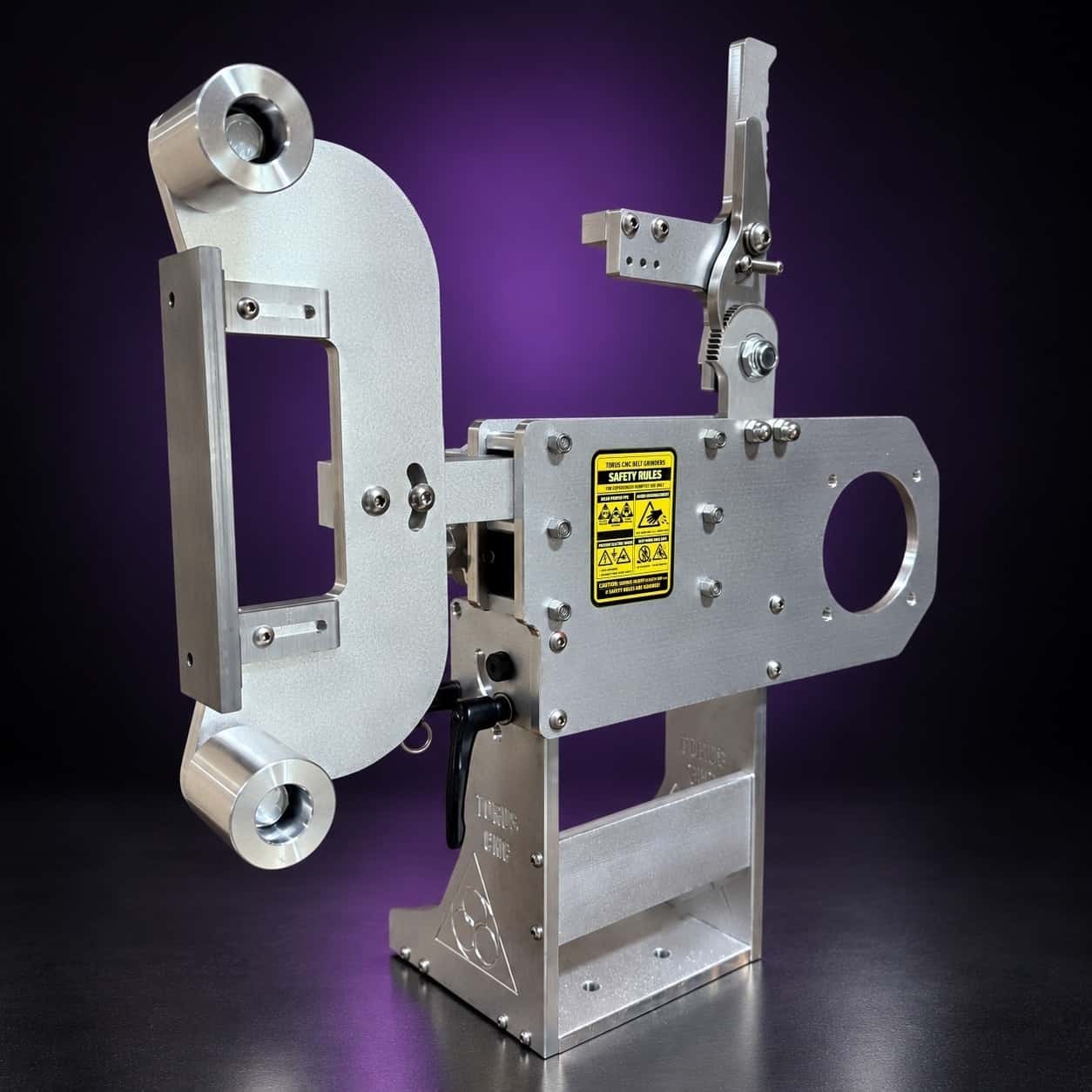
Prior-design aluminum chassis, 90-degree tilt and 1.5-inch tooling arms.
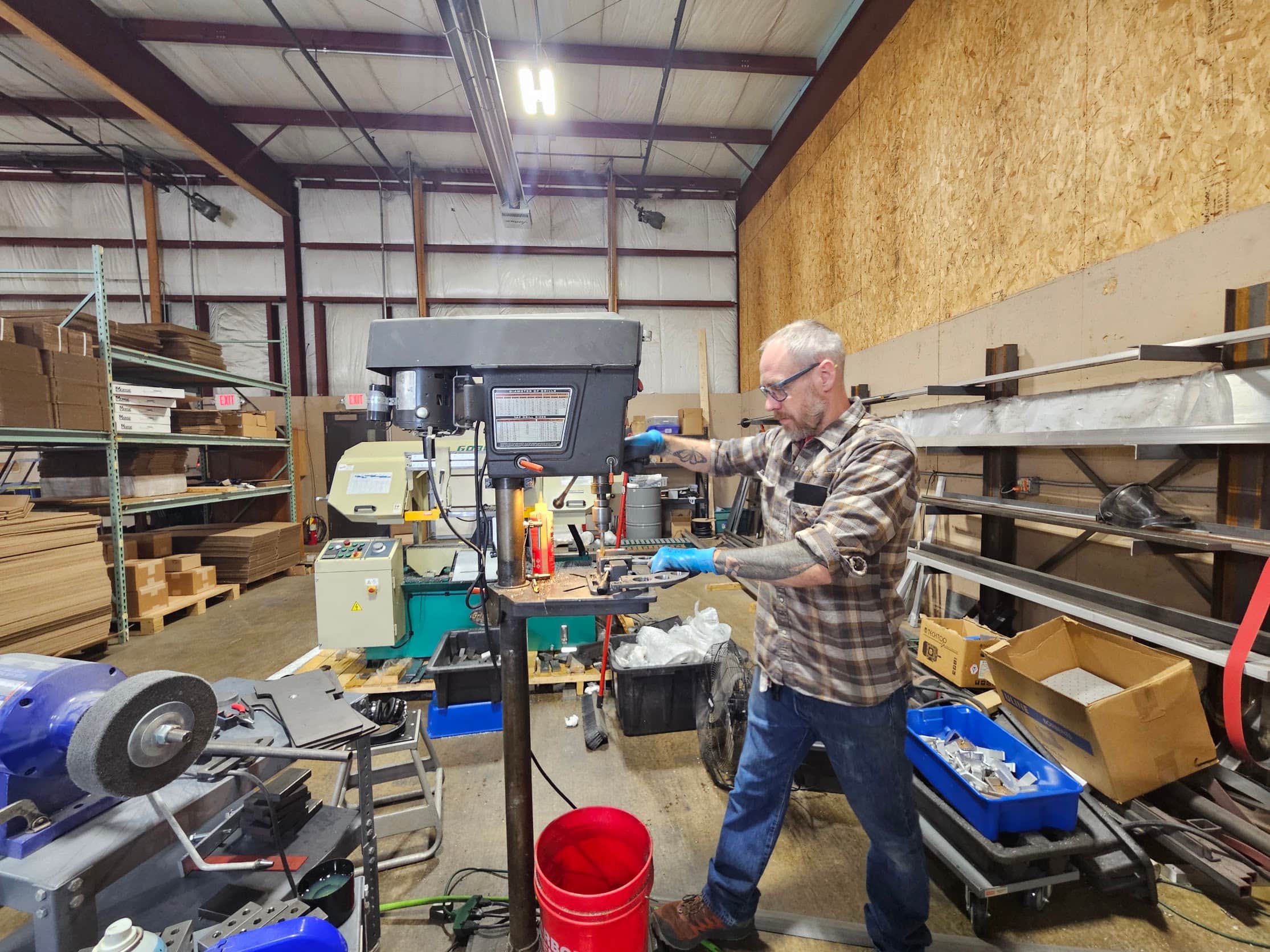
One-man shop
I answer my own email. Tell me the steel, the machine and what it is doing, and I will tell you what I would try next.