
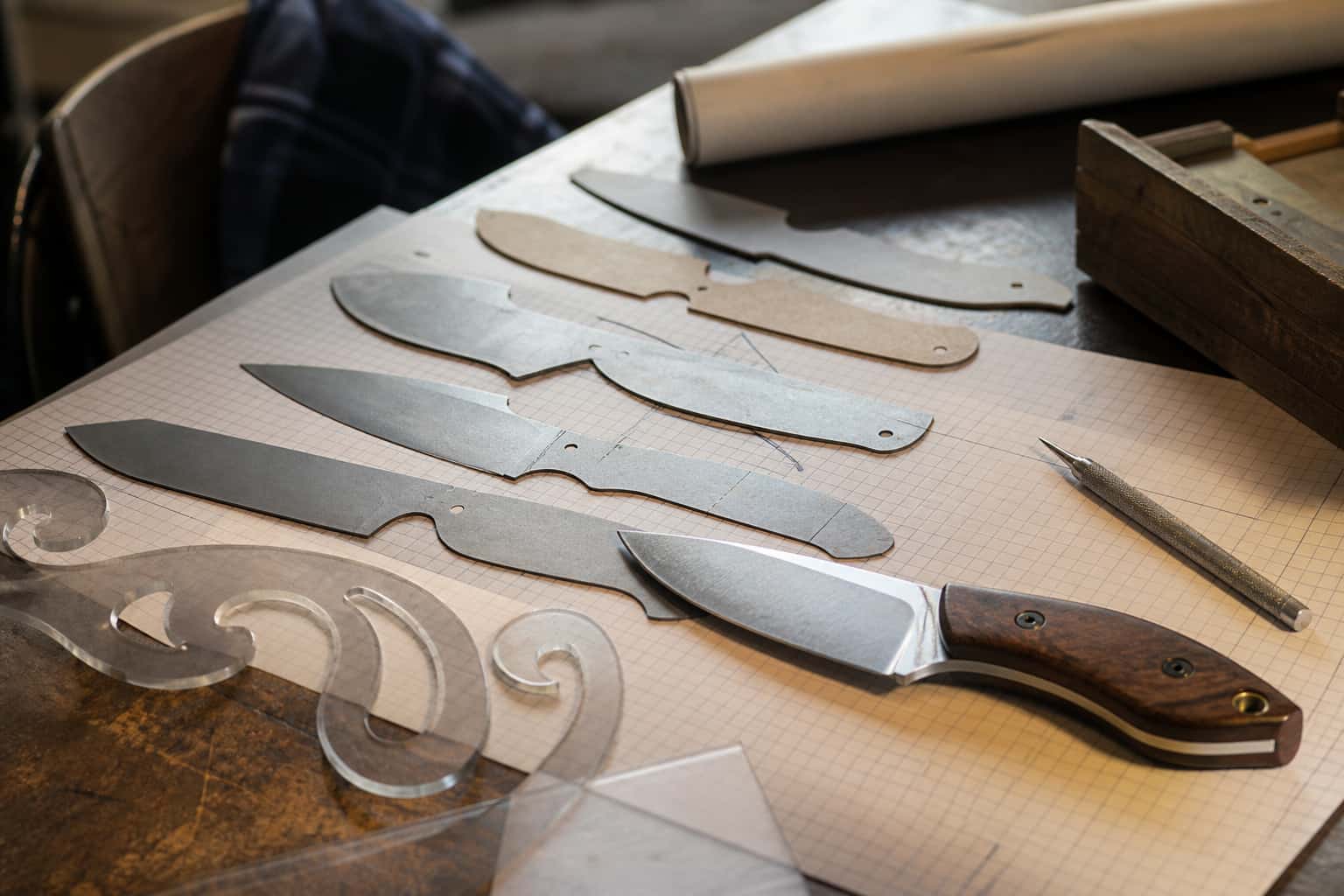
Blade Design
Full Tang vs. Hidden Tang Construction
Tang construction, how far the blade steel actually extends into the handle, affects strength, weight, balance, and how a knife is actually built, and…
Beginner Guides
Bill Moran, Bob Loveless, Bob Kramer and Neil Kamimura: how each shaped modern knifemaking, from reviving Damascus to the drop point, with sources.
3 min readWritten by Rich LinvilleFree to read
Modern knifemaking owes a lot to a handful of individuals who either revived lost techniques, popularized enduring designs, or brought the craft to a completely new audience. Here are four bladesmiths whose work genuinely shaped the hobby and industry as it exists today.
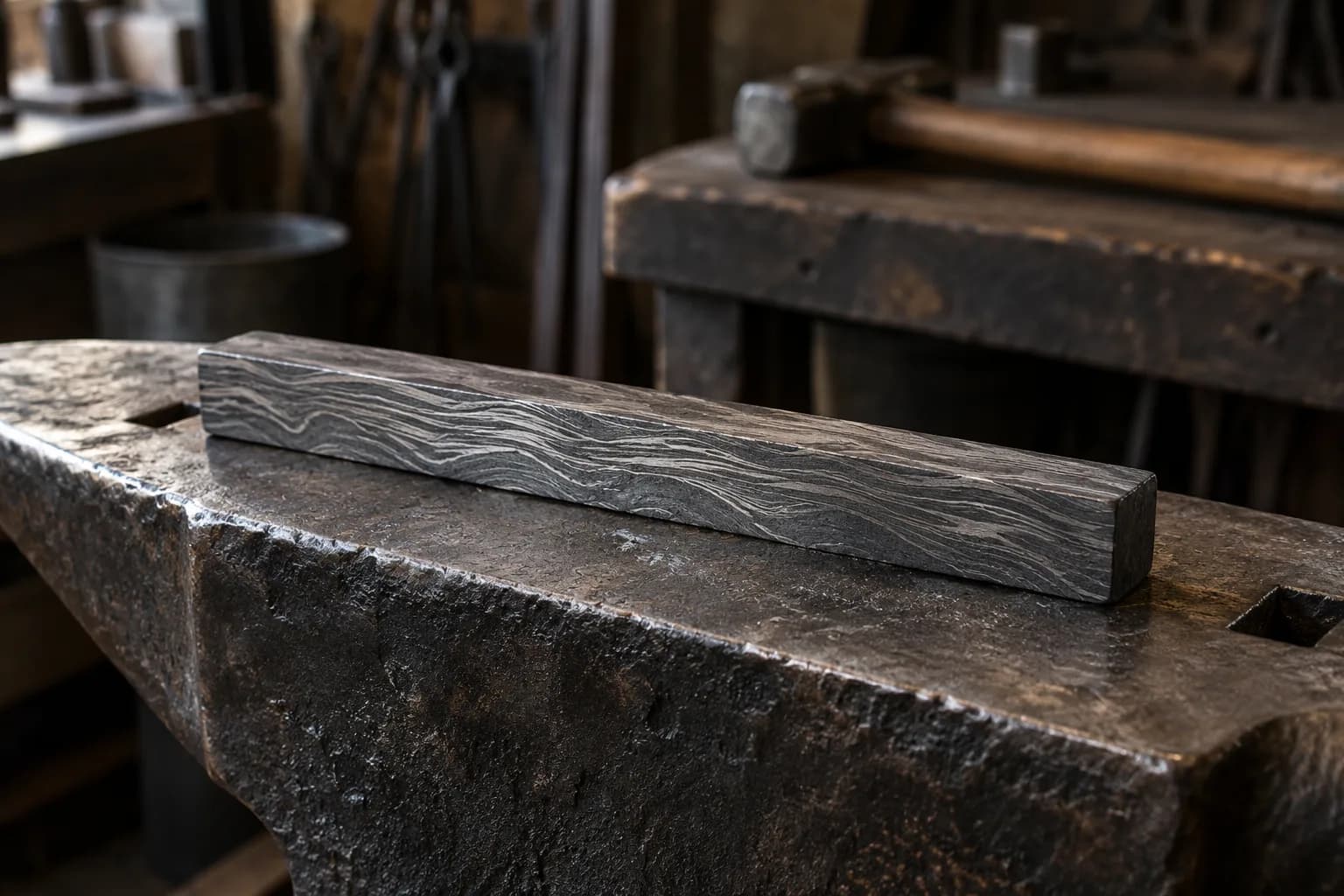
William F. Moran Jr. (1925-2006) is credited with reintroducing pattern-welded steel, what most people call “Damascus steel,” to modern knifemaking. Moran spent years in the late 1960s teaching himself the forging process through trial and error, then unveiled eight pattern-welded blades at a 1973 knife show, handing out a booklet explaining the process to everyone in attendance rather than keeping the technique to himself. He founded the American Bladesmith Society in 1976, and the organization’s bladesmithing school, now the Bill Moran School of Bladesmithing in Texarkana, Texas, still carries his name.
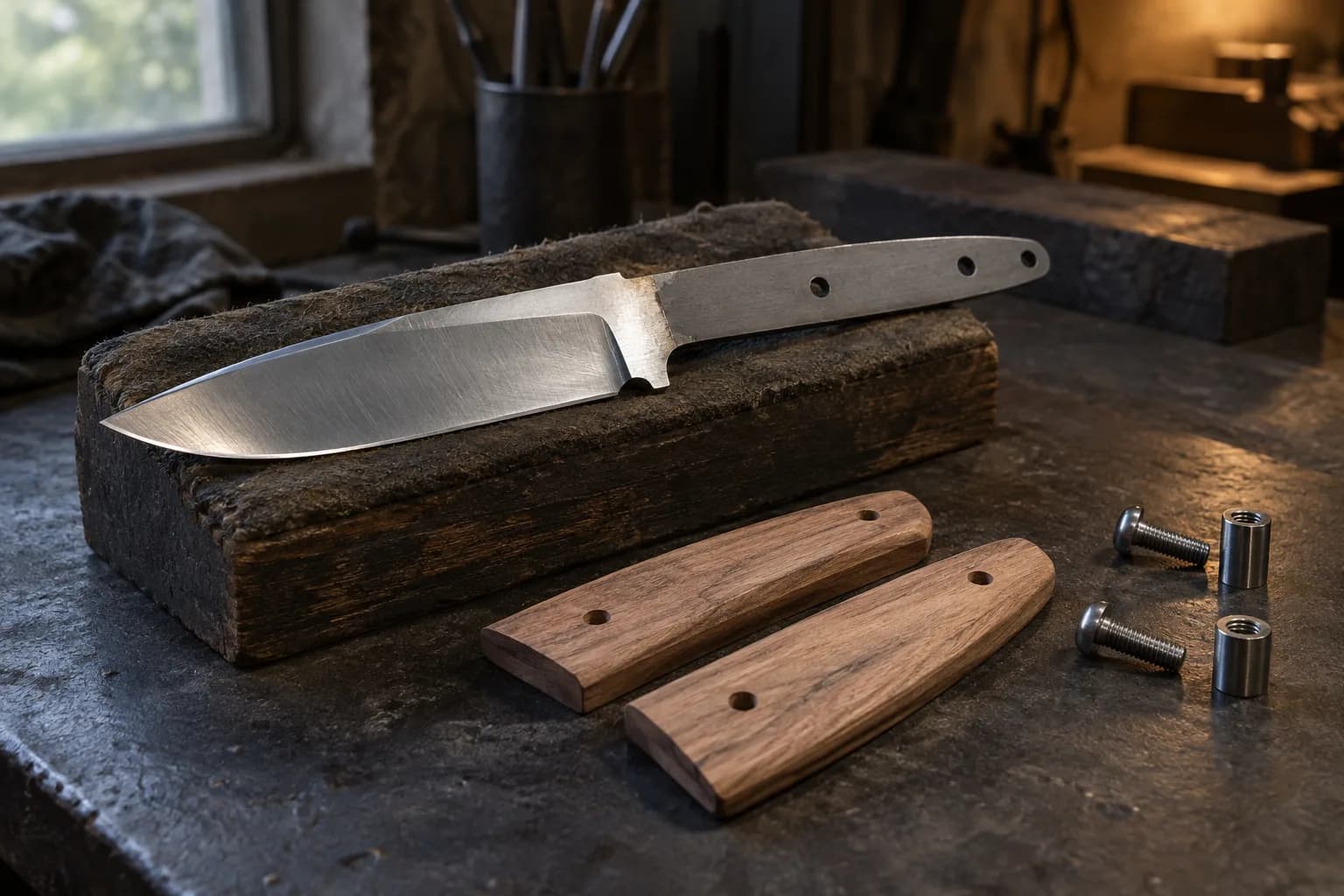
Robert “Bob” Loveless (1929-2010) didn’t invent the drop point blade, but he made it famous. His drop-point hunter design from the 1960s became one of the most copied blade shapes in the industry, and he’s also credited with popularizing full tapered tangs and screw-type handle fasteners, the same Loveless bolt construction covered in Hidden Fasteners for Knife Handles. Loveless was a founding member of the Knifemakers’ Guild in 1970 and was inducted into the BLADE magazine Cutlery Hall of Fame in 1985.
Bob Kramer’s path to bladesmithing was anything but direct, he worked as a chef, performed improv theater, and even traveled with a circus before starting a knife-sharpening business in Seattle. Inspired by a magazine photo, he took a bladesmithing class in 1992 and earned the American Bladesmith Society’s Master Smith title in 1997, a designation held by fewer than 200 people. Rather than focusing on the fighting knives he originally trained on, Kramer turned to kitchen knives, drawing on his chef background, and is now widely considered one of the finest kitchen knife makers working today.
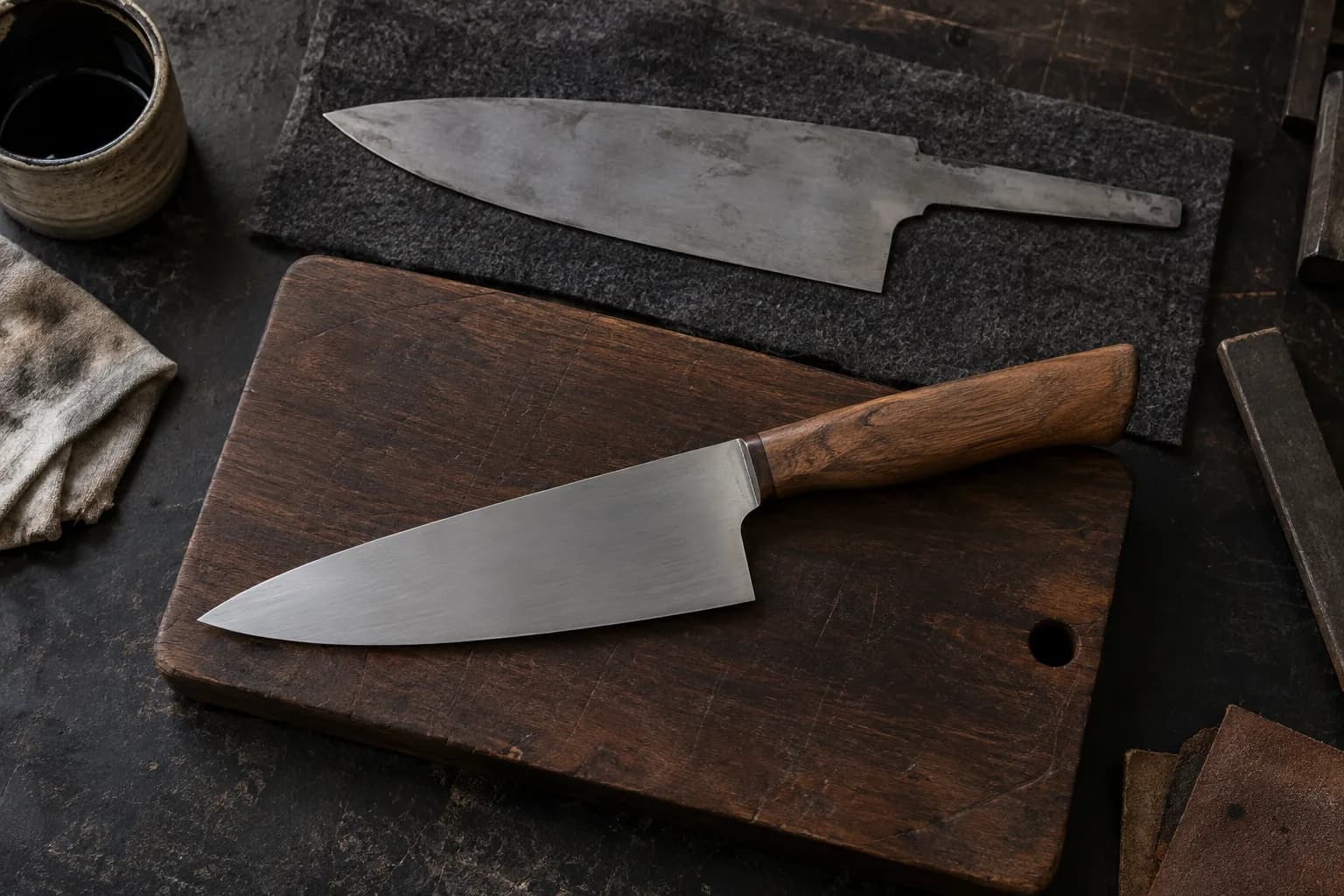
Neil Kamimura’s story is a genuinely fast one: he won an episode of History Channel’s Forged in Fire as a complete novice, beating three more experienced competitors, only about eight months after making his first knife. His family has a real blacksmithing legacy, his great-grandfather Teiji Kamimura immigrated to Hawaii in the 1920s and became one of the territory’s first Japanese business owners making sugar cane knives for plantation workers. Neil has since built a full-time bladesmithing career and made custom weapons for actor Jason Momoa’s character in the Apple TV+ series See.
Between them, these four makers cover almost every path into the craft: reviving a lost technique through pure trial and error (Moran), refining and popularizing a design others then copied for decades (Loveless), bringing outside expertise (cooking) into a specialized niche (Kramer), and going from a first knife to real recognition in under a year (Kamimura). None of them started as a “natural,” each one built skill through real, sustained practice, which is worth remembering on a frustrating day at the grinder.
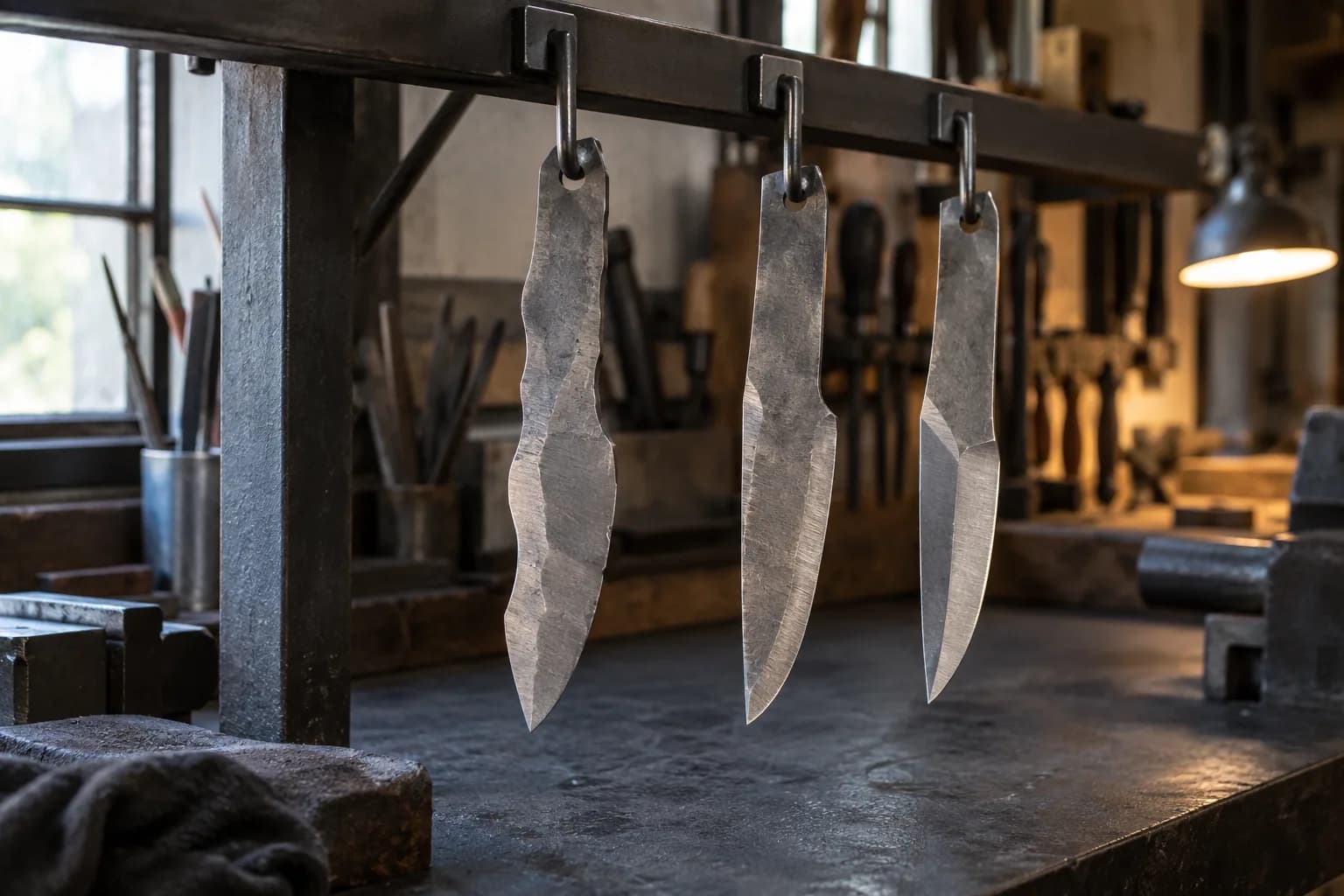
No, pattern-welded steel is an ancient technique. Moran’s contribution was reviving and popularizing it in modern American knifemaking after the process had largely been lost to the craft, and openly sharing his process with other makers instead of guarding it as a trade secret.
The American Bladesmith Society’s highest bladesmithing credential, earned by passing a rigorous performance test (including cutting through rope and chopping through wood with a hand-forged blade) after years of documented work. Fewer than 200 people have ever earned the title.
About eight months from his first knife to his competition win, an unusually fast timeline that reflects intense, focused practice rather than a typical learning curve for the craft.
Bill Moran: Wikipedia, BLADE Magazine. Bob Loveless: Wikipedia. Bob Kramer: ThurstonTalk, Gear Patrol. Neil Kamimura: Men’s Journal, Hook & Barrel Magazine.
Keep reading
Three more from the same bench.
Tang construction, how far the blade steel actually extends into the handle, affects strength, weight, balance, and how a knife is actually built, and…
Beyond simple pins, several hardware systems let a maker attach handle scales with a cleaner look, added mechanical strength, or the option to service the…
With dozens of knife steels to choose from, picking your first one can feel overwhelming. The good news: for a first knife, the right answer is almost…
Same bench
I machine the parts, hand-assemble, track and test Torus grinders in Sterling, Illinois. Most orders ship in seven to ten business days from time of order.
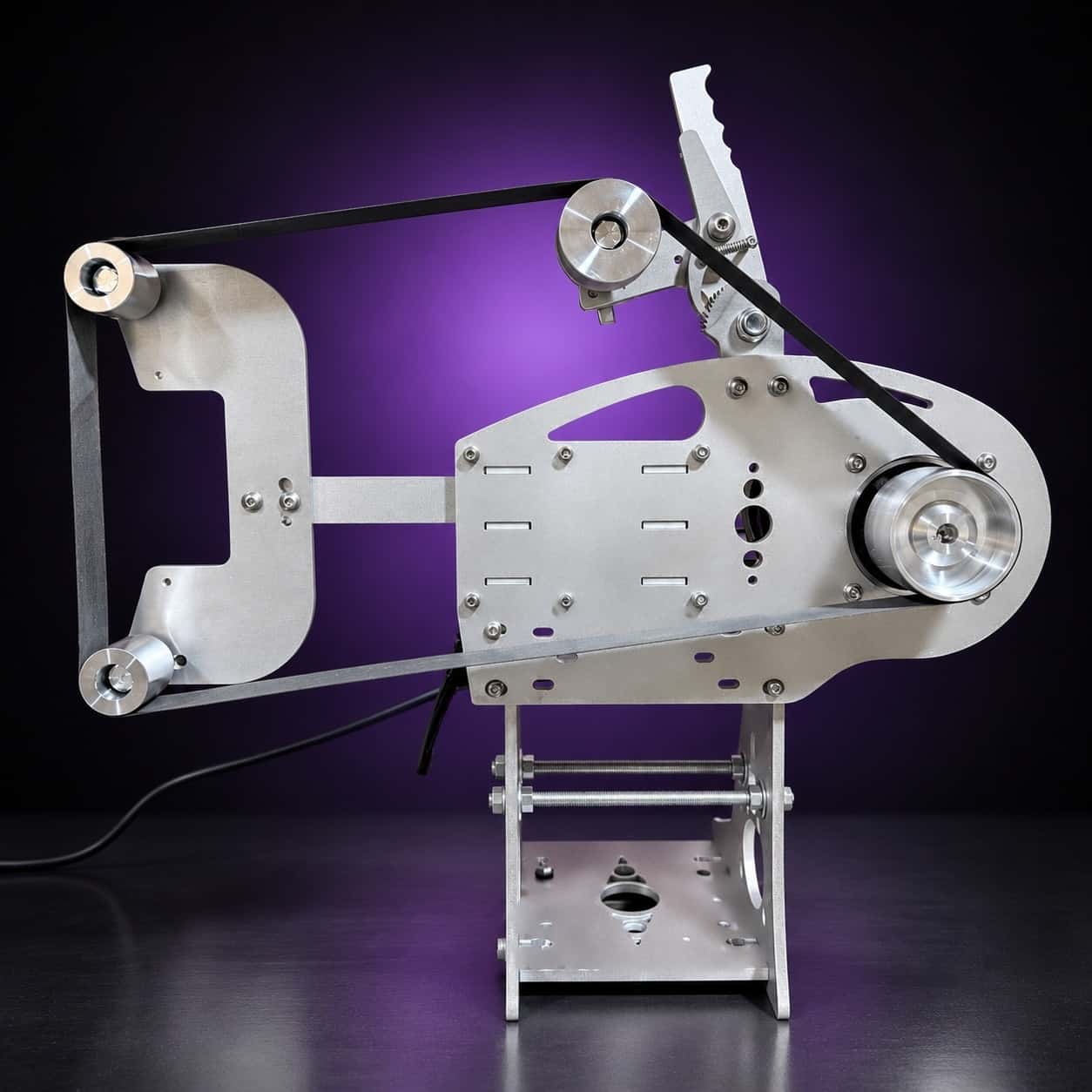
Current dual-axis platform with a fiber-laser-cut 6061 chassis and single-knob tracking.
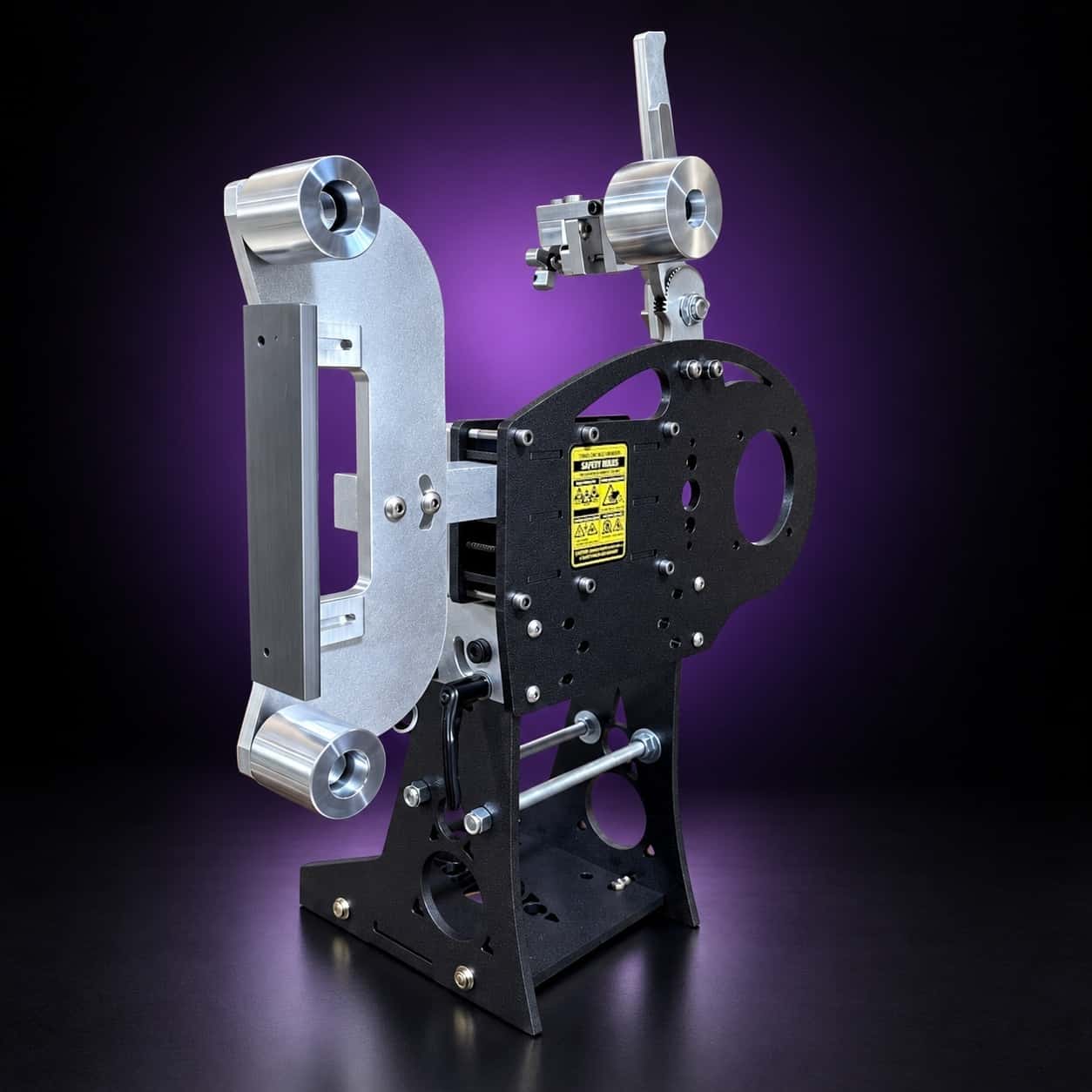
Current dual-axis platform with a steel chassis, more mass and less vibration.
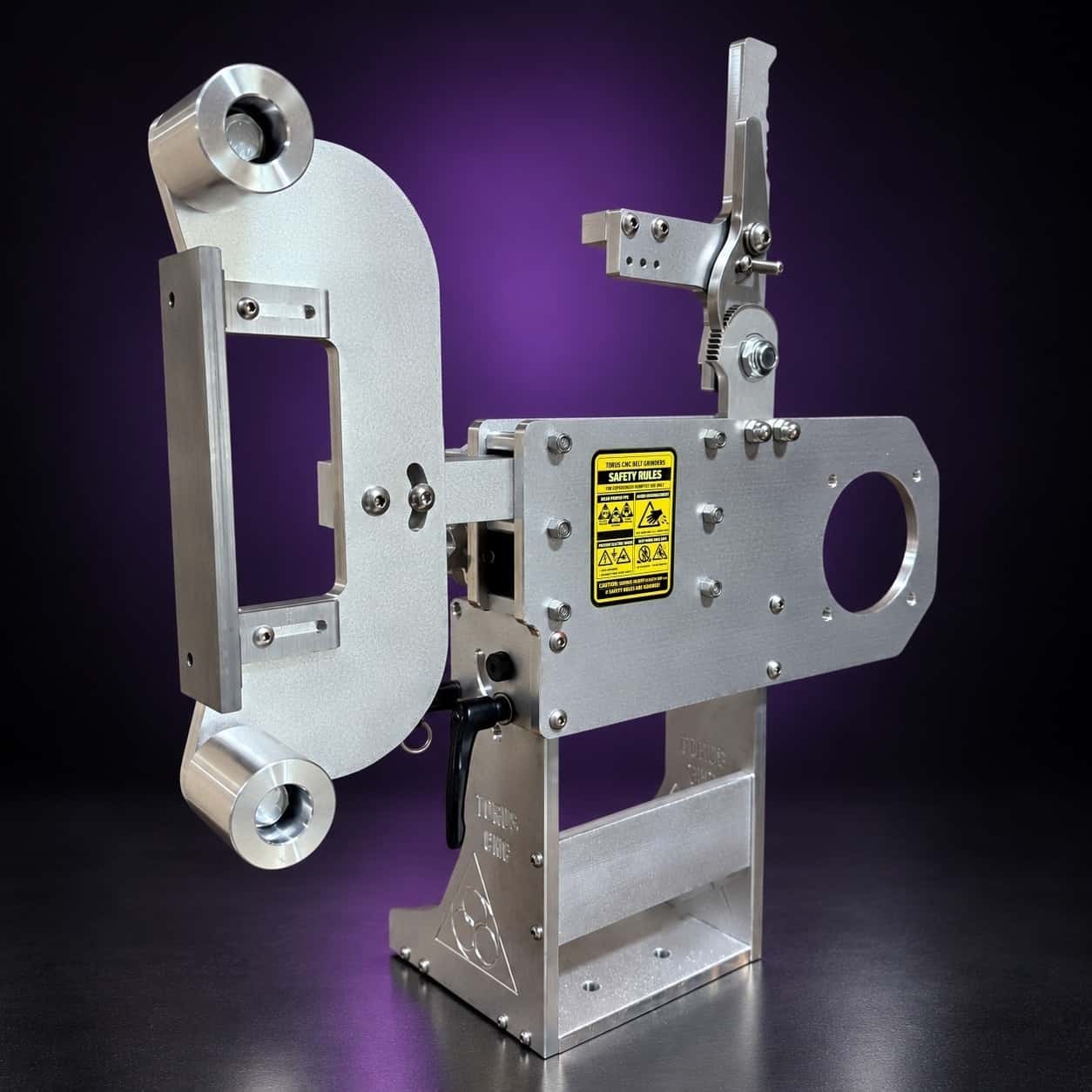
Prior-design aluminum chassis, 90-degree tilt and 1.5-inch tooling arms.
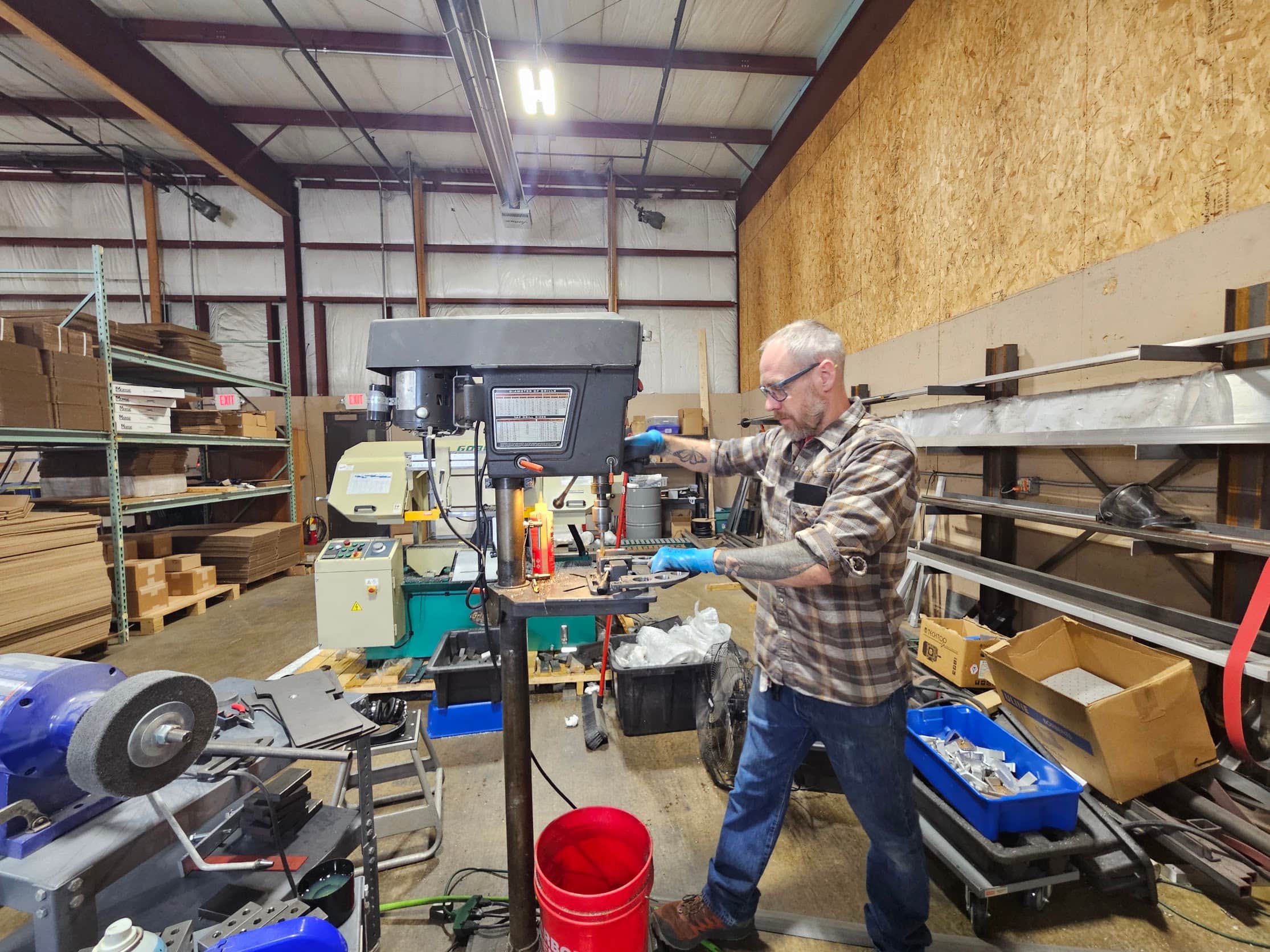
One-man shop
I answer my own email. Tell me the steel, the machine and what it is doing, and I will tell you what I would try next.