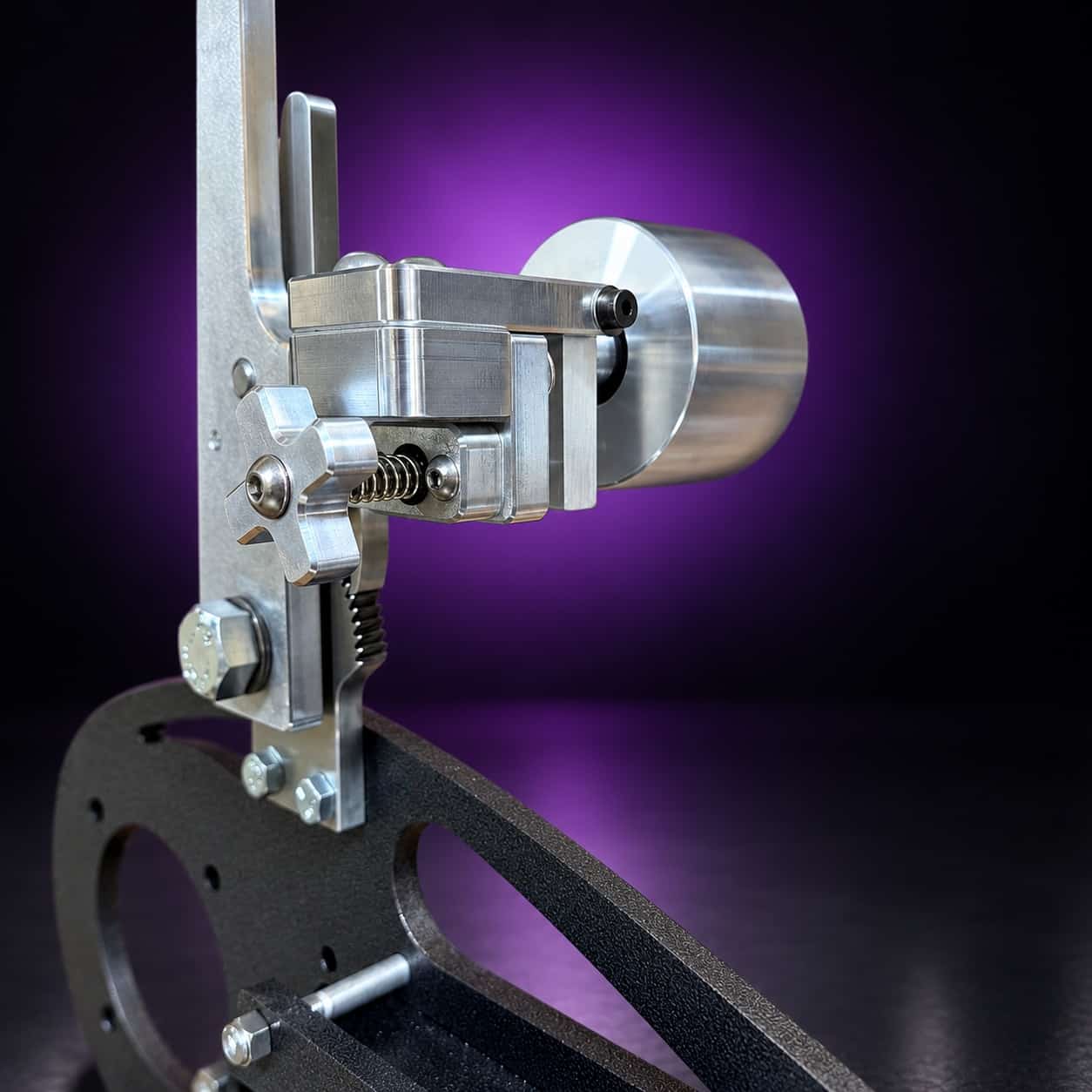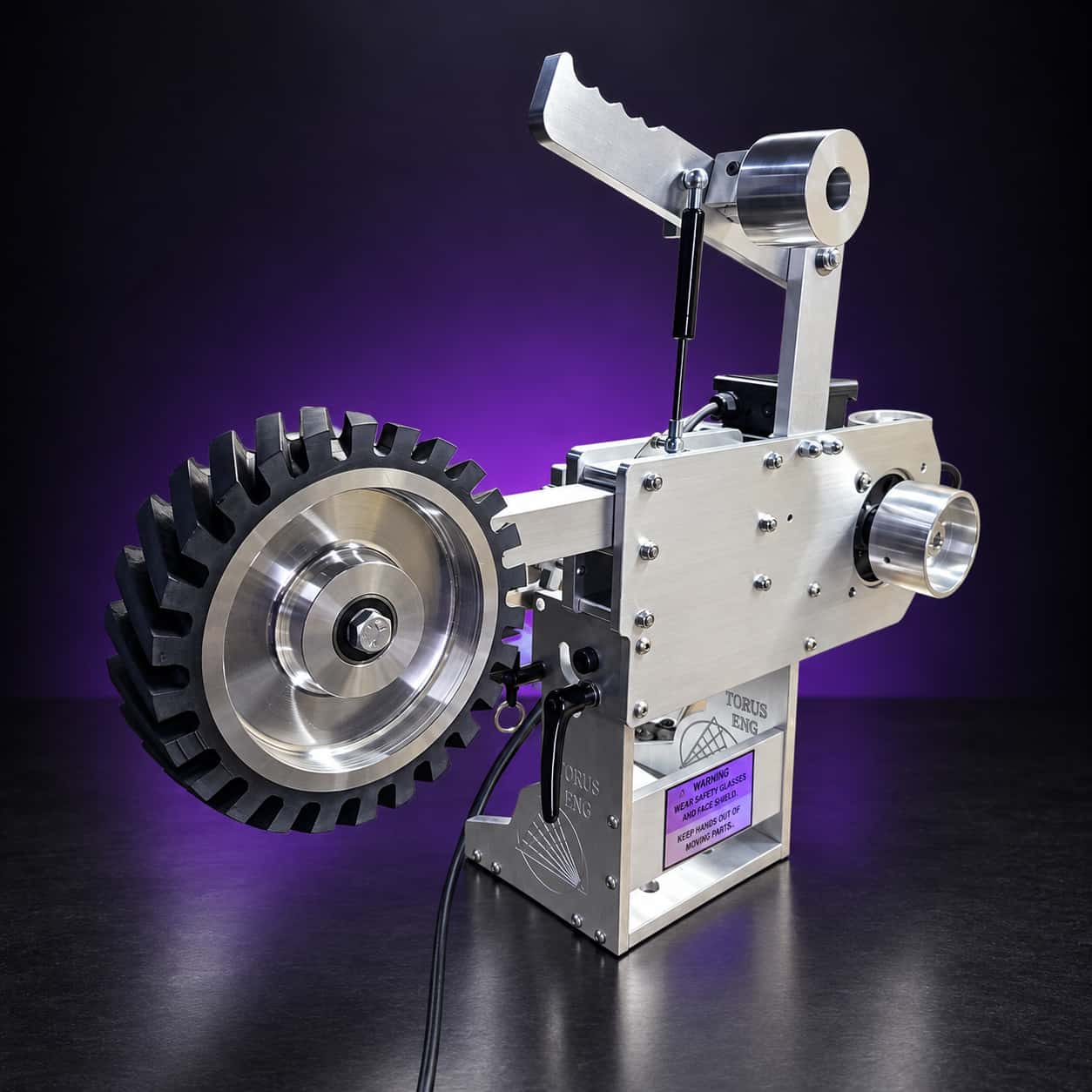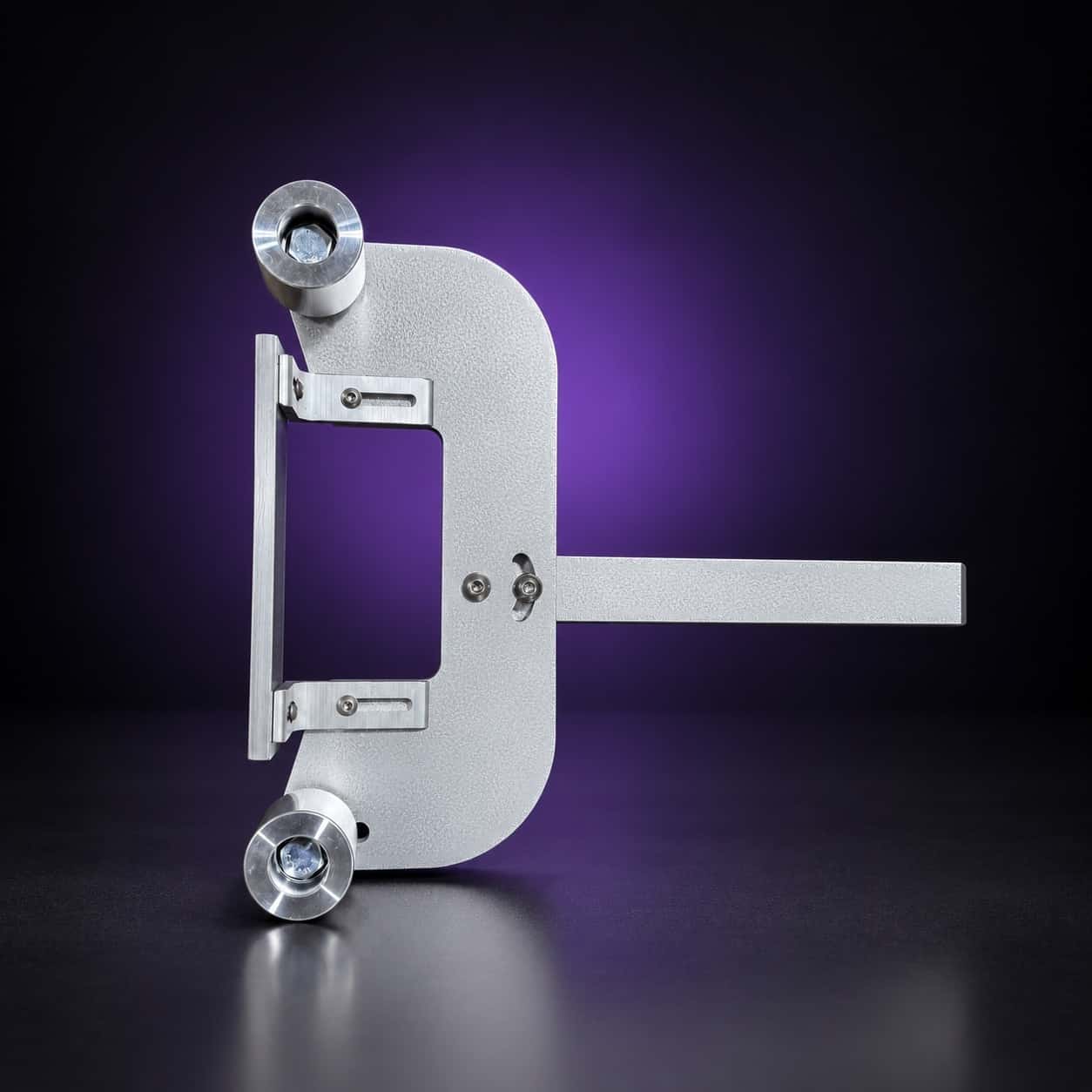

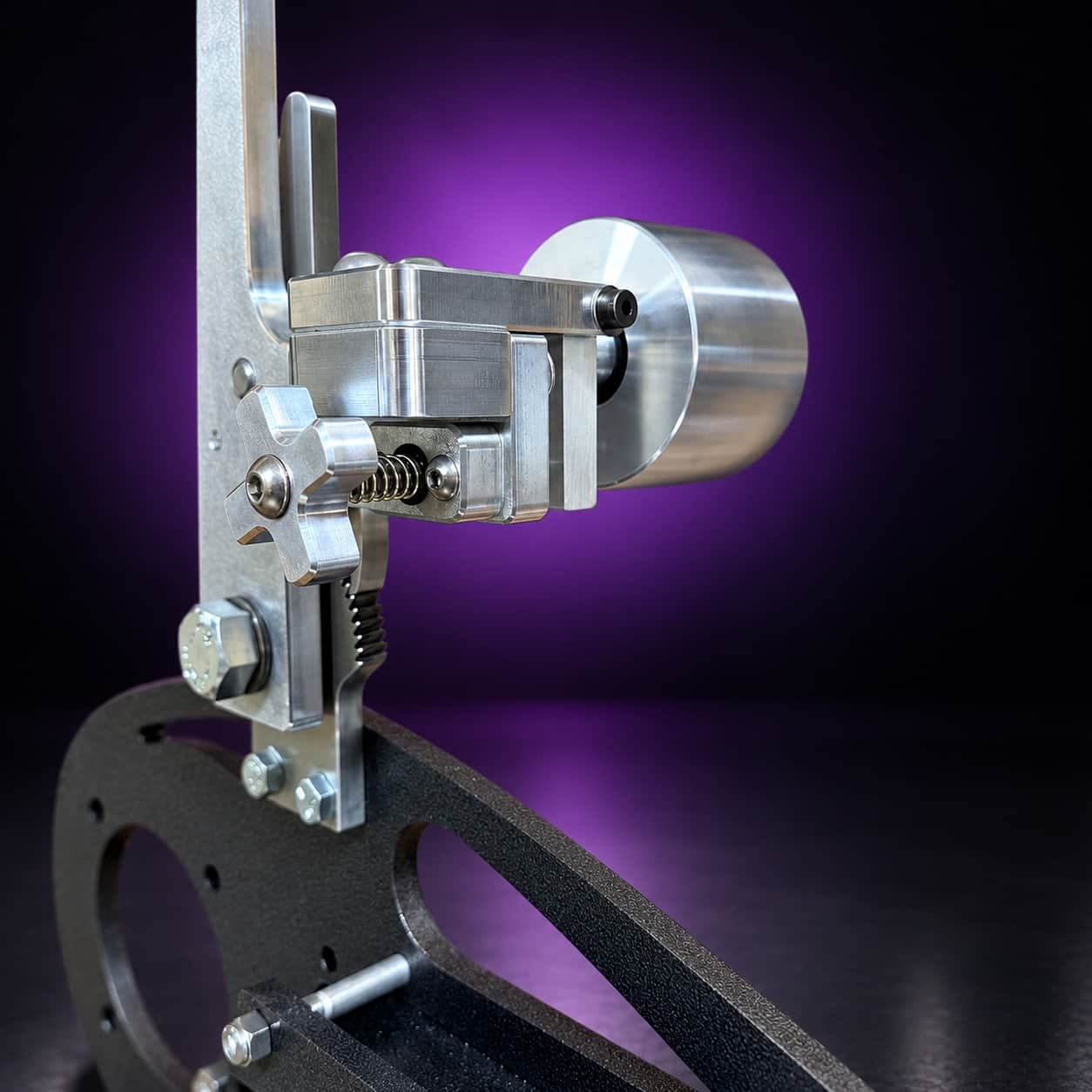
Nebula dual-axis tracking assembly: star knob, spring and idler wheel, close-up, on black with a purple glow

Troubleshooting

Platen or Contact Wheel Wearing Unevenly

Work back from what it is doing to what caused it, then to the fix that addresses the cause. Nothing here needs a sign-up.
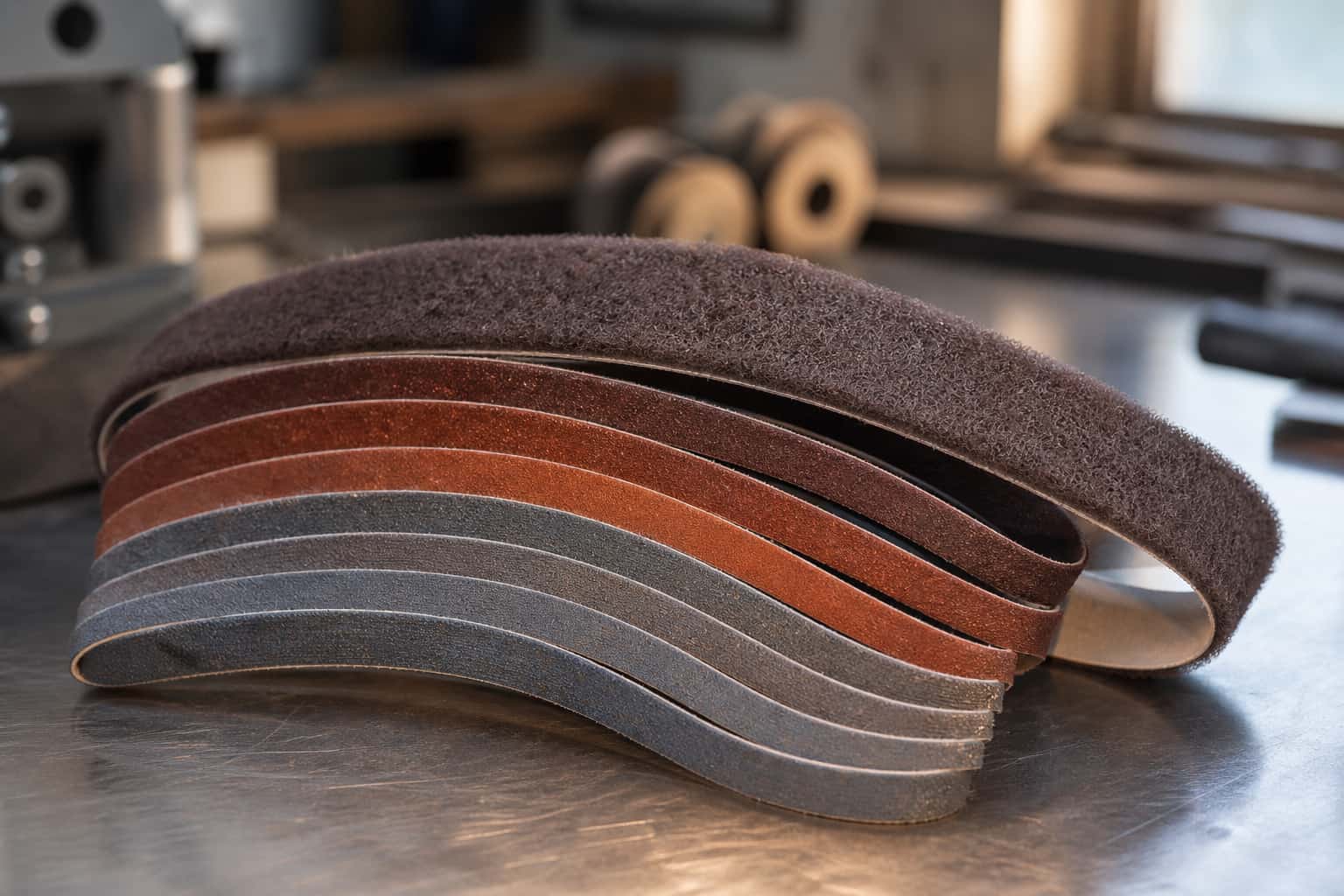
Abrasives and belt grinding in a working knife shop
If a symptom appears mid-job, put the work down and check it before continuing.
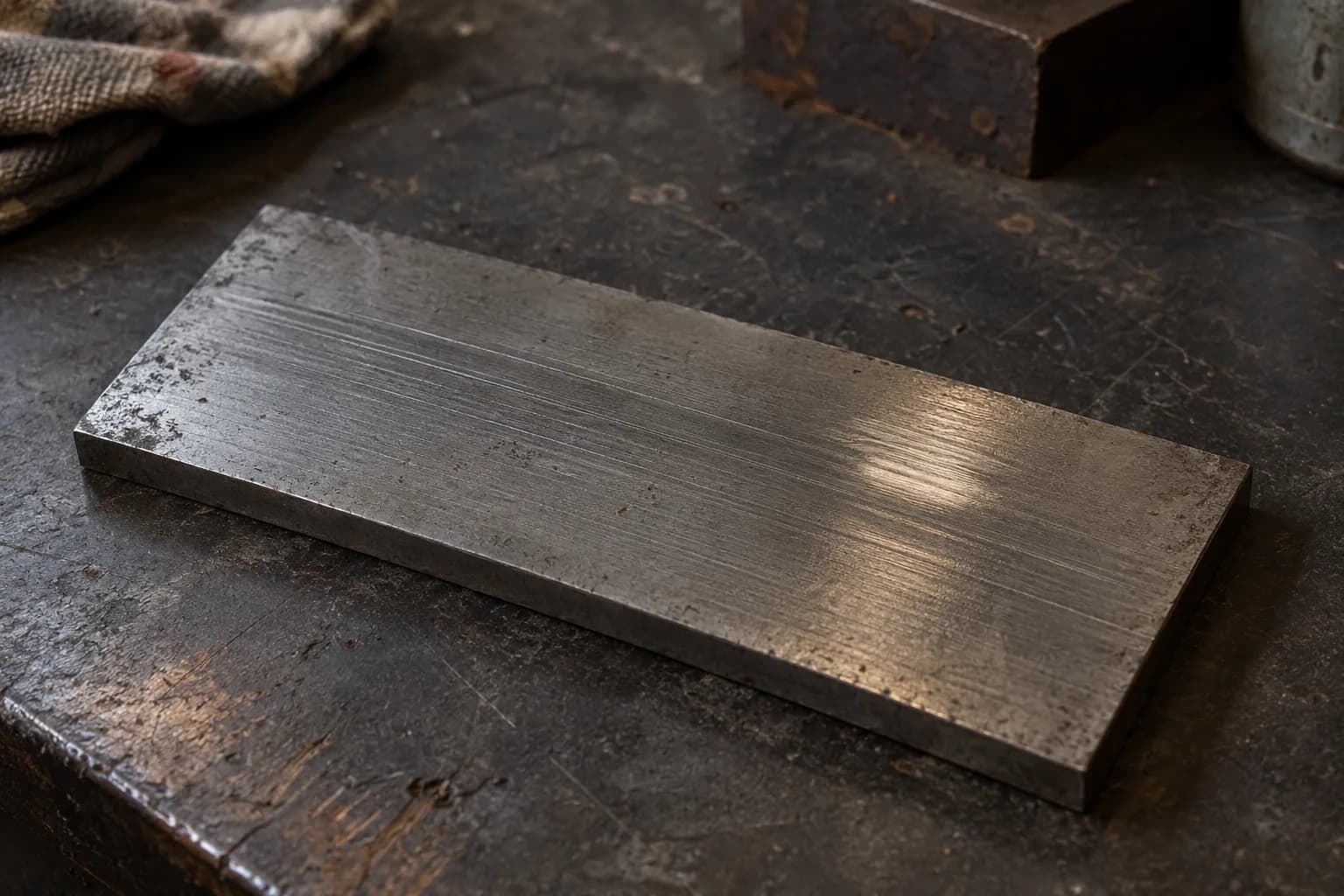
Removed flat steel platen plate lying face-up on a dark bench, showing fine lengthwise wear lines and a polished patch

The flow

Work it in this order

Causes first, then the quick checks, the fix, prevention and the stop-work point.
  1. Likely causes

    • Repeatedly grinding in the same small section of the platen or wheel instead of spreading wear across the surface
    • Using a worn-out belt well past its useful life, which concentrates uneven abrasive pressure
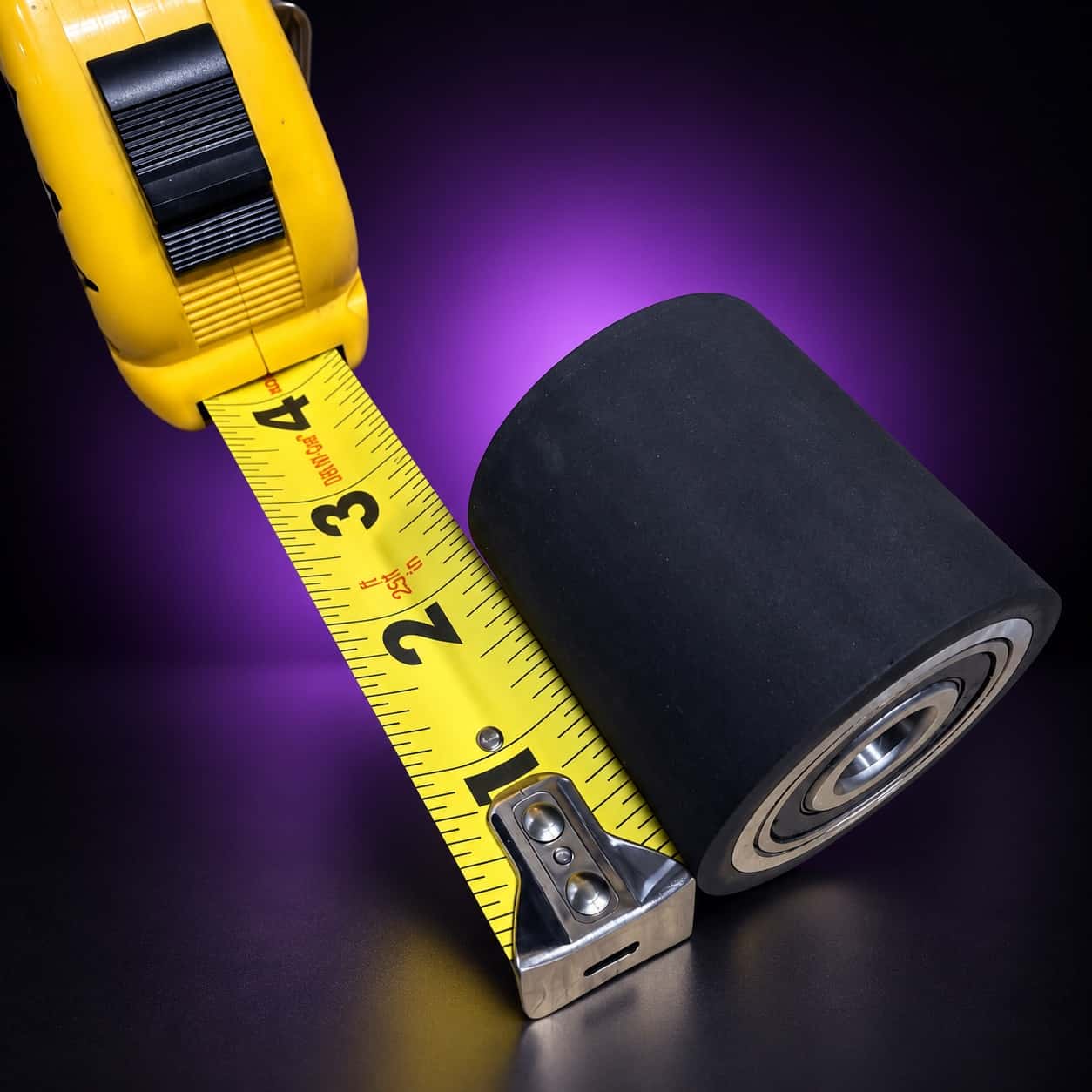
    • A contact wheel that's gone out of round from age, heat, or a manufacturing defect
    • Excessive pressure in one spot instead of even, consistent contact
  2. Quick checks

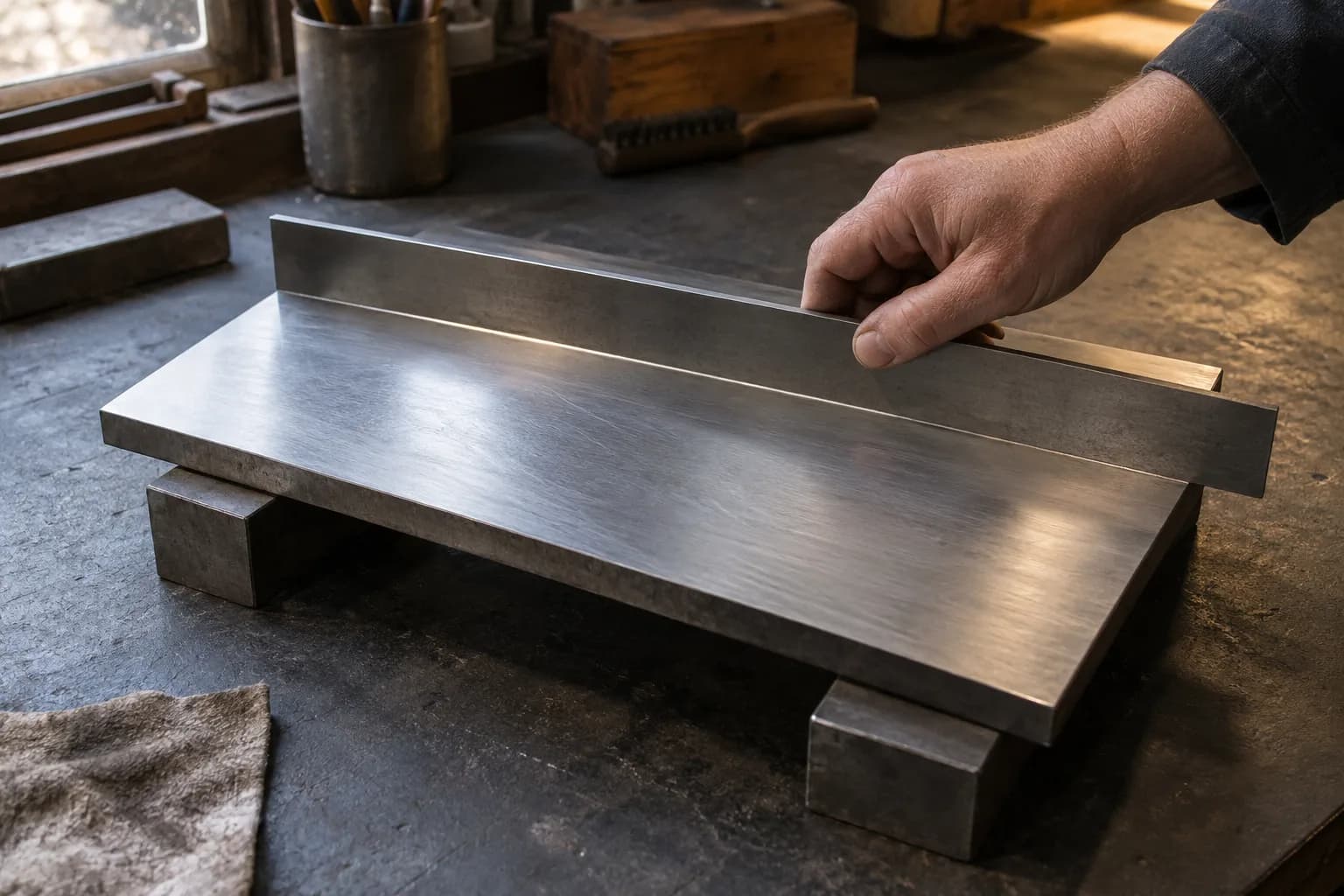
    • Run a straightedge or fingernail across the platen looking and feeling for grooves or high spots
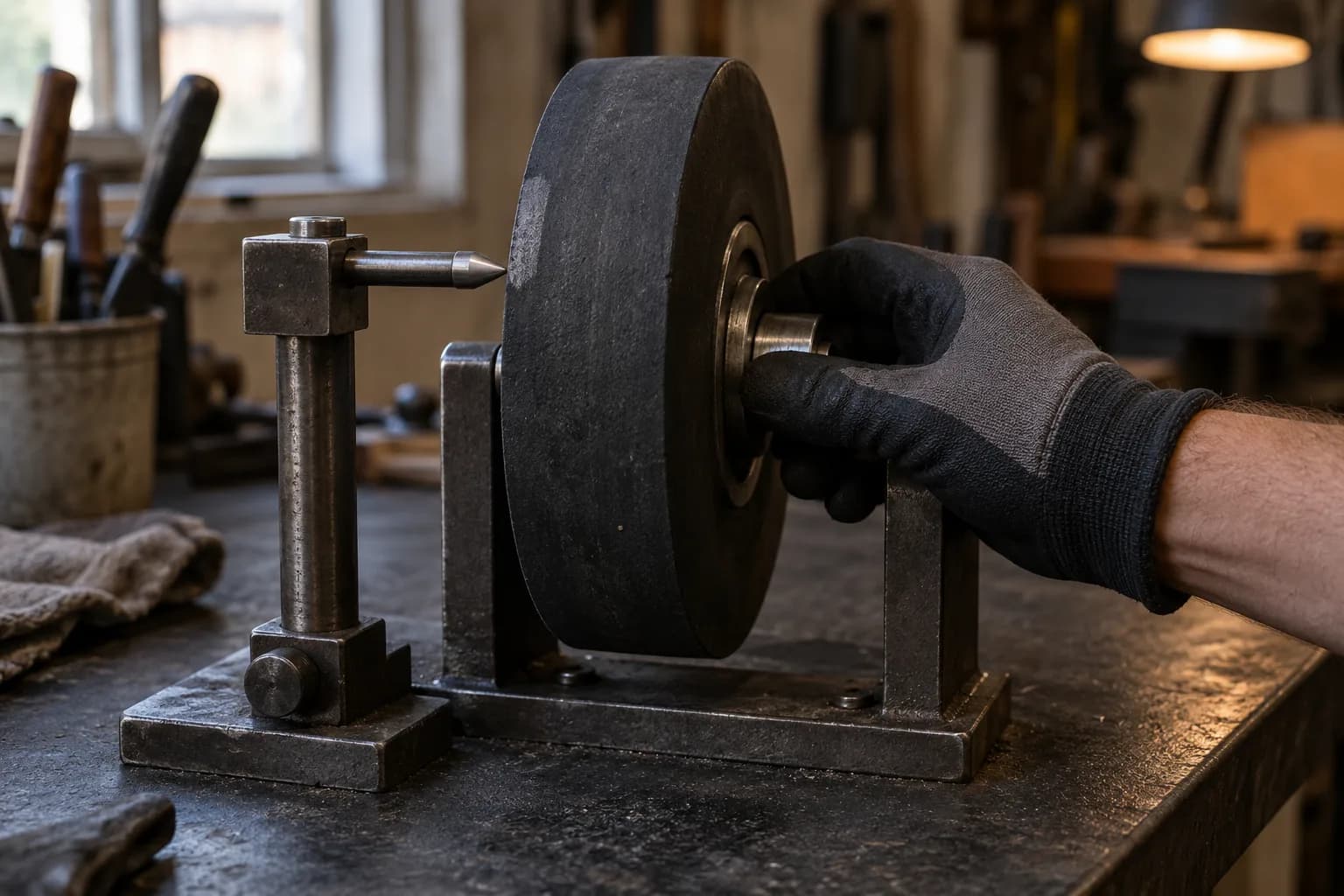
    • Spin the contact wheel by hand and watch for visible wobble or flat spots
    • Check whether grinding habits favor one small area of the platen over the rest of its surface
Gloved hand turning a dark rubber contact wheel on a bench stand, with a fixed pointer tip held near its edge
  1. Fixes

    • Replace a grooved platen surface, most flat platen attachments use a replaceable wear plate rather than requiring the whole attachment be swapped
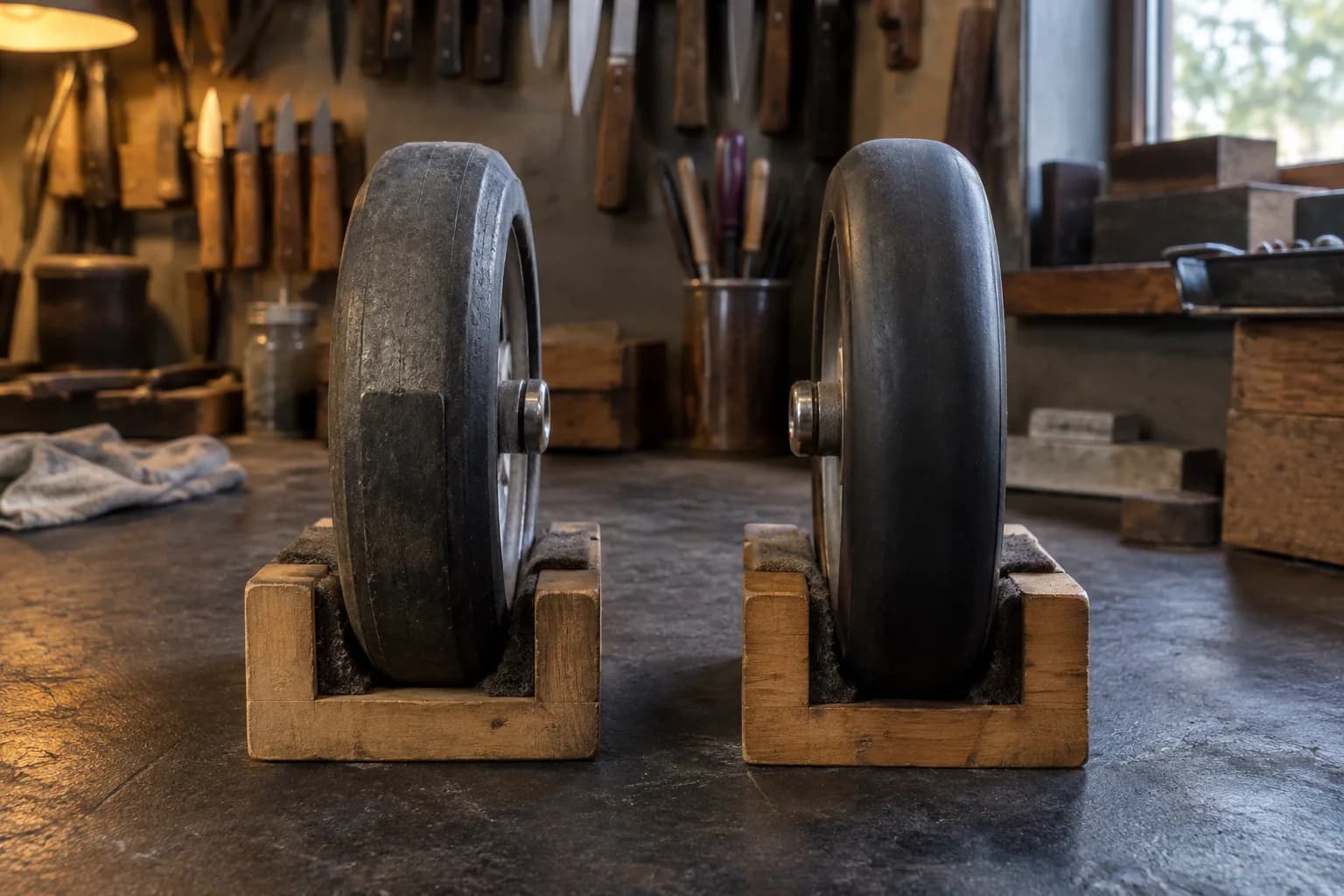
    • Replace a rubber contact wheel that's out of round or has developed flat spots, a wheel that isn't true will never grind evenly no matter what else is corrected
    • Retire belts before they're fully worn out rather than running them until they're visibly ragged
Worn rubber contact wheel with a flat spot beside a round replacement, each resting in a padded wooden cradle on a bench
  1. Prevention

    • Deliberately vary hand position across the full width of the platen or wheel during regular use, not just at the point of a specific grind
    • Rotate through belts before they're completely worn rather than concentrating wear on old, degraded abrasive
    • Inspect the platen and contact wheel periodically as part of normal shop maintenance
Bare hand rests an unmarked steel straightedge on a smooth steel plate supported on two blocks on a charcoal bench.
  1. When to stop

    If a contact wheel is visibly out of round or wobbling at speed, stop and replace it before continuing, an unbalanced wheel spinning at grinder speed is a mechanical safety concern, not just a quality issue.

Keep reading

Guides that cover the cause

The long-form version of the fix above, written from the same bench.

Same bench

When the machine is the cause

Flex, a soft platen or a tracking knob that will not hold can show up as a bad grind. I machine the parts, hand-assemble, track and test each Torus grinder in Sterling, Illinois.
One-man shop

Not sure which cause you have?

Send me a photo and describe what happened before it went wrong. Include the machine, belt and steel when they are relevant.