Maintenance and Productivity
Achieving Perfect Belt Tracking with CNC Machining
A belt that walks off the wheel is not bad luck, it is geometry. Here is how tension, wheel alignment and frame flex interact, and why a CNC-machined chassis holds tracking that a welded frame loses.
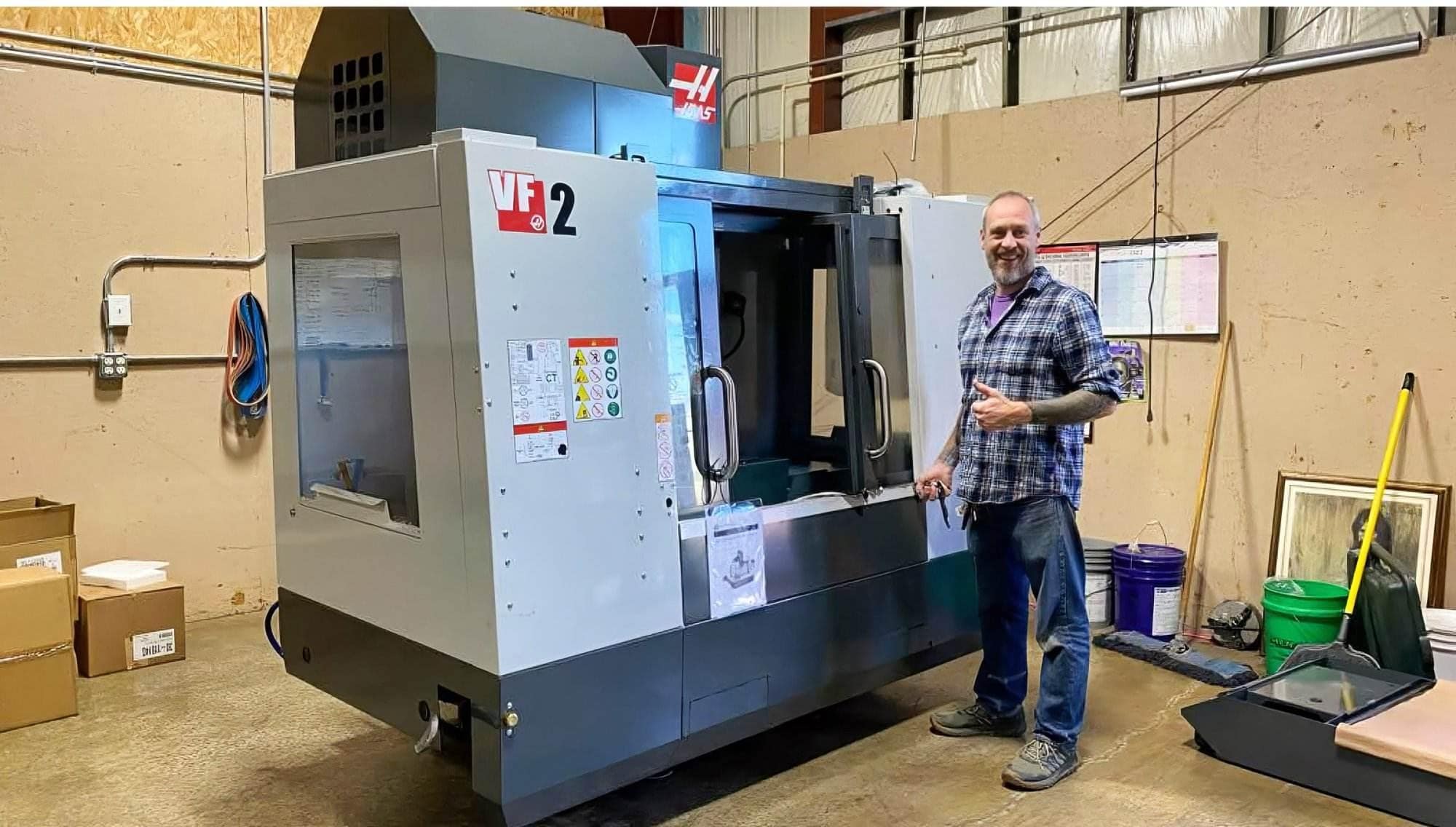
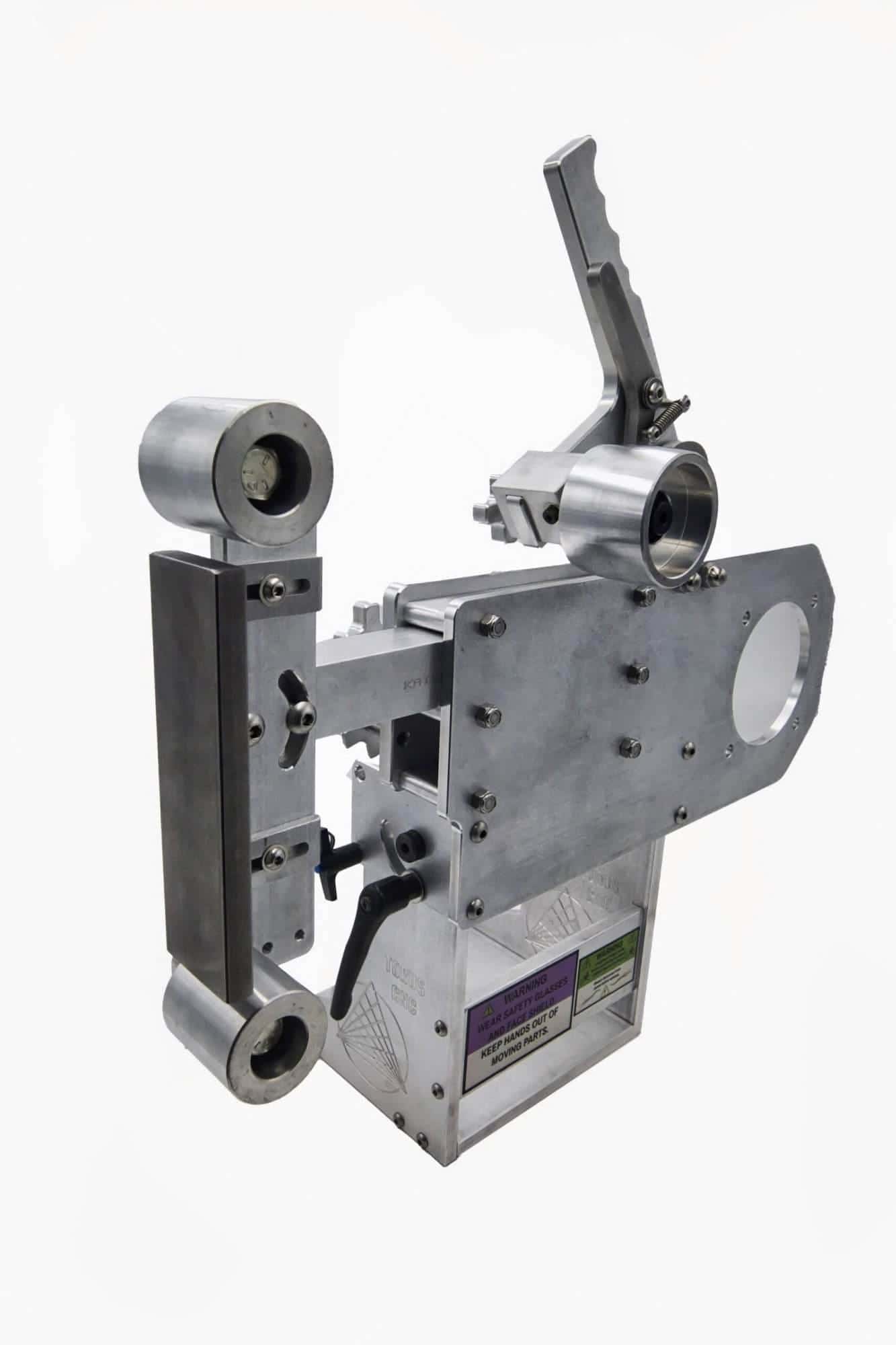
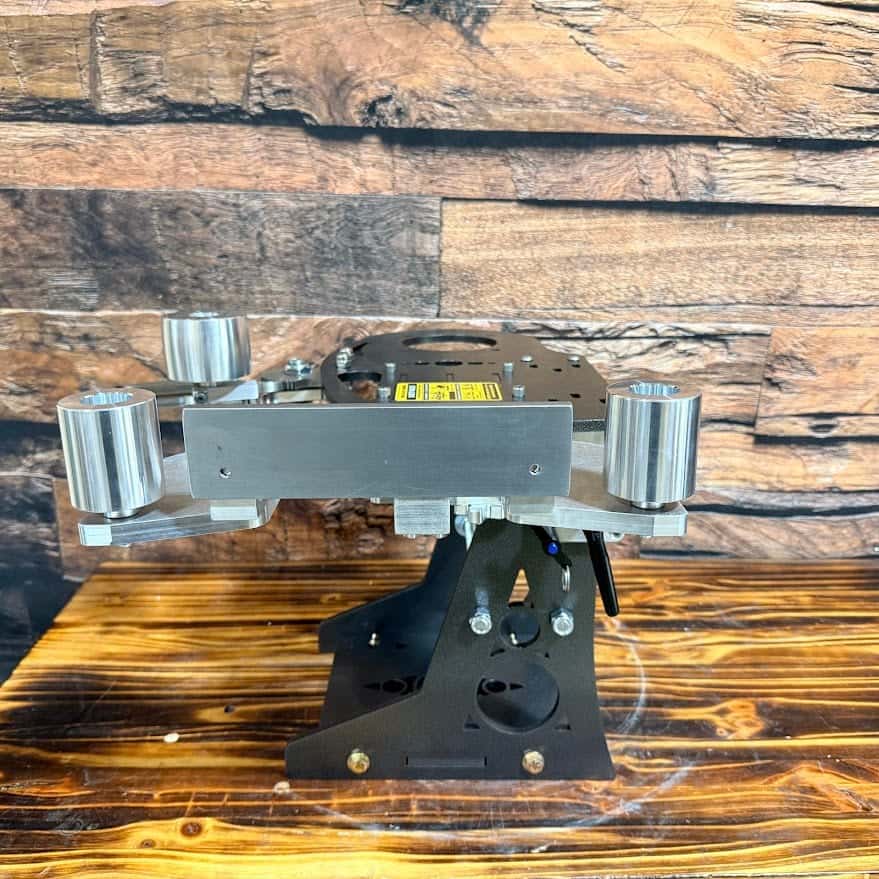
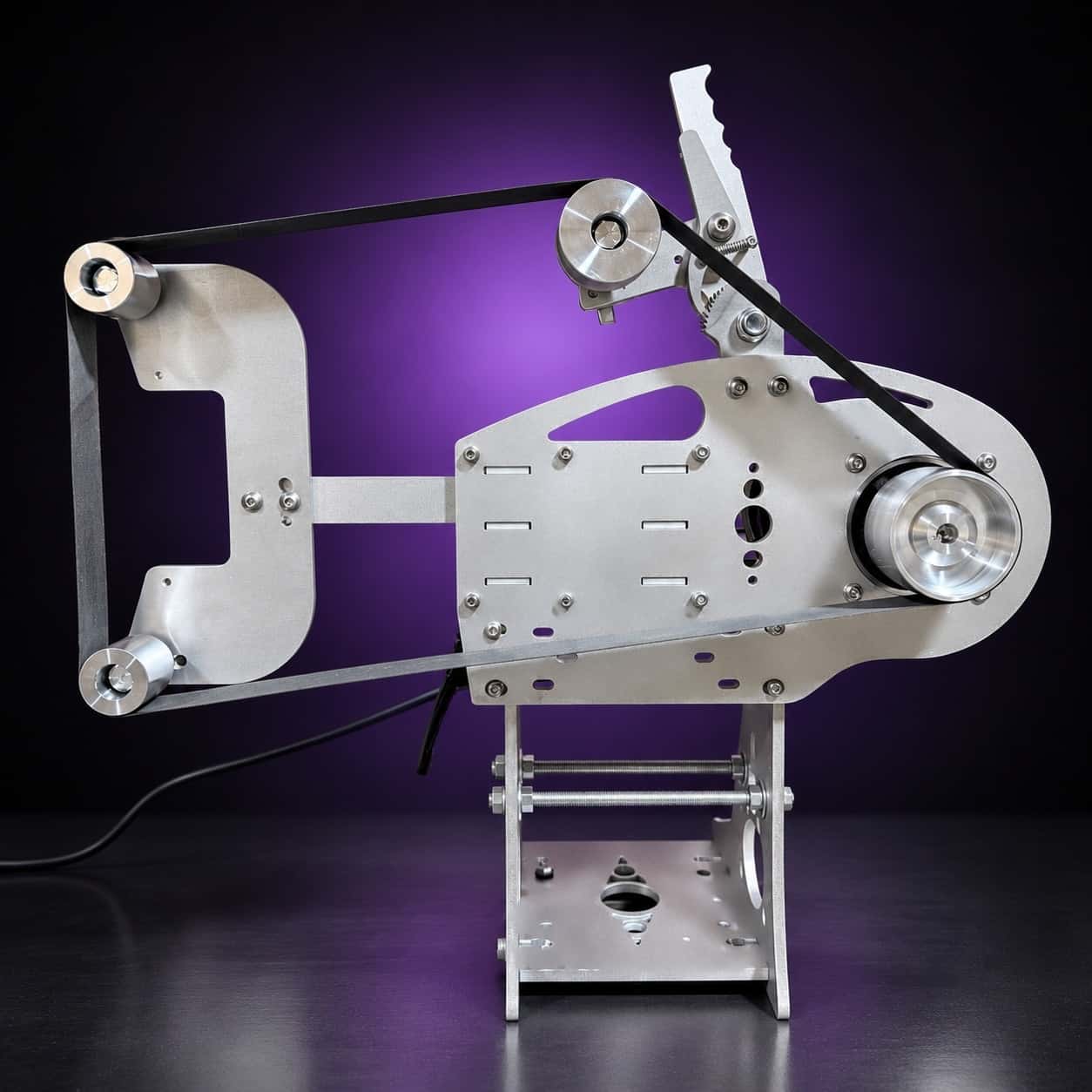
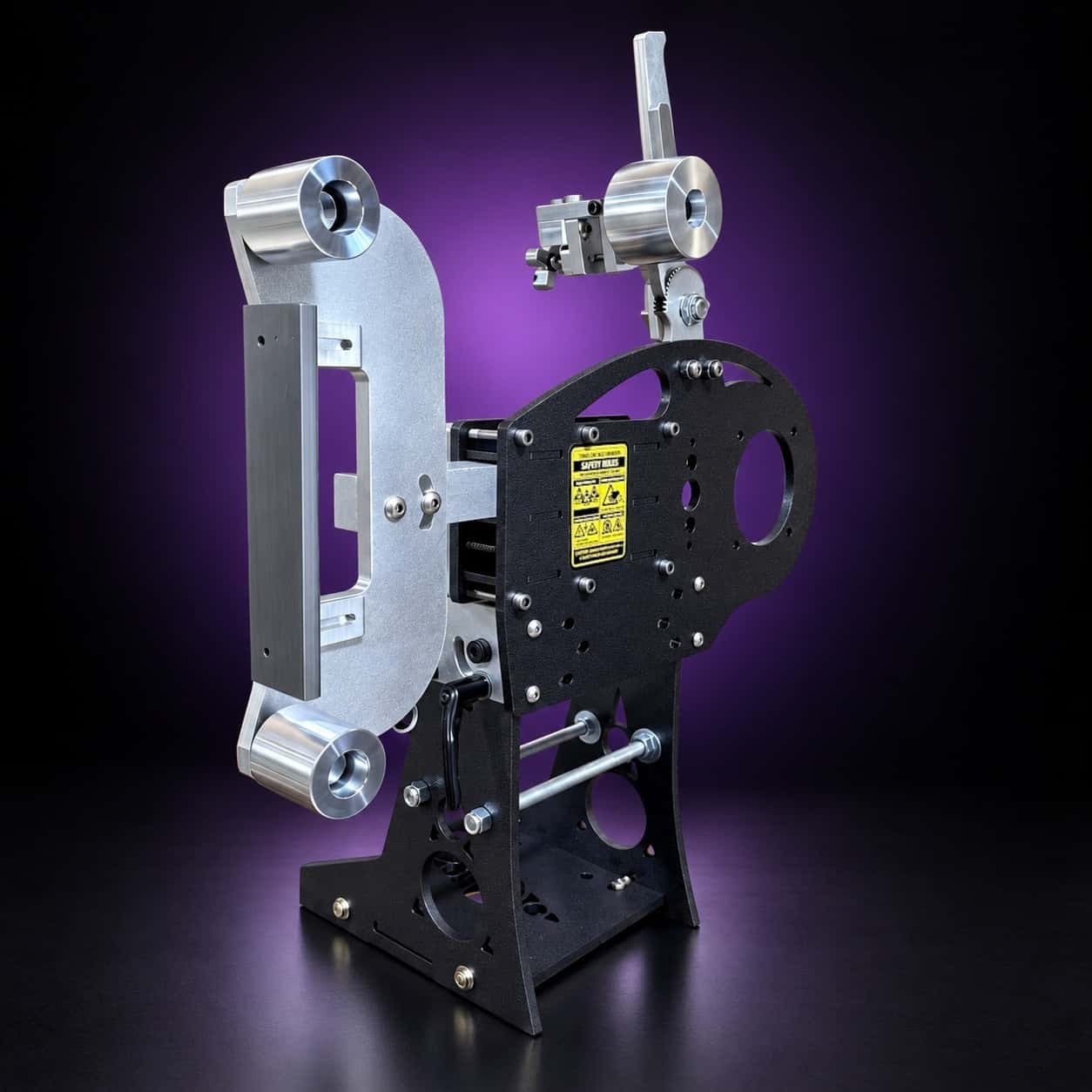
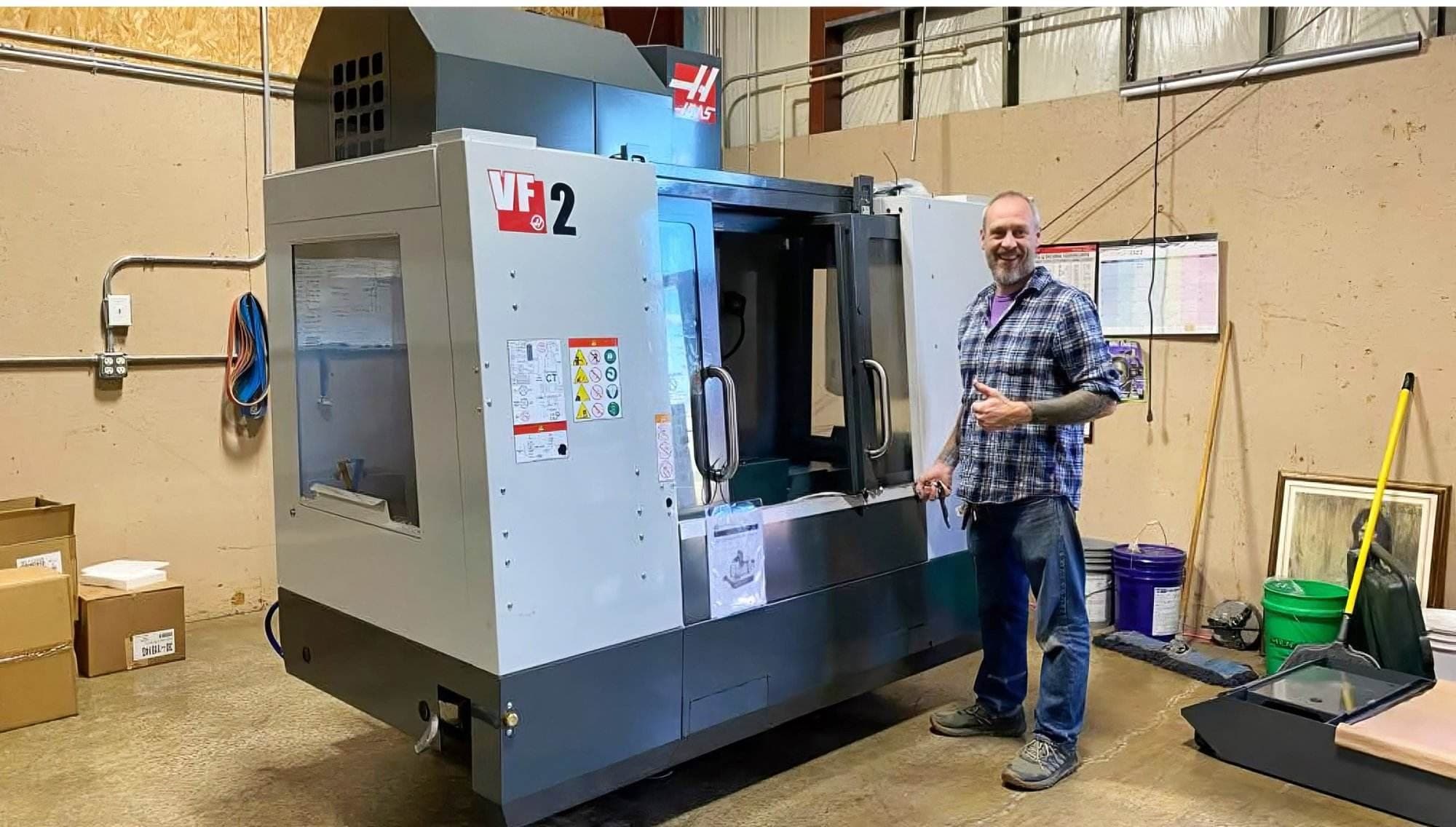
Belt tracking is the first thing a new 2×72 owner fights and the last thing a good machine ever makes you think about. A belt walks for one of three reasons: tension is wrong, the wheels are not on one line, or the frame is flexing under load. The first two you can adjust. The third is built in. That is why every Torus chassis is precision cut, by fiber laser or on my HAAS, and bolted together instead of welded, and it is what this post is about.
These factors include the tension applied to the belt, the condition of the pulleys, and the overall alignment of the machine components. For instance, if a belt is too loose or too tight, it can lead to uneven wear and tear, resulting in premature failure. Environmental conditions such as temperature and humidity can also affect belt performance.
Key Takeaways
- Proper belt tracking is essential for smooth and accurate CNC machining operations
- Common issues with belt tracking include misalignment, slippage, and excessive wear
- Achieving perfect belt tracking requires proper tensioning and regular maintenance
- Tensioning systems play a crucial role in ensuring optimal belt tracking in CNC machining
- Perfect belt tracking leads to improved accuracy, reduced downtime, and extended belt life in CNC machining operations
Common Issues with Belt Tracking
Despite its importance, several common issues can arise with belt tracking in CNC machining. One prevalent problem is belt slippage, which occurs when the belt fails to maintain contact with the pulleys. This can lead to a loss of power transmission, resulting in decreased machine performance and potential damage to both the belt and the machine itself.
Slippage can be caused by various factors, including improper tensioning, misalignment of pulleys, or wear and tear on the belt material. Another issue that often arises is uneven wear on the belt. This can manifest as fraying or cracking along the edges, which not only affects the longevity of the belt but can also compromise machining accuracy.
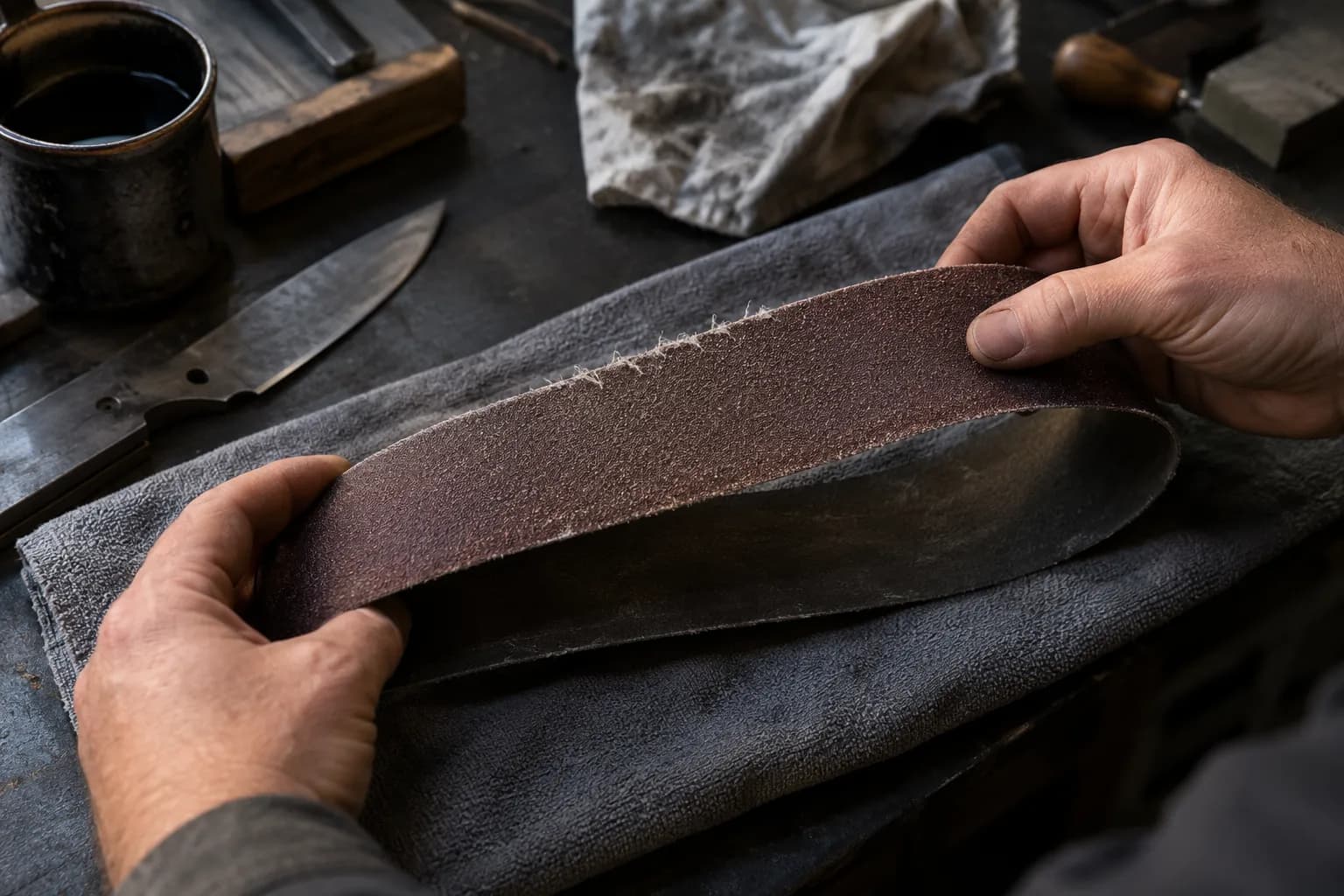
Uneven wear is typically a result of poor tracking, where the belt does not run parallel to the pulleys. This misalignment can lead to increased friction and heat generation, further exacerbating wear and potentially leading to catastrophic failure if not addressed promptly. Identifying these common issues early on is crucial for maintaining the integrity of CNC machines.
Techniques for Achieving Perfect Belt Tracking
| Technique | Description |
|---|---|
| Proper Belt Tension | Ensuring the belt is properly tensioned to prevent slipping or misalignment. |
| Alignment of Pulleys | Ensuring that all pulleys are properly aligned to prevent belt tracking issues. |
| Regular Maintenance | Regularly inspecting and maintaining the belt and pulley system to prevent tracking problems. |
| Use of Tracking Guides | Installing tracking guides to help keep the belt in the correct position. |
Achieving perfect belt tracking requires a combination of techniques and best practices that focus on alignment and tensioning. One effective method is to regularly check and adjust the alignment of pulleys. This involves ensuring that all pulleys are parallel to each other and that they are positioned correctly relative to the machine frame.
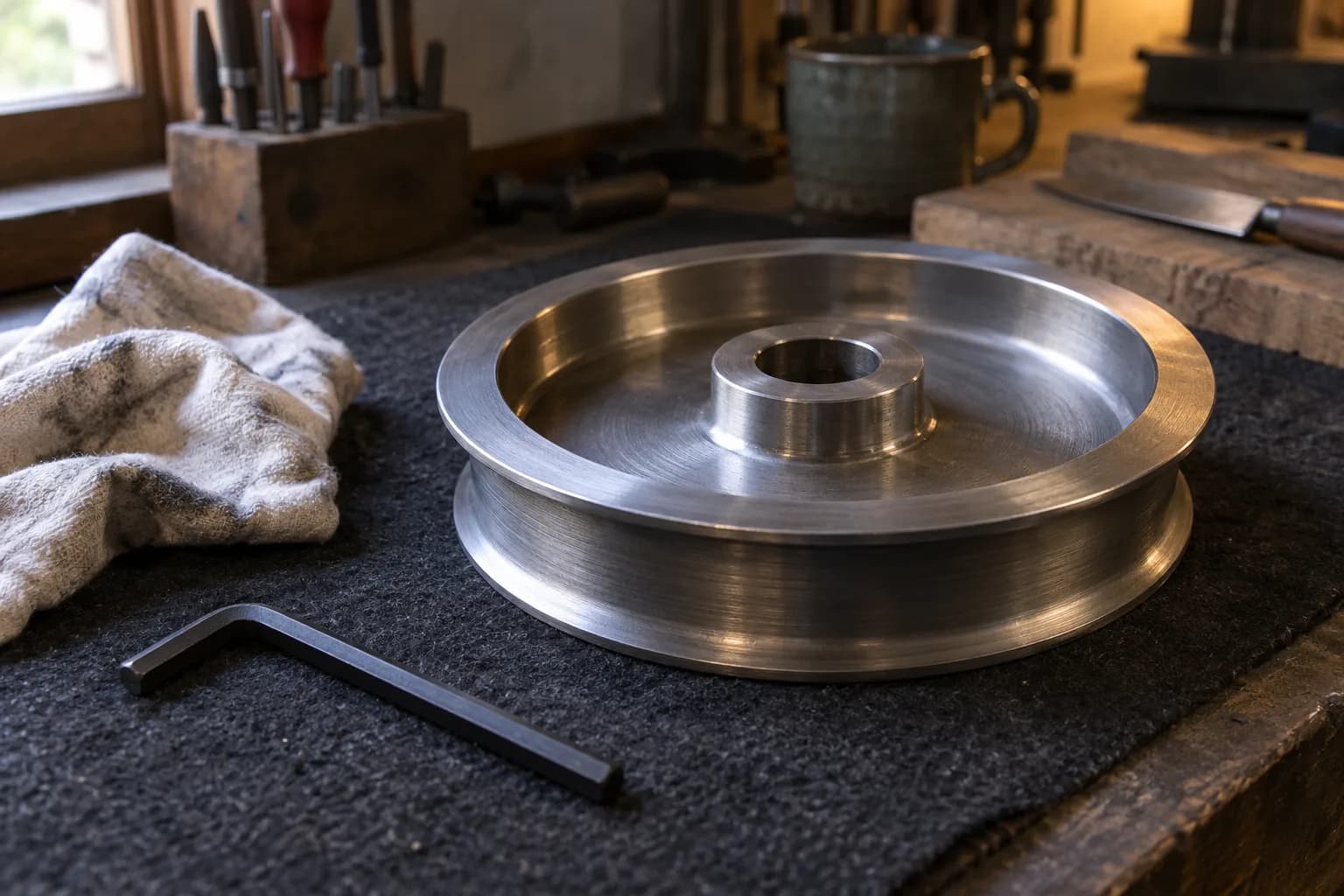
Misalignment can often be detected visually or through simple measurements using tools like calipers or laser alignment devices. By maintaining proper alignment, operators can significantly reduce the risk of tracking issues. Another technique involves monitoring and adjusting belt tension.
The correct tension is crucial for optimal performance; too much tension can lead to excessive wear on both the belt and pulleys, while too little tension can result in slippage. Operators should refer to manufacturer specifications for recommended tension levels and use appropriate tools such as tension gauges to achieve accurate adjustments. Regularly checking tension as part of routine maintenance can help prevent tracking problems before they escalate.
Using Tensioning Systems for Belt Tracking
Tensioning systems play a pivotal role in maintaining proper belt tracking in CNC machines. These systems are designed to apply consistent pressure to the belt, ensuring that it remains taut without being overly tight. There are various types of tensioning systems available, including manual and automatic options.
Manual tensioners require operators to make adjustments based on visual inspections or measurements, while automatic systems continuously monitor and adjust tension as needed. The use of automatic tensioning systems can significantly enhance operational efficiency by reducing the need for frequent manual adjustments. These systems often incorporate sensors that detect changes in tension and automatically compensate for them, ensuring optimal performance at all times.
Effective Belt Tracking Management in CNC Machining
Regular maintenance and inspection are crucial components of effective belt tracking management in CNC machining. Establishing a routine maintenance schedule allows operators to proactively identify potential issues before they escalate into significant problems. Inspections should include checking for signs of wear on both the belt and pulleys, as well as verifying alignment and tension levels.
Advanced Diagnostic Techniques for Enhanced Maintenance
In addition to visual inspections, operators should also consider implementing more advanced diagnostic techniques such as vibration analysis or thermal imaging. These methods can provide valuable insights into the condition of belts and pulleys that may not be visible during standard inspections. By leveraging these technologies, operators can gain a deeper understanding of their equipment’s condition and make data-driven decisions.
Troubleshooting and Correcting Belt Tracking Issues
When belt tracking issues arise, it is essential to have a systematic approach to troubleshooting and correction. The first step in this process is to identify the root cause of the problem. This may involve examining factors such as pulley alignment, tension levels, and overall machine condition.
Once the underlying issue has been identified, operators can take appropriate corrective actions. For instance, if misalignment is detected as the cause of tracking problems, adjustments should be made to realign pulleys accurately. If uneven wear is observed on the belt, it may be necessary to replace it entirely or adjust tension levels to prevent further damage.
Documenting these troubleshooting steps can also be beneficial for future reference, allowing operators to recognize patterns in recurring issues and develop more effective preventive measures.
FAQs
What is CNC machining?
CNC machining stands for Computer Numerical Control machining, which is a manufacturing process that uses pre-programmed computer software to control the movement of machinery and tools. This technology is used to create precise and complex parts from various materials such as metal, plastic, wood, and more.
How does CNC machining ensure consistent belt tracking?
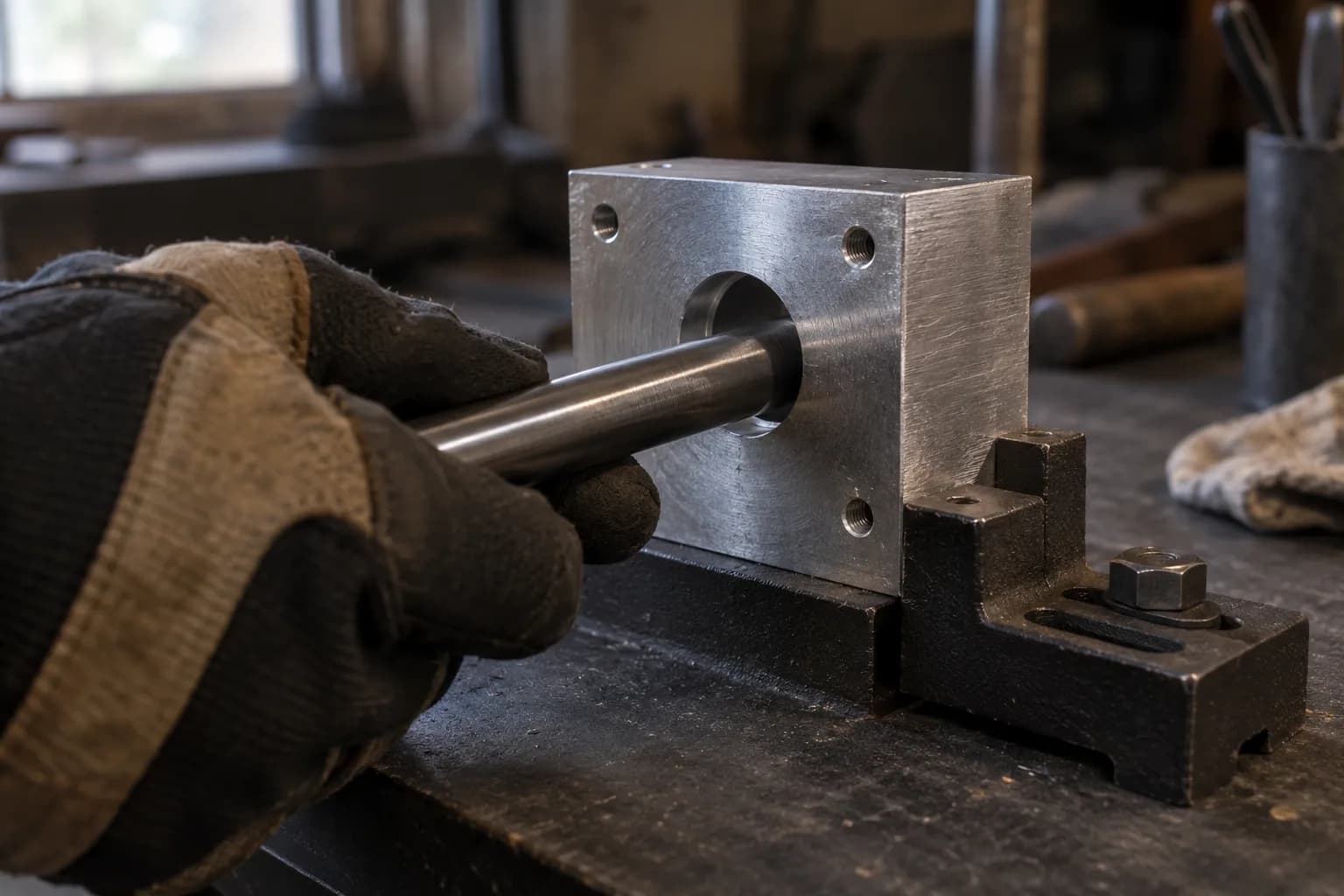
CNC machining ensures consistent belt tracking by producing precise and accurate components for belt tracking systems. This technology allows for the creation of perfectly aligned and dimensionally accurate parts, which are essential for maintaining consistent belt tracking in industrial machinery and conveyor systems.
What are the benefits of using CNC machining for belt tracking systems?
Using CNC machining for belt tracking systems offers several benefits, including high precision, repeatability, and consistency in part production. This technology also allows for the creation of custom-designed components to meet specific belt tracking requirements, resulting in improved performance and reduced maintenance needs.
How does CNC machining contribute to engineering for perfection in belt tracking?
CNC machining contributes to engineering for perfection in belt tracking by ensuring that the components used in belt tracking systems are manufactured to the highest standards of accuracy and quality. This precision engineering plays a crucial role in achieving consistent and reliable belt tracking performance in industrial applications.
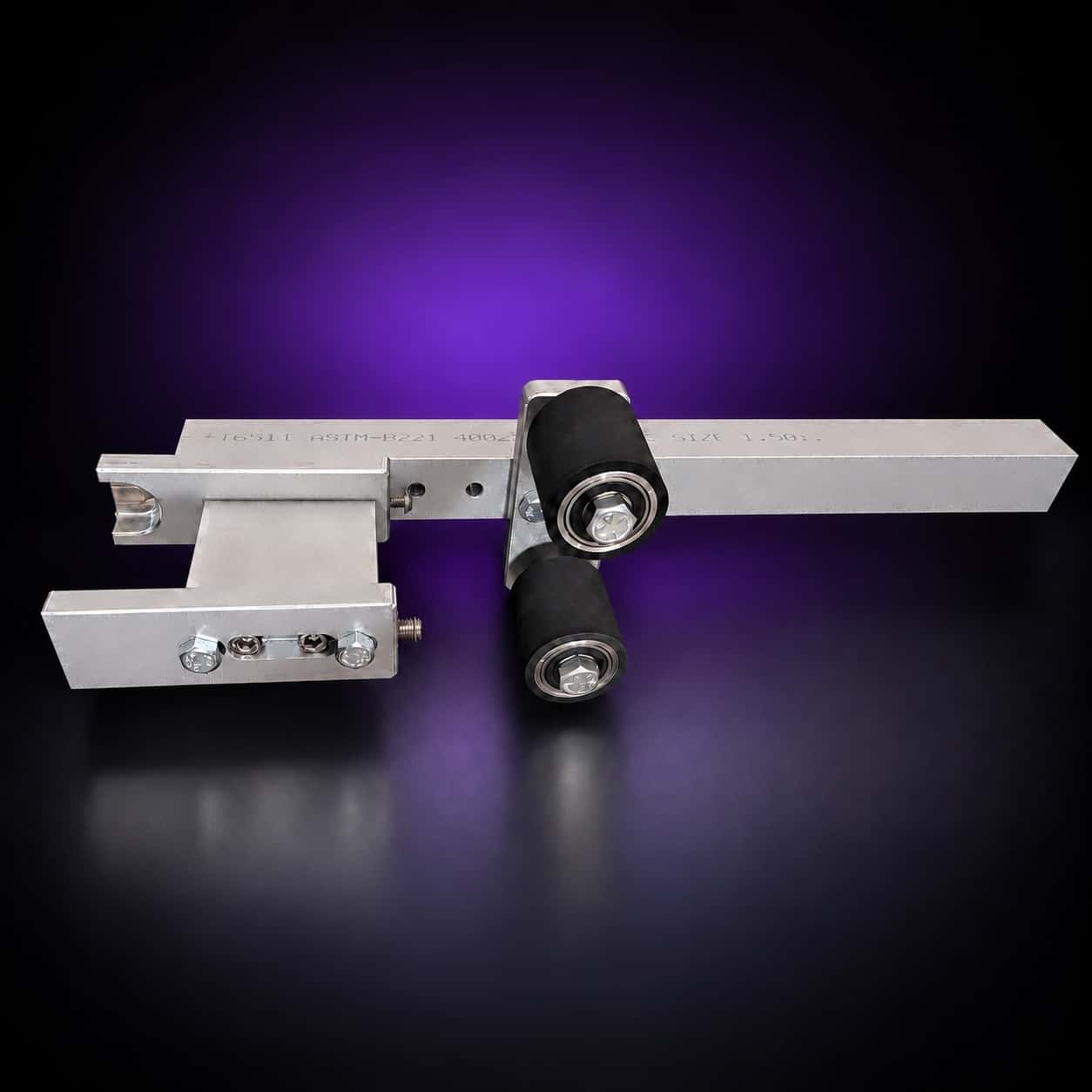
If your belt still wanders after you have set tension and alignment, the frame is the problem. The Nova 2×72 is precision fiber-laser-cut 6061 aluminum with machined dual-axis tracking that adjusts in thousandths, and the Nebula adds 3/8-inch steel mass for shops that want zero flex. Both ship tracked and tested from my shop.