2x72 Grinder Tips
Perfecting Your Cut: Sharpening Lawn-Mower Blades with Torus CNC Grinder
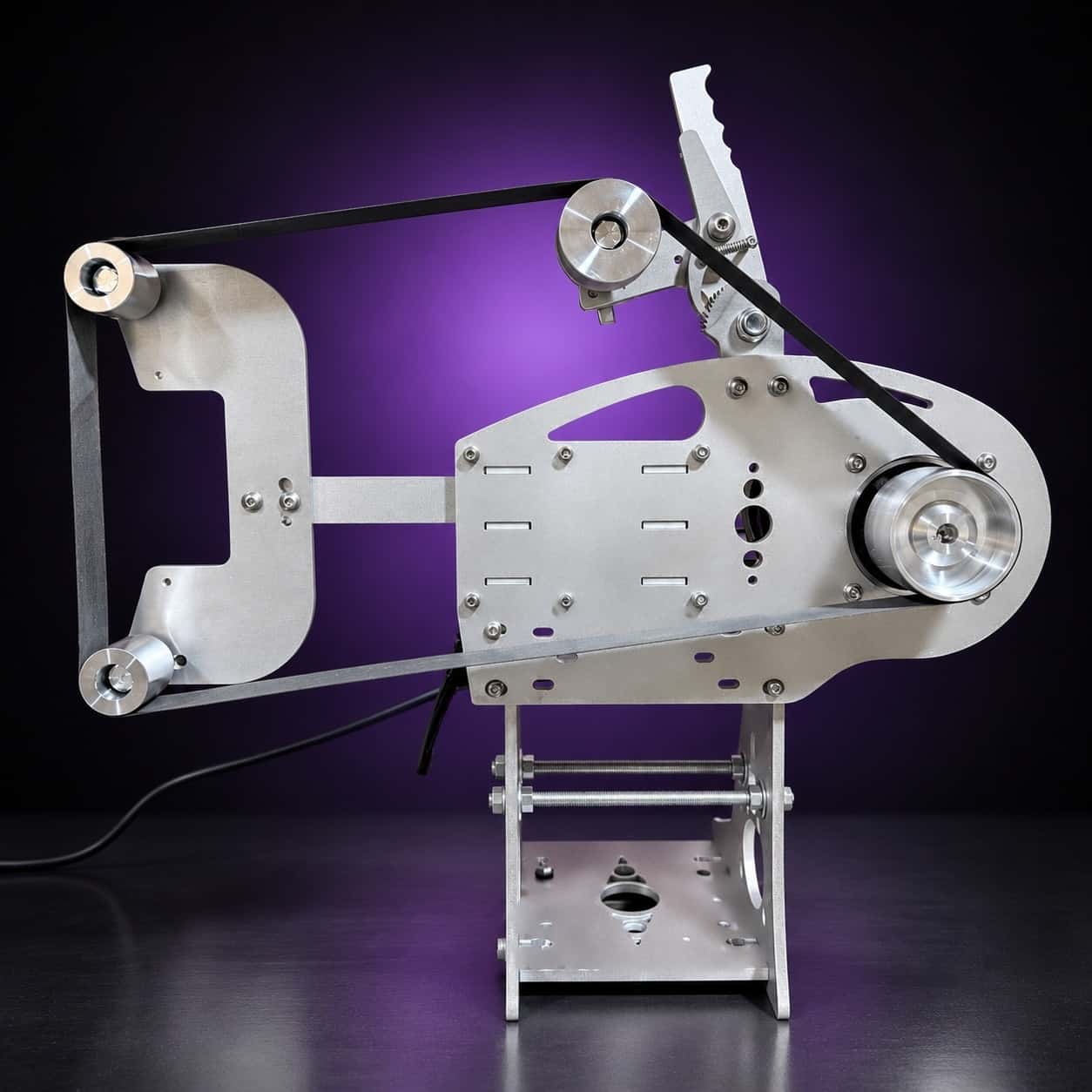
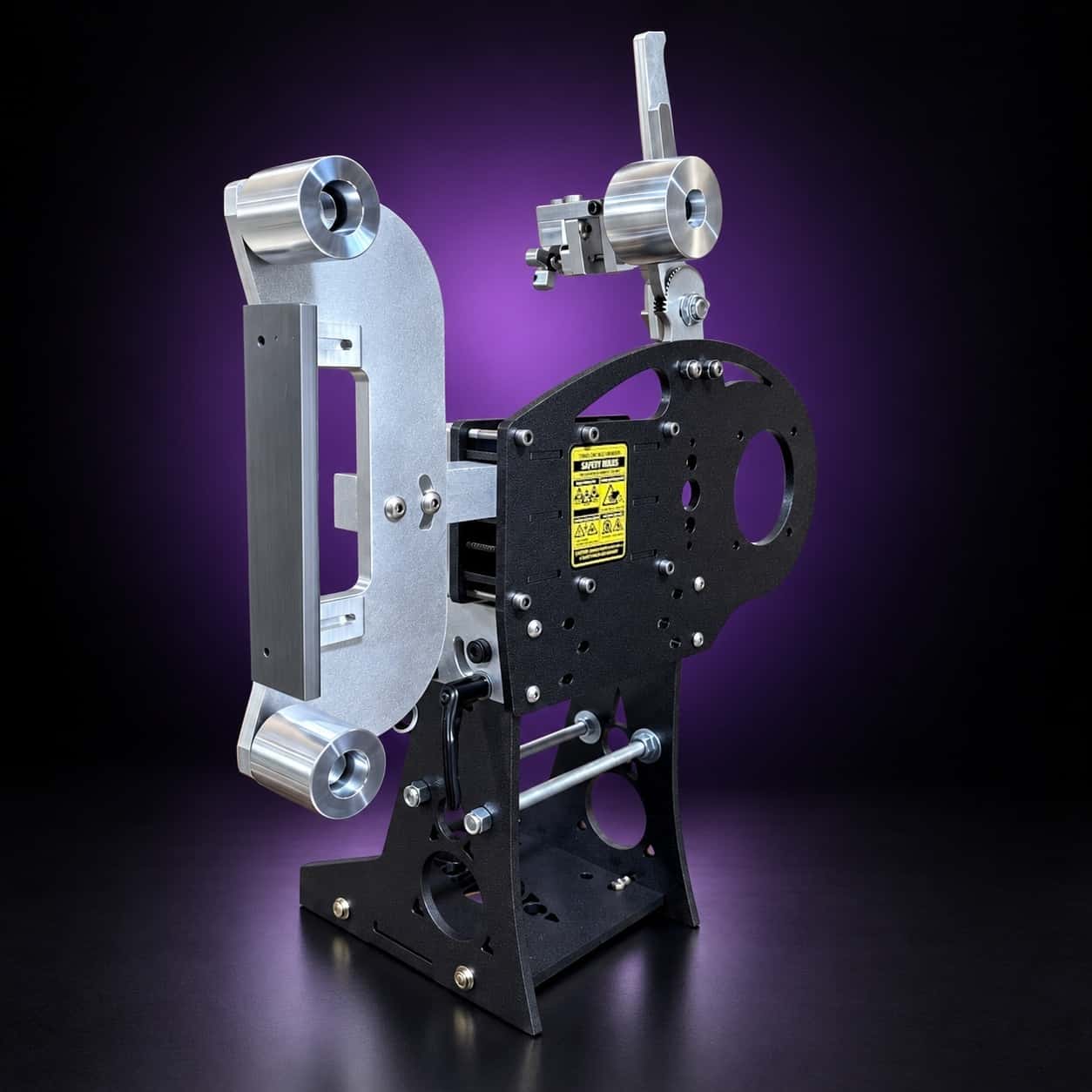
A mower blade is a big, dull, dirty knife, and a 2×72 sharpens it in three minutes. Here is how I do it on the Torus grinder: cleaning it up, holding the factory angle, keeping it cool, and balancing it.
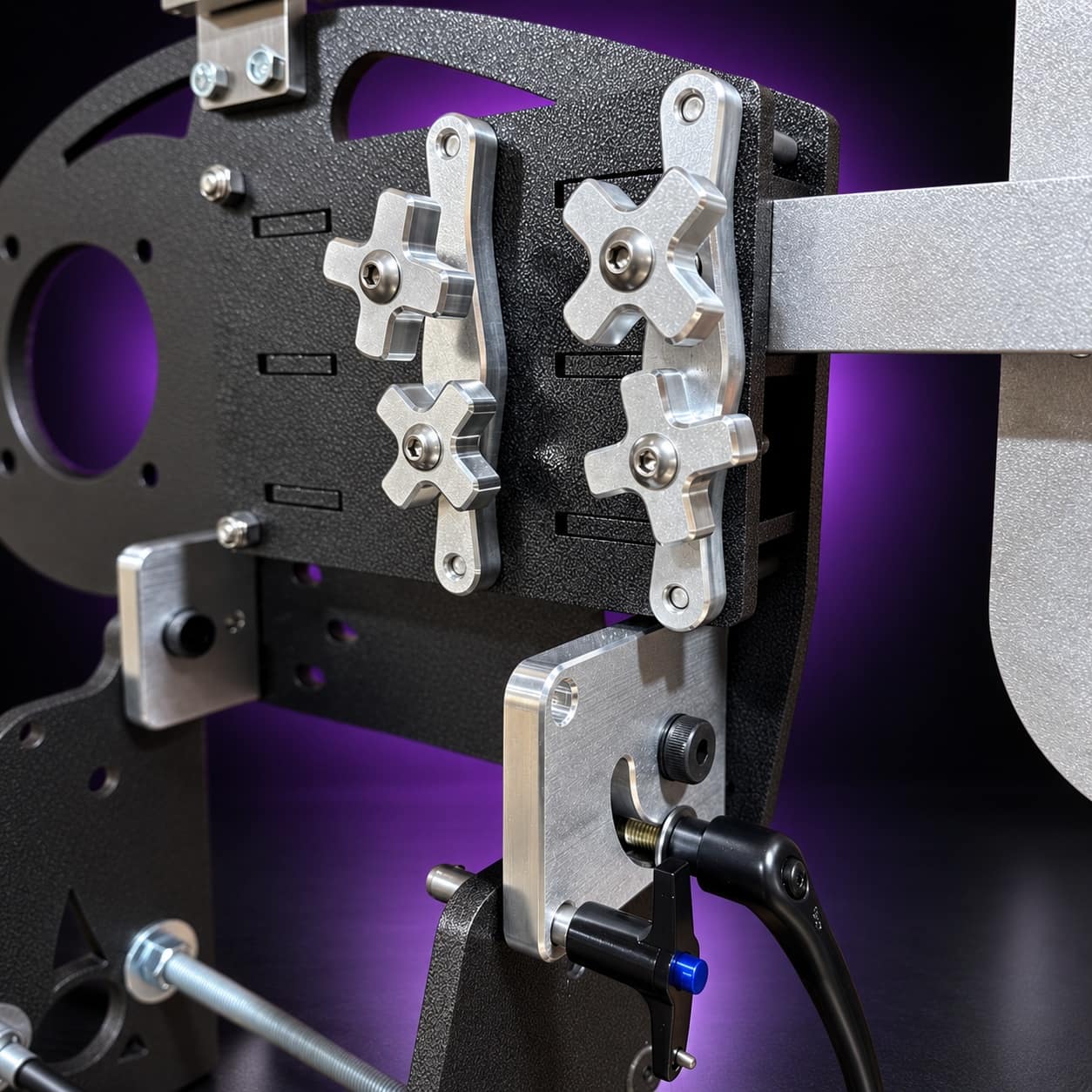
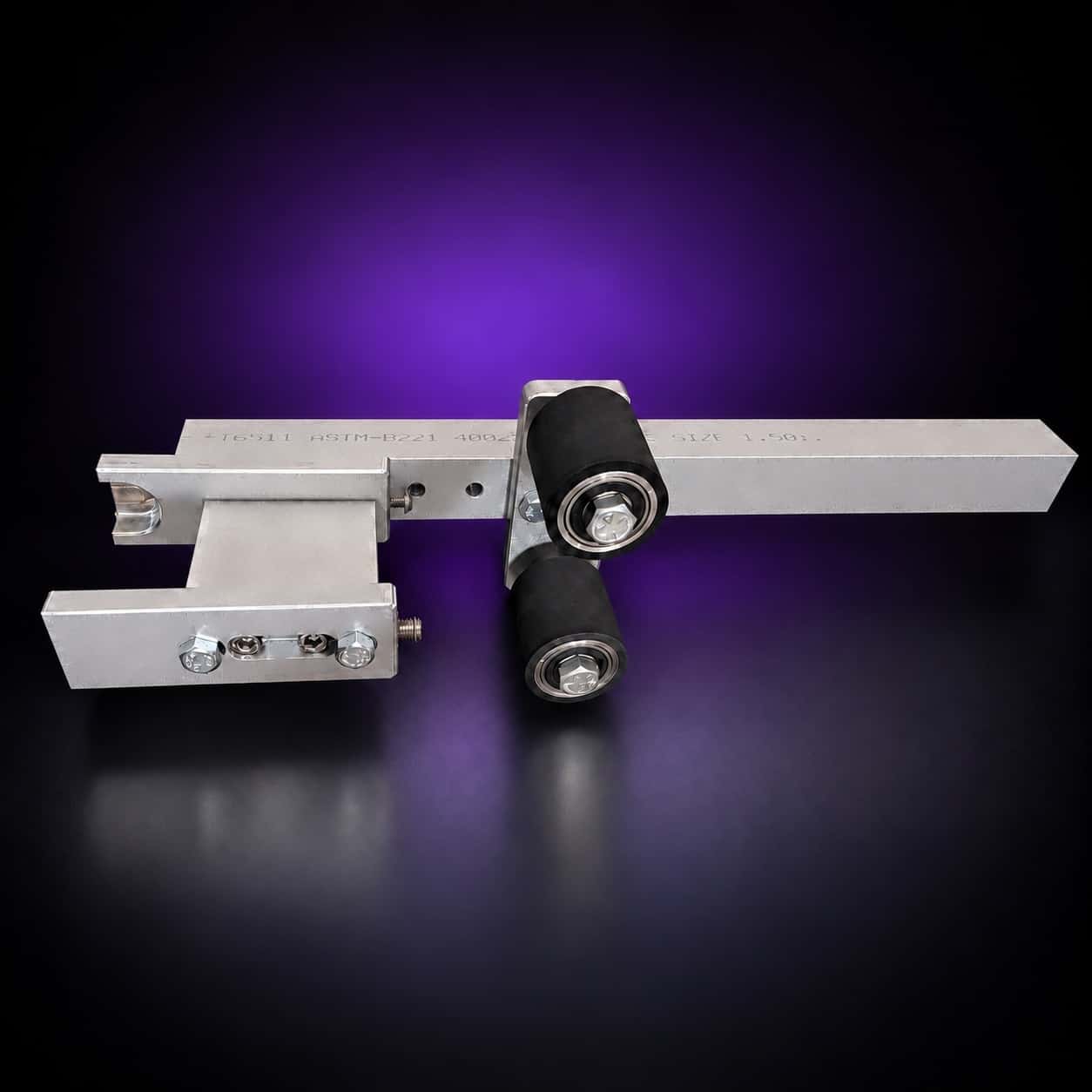
A mower blade is just a big, dull, dirty knife, and a 2×72 puts a clean edge on it in about three minutes. Sharpening services charge good money for it. Here is how I do mower blades on the Torus grinder: knocking off the rust and grass, holding the factory angle on the work rest, keeping the edge cool, and balancing the blade on a nail before it goes back on the deck.
Key Takeaways
- Lawn-mower blade sharpening is essential for maintaining a healthy and attractive lawn.
- Sharp lawn-mower blades reduce the risk of tearing grass, promote even growth, and minimize the potential for disease.
- The Torus CNC Grinder offers precise and efficient sharpening, resulting in a cleaner cut and healthier lawn.
- Following a step-by-step guide with the Torus CNC Grinder ensures safety and optimal sharpening results.
- Proper maintenance of the blade angle and balance is crucial for achieving a consistent and uniform edge on the blades.
Understanding the Importance of Sharp Lawn-Mower Blades
Conversely, dull blades can cause uneven cuts, leading to brown tips and an unhealthy lawn. When grass is torn rather than cut, it becomes more vulnerable to pests and diseases, which can in the end compromise the integrity of your lawn. Sharp blades contribute to the overall efficiency of your mowing process.
A well-maintained mower with sharp blades requires less effort to operate, reducing wear and tear on the machine itself. This efficiency translates into less fuel consumption and a longer lifespan for your mower. Therefore, investing time in regular blade sharpening is not just about aesthetics; it is a crucial aspect of lawn care that can save you time and money in the long run.
Benefits of Using the Torus CNC Grinder for Sharpening
The Torus CNC Grinder offers several advantages that make it an ideal choice for sharpening lawn-mower blades. One of its most significant benefits is precision. The CNC technology allows for consistent sharpening angles and uniformity across multiple blades, ensuring that each blade is sharpened to perfection.
This level of accuracy is difficult to achieve with manual sharpening methods, which can lead to inconsistencies and uneven edges. Moreover, the Torus CNC Grinder is designed for efficiency. It can sharpen multiple blades in a fraction of the time it would take using traditional methods.
This time-saving feature is particularly beneficial for professional landscapers or anyone who regularly maintains multiple mowers. The grinder’s user-friendly interface makes it accessible for both seasoned professionals and DIY enthusiasts alike, allowing anyone to achieve professional-quality results with minimal effort.
Step-by-Step Guide to Sharpening with the Torus CNC Grinder
Sharpening lawn-mower blades with the Torus CNC Grinder is a straightforward process that can be broken down into several key steps. First, ensure that you have all necessary safety equipment on hand, including gloves and eye protection. Begin by removing the blades from your mower, taking care to follow the manufacturer’s instructions for safe removal.
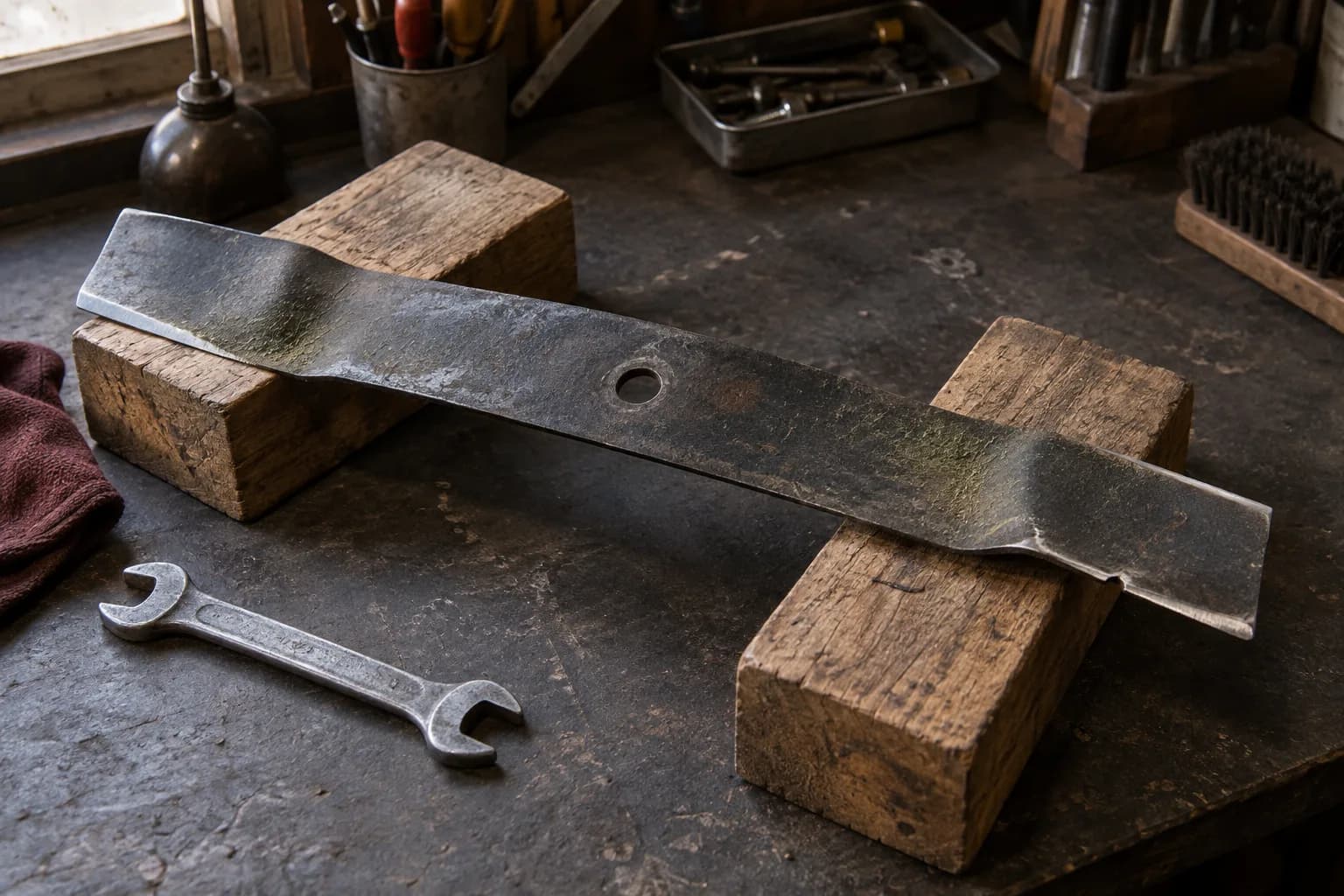
Once removed, inspect each blade for any signs of damage or excessive wear. Next, set up the Torus CNC Grinder according to the manufacturer’s guidelines. Adjust the settings to match the specific angle required for your blades—typically between 30 to 45 degrees depending on the mower type.
Place the blade securely in the grinder’s holding mechanism and initiate the sharpening process. The CNC technology will automatically adjust to ensure an even grind across the entire edge of the blade. After sharpening, carefully remove the blade from the grinder and inspect it for uniformity and sharpness.
It’s advisable to run your fingers along the edge (with caution) to feel for any inconsistencies. If necessary, repeat the sharpening process until you achieve the desired sharpness. Finally, clean any debris from the blade before reattaching it to your mower.
Safety Precautions and Best Practices for Sharpening
Safety should always be a top priority when sharpening lawn-mower blades. Before beginning any sharpening process, ensure you are wearing appropriate safety gear such as gloves and safety goggles to protect against flying debris or accidental cuts. It’s crucial to work in a well-ventilated area to avoid inhaling any dust or particles generated during sharpening.
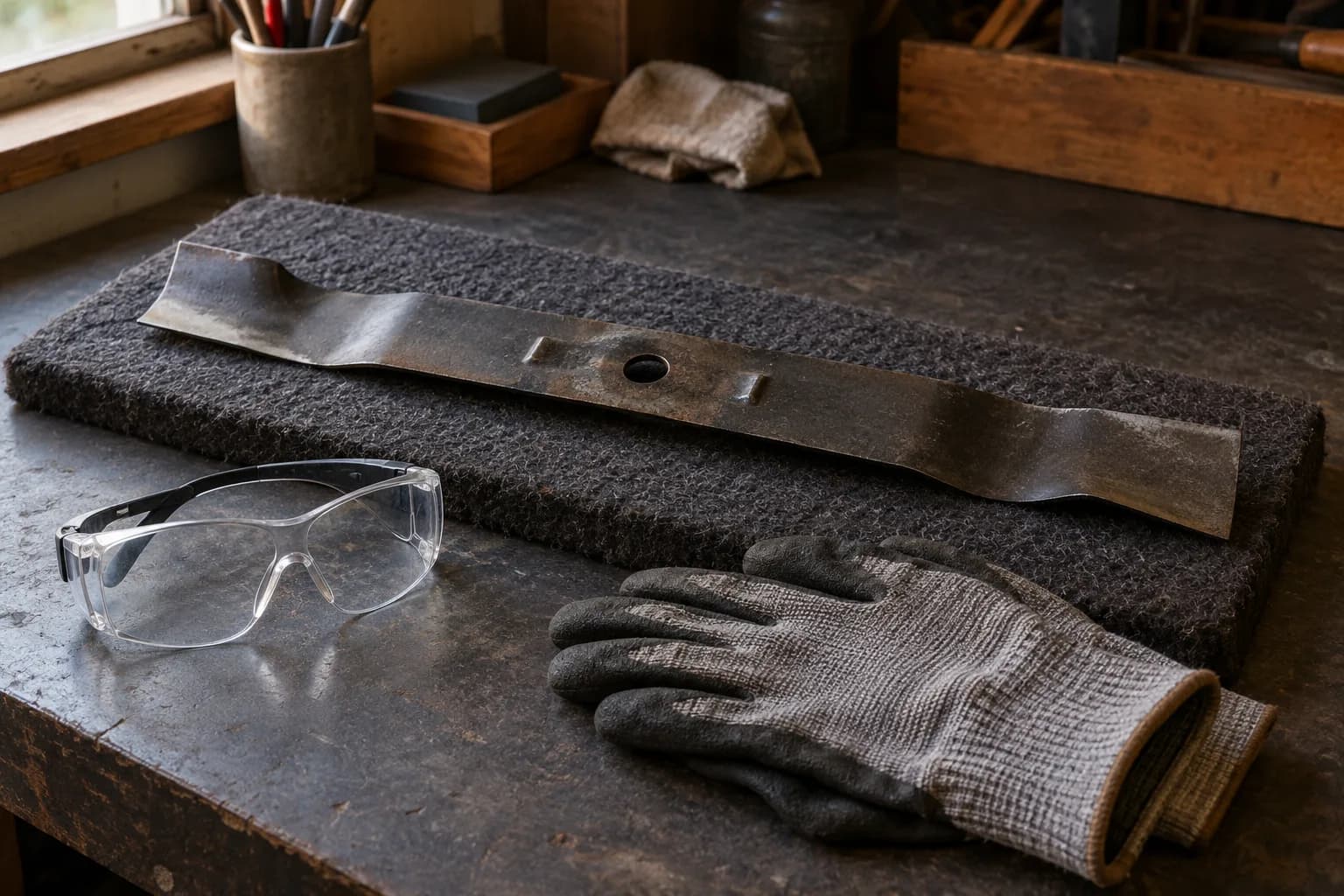
When handling blades, always be mindful of their sharp edges. Use tools designed for blade removal and installation to prevent injury. Ensure that your workspace is organized and free from clutter; this will help you maintain focus and reduce the risk of accidents.
Maintaining the Proper Angle and Balance of the Blades
Maintaining the proper angle during sharpening is vital for achieving optimal performance from your lawn-mower blades. The angle at which a blade is sharpened affects how well it cuts through grass and how long it retains its sharpness. Most lawn-mower blades are designed to be sharpened at an angle between 30 and 45 degrees; however, it’s essential to consult your mower’s manual for specific recommendations.
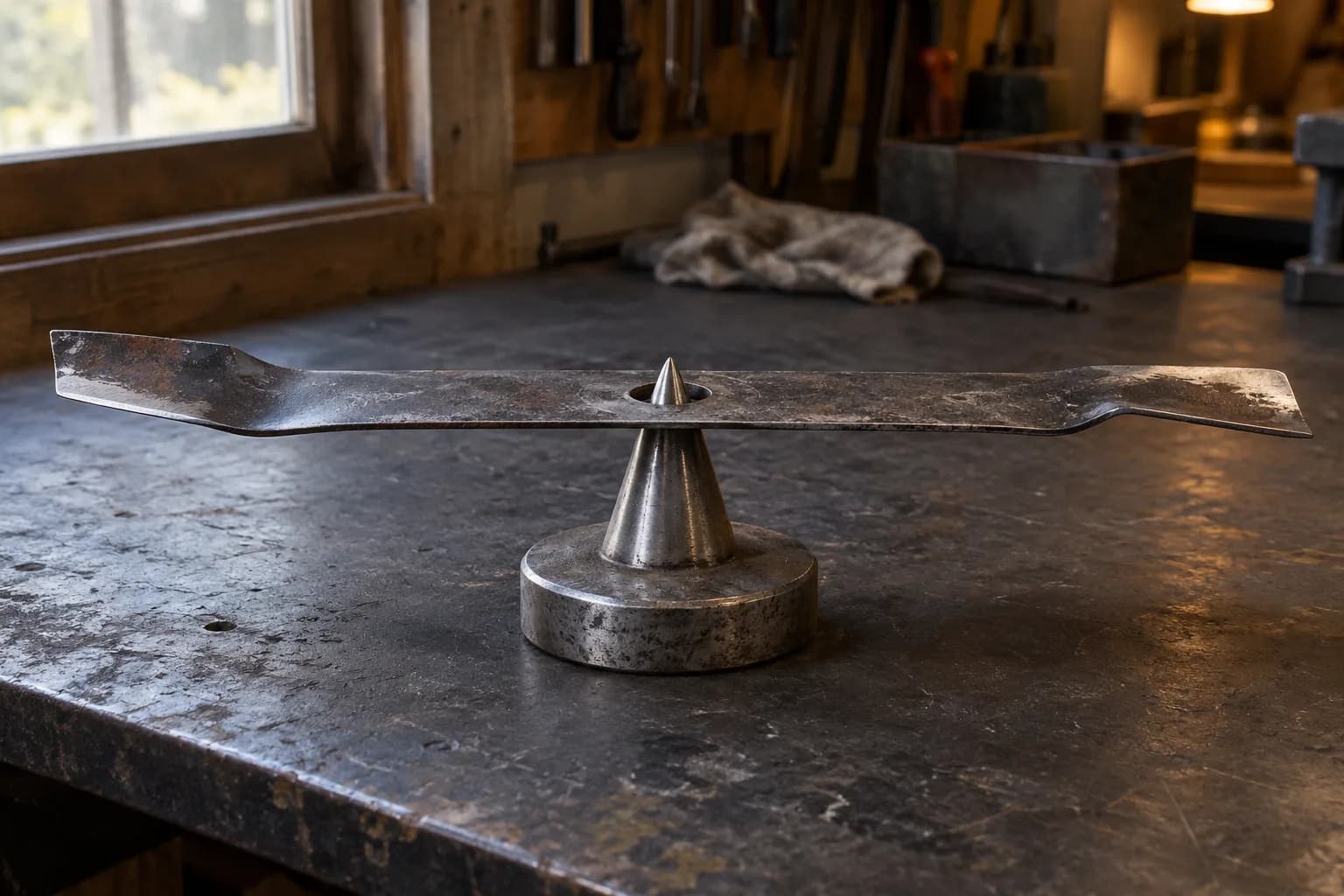
In addition to angle maintenance, ensuring that blades are balanced after sharpening is equally important. An unbalanced blade can lead to vibrations during operation, which may cause damage to both the mower and the operator over time. To check for balance, you can use a simple balancing tool or place the blade on a nail or similar object; if one side dips lower than the other, adjustments may be necessary until balance is achieved.
Tips for Achieving a Consistent and Uniform Edge
Achieving a consistent and uniform edge on your lawn-mower blades is crucial for effective cutting performance. One effective tip is to sharpen all blades at once rather than individually; this helps maintain consistency in angle and edge quality across all blades being sharpened. Using a steady hand while guiding the blade through the grinder will contribute to a more uniform edge.
Another useful technique involves periodically checking your progress during sharpening. After a few passes through the grinder, inspect the edge closely to ensure that you are achieving an even grind throughout its length. If you notice any discrepancies or unevenness, make adjustments as needed before continuing with the sharpening process.
Troubleshooting Common Issues with Blade Sharpening
Even with advanced tools like the Torus CNC Grinder, issues can arise during blade sharpening that may hinder optimal results. One common problem is overheating of the blade during grinding, which can lead to loss of temper and reduced cutting performance. To mitigate this issue, ensure that you are using appropriate grinding speeds and taking breaks as needed to allow the blade to cool down.
Another frequent challenge is achieving a sharp edge without creating burrs or rough spots along the blade’s surface. If you find that burrs are forming during sharpening, consider adjusting your technique or using finer grinding wheels designed specifically for finishing edges. Regularly cleaning your grinding equipment will also help maintain its effectiveness and prevent buildup that could affect performance.
Extending the Lifespan of Sharpened Blades
To maximize the lifespan of sharpened lawn-mower blades, proper maintenance practices should be implemented post-sharpening. Regularly inspect blades for signs of wear or damage after each mowing session; this proactive approach allows you to address issues before they escalate into more significant problems. Cleaning blades after use will help prevent rust and corrosion that can shorten their lifespan.
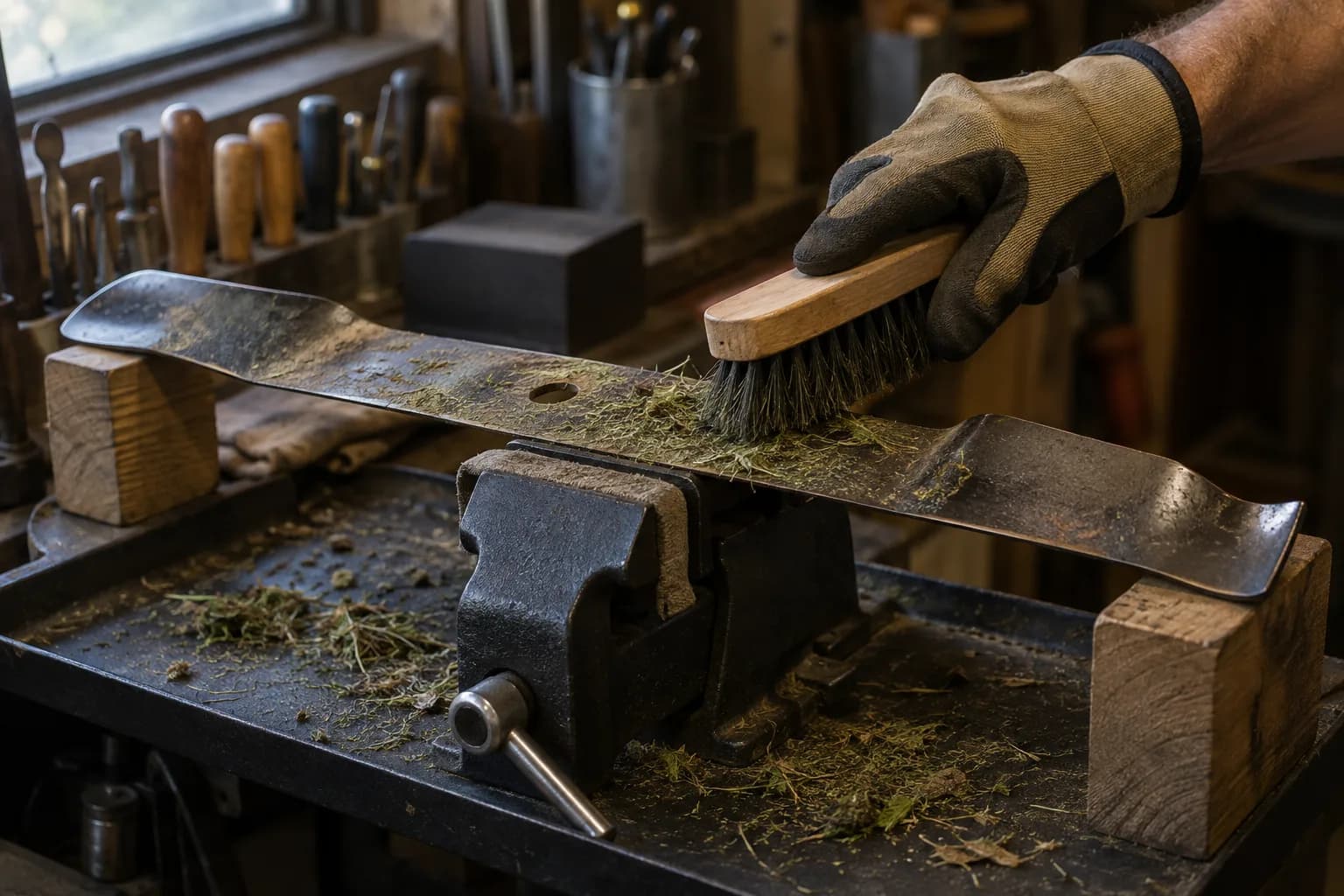
Another effective strategy is to store your mower in a dry environment when not in use. Moisture can lead to rust formation on sharpened edges, diminishing their effectiveness over time. Applying a light coat of oil or protective spray on blades before storage can also help create a barrier against moisture and prolong their sharpness.
FAQs
What is a Torus CNC Grinder?
A Torus CNC Grinder is a type of computer numerical control (CNC) machine used for precision grinding of various tools and components. It uses advanced technology to ensure accurate and consistent results.
Can anyone use a Torus CNC Grinder to sharpen lawn-mower blades?
Operating a Torus CNC Grinder requires specialized training and expertise. It is typically used by professionals or technicians who are familiar with CNC machining and grinding processes.
How often should lawn-mower blades be sharpened using a Torus CNC Grinder?
The frequency of sharpening lawn-mower blades depends on usage and the type of grass being cut. As a general guideline, blades should be sharpened at least once a season or more frequently if the mower is used frequently or on tough grasses.
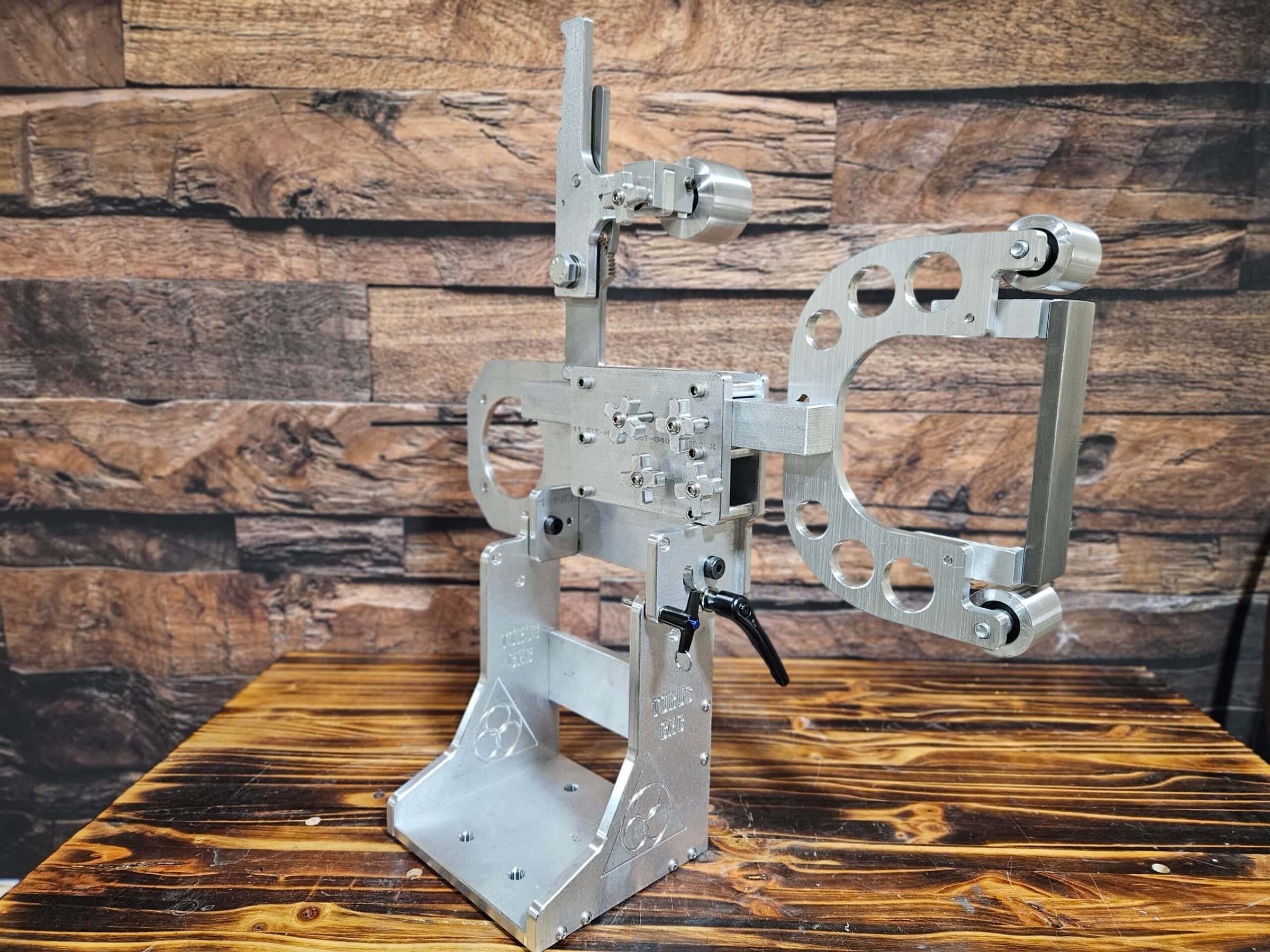
Mower blades are a nice side business for a sharpening shop. The Torus 2×72 Classic at $995 handles them all day, and the 6×16 work table holds the angle so every blade comes out the same. Both ship from my shop in Sterling, Illinois.