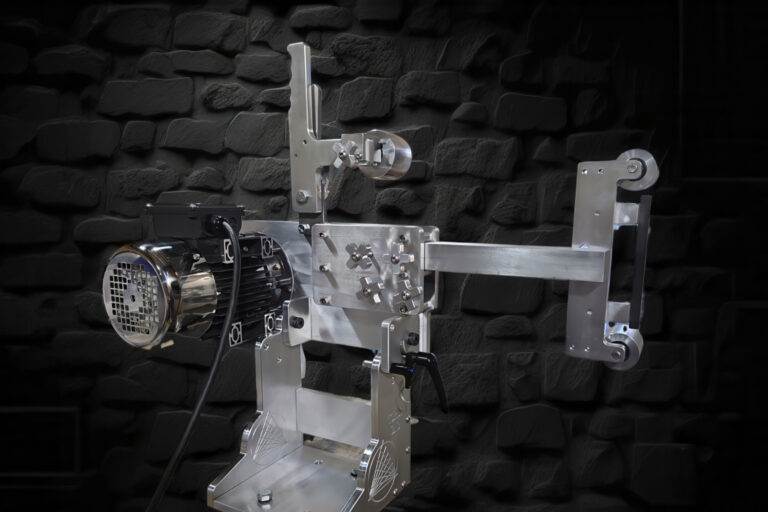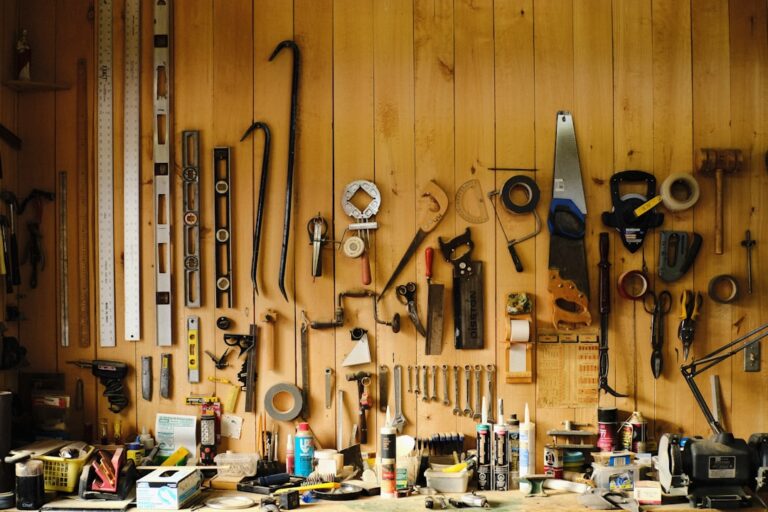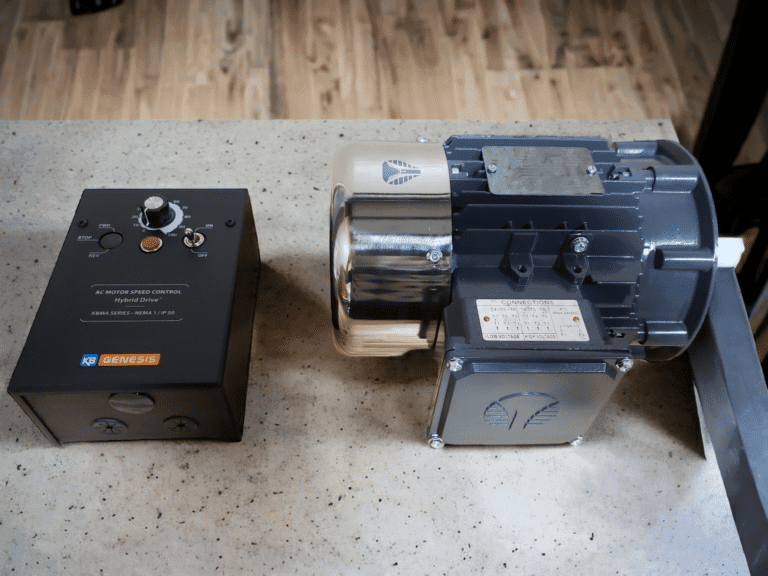

Consistency depends heavily on equipment rigidity and adjustability. Flexible or undersized machines introduce variation that’s hard to correct downstream.
When choosing equipment, prioritize:
- Rigid frames that don’t deflect under pressure
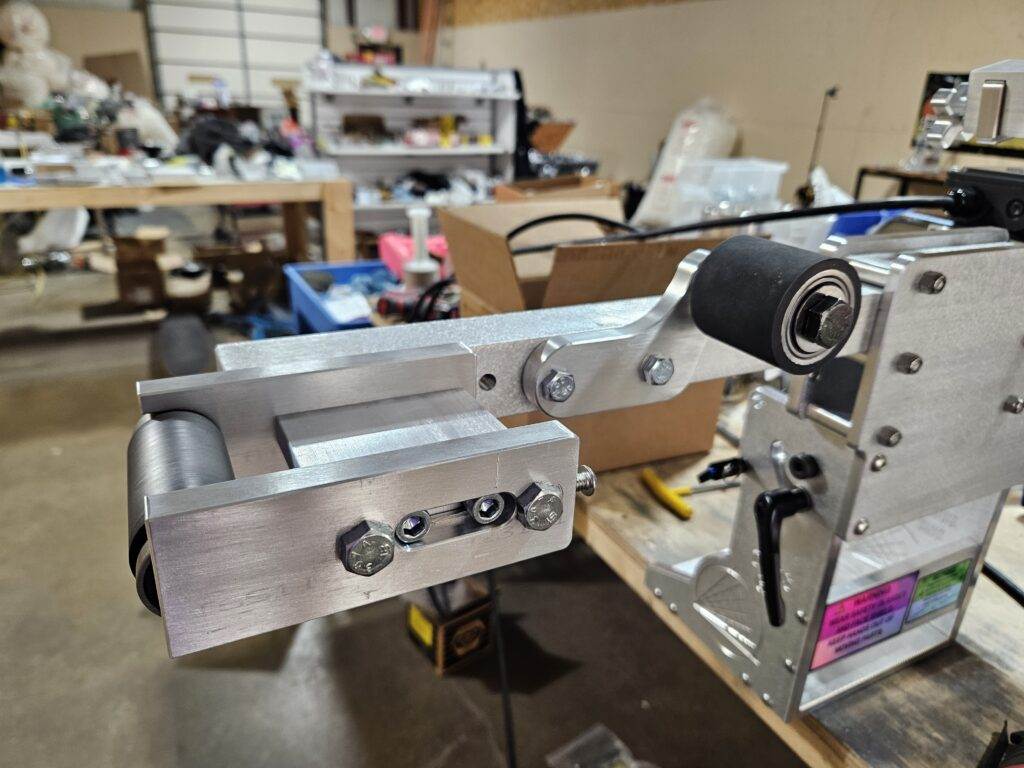
- Adjustable components that lock securely
- Modular tooling that supports repeatable setups
At the grinder, consistent tracking, stable work rests, and repeatable angles remove guesswork and reduce corrective grinding.
Reliable equipment doesn’t just make work easier—it makes results predictable.
Work Rests, Fixtures, and Control
Fixtures and work rests are often overlooked, but they’re central to consistency. A solid work rest provides a reference surface that allows the maker to focus on feel instead of fighting the blade.
Repeatable setups:
- Improve bevel symmetry
- Reduce over-grinding
- Shorten learning curves
- Increase confidence
Even simple fixtures can dramatically reduce variability when used consistently.
How Good Setup Reduces Burnout
Inconsistent setups force constant correction. Every mistake requires mental effort to diagnose and fix, which quietly drains energy over the course of a day.
When setups are consistent:
- Decisions become automatic
- Mistakes are rare and easier to spot
- Confidence replaces second-guessing
This reduces stress and allows makers to focus on craftsmanship instead of damage control—one of the biggest contributors to long-term sustainability.
Where This Fits Into a Sustainable Business
Shop setup and equipment choices support the bigger picture. A consistent environment makes it easier to maintain steady pacing, which ties directly into working without burnout and prioritizing consistency over speed.
When the shop supports the work, growth becomes manageable rather than chaotic.
The Role of Standardization in Small Shops
Standardization often sounds restrictive, but in a small knifemaking shop it actually creates freedom. When certain dimensions, angles, and processes are standardized, less mental energy is spent making decisions, and more attention can be given to craftsmanship and finishing details.
Simple standards—such as using the same bevel angles across similar blade styles, keeping tooling mounted in consistent locations, or following the same order of operations—reduce variability without limiting creativity. These practices make it easier to switch between projects without losing rhythm or introducing mistakes.
Over time, standardization also makes it easier to identify problems. When something goes wrong, a consistent baseline allows the issue to stand out quickly, shortening troubleshooting time and preventing repeated errors. For small businesses, this clarity can make the difference between steady progress and constant frustration.
Final Thoughts
A well-set-up shop doesn’t need to be large or expensive—it needs to be intentional. Thoughtful layout and reliable equipment create an environment where consistency is the default, not a struggle.
Consistency builds trust, reduces rework, and makes a knifemaking business easier to run day after day.