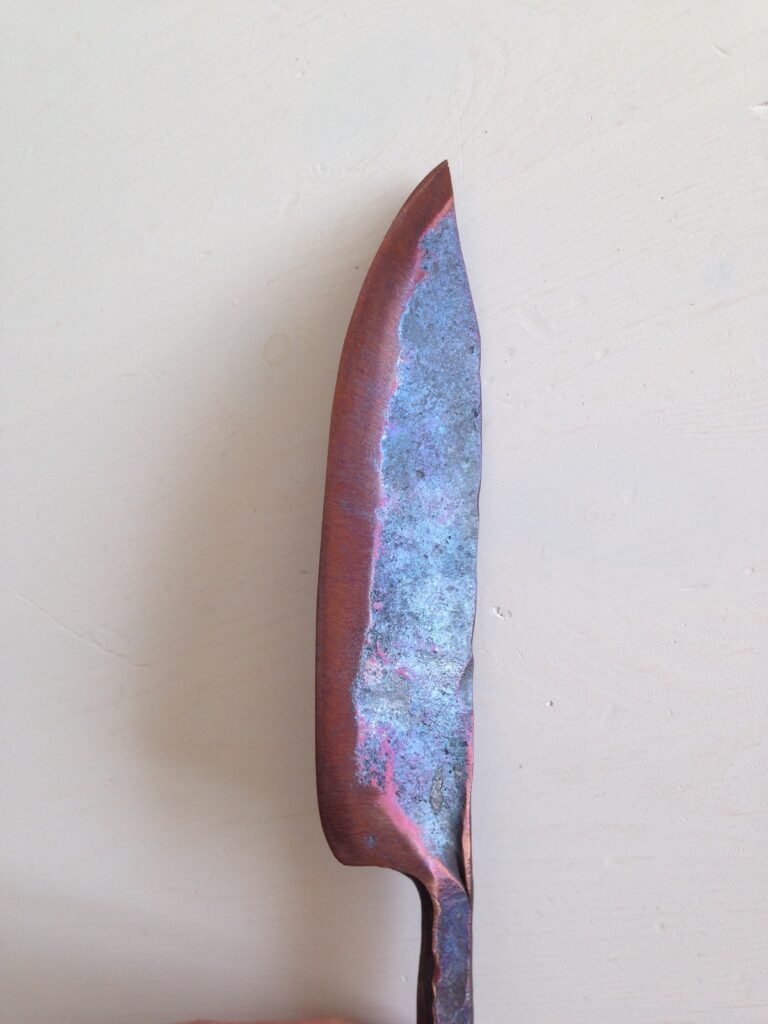

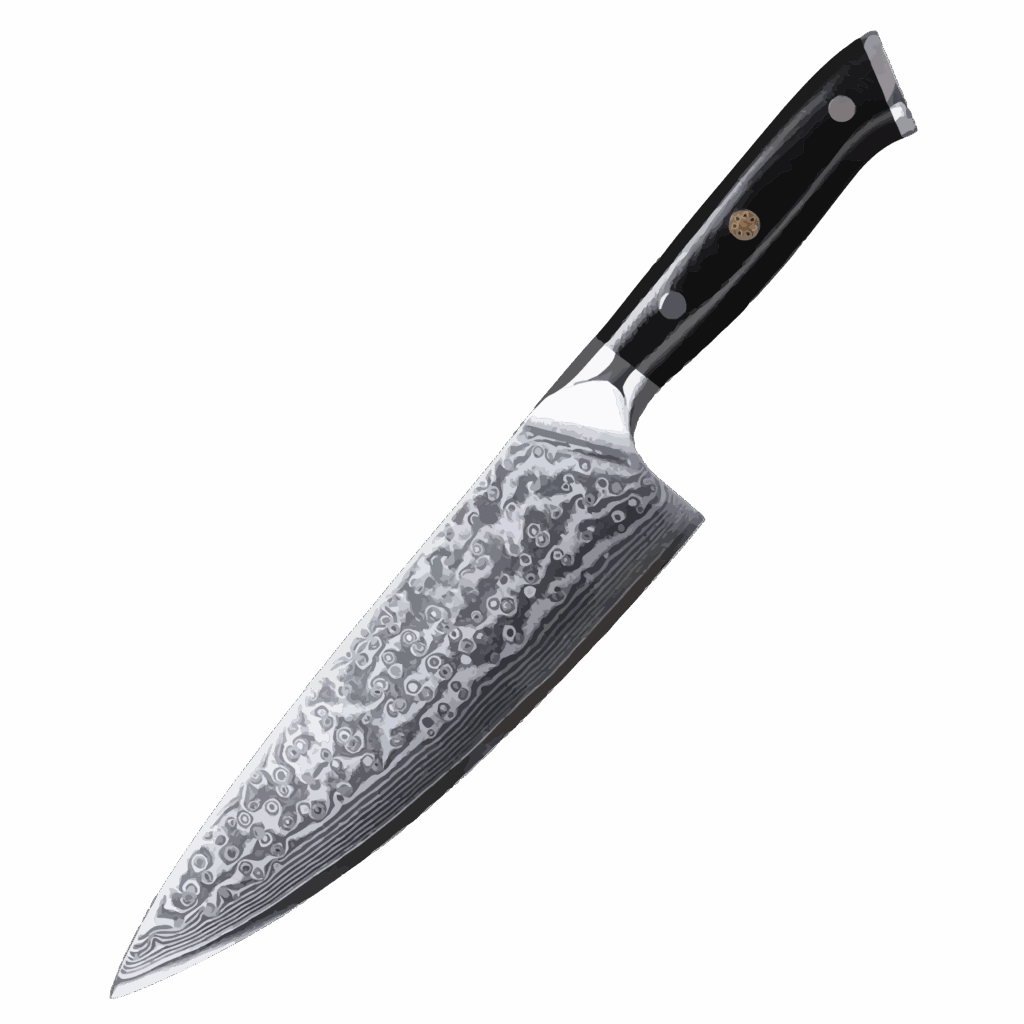
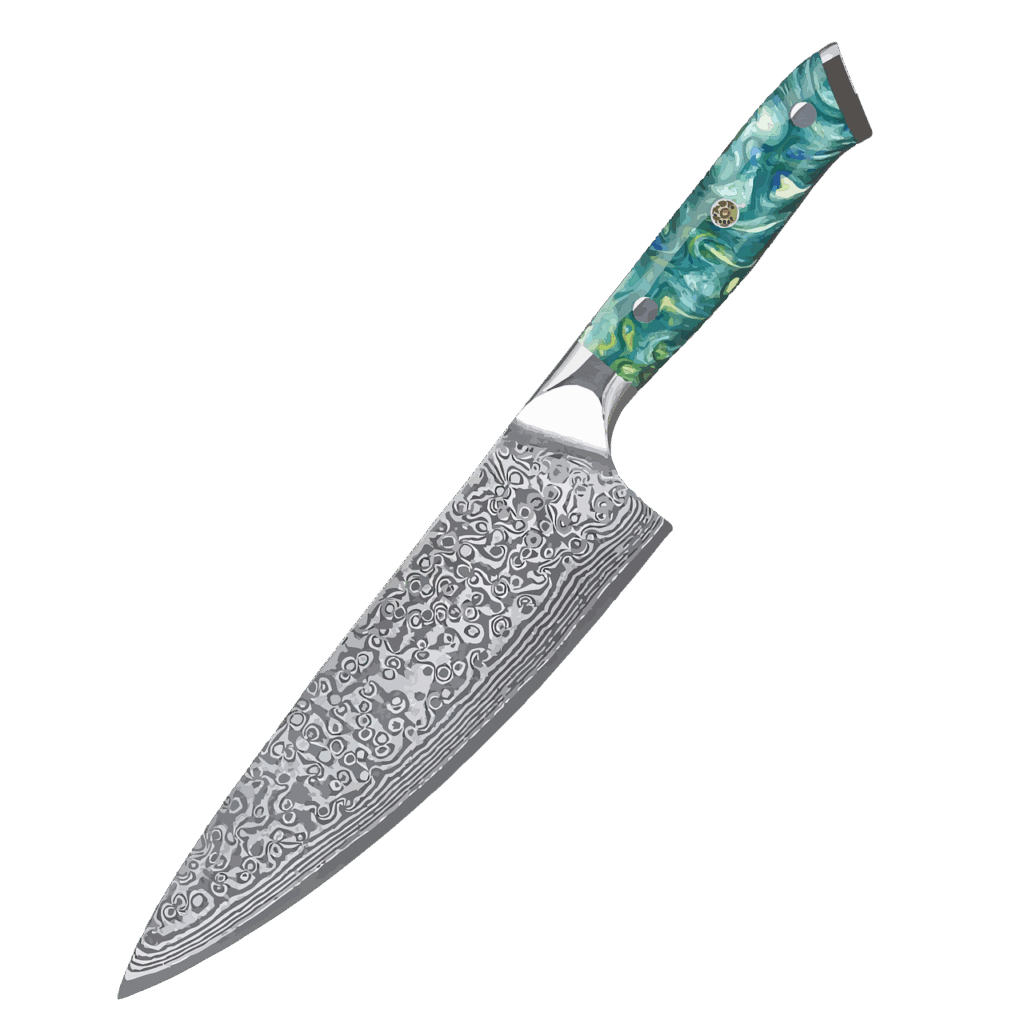
Damascus patterns are a hallmark of craftsmanship in the world of bladesmithing and metalworking. These intricate designs, characterized by their flowing, wavy lines and unique textures, are not merely aesthetic; they also serve to enhance the performance of the blade. The patterns are created through a process of layering different types of steel, which are then forged together.
This method not only results in a visually striking appearance but also combines the best properties of each steel type, leading to blades that are both tough and resilient. The beauty of Damascus patterns lies in their unpredictability. Each blade tells a story through its unique design, shaped by the specific techniques and materials used during its creation.
The patterns can range from subtle and understated to bold and dramatic, depending on the artist’s intent and skill level. Understanding the nuances of these patterns is essential for any bladesmith looking to create exceptional pieces that stand out in both form and function.

Key Takeaways
- Damascus patterns are created by layering and manipulating different types of steel to create unique designs.
- Frosting belts on the grinder are used to create a matte finish on the steel, enhancing the contrast of the Damascus pattern.
- Choosing the right materials for frosting belts is crucial for achieving the desired finish and preventing damage to the steel.
- Setting up the grinder for Damascus pattern creation involves adjusting the speed, pressure, and angle to achieve the desired effect.
- Techniques for using frosting belts on the grinder include consistent movement, even pressure, and proper handling of the steel to create stunning patterns.
Introduction to Frosting Belts on the Grinder
Frosting belts are specialized grinding tools that play a crucial role in the creation of Damascus patterns. These belts are designed to provide a specific texture to the surface of the steel, which can significantly influence the final appearance of the blade. By using frosting belts, artisans can achieve a variety of finishes that enhance the visual depth of the Damascus pattern, making it more pronounced and appealing.
The use of frosting belts on a grinder allows for greater control over the texturing process. Unlike traditional grinding belts, which may remove material too aggressively, frosting belts are engineered to create a more refined surface finish. This precision is vital when working with layered steels, as it helps to reveal the intricate patterns without compromising the integrity of the blade.
Understanding how to effectively utilize frosting belts is essential for any bladesmith aiming to elevate their Damascus creations.
Choosing the Right Materials for Frosting Belts
Selecting the appropriate materials for frosting belts is a critical step in achieving the desired results in Damascus pattern creation. Frosting belts are typically made from a combination of abrasive materials and backing substrates that determine their effectiveness and durability. Commonly used abrasives include aluminum oxide and zirconia, each offering distinct advantages depending on the specific application.
When choosing frosting belts, it is essential to consider factors such as grit size and belt width. Finer grits are ideal for achieving a smooth finish, while coarser grits can be used for more aggressive material removal. Additionally, the width of the belt should match the grinder’s specifications to ensure optimal performance.
By carefully selecting the right materials for frosting belts, bladesmiths can enhance their ability to create stunning Damascus patterns that showcase their craftsmanship.
Setting Up the Grinder for Damascus Pattern Creation
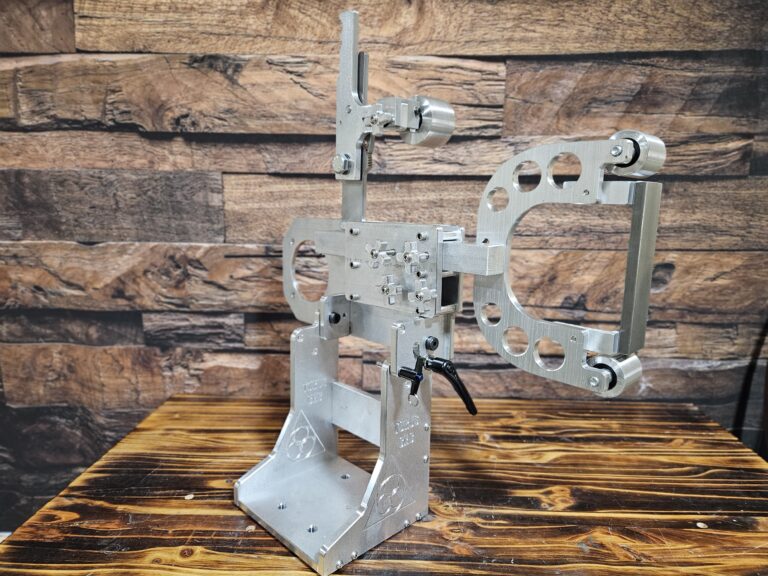
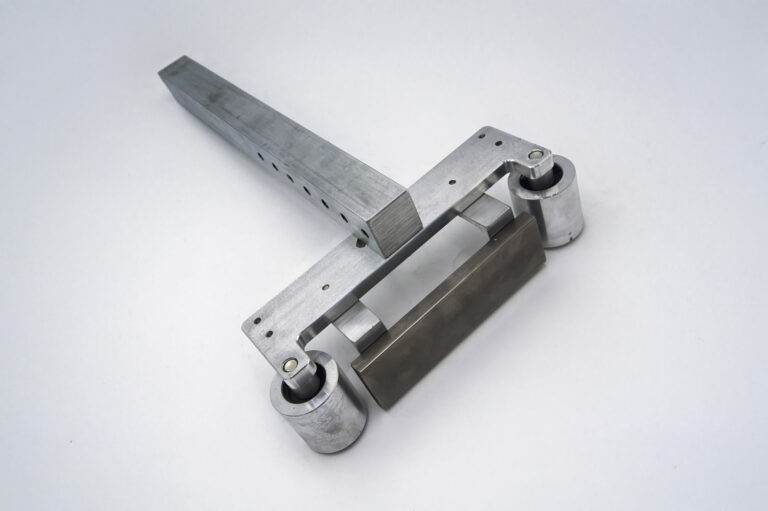
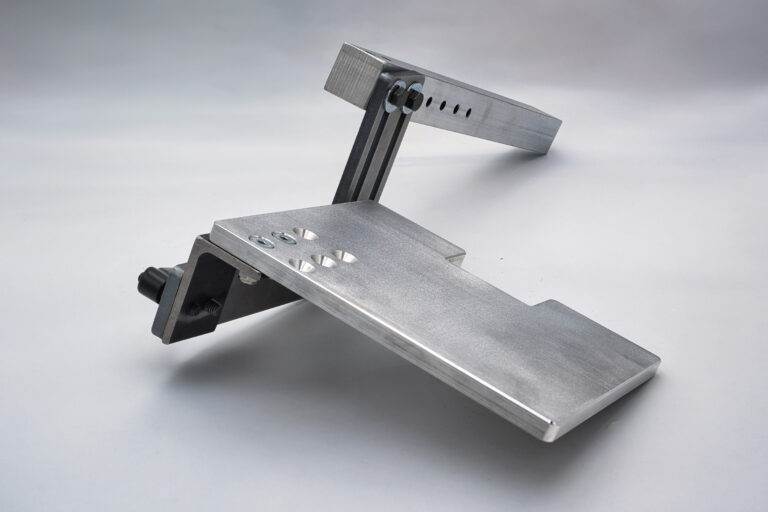
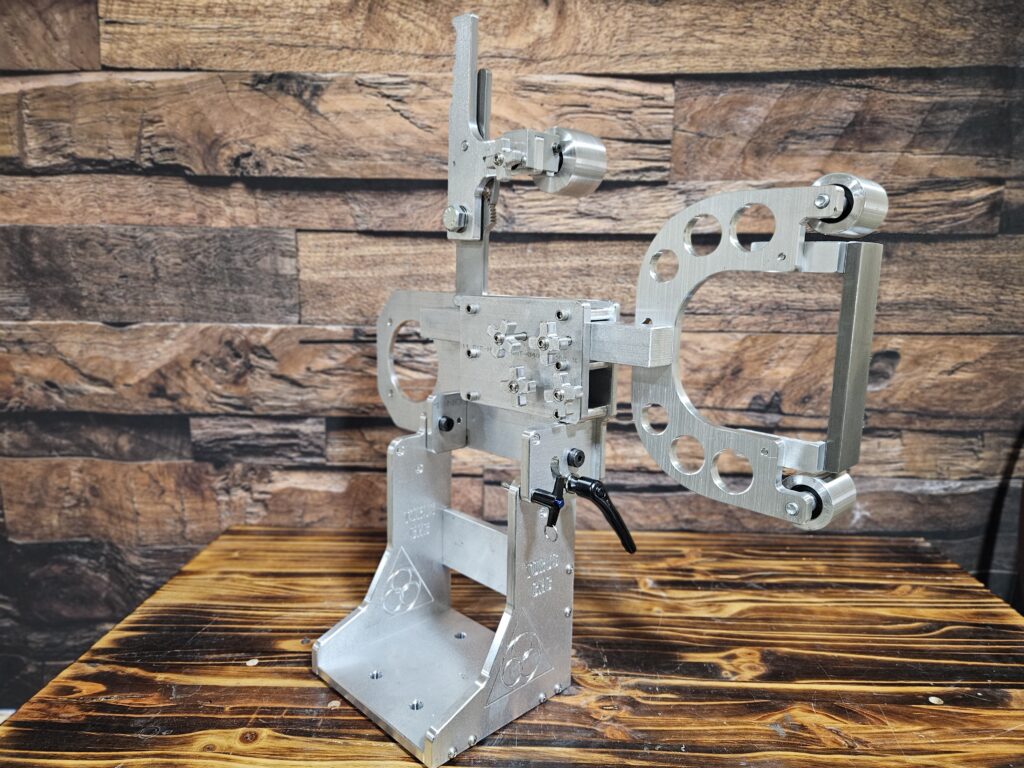
Properly setting up the grinder is a fundamental step in the process of creating Damascus patterns. A well-calibrated grinder ensures that the frosting belts operate efficiently and effectively, allowing for precise control over the texturing process. Before beginning, it is crucial to check that all components of the grinder are functioning correctly, including the motor, tracking system, and tensioning mechanisms.
Once the grinder is set up, it is important to adjust the speed settings according to the type of frosting belt being used. Different belts may require varying speeds to achieve optimal results, so understanding these requirements is key. Additionally, securing the workpiece firmly in place will prevent any unwanted movement during grinding, ensuring that the Damascus pattern is applied consistently across the blade’s surface.
A well-prepared grinder sets the stage for successful pattern creation.
Techniques for Using Frosting Belts on the Grinder
Utilizing frosting belts effectively requires a combination of technique and finesse. One common approach is to use a back-and-forth motion while applying light pressure to the workpiece. This technique allows for even distribution of texture across the blade’s surface, helping to reveal the underlying Damascus pattern without over-grinding any specific area.
It is essential to maintain a steady hand and consistent speed throughout this process to achieve uniform results. Another technique involves varying the angle at which the frosting belt contacts the steel. By adjusting this angle, artisans can create different textures and patterns within the Damascus design.
Experimenting with various angles can lead to unique results that enhance the overall aesthetic appeal of the blade. Mastering these techniques will enable bladesmiths to unlock new creative possibilities in their Damascus pattern creations.
Tips for Achieving Consistent and Stunning Patterns
Achieving consistent and stunning Damascus patterns requires attention to detail and a commitment to quality craftsmanship. One key tip is to maintain a clean workspace and ensure that all tools are free from debris or contaminants that could affect the grinding process. A clean environment not only promotes safety but also contributes to better results in pattern creation.
Additionally, it is beneficial to practice on scrap pieces before working on final projects. This allows artisans to refine their techniques and gain confidence in using frosting belts effectively. By experimenting with different settings and approaches on less critical pieces, bladesmiths can develop a deeper understanding of how various factors influence the final outcome of their Damascus patterns.
Common Mistakes to Avoid When Using Frosting Belts
While working with frosting belts can yield beautiful results, there are common mistakes that can hinder progress or lead to unsatisfactory outcomes. One frequent error is applying too much pressure during grinding, which can result in uneven textures or even damage to the blade itself. It is crucial to find a balance between pressure and speed to achieve optimal results without compromising the integrity of the workpiece.
Another mistake is neglecting to monitor belt wear and tear. Over time, frosting belts can become worn down or clogged with debris, affecting their performance. Regularly inspecting and replacing belts as needed will ensure consistent results and prolong the life of both the belts and the grinder itself.
By being mindful of these common pitfalls, bladesmiths can enhance their skills and produce exceptional Damascus patterns.
Experimenting with Different Frosting Belt Configurations
Experimentation is a vital aspect of mastering Damascus pattern creation with frosting belts. By trying out different configurations—such as varying belt grits or combining multiple types of frosting belts—artisans can discover new textures and effects that elevate their work. Each configuration offers unique possibilities for enhancing the visual appeal of Damascus patterns.
Additionally, experimenting with different speeds and angles during grinding can yield surprising results. Bladesmiths may find that certain combinations produce effects they had not anticipated, leading to innovative designs that set their work apart from others. Embracing experimentation fosters creativity and encourages artisans to push boundaries in their Damascus pattern creations.
Advanced Techniques for Damascus Pattern Creation
For those looking to take their Damascus pattern creation skills to new heights, advanced techniques can provide exciting opportunities for innovation. One such technique involves manipulating temperature during forging and grinding processes. By controlling heat levels, artisans can influence how different steels react with one another, resulting in unique patterns that showcase their expertise.
Another advanced method includes layering multiple types of steel in varying thicknesses before forging them together. This approach allows for greater complexity in pattern design, as different layers will respond differently during grinding and polishing processes. Mastering these advanced techniques requires practice and patience but can lead to breathtaking results that truly exemplify artistry in bladesmithing.
Finishing and Polishing the Damascus Patterns
Once the Damascus patterns have been created through grinding with frosting belts, finishing and polishing become essential steps in achieving a professional look. The finishing process typically involves using finer grits or polishing compounds to refine the surface further and enhance clarity in the pattern design. This stage not only improves aesthetics but also contributes to overall blade performance by reducing friction during use.
Polishing can be done using various methods, including buffing wheels or hand polishing techniques with appropriate compounds. Each method offers distinct advantages depending on the desired finish level and available tools. A well-executed finishing process will bring out the full beauty of Damascus patterns, transforming them into stunning works of art that reflect both skill and dedication.
Showcasing Your Stunning Damascus Creations
After investing time and effort into creating exquisite Damascus patterns, showcasing these creations becomes an important aspect of an artisan’s journey. Whether through social media platforms, craft fairs, or exhibitions, sharing finished pieces allows bladesmiths to connect with others who appreciate their work. High-quality photographs highlighting intricate details can captivate audiences and draw attention to unique features within each piece.
Additionally, participating in competitions or collaborating with other artisans can provide valuable exposure while fostering community within the craft. Engaging with fellow creators not only enhances skills but also opens doors for new opportunities in showcasing stunning Damascus creations. Ultimately, sharing these works serves as both a celebration of craftsmanship and an invitation for others to appreciate the artistry involved in bladesmithing.
FAQs
What is a grinder used for in etching Damascus patterns with frosting belts?
A grinder is used to etch Damascus patterns with frosting belts by creating a textured surface on the metal, which allows for the application of the frosting belt to create the desired pattern.
What are frosting belts and how are they used in etching Damascus patterns?
Frosting belts are abrasive belts that are used to create a frosted or matte finish on metal surfaces. In etching Damascus patterns, frosting belts are used to apply the desired pattern onto the textured surface created by the grinder.
What are the benefits of using a grinder to etch Damascus patterns with frosting belts?
Using a grinder to etch Damascus patterns with frosting belts allows for precise control over the texture and pattern of the metal surface. It also provides a cost-effective and efficient method for creating intricate and unique designs.
What safety precautions should be taken when using a grinder to etch Damascus patterns with frosting belts?
When using a grinder to etch Damascus patterns with frosting belts, it is important to wear appropriate safety gear, such as goggles, gloves, and a dust mask. Additionally, it is important to ensure that the work area is well-ventilated and free from any flammable materials.
Can a grinder be used to etch Damascus patterns on other materials besides metal?
While a grinder is commonly used to etch Damascus patterns on metal, it can also be used to create textured surfaces on other materials, such as wood or plastic. However, the process may vary depending on the material being used.