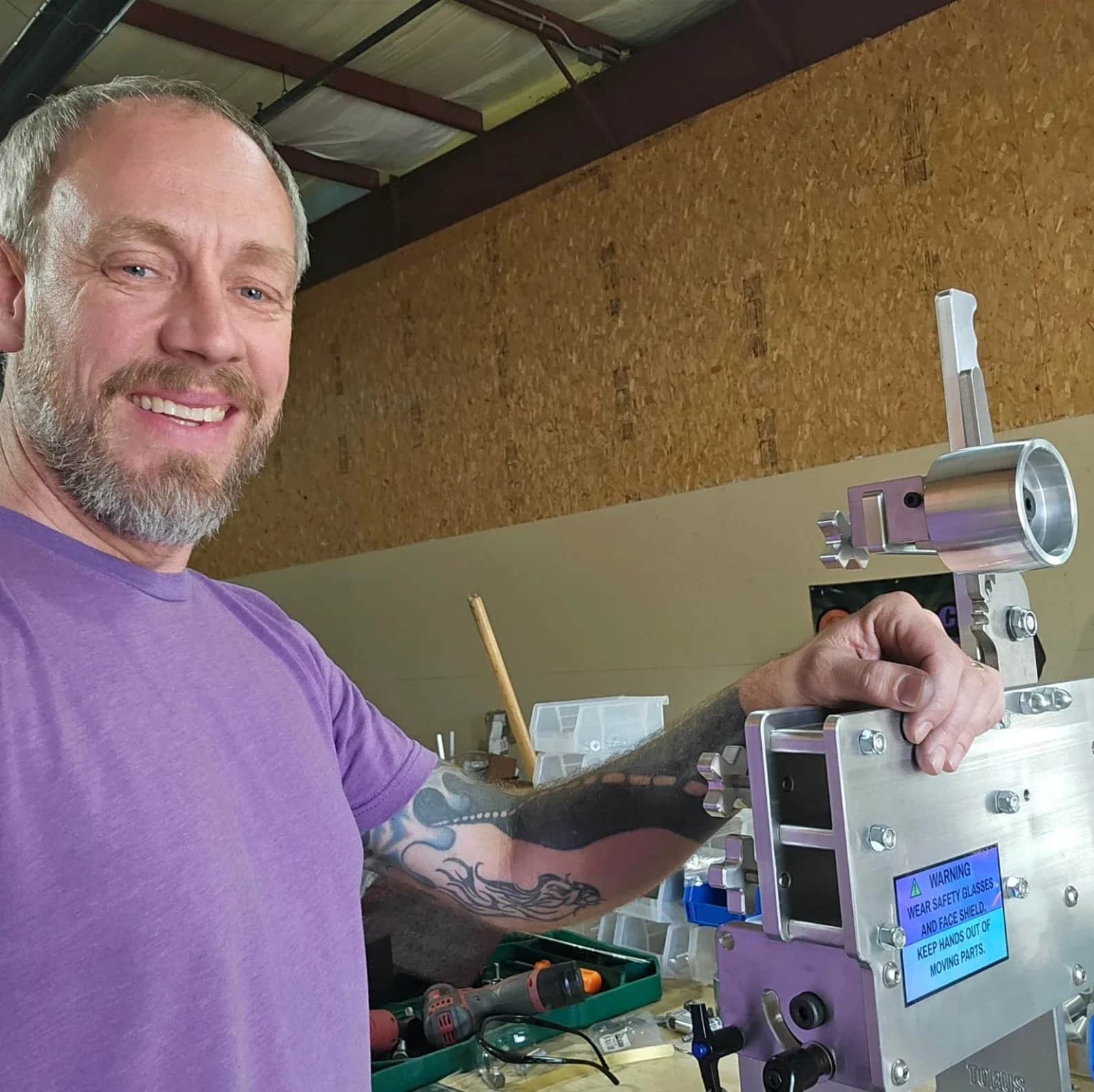
2x72 Grinder Tips
Mastering the 2×72 Grinder for Blade Sharpening, Shaping, and Polishing
Sharpen, shape and polish on one machine. Here is how I use the 2×72 for all three: the belts and angles for a working edge, the passes that shape a blade, and the progression that brings up a polish.
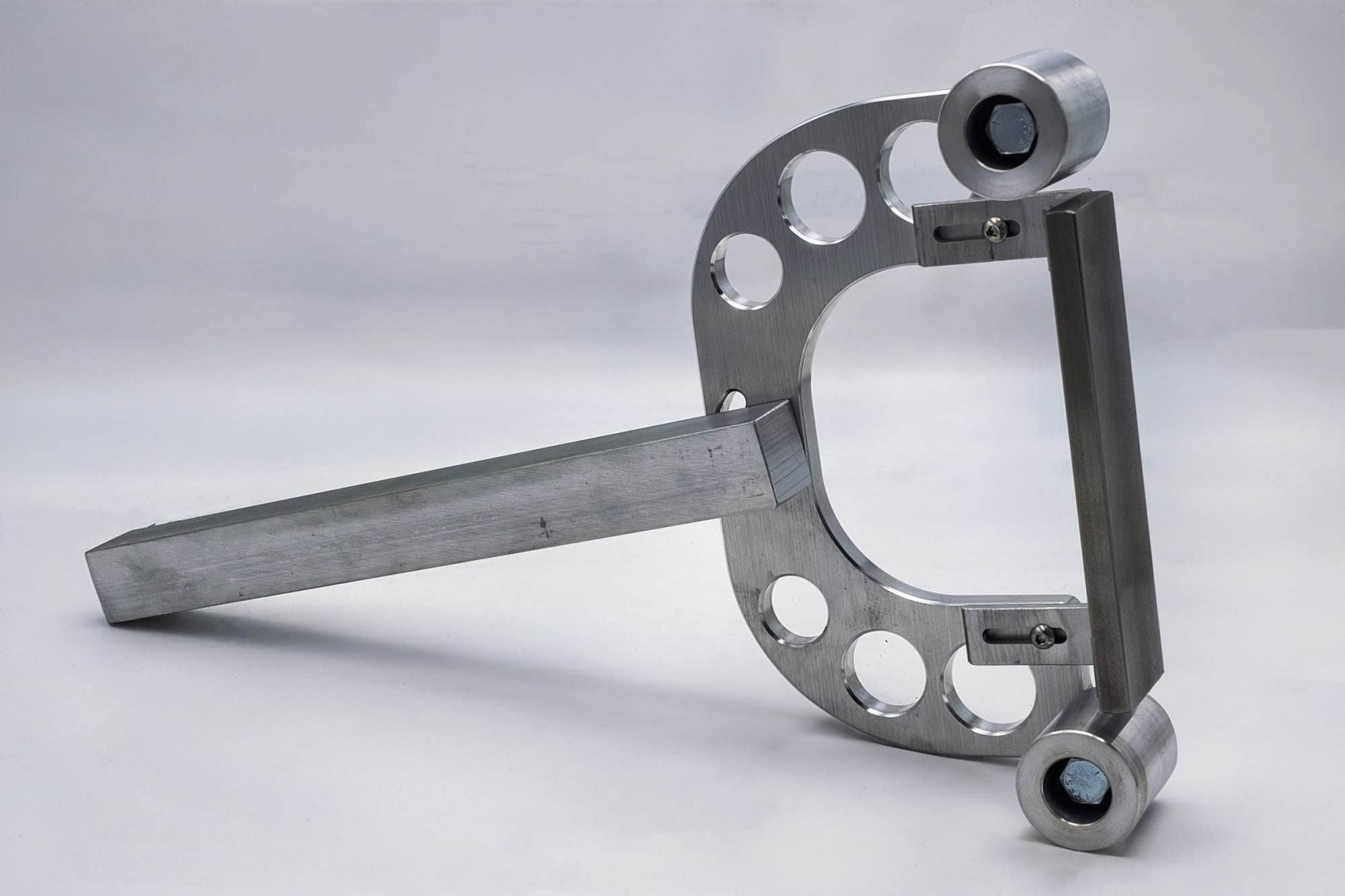
Sharpening, shaping and polishing are three different jobs, and a 2×72 does all three better than three separate machines. Here is how I use mine for each one: the belt and angle that put a working edge on a knife in a minute, the passes that shape a blade from bar stock, and the progression that brings up a polish, plus the safety and maintenance that keep it all running.
Key Takeaways
- The 2×72 grinder is a versatile tool used for shaping, sharpening, and polishing blades.
- When sharpening with the 2×72 grinder, it’s important to maintain a consistent angle and avoid overheating the blade.
- Shaping blades with the 2×72 grinder requires careful control and precision to achieve the desired design.
- Polishing and finishing blades with the 2×72 grinder can be achieved using different grits of belts for a smooth and professional result.
- Safety is paramount when using the 2×72 grinder, including wearing protective gear and being mindful of the grinder’s power and speed.
Sharpening Techniques with the 2×72 Grinder
Sharpening tools is one of the primary functions of the 2×72 grinder, and mastering this technique can significantly enhance the performance of cutting instruments. To begin sharpening, it is essential to select the appropriate belt grit. Coarse belts are ideal for removing material quickly and establishing a new edge, while finer belts are better suited for honing and refining the edge to achieve a razor-sharp finish.
The angle at which the blade is held against the belt is also critical; maintaining a consistent angle ensures uniformity in the sharpening process. When using the 2×72 grinder for sharpening, it is advisable to work in short bursts to prevent overheating the blade. Excessive heat can compromise the temper of the steel, leading to a loss of hardness and durability.
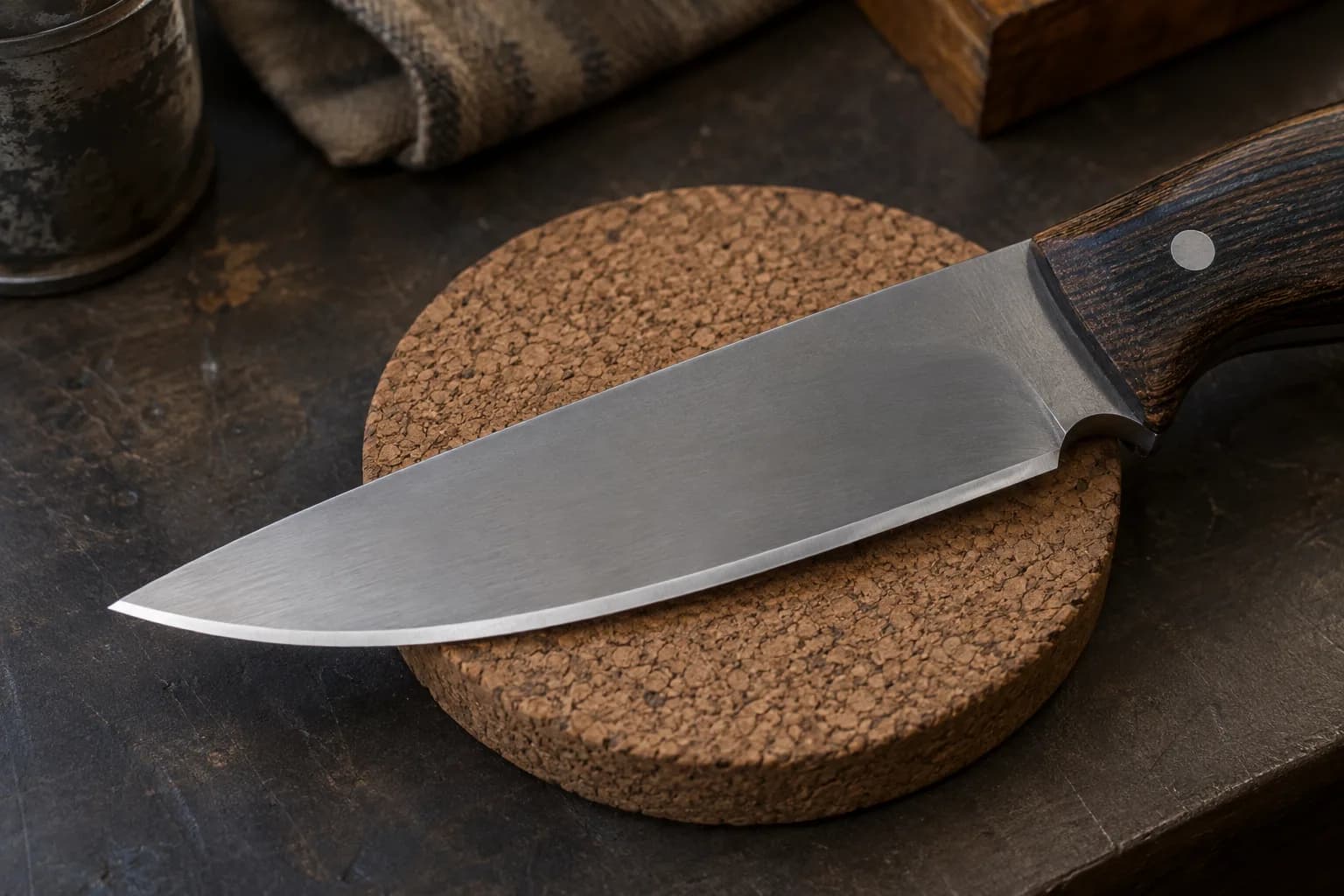
To mitigate this risk, users can periodically dip the blade in water or use a cooling system if available. Employing a technique known as “swing grinding” can enhance control over the sharpening process. This involves moving the blade back and forth across the belt while maintaining a steady angle, allowing for an even grind along the entire edge.
Shaping Blades with the 2×72 Grinder
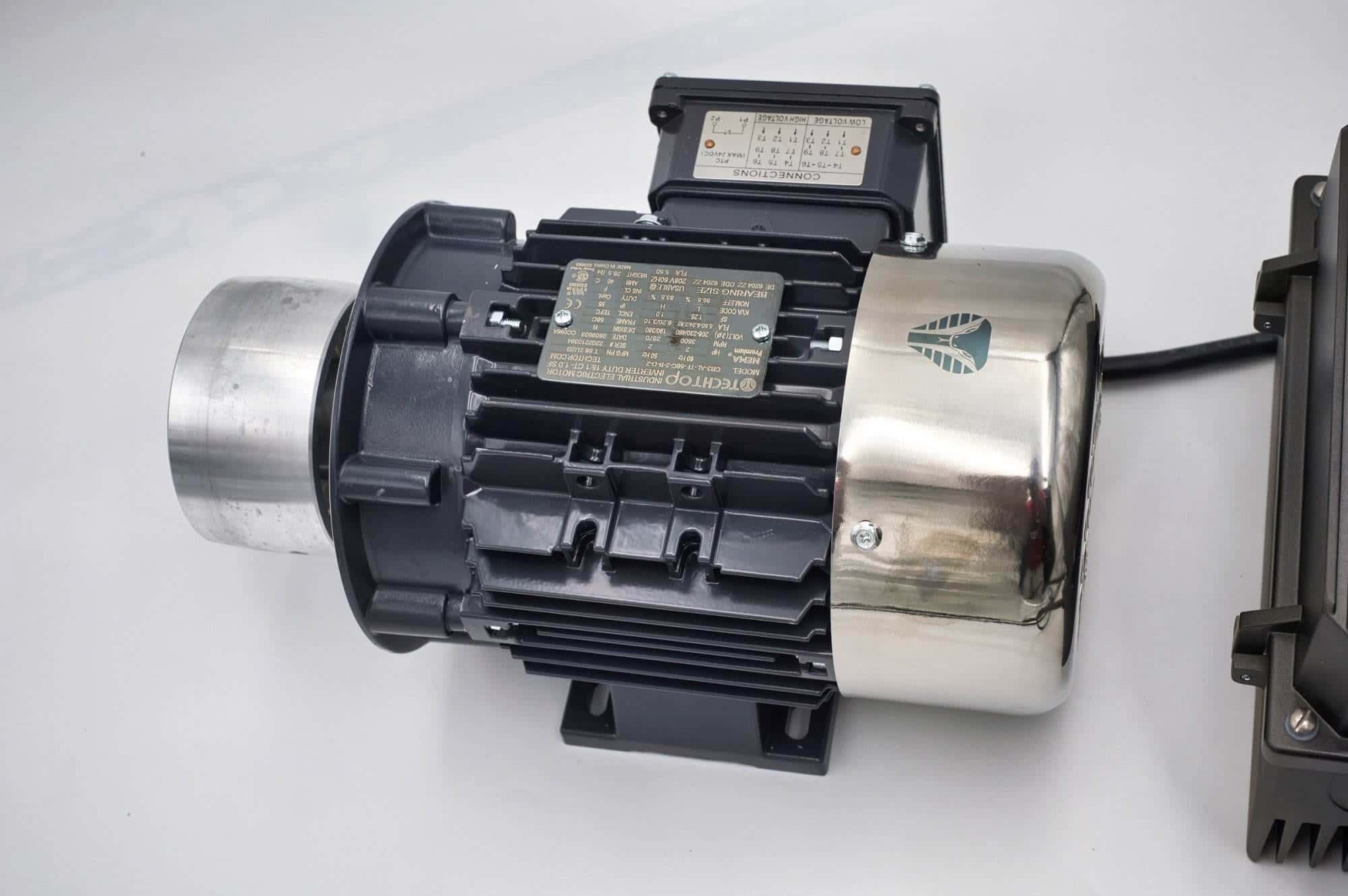
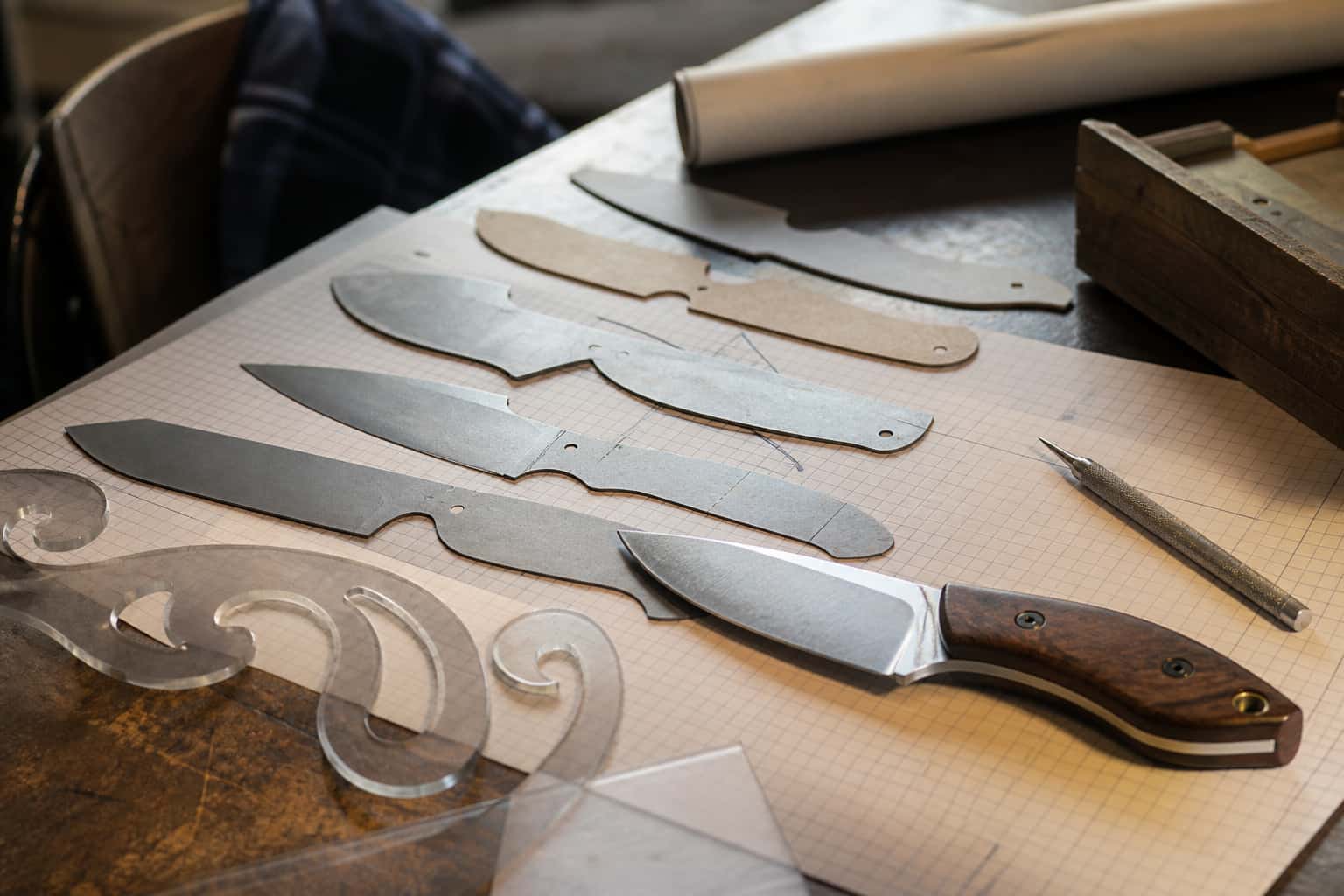
Shaping blades is another critical application of the 2×72 grinder, particularly in knife making and custom tool fabrication. The grinder’s powerful motor and adjustable speed settings enable users to remove material efficiently while maintaining control over the shaping process. When shaping a blade, it is essential to start with a coarse grit belt to quickly establish the desired profile.
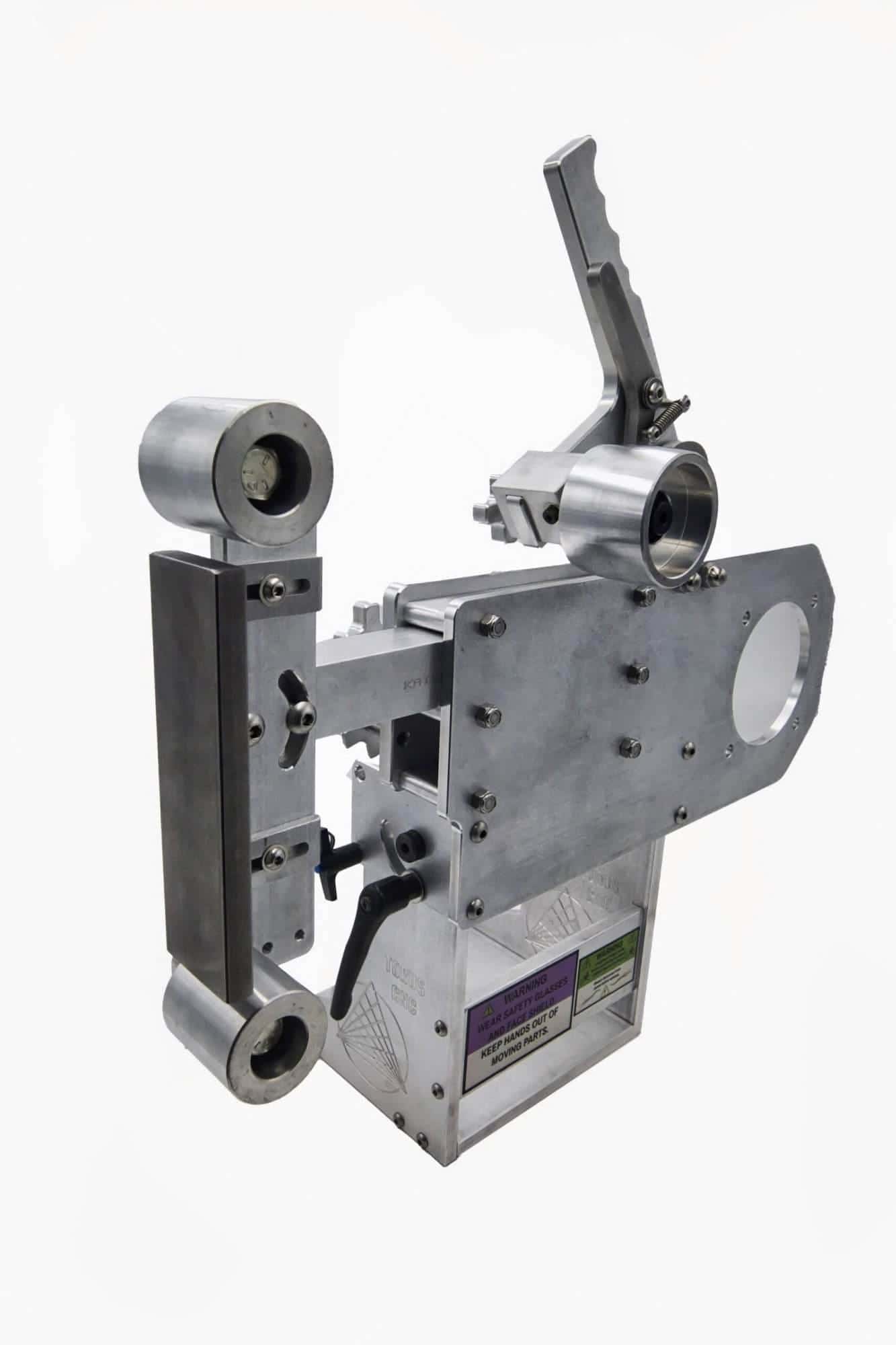
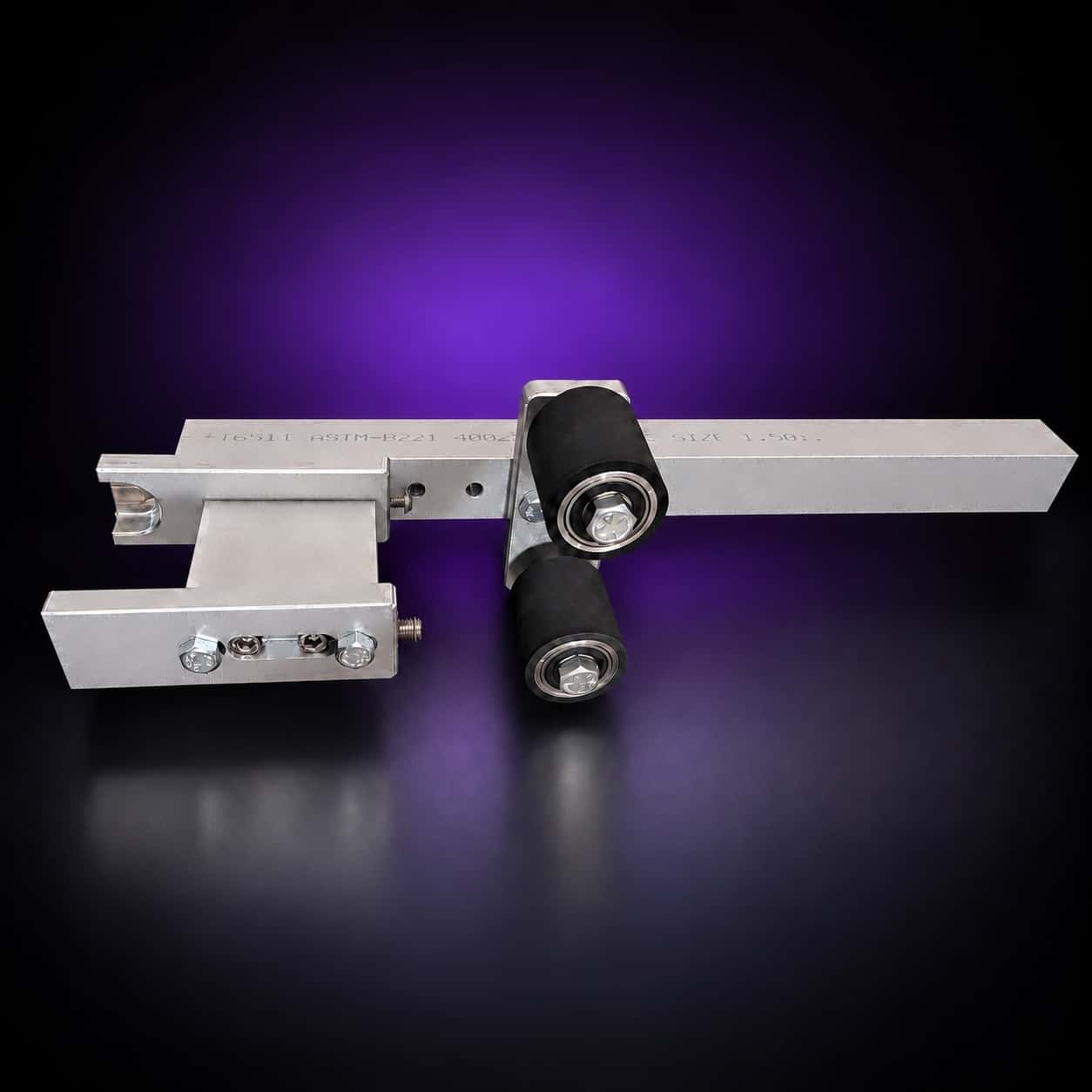
As the shape begins to take form, transitioning to finer grits allows for more precise adjustments and smoother surfaces. One effective technique for shaping blades is to utilize the contact wheel attachment that many 2×72 grinders offer. This attachment allows for curved grinding, which is particularly useful for creating contours and bevels on blades.
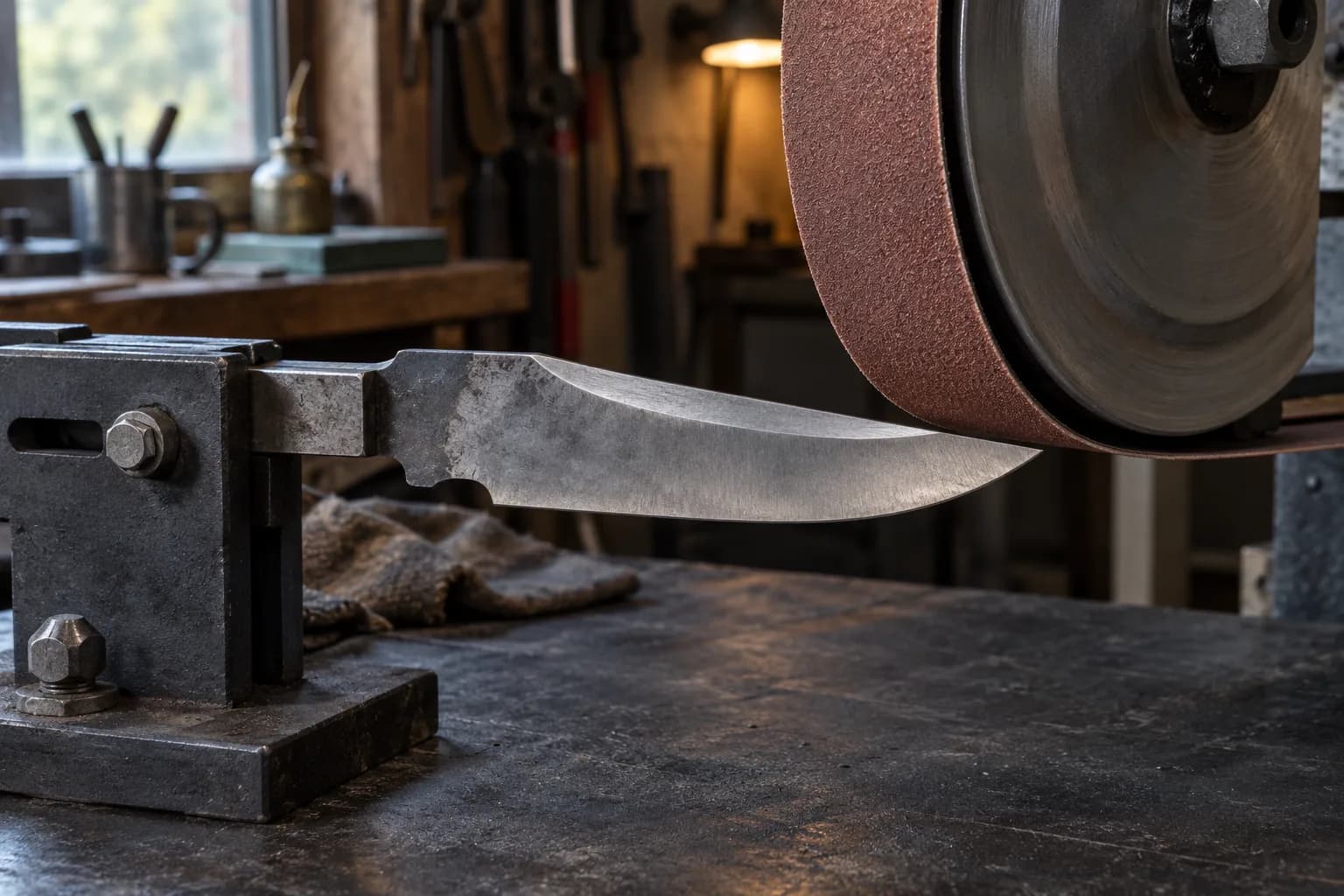
By angling the blade against the contact wheel, users can achieve complex shapes that would be challenging to accomplish with flat grinding alone. Using jigs or fixtures can enhance accuracy when shaping blades, ensuring that each piece is consistent in design and dimensions.
Polishing and Finishing Blades with the 2×72 Grinder
| Blade Type | Grinding Time (minutes) | Finishing Time (minutes) | Polishing Time (minutes) |
|---|---|---|---|
| Carbon Steel | 20 | 10 | 15 |
| Stainless Steel | 25 | 12 | 20 |
| Damascus Steel | 30 | 15 | 25 |
Once a blade has been shaped and sharpened, polishing and finishing are crucial steps that enhance both aesthetics and performance. The 2×72 grinder excels in this area as well, allowing users to achieve a mirror-like finish on their blades. To begin polishing, it is essential to switch to a fine grit belt or a specialized polishing belt designed for this purpose.
These belts often contain materials such as felt or leather that help achieve a high-gloss surface. During the polishing process, it is important to maintain a light touch on the blade to avoid removing too much material. A gentle approach allows for an even polish without compromising the blade’s geometry.
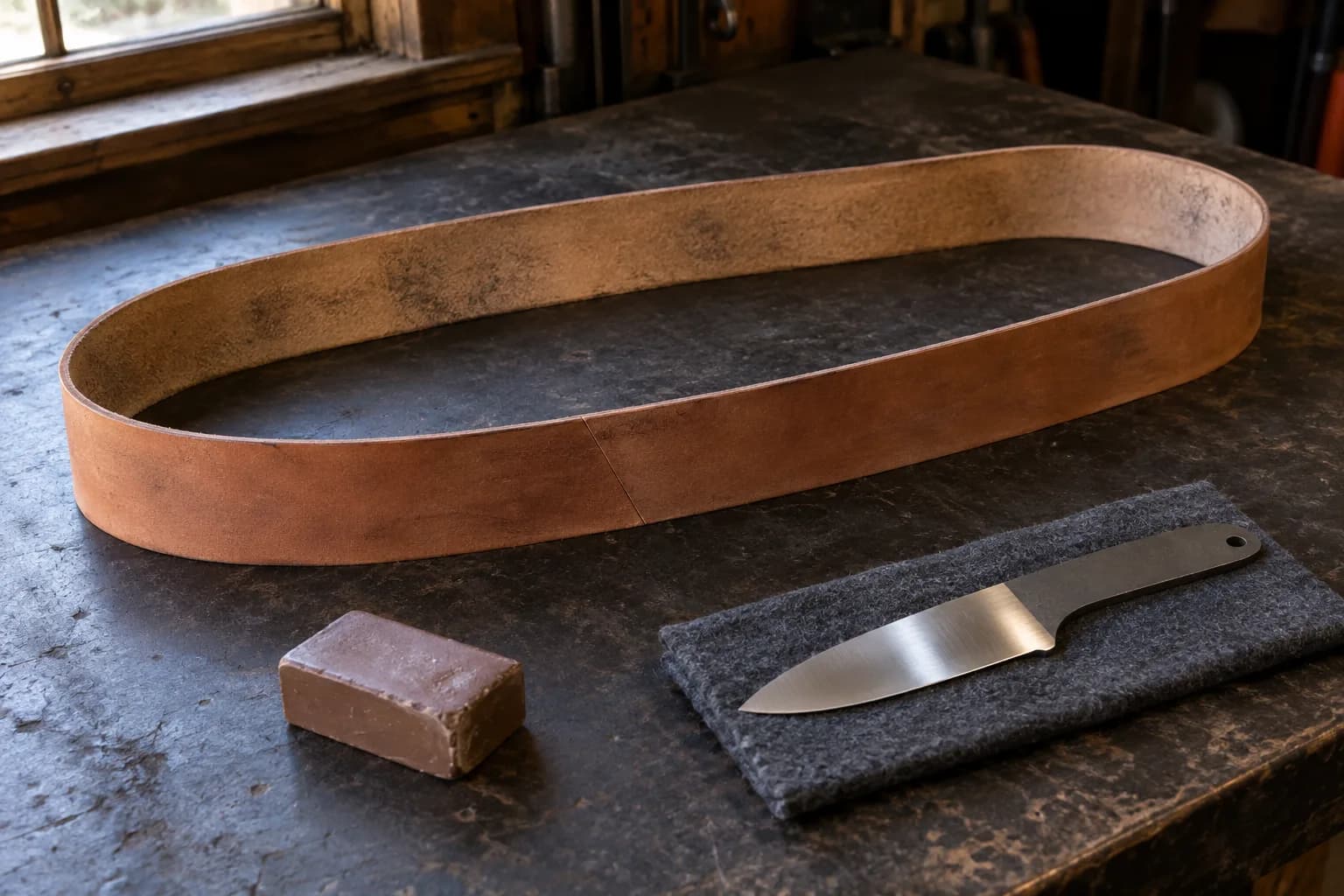
Using polishing compounds can further enhance the finish; applying these compounds while grinding can produce exceptional results. The combination of proper technique and high-quality belts ensures that blades not only look impressive but also perform optimally in their intended applications.
Safety Tips and Best Practices for Using the 2×72 Grinder
Safety should always be a top priority when operating any power tool, including the 2×72 grinder. One of the most important safety measures is to wear appropriate personal protective equipment (PPE). This includes safety glasses or goggles to protect against flying debris, hearing protection due to the noise generated by the grinder, and gloves to shield hands from sharp edges.
Wearing a dust mask or respirator can help prevent inhalation of harmful particles generated during grinding. Another critical safety practice involves maintaining a clean and organized workspace. Clutter can lead to accidents, so it is essential to keep tools and materials neatly arranged.
Users should also ensure that all safety guards are in place before operating the grinder. Regularly inspecting belts for wear and tear is vital; damaged belts can break during operation, posing a significant risk. By adhering to these safety tips and best practices, users can enjoy a productive and safe experience while utilizing their 2×72 grinder.
Choosing the Right Belts for the 2×72 Grinder
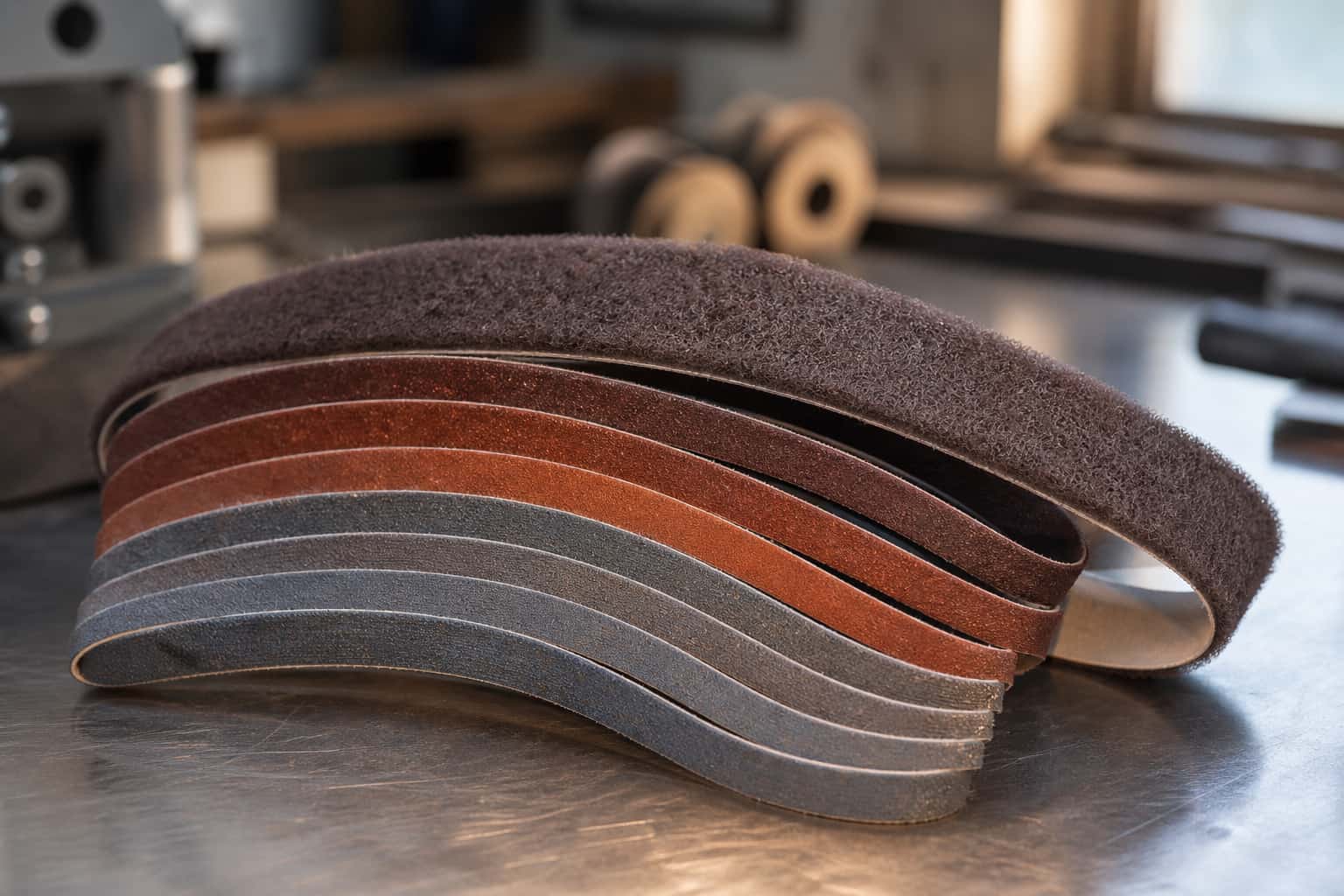
Selecting the right belts for a 2×72 grinder is crucial for achieving optimal results in various applications. Belts come in different grits, ranging from coarse to fine, each serving specific purposes in grinding, shaping, sharpening, and polishing tasks. Coarse belts are typically used for heavy material removal and initial shaping, while medium grit belts are ideal for refining edges and surfaces.
Fine grit belts are best suited for honing edges and achieving a polished finish. In addition to grit size, users should consider the material composition of the belts. Common materials include aluminum oxide, zirconia alumina, and ceramic; each offers unique benefits depending on the application.
For instance, ceramic belts are known for their durability and longevity when grinding hard materials, making them an excellent choice for heavy-duty tasks. Conversely, aluminum oxide belts are versatile and suitable for general-purpose grinding. By understanding these factors and selecting appropriate belts based on specific needs, users can maximize their efficiency and effectiveness when using the 2×72 grinder.
Maintenance and Care for the 2×72 Grinder
Proper maintenance and care are essential for ensuring the longevity and performance of a 2×72 grinder. Regular cleaning is one of the most straightforward yet effective maintenance practices; dust and debris can accumulate on both the machine and belts over time, potentially affecting performance. Users should periodically wipe down surfaces with a damp cloth and ensure that any buildup around moving parts is removed to prevent interference with operation.
Checking belt tension is crucial for optimal performance. A belt that is too loose may slip during operation, while one that is too tight can cause excessive wear on both the belt and machine components. Regularly inspecting bearings and other moving parts for signs of wear or damage is also important; replacing worn components promptly can prevent more significant issues down the line.
Advanced Tips and Tricks for Mastering the 2×72 Grinder
For those looking to improve their skills with the 2×72 grinder, several advanced tips and tricks can enhance both efficiency and precision. One such technique involves using different contact wheels or attachments to achieve various profiles on blades. Experimenting with different wheel sizes allows users to create unique shapes that cater to specific design requirements or personal preferences.
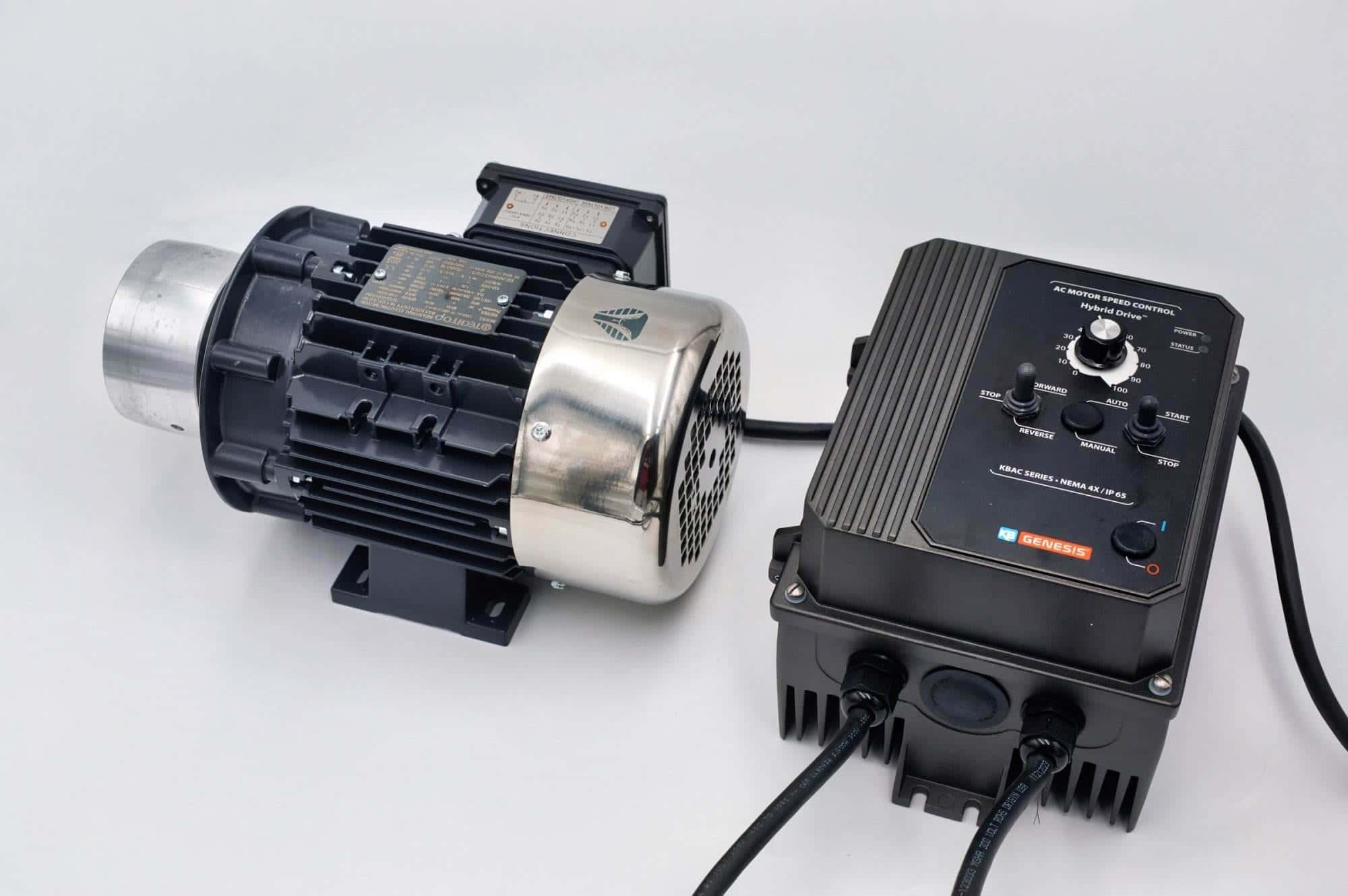
Another advanced approach is mastering variable speed control on the grinder. By adjusting speed settings based on material type or desired finish, users can optimize their grinding techniques for better results. Slower speeds may be beneficial when working with delicate materials or when fine-tuning edges, while higher speeds can expedite material removal during initial shaping tasks.
FAQs
What is a 2×72 grinder?
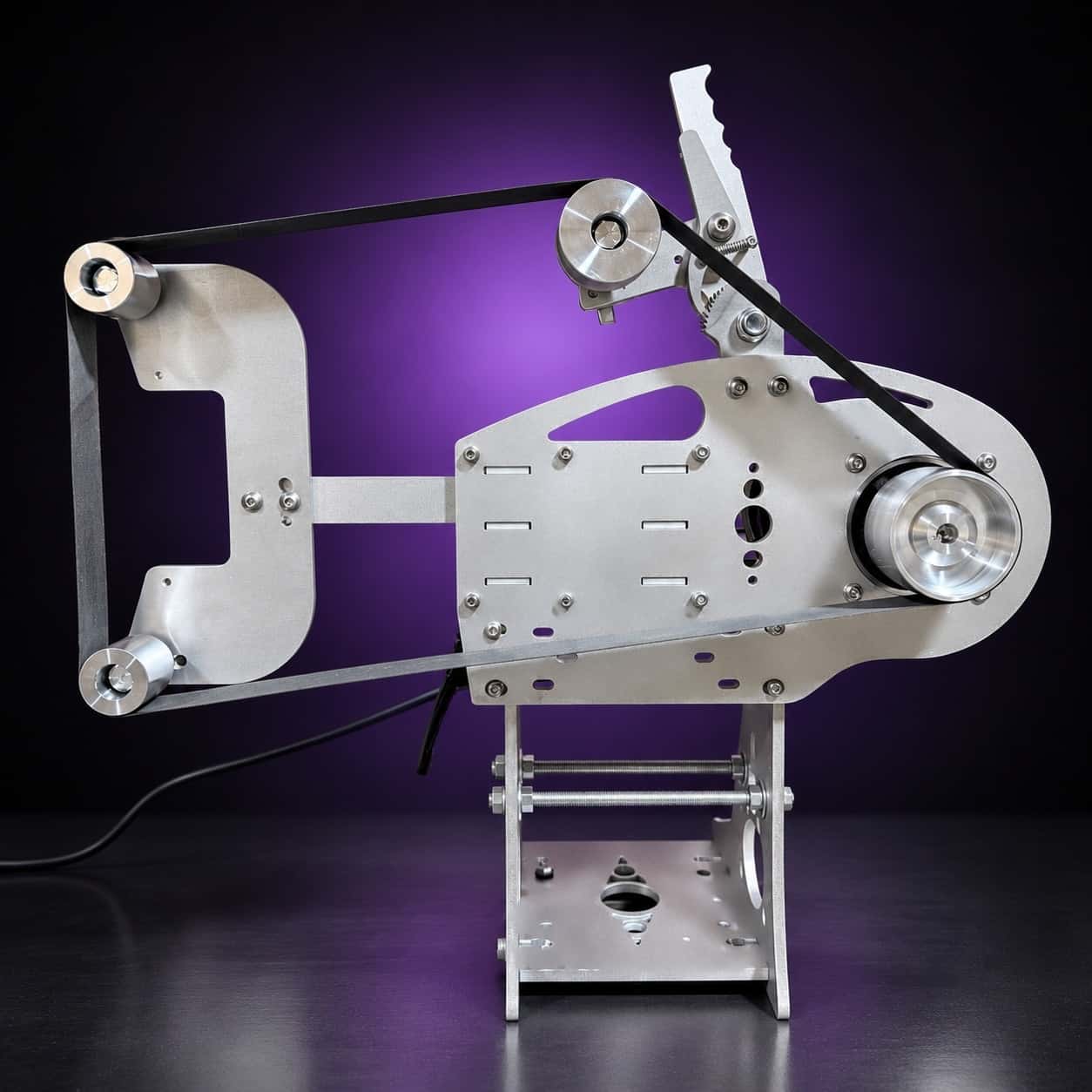
A 2×72 grinder is a type of belt grinder that uses a 2-inch by 72-inch belt for sharpening, shaping, and polishing blades. It is commonly used by knife makers and metalworkers for various grinding tasks.
Shop notes and practical details
Woodworkers have found creative ways to incorporate 2×72 grinders into their projects. For instance, they can be used to shape wooden handles or create intricate designs on wood surfaces through sanding attachments. The adaptability of this machine means that it can serve multiple purposes across different crafts, making it an excellent investment for those who engage in various forms of artistry or fabrication.
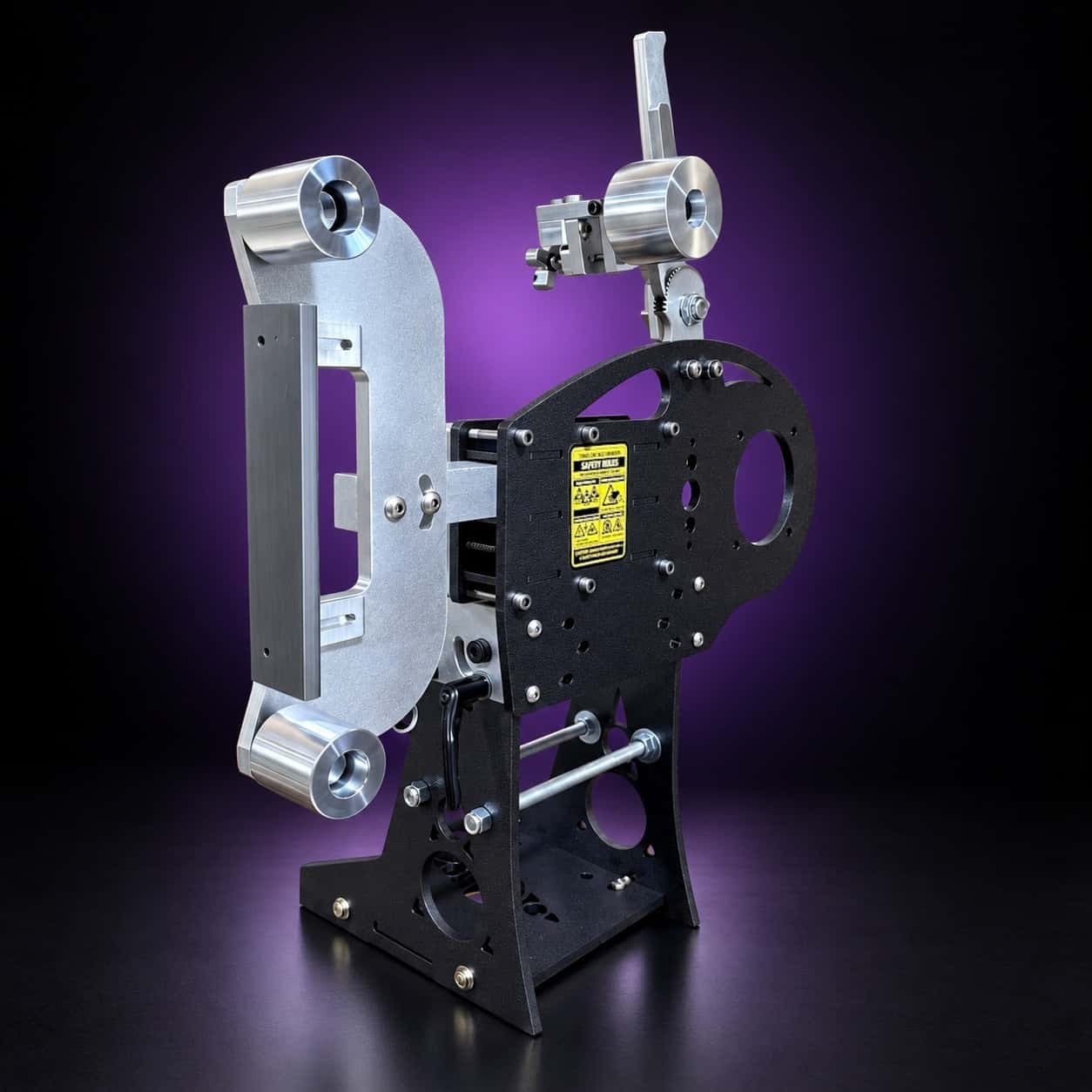
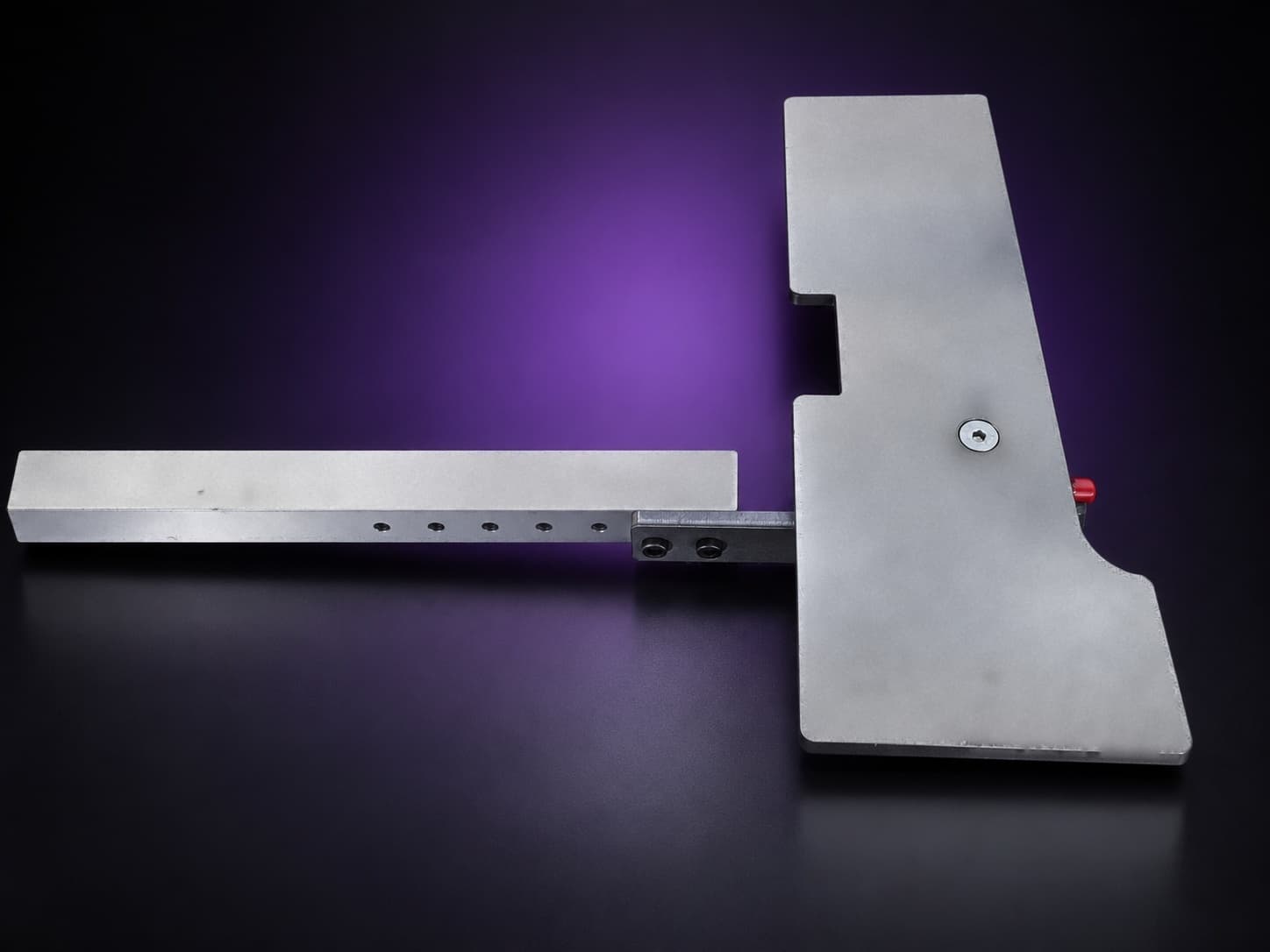
One machine, every job. The Nova 2×72 ships with a deep flat platen and 4-inch drive wheel, tilts to horizontal, and accepts a contact wheel and small wheel on the same arm. Assembled and tested in Sterling, Illinois.