
Abrasives
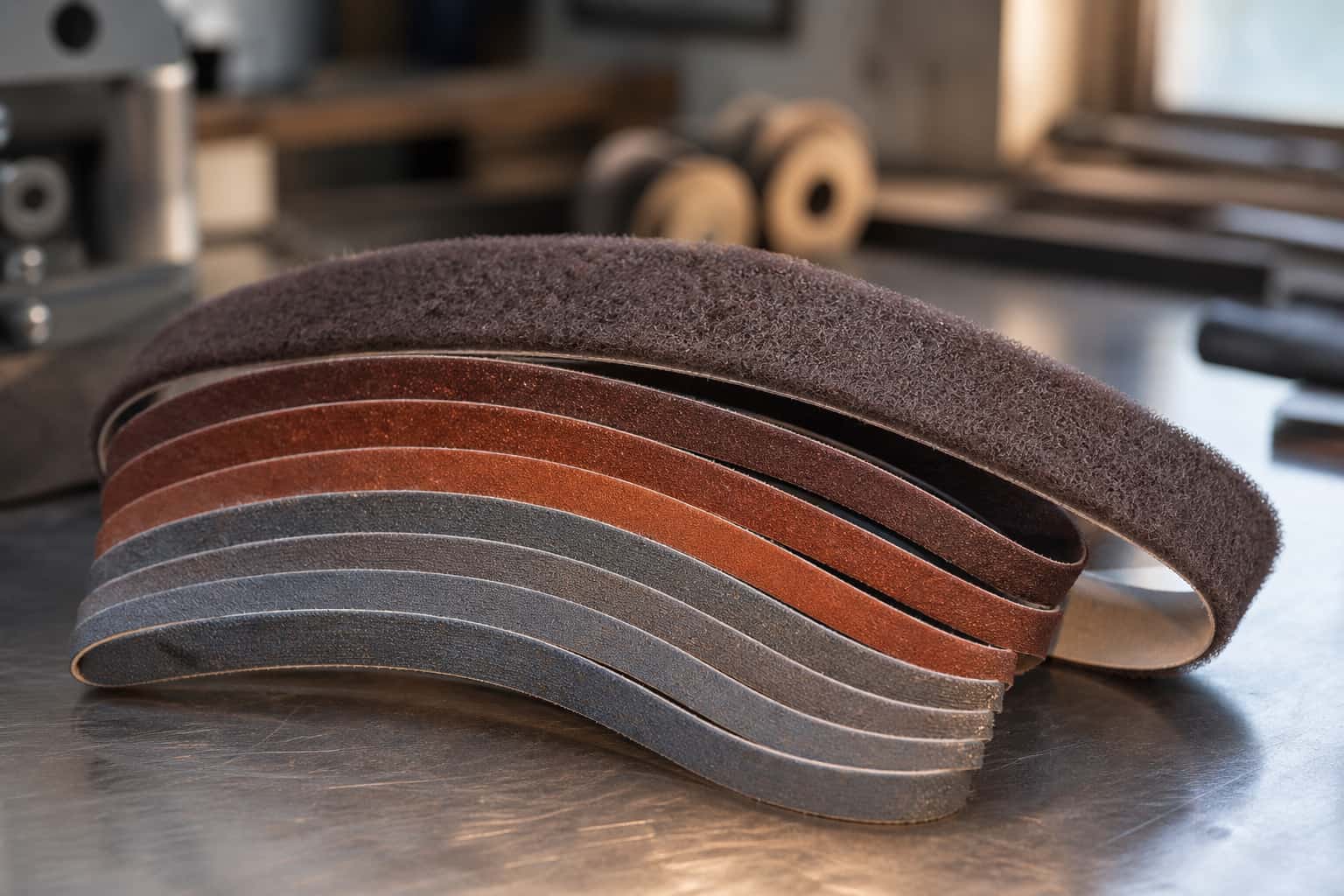
Grinding and Sharpening CPM M4: Belt Recommendations & Technique
CPM M4 sits at the top of this database’s “hardest to grind” list, alongside CPM 20CV and CPM S30V. Its heavy vanadium and tungsten carbide load, adapted…
Knife steel
A high-speed tool steel with extreme edge retention thanks to a heavy vanadium and tungsten carbide load, popular for hard-use fixed blades where long edge life matters more than rust resistance.
Also known as
At a glance
The four meters are relative to the rest of the database. Composition is the published nominal analysis, not a mill certificate for your bar.
Working properties
A strong choice for hard-use fixed blades, competition cutting knives, and high-end kitchen knives where extreme edge retention outweighs the need for corrosion resistance. Browse more entries in the Knife Steel Database, and see the Heat Treating Guide for the full stage-by-stage process.
At the bench
Open the property you are worried about. Every note is written for the blade in your hand, not for a spec sheet.
The full reference
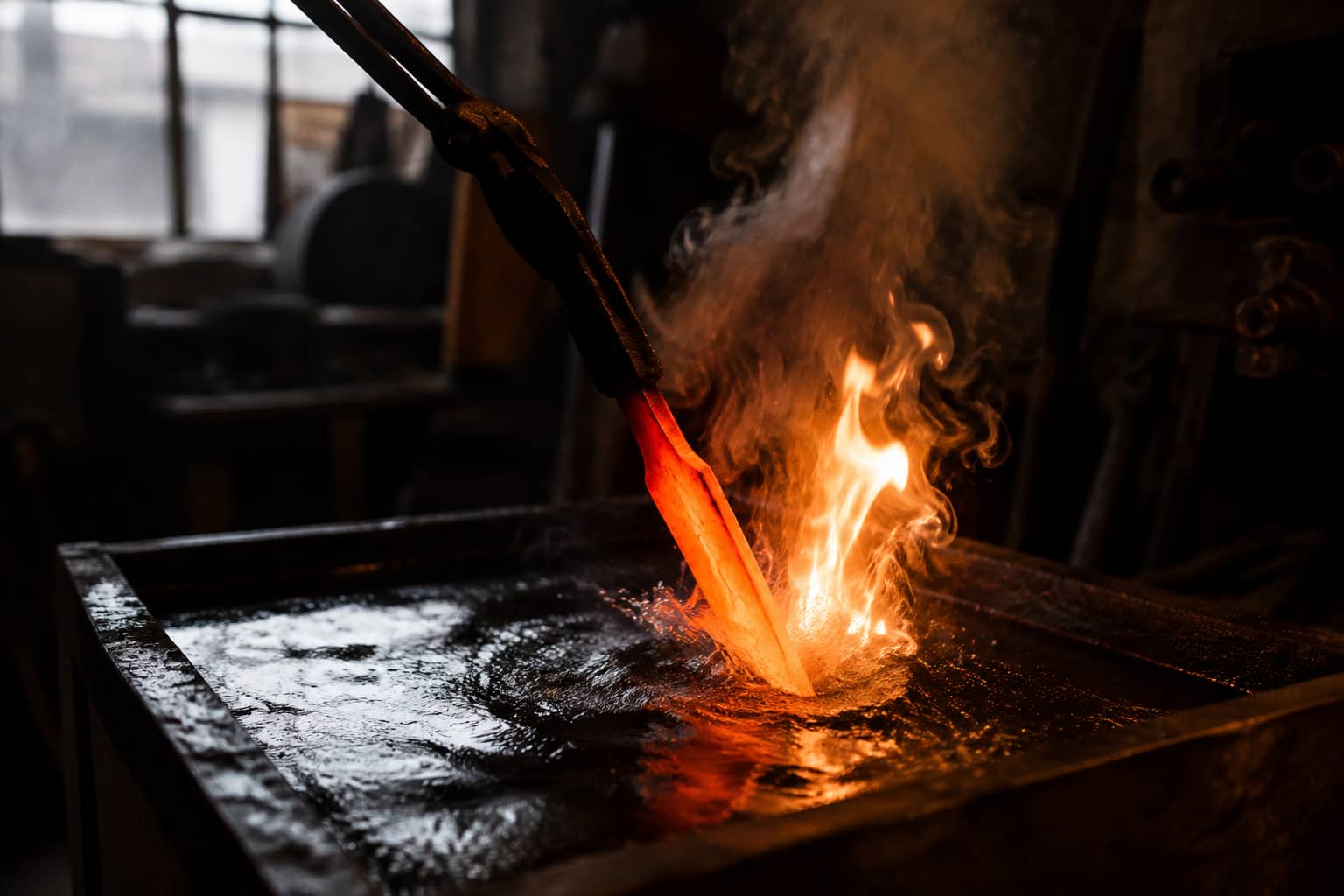
CPM M4 is a high-speed tool steel adapted from industrial cutting-tool applications into one of the highest wear-resistance options available to knifemakers. Its heavy vanadium and tungsten carbide load gives it exceptional edge retention, at the cost of no meaningful corrosion resistance and a heat treat that runs hotter and more involved than most knife steels.
No, with only 4% chromium it is well below the stainless threshold and needs the same oiling and drying care as any carbon tool steel.
Typically 62-64 Rc, with a maximum near 65 Rc. See the heat treat details further up this page for the full recipe.
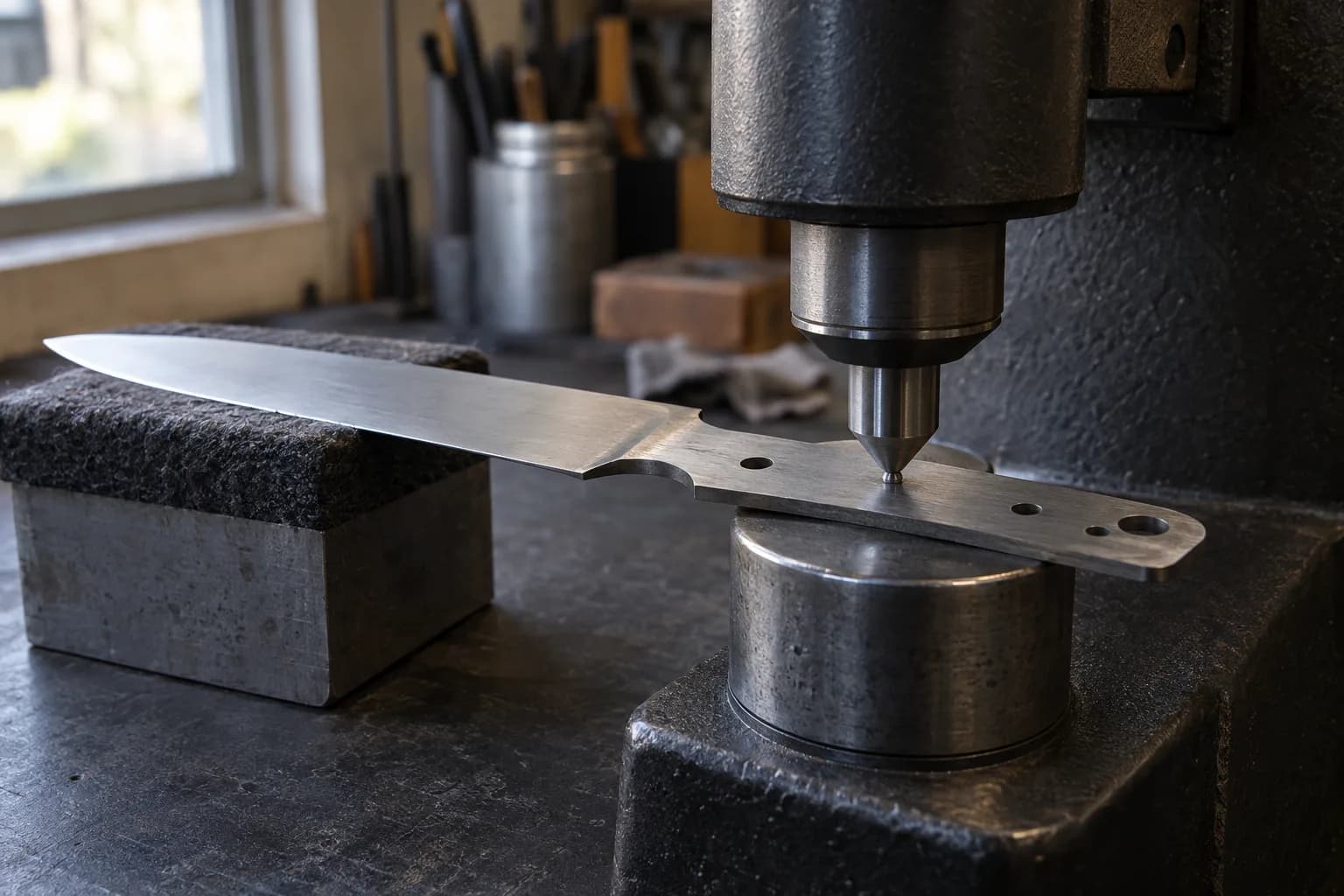
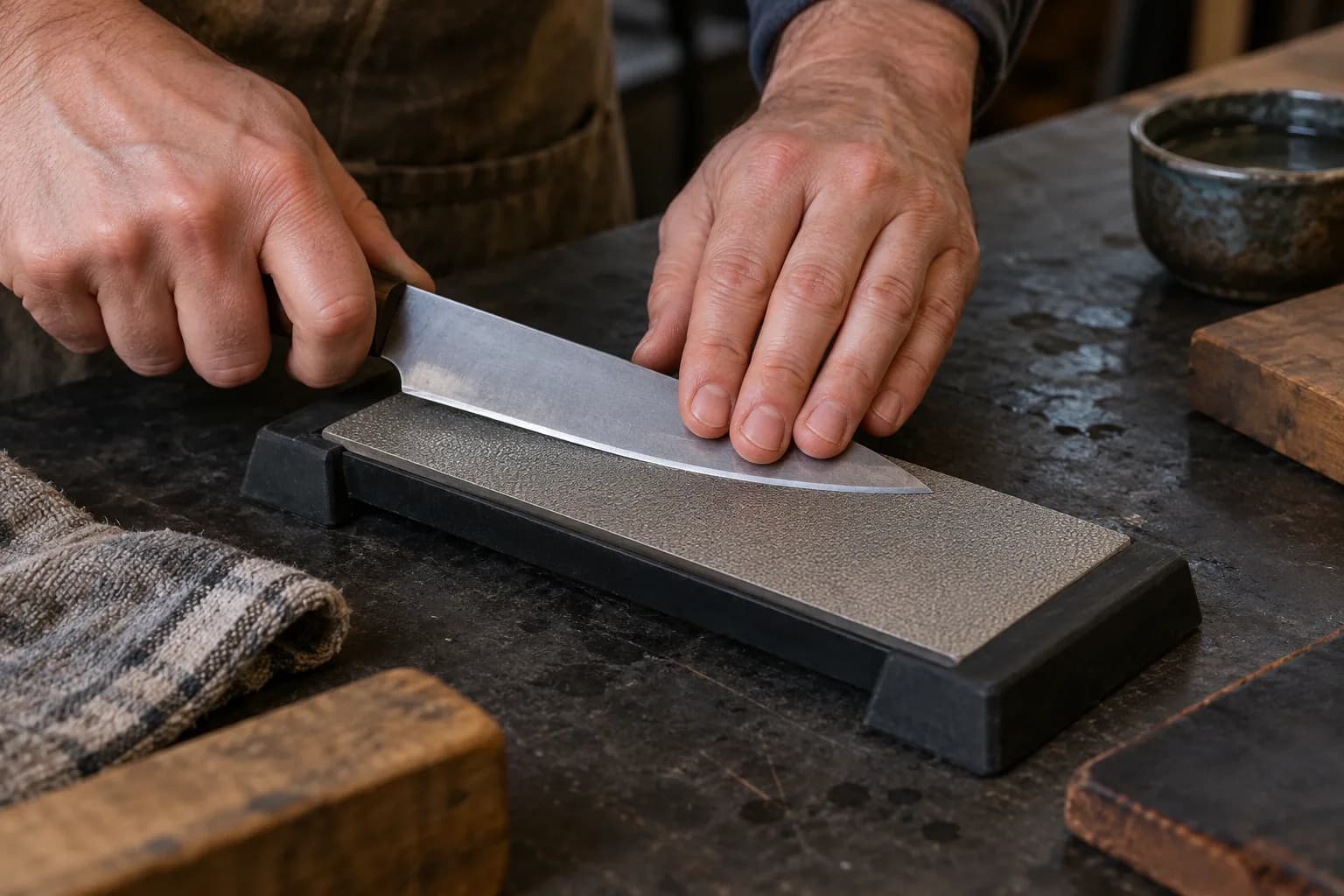
Yes, it is one of the most demanding steels in this database to sharpen due to its very heavy carbide content. Diamond stones are strongly recommended. See the full grinding and sharpening guide.
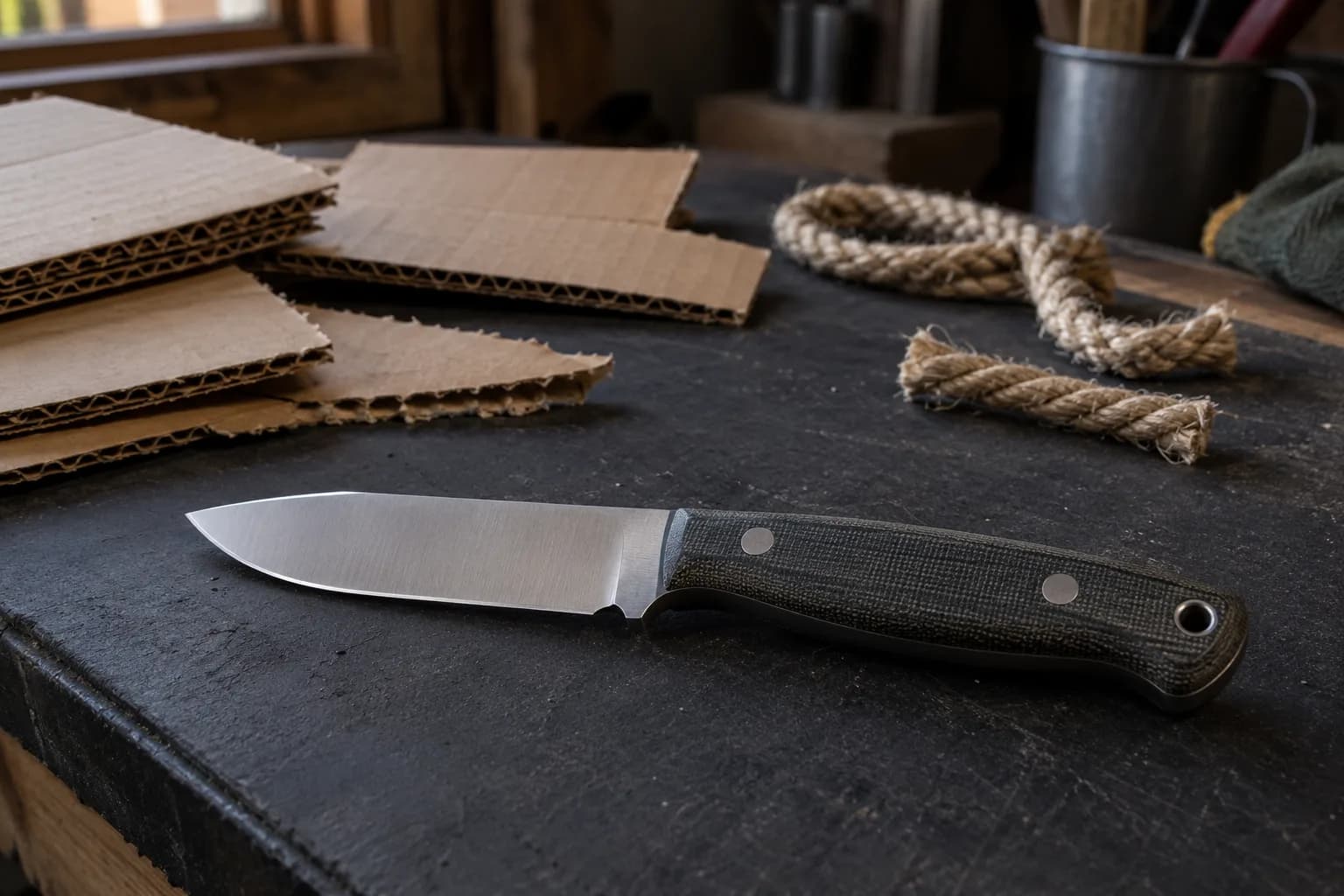
CPM M4 offers substantially better edge retention than both, at a real cost in toughness and ease of grinding. See the full breakdowns: CPM 3V vs CPM M4 and CPM CruWear vs CPM M4.
Head to head
Every matchup CPM M4 appears in, dimension by dimension.
Keep reading
CPM M4 sits at the top of this database’s “hardest to grind” list, alongside CPM 20CV and CPM S30V. Its heavy vanadium and tungsten carbide load, adapted…
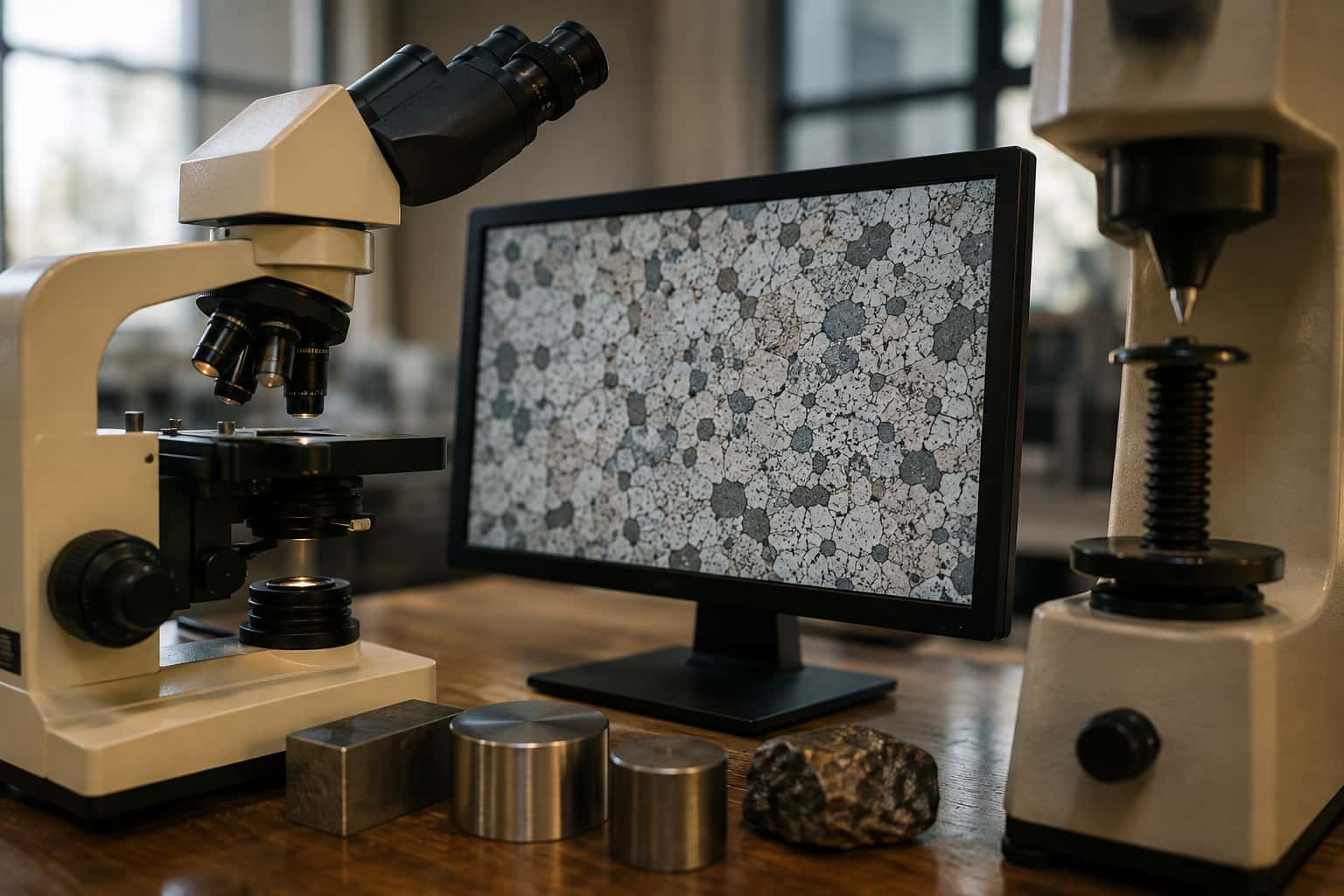
Every knife steel is iron plus a specific recipe of other elements, and each of those elements pulls the steel’s behavior in a particular direction…
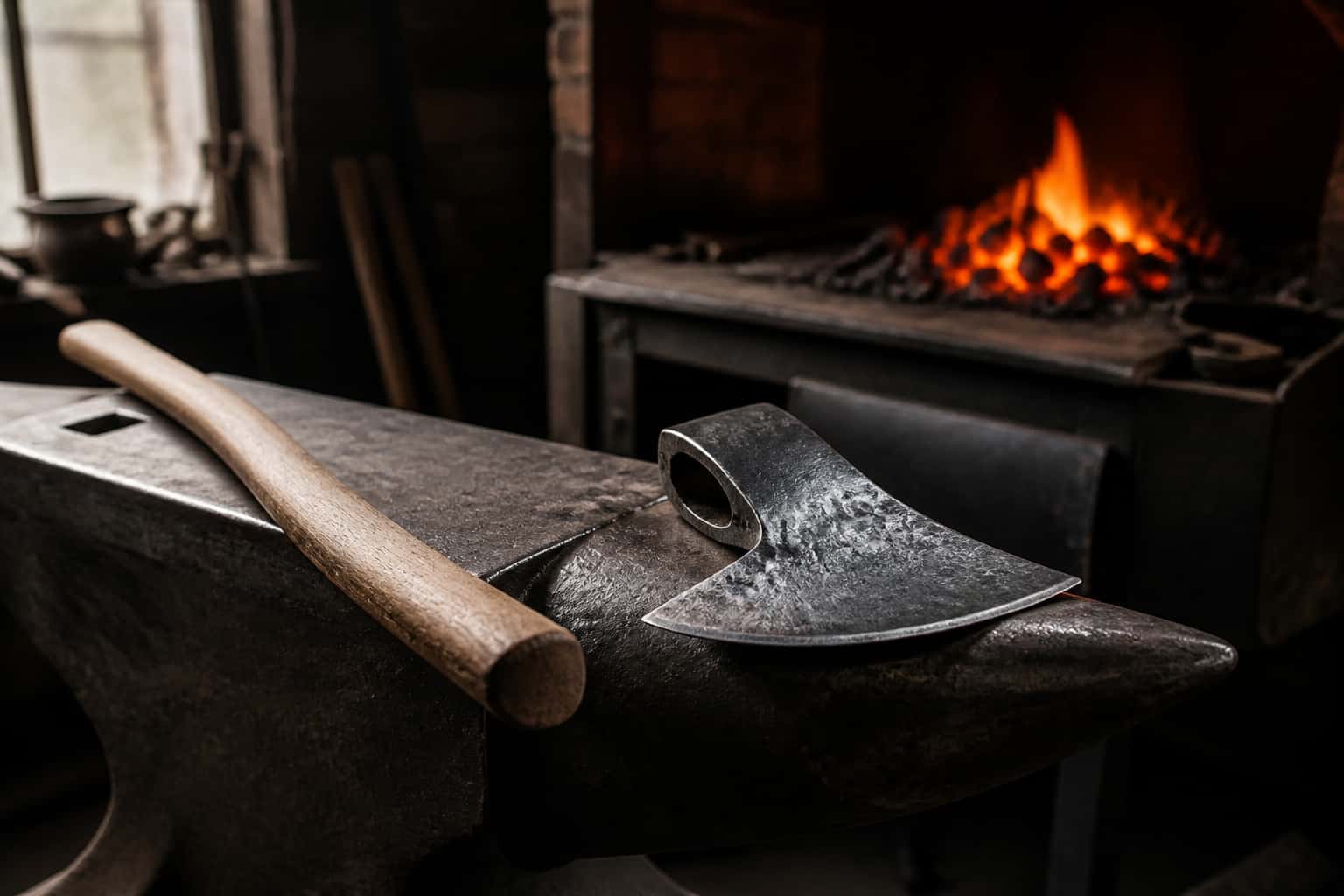
Two steels with similar hardness numbers can feel completely different under a sharpening stone, one glides along smoothly, another feels like it’s…
Same bench
Whatever the steel, the grind is only as flat as the platen behind it. I machine the parts, hand-assemble and test Torus grinders in Sterling, Illinois.
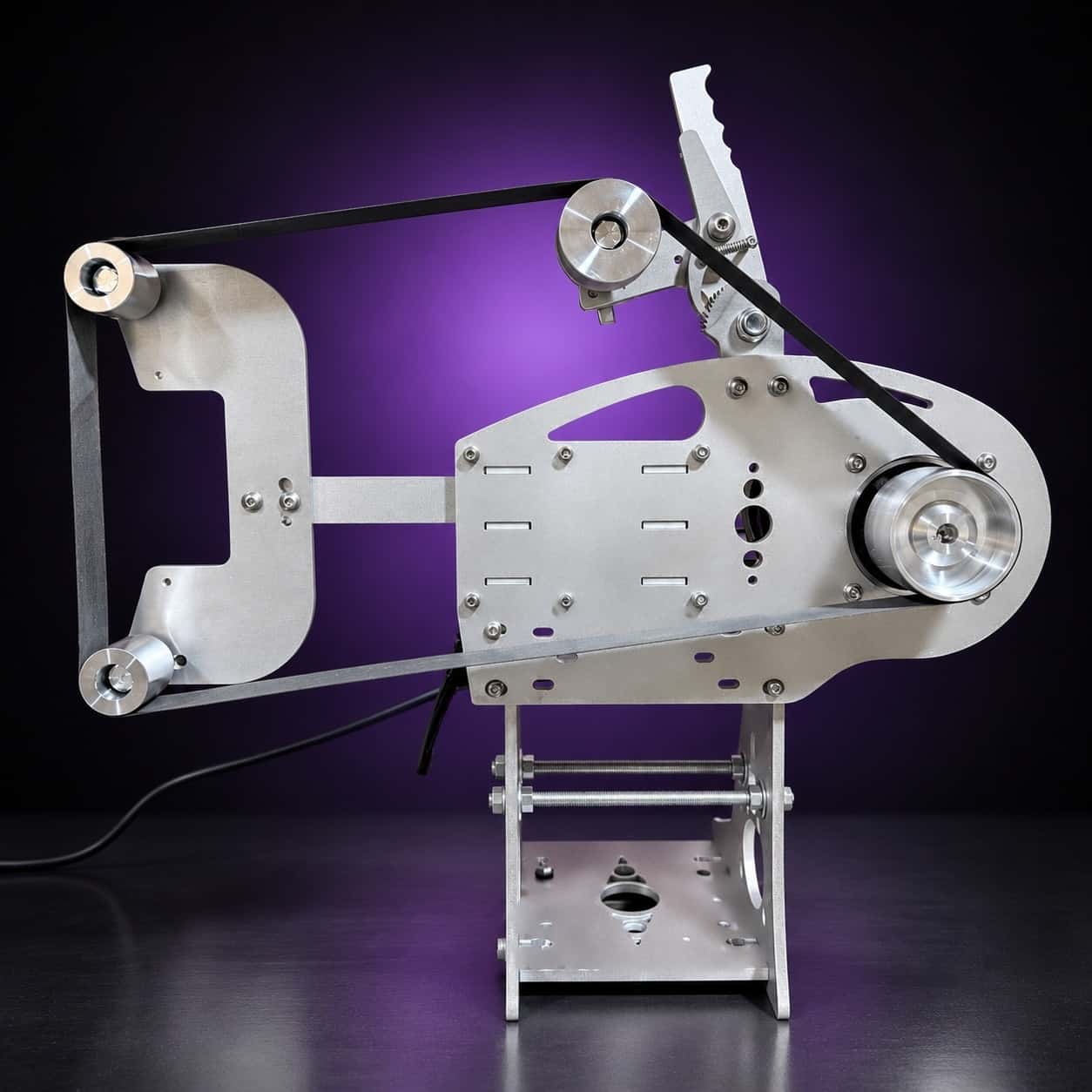
Current dual-axis platform with a fiber-laser-cut 6061 chassis and single-knob tracking.
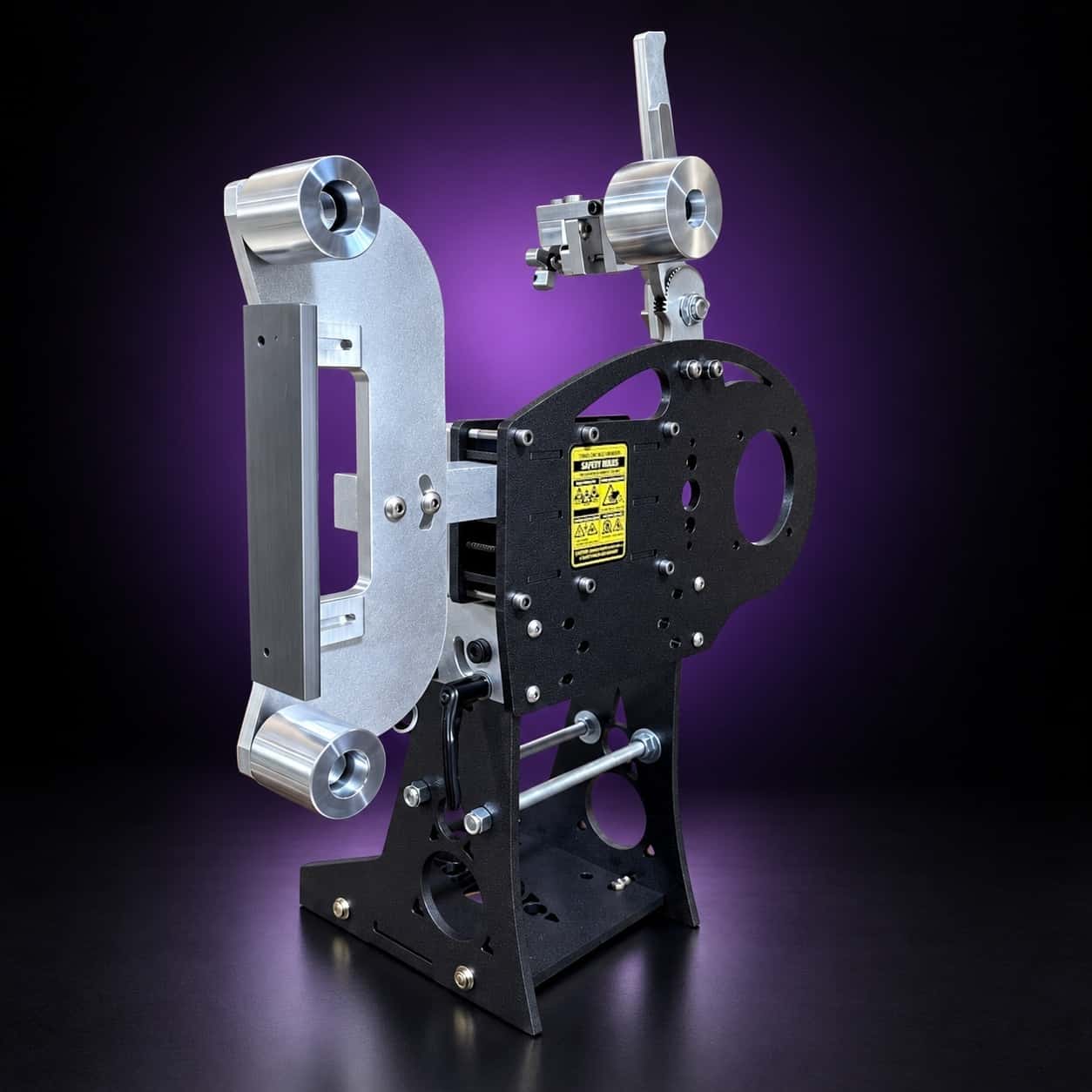
Current dual-axis platform with a steel chassis, more mass and less vibration.
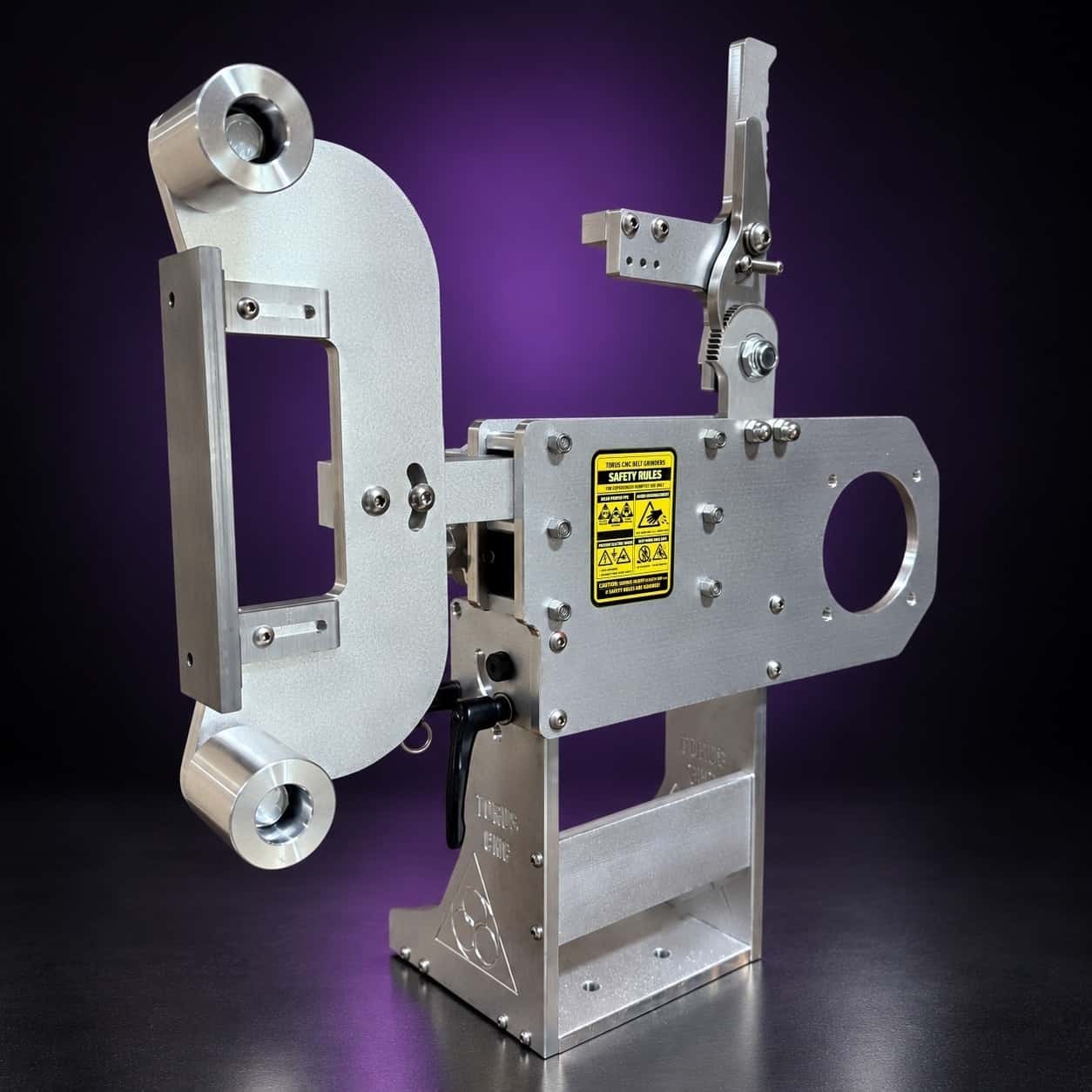
Prior-design aluminum chassis, 90-degree tilt and 1.5-inch tooling arms.
One-man shop
Tell me what the blade is for and how you heat treat. I will tell you whether this is the steel I would use, and what I would use instead.