
A Japanese stainless steel famous for high-end kitchen cutlery, using a cobalt addition to reach high hardness and a fine, precise edge without giving up too much toughness.
- Toughness
- 3
- Edge retention
- 4
- Corrosion resistance
- 4
- Ease of grinding
- 3
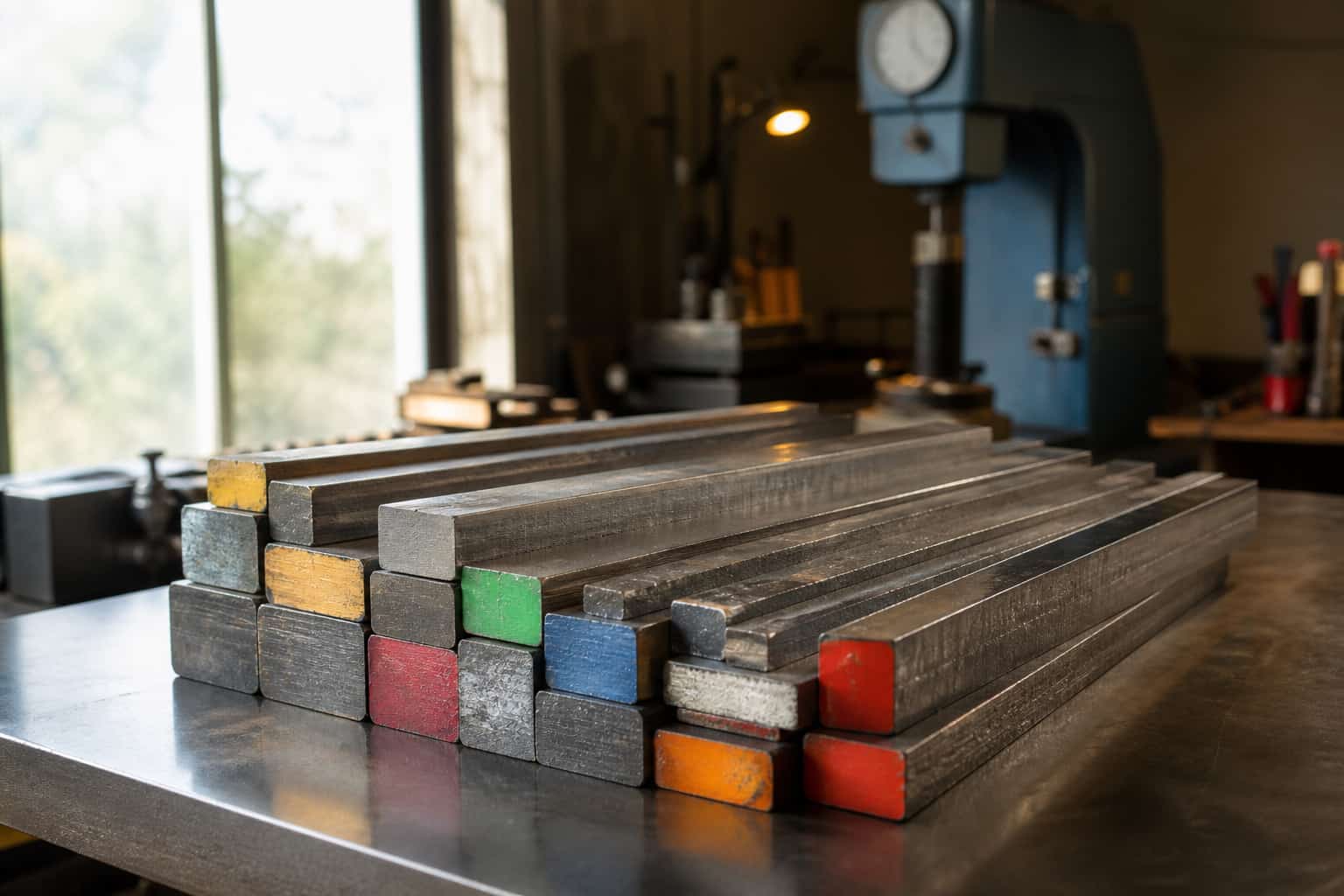
Steel matchup
VG-10 and AEB-L, compared on the five things that decide a blade: toughness, edge retention, corrosion, heat treat and how each one grinds.
A Japanese stainless steel famous for high-end kitchen cutlery, using a cobalt addition to reach high hardness and a fine, precise edge without giving up too much toughness.
A simple, fine-grained Swedish stainless steel prized for exceptional toughness and edge stability relative to its modest alloy content, and for being one of the easiest stainless steels to grind and finish.
Dimension by dimension
Each steel's own note, its score out of five, and what separates the two in that one column. The higher score in a row is marked in purple.
| Dimension | VG-10 | AEB-L | What separates them |
|---|---|---|---|
| Toughness | Adequate for kitchen and EDC use; the cobalt addition helps it hold toughness at a higher hardness than its composition alone would suggest, though it is not built for hard-use abuse. | Among the best toughness of any stainless knife steel at a given hardness, thanks to its simple chemistry and very fine, clean grain structure with minimal large carbides. Often used as a toughness benchmark against more heavily alloyed stainless steels. | AEB-L is significantly tougher, thanks to its very fine, clean grain and minimal carbide content, giving it better resistance to chipping under hard use. |
| Edge retention | Very good edge retention with a fine, precise bite, which is exactly why it became the standard steel for premium Japanese kitchen knives. | Modest wear resistance compared to higher-vanadium steels since it has far fewer hard carbides, but the fine grain gives it excellent edge stability, so it takes a very keen edge and resists rolling or chipping at that edge even though it dulls from abrasion sooner than high-carbide steels. | VG-10 holds a real advantage here, with its cobalt addition and fine grain giving it a keener, longer-holding edge for precision cutting tasks. |
| Corrosion resistance | 15% chromium gives it excellent stainless performance, well suited to kitchen use where the blade is washed constantly. | A genuine stainless steel with 12.8% chromium, giving it solid, dependable corrosion resistance well suited to kitchen and wet-environment use. | Essentially tied. Both offer good, dependable stainless performance suitable for the constant washing kitchen knives see. |
| Heat treat | Austenitize at 1920-1960 F (1050-1070 C) to fully dissolve the carbides into the matrix. Quench in oil or air for rapid cooling to form martensite. Temper at 300-390 F (150-200 C) to relieve internal stress and balance hardness against toughness. Properly heat treated, VG-10 typically lands at 60-62 Rc. | Austenitize between 1940-1975 F (soak roughly 15 minutes at 1940 F, or as little as 5 minutes at 1975 F), then plate or air quench. An optional cryogenic treatment (liquid nitrogen) can push peak hardness from around 62 HRC to roughly 64 HRC. Temper at least twice, 2 hours each cycle, in the 350-450 F range depending on desired final hardness, tempering immediately after quench or cryo. | Both are considered reasonably forgiving stainless steels to heat treat, with AEB-L generally regarded as slightly simpler overall. |
| Grinding | Reasonably easy to grind and finish for a vanadium-bearing stainless steel, which has helped it stay popular in high-volume Japanese cutlery production. | One of the easiest stainless steels to grind and finish available to knifemakers, with no large hard carbides to fight through. A common recommendation for makers just starting to work with stainless steel. | AEB-L is noticeably easier and faster to grind and finish, one of the easiest stainless steels available. VG-10 is still reasonably workable and well established in high-volume kitchen cutlery production. |
Best use
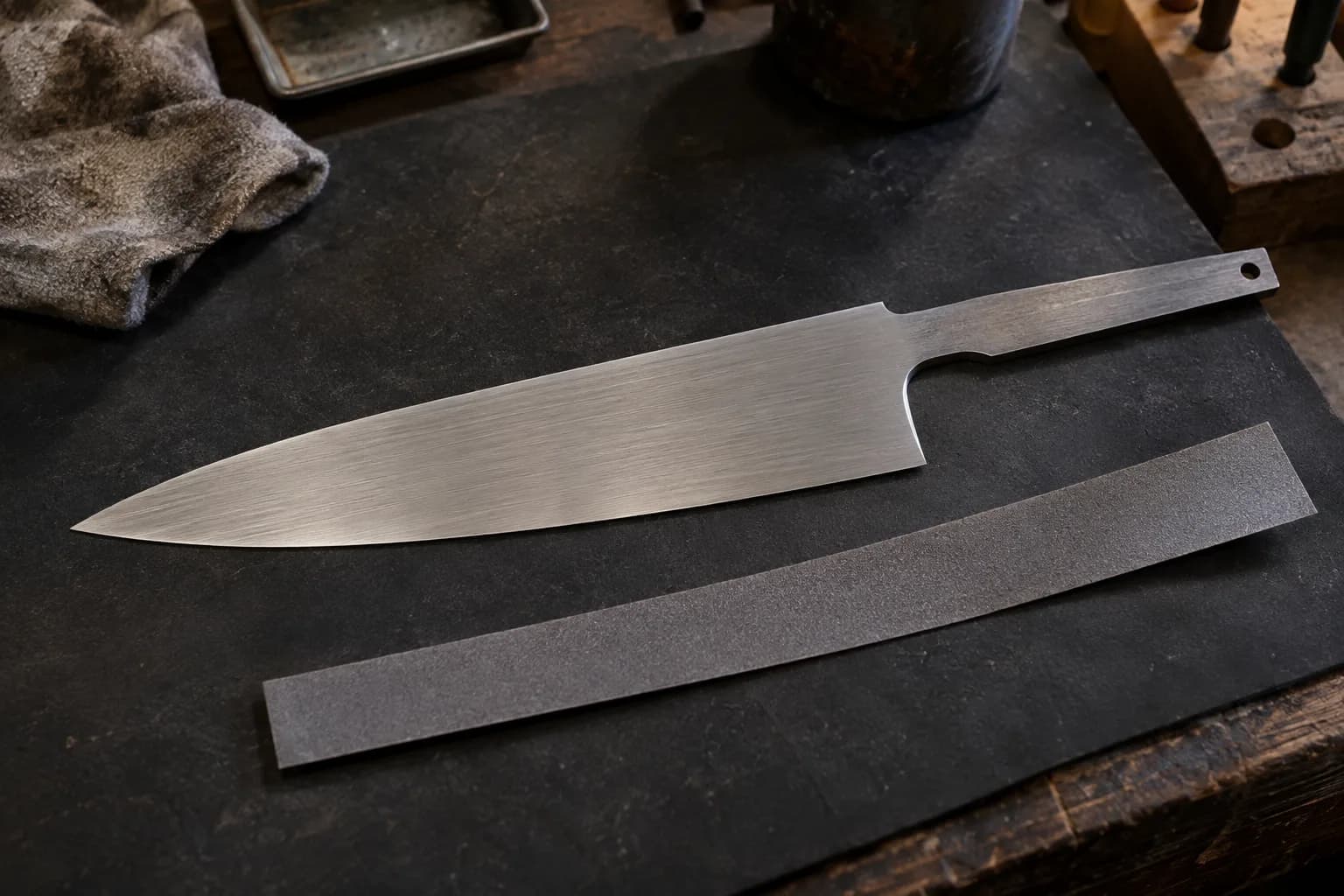
VG-10
Choose VG-10 for precision Japanese-style kitchen knives where a very fine, keen edge is the top priority.
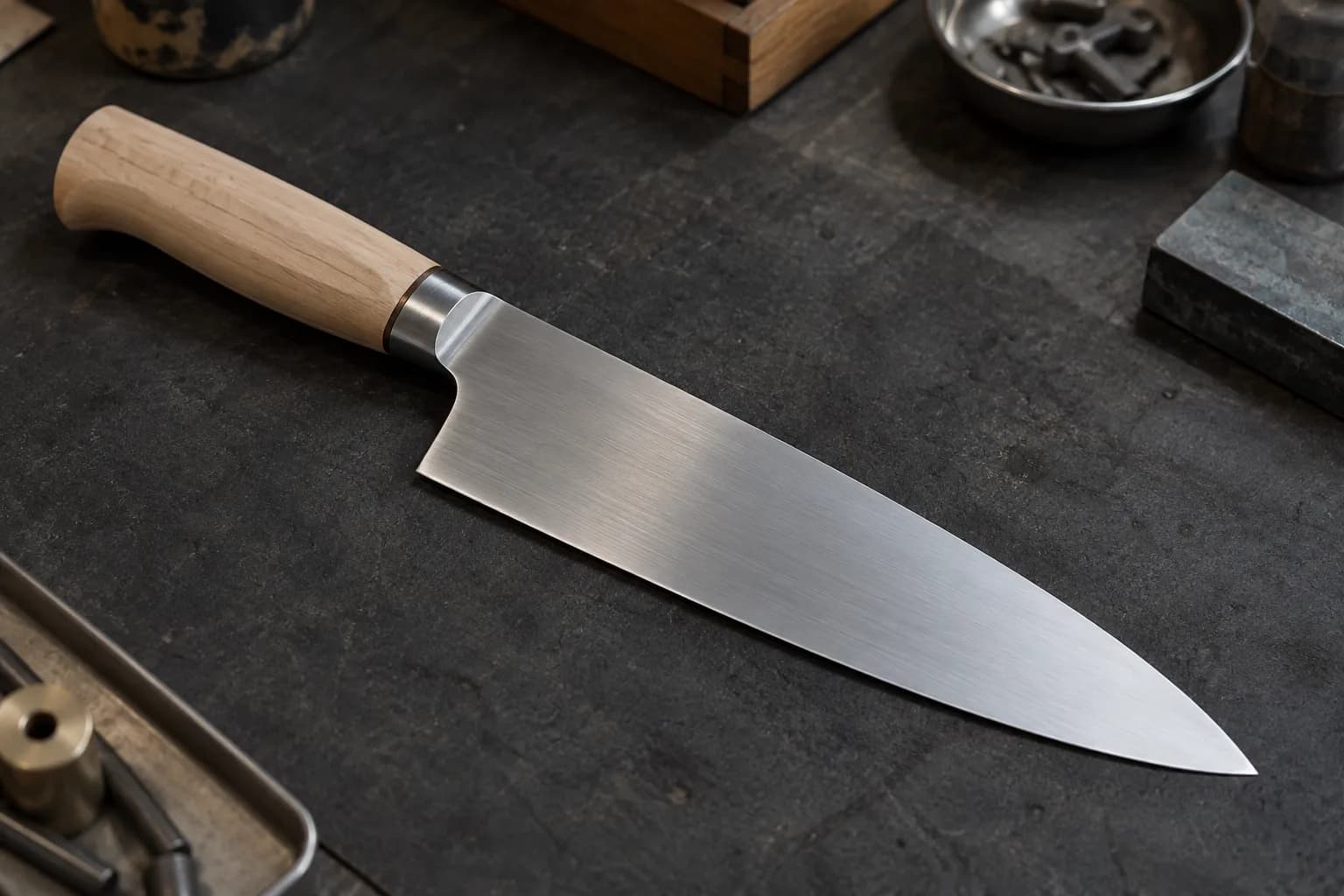
Open the VG-10 referenceAEB-L
Choose AEB-L for kitchen knives or hard-use blades where toughness and fast, forgiving shop work matter as much as final edge performance.
Open the AEB-L reference
The long answer
VG-10 and AEB-L are both favorites for Japanese-style and Western kitchen knives, but they take different paths to get there. VG-10 uses a cobalt addition to reach high hardness for a very fine, precise edge, while AEB-L keeps its alloy content minimal to maximize toughness and ease of grinding.
Keep comparing
Keep reading
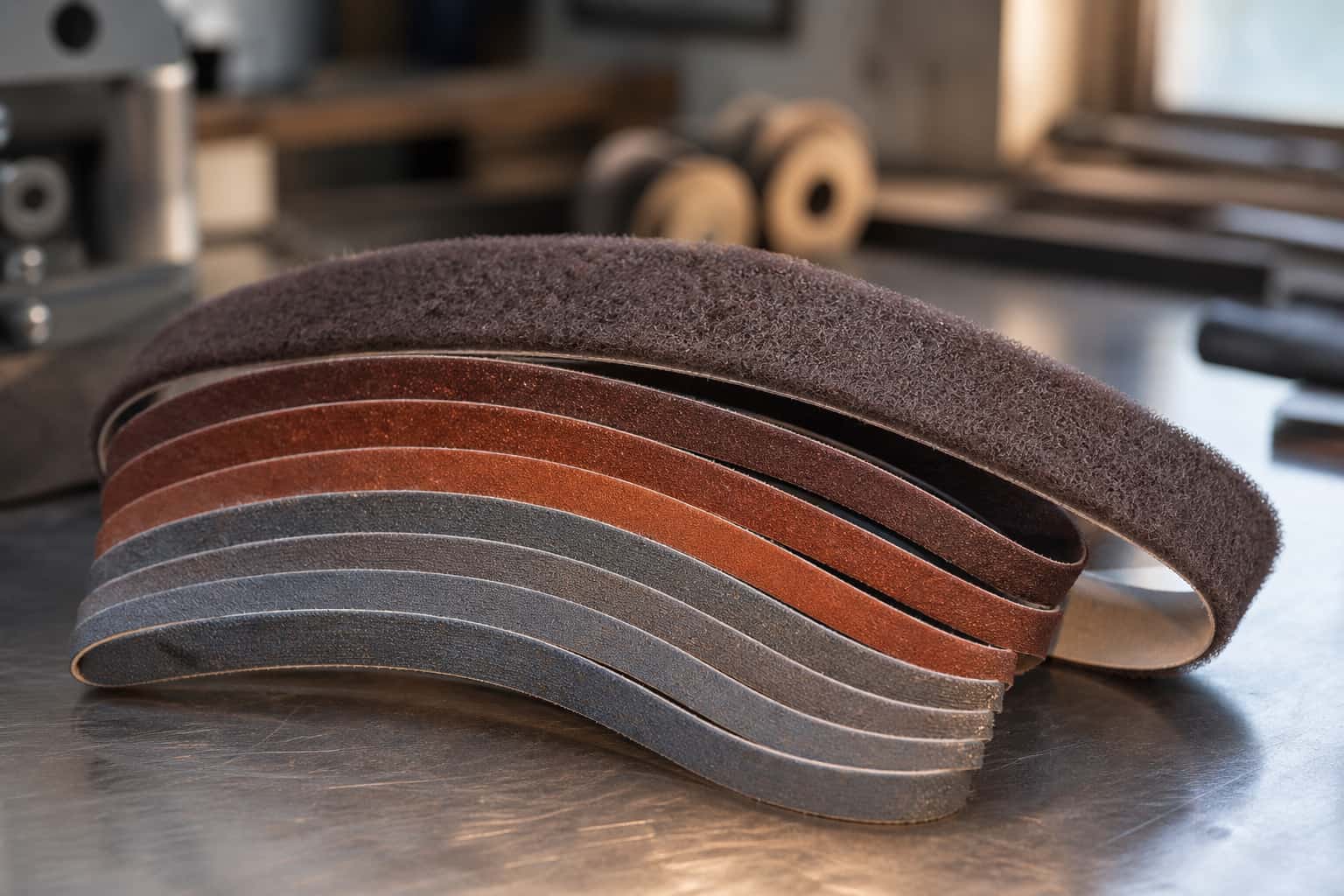
AEB-L has the opposite reputation of high-carbide steels like MagnaCut or CPM 20CV: instead of loading and dulling belts quickly, its simple, fine-grained…
VG-10 grinds in the moderate, well-established range for premium stainless steels, easier than high-carbide CPM steels like CPM 20CV or S30V, but slightly…
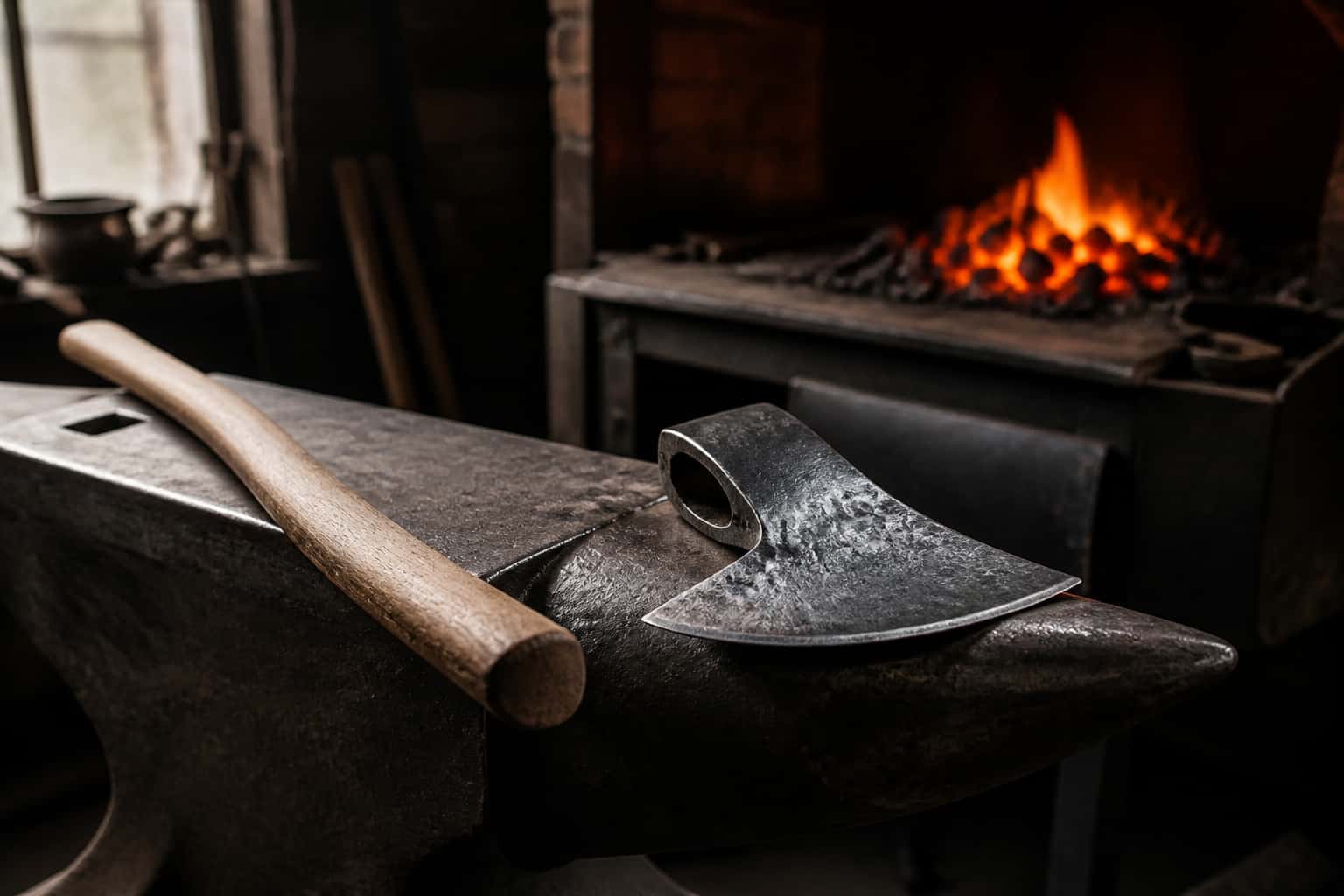
Every knife steel is iron plus a specific recipe of other elements, and each of those elements pulls the steel’s behavior in a particular direction…
Same bench
Whichever steel wins, the grind is only as flat as the platen behind it. I machine the parts, hand-assemble, track and test Torus grinders in Sterling, Illinois.
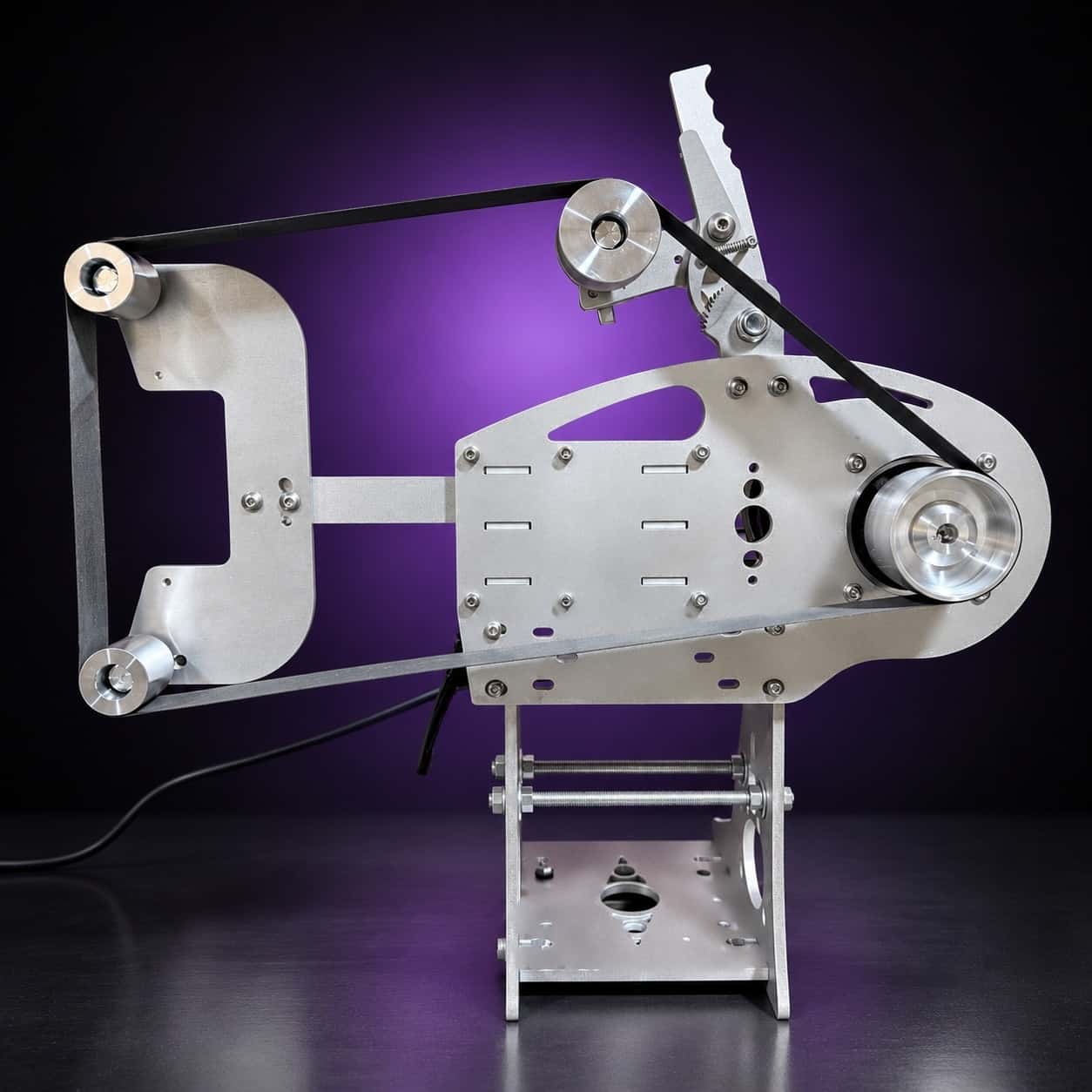
Current dual-axis platform with a fiber-laser-cut 6061 chassis and single-knob tracking.
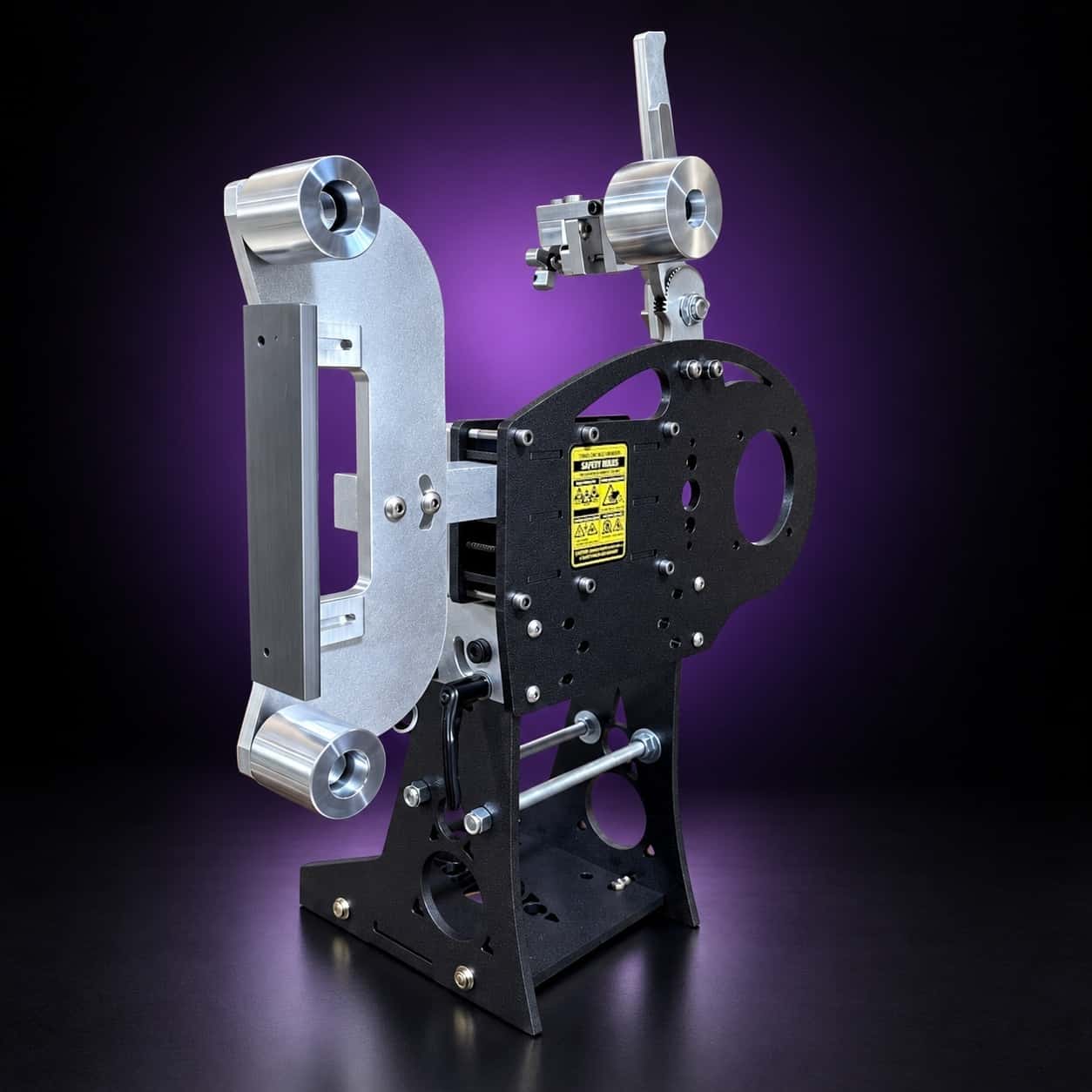
Current dual-axis platform with a steel chassis, more mass and less vibration.
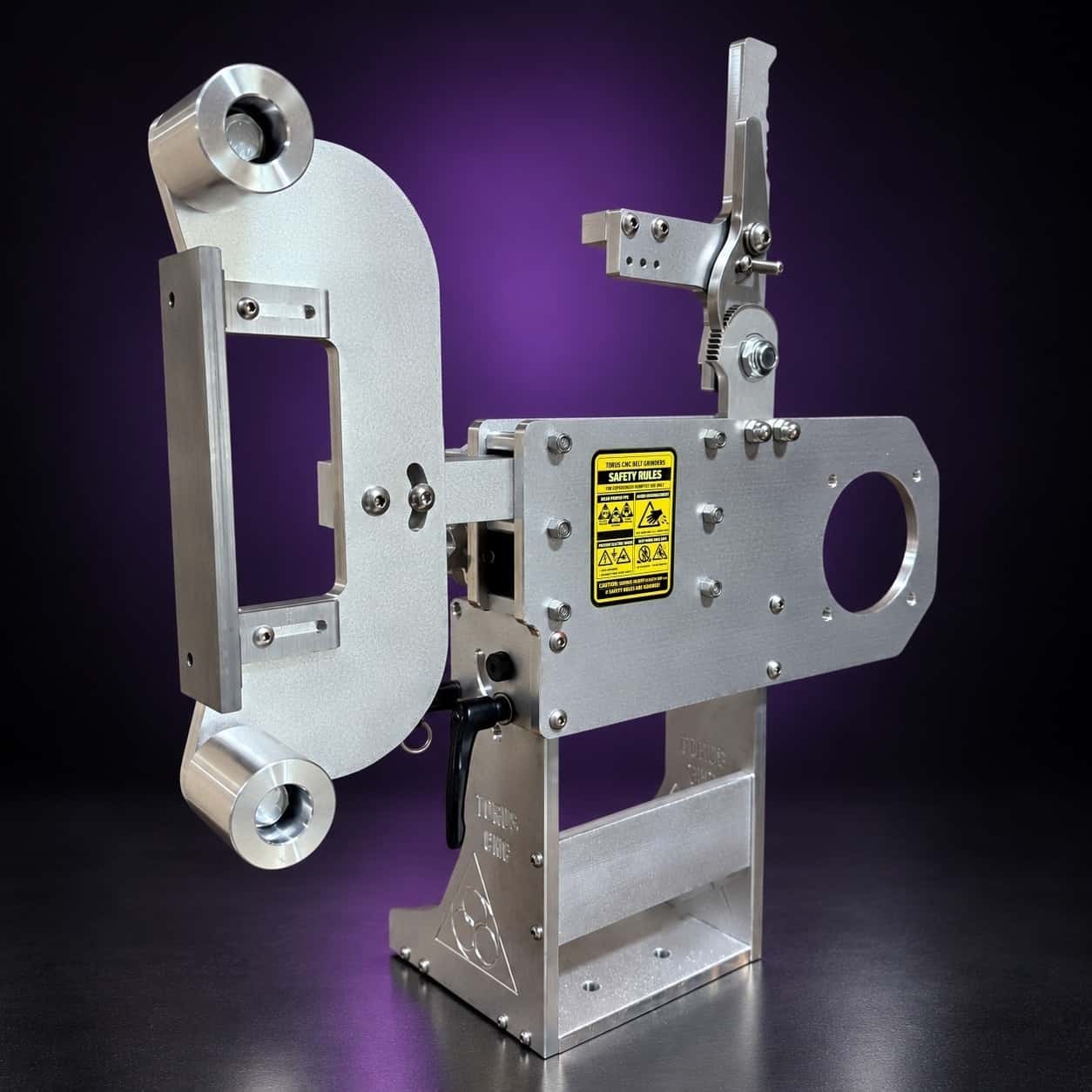
Prior-design aluminum chassis, 90-degree tilt and 1.5-inch tooling arms.
One-man shop
Tell me what the blade is for and how you heat treat, and I will tell you which of these I would put on the bench — including when the answer is neither.