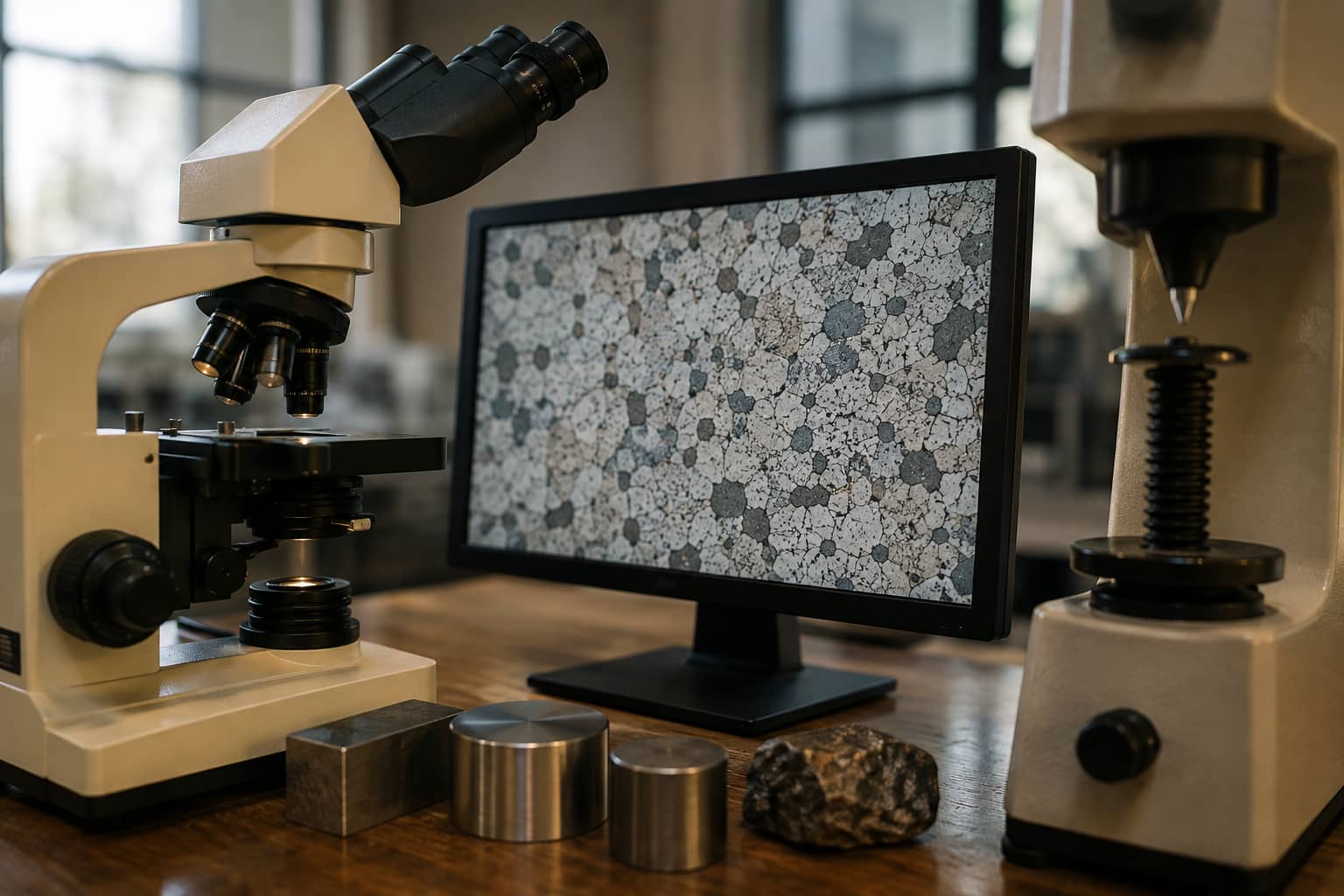
| Toughness | 5/5Among the best toughness of any stainless knife steel at a given hardness, thanks to its simple chemistry and very fine, clean grain structure with minimal large carbides. Often used as a toughness benchmark against more heavily alloyed stainless steels. | 3/5Solid, dependable toughness for a stainless steel of this class, though its conventional (non-powder) manufacturing gives it a coarser grain than CPM 154, its powder-metallurgy successor. | AEB-L is meaningfully tougher, thanks to its very fine, clean grain structure and minimal carbide content. 154CM's coarser, conventionally-melted structure makes it a bit more prone to chipping by comparison. |
|---|
| Edge retention | 2/5Modest wear resistance compared to higher-vanadium steels since it has far fewer hard carbides, but the fine grain gives it excellent edge stability, so it takes a very keen edge and resists rolling or chipping at that edge even though it dulls from abrasion sooner than high-carbide steels. | 3/5Good, middle-of-the-road edge retention thanks to a healthy carbide volume from its molybdenum and chromium content, similar in principle to CPM 154 but slightly less consistent. | 154CM holds a slight edge here, with its molybdenum-boosted carbide structure giving it a bit more wear resistance than AEB-L's leaner composition. |
|---|
| Corrosion resistance | 4/5A genuine stainless steel with 12.8% chromium, giving it solid, dependable corrosion resistance well suited to kitchen and wet-environment use. | 4/514% chromium gives it good, dependable stainless performance suitable for everyday-carry and outdoor use. | Essentially tied. Both offer good, dependable stainless performance suitable for everyday-carry and kitchen use. |
|---|
| Heat treat | Austenitize between 1940-1975 F (soak roughly 15 minutes at 1940 F, or as little as 5 minutes at 1975 F), then plate or air quench. An optional cryogenic treatment (liquid nitrogen) can push peak hardness from around 62 HRC to roughly 64 HRC. Temper at least twice, 2 hours each cycle, in the 350-450 F range depending on desired final hardness, tempering immediately after quench or cryo. | Preheat to 1400 F, then austenitize at 1900-2000 F for 30-60 minutes. Quench in oil or with a positive pressure quench to below 125 F. A cryogenic treatment (dry ice, around -100 F) right after the quench, or between tempers, is recommended to fully transform retained austenite. Double temper for at least 2 hours per cycle, choosing a temperature between 400 and 1200 F, but avoid the 800-1100 F range, which causes sensitization and reduces both corrosion resistance and toughness. Target hardness is 55-62 Rc. | Both are considered forgiving stainless steels to heat treat, though 154CM's window for avoiding a sensitizing temper range (800-1100 F) is worth watching closely, a consideration AEB-L does not share. |
|---|
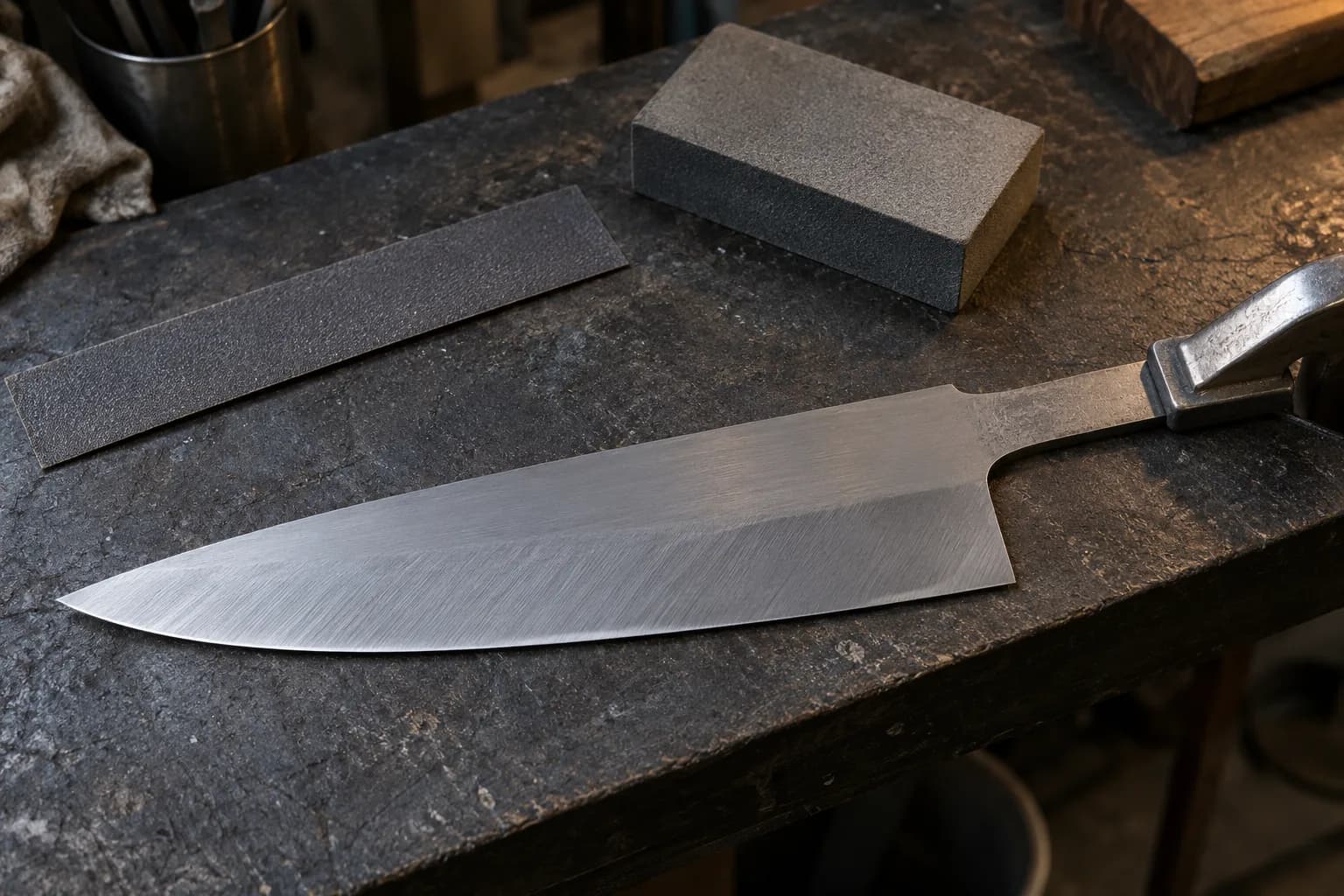
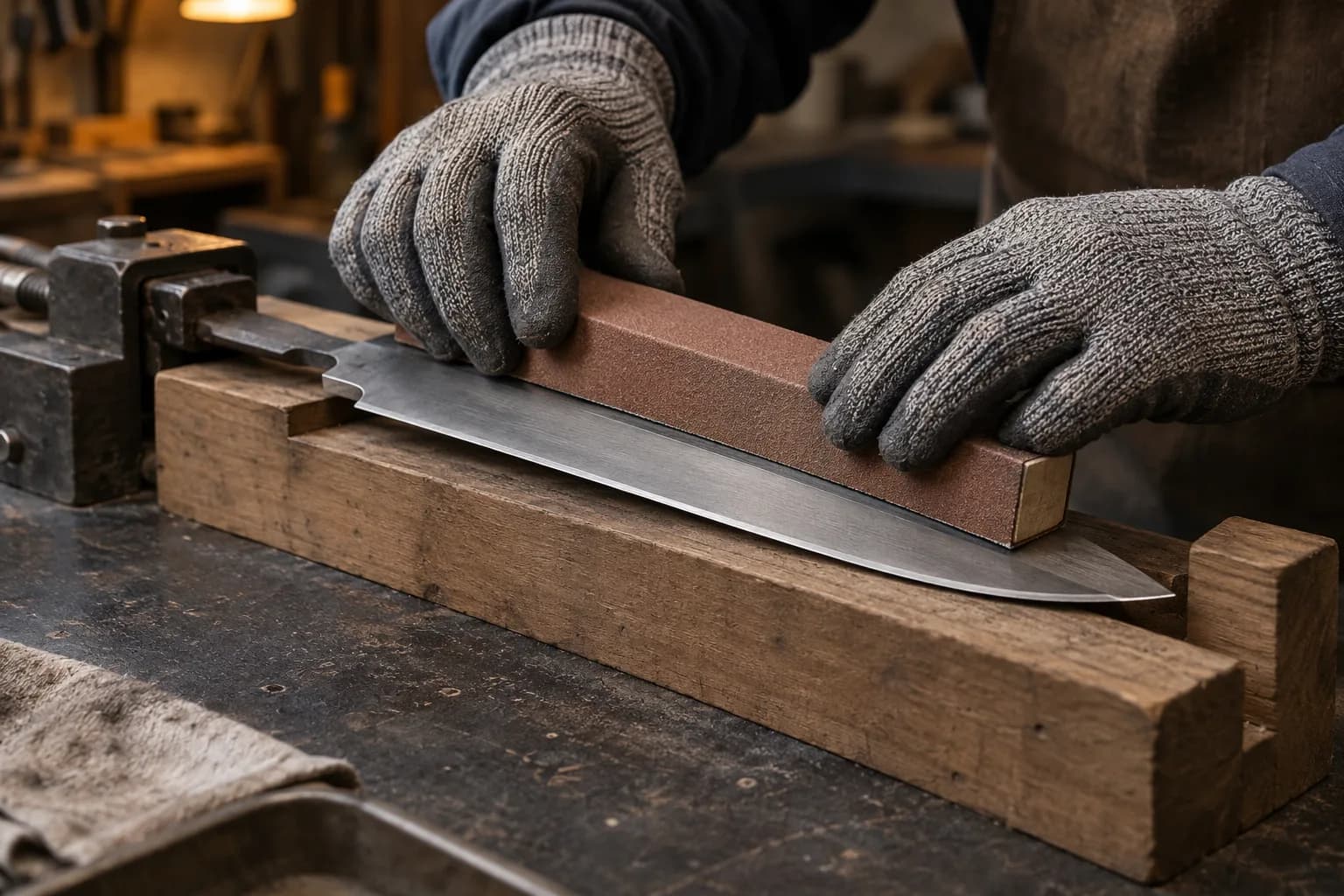
| Grinding | 5/5One of the easiest stainless steels to grind and finish available to knifemakers, with no large hard carbides to fight through. A common recommendation for makers just starting to work with stainless steel. | 4/5One of its biggest selling points historically: easy to grind and finish compared to many other premium stainless steels, which is part of why it became so popular with production knife makers. | AEB-L is generally regarded as the easier of the two to grind and finish, though both are well ahead of harder-to-work premium stainless steels like CPM S30V or CPM 20CV. |
|---|