
Abrasives
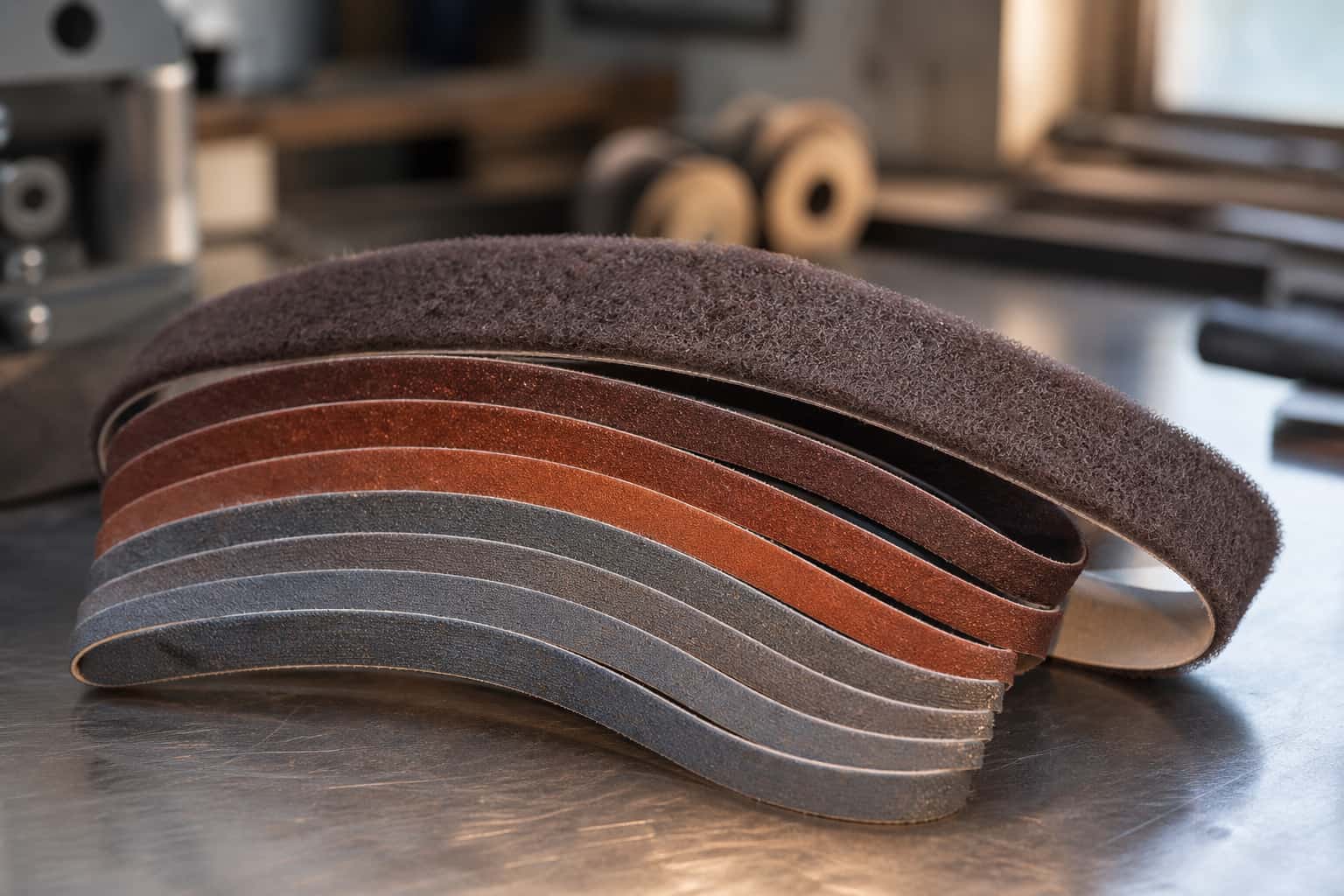
Grinding and Sharpening 154CM: Belt Recommendations & Technique
154CM has a well-earned reputation as one of the easier premium stainless steels to grind and finish, which is a big part of why it became the workhorse…
Knife steel
A classic conventionally-melted stainless steel and the direct ancestor of CPM 154, historically the premium stainless steel behind many well-known production knives.
Also known as
At a glance
The four meters are relative to the rest of the database. Composition is the published nominal analysis, not a mill certificate for your bar.
Working properties
The steel behind decades of well-regarded production folders and hunting knives, and still a solid choice today where easy sharpening and dependable stainless performance matter more than chasing maximum edge retention. Browse more entries in the Knife Steel Database, and see the Heat Treating Guide for the full stage-by-stage process.
At the bench
Open the property you are worried about. Every note is written for the blade in your hand, not for a spec sheet.
The full reference
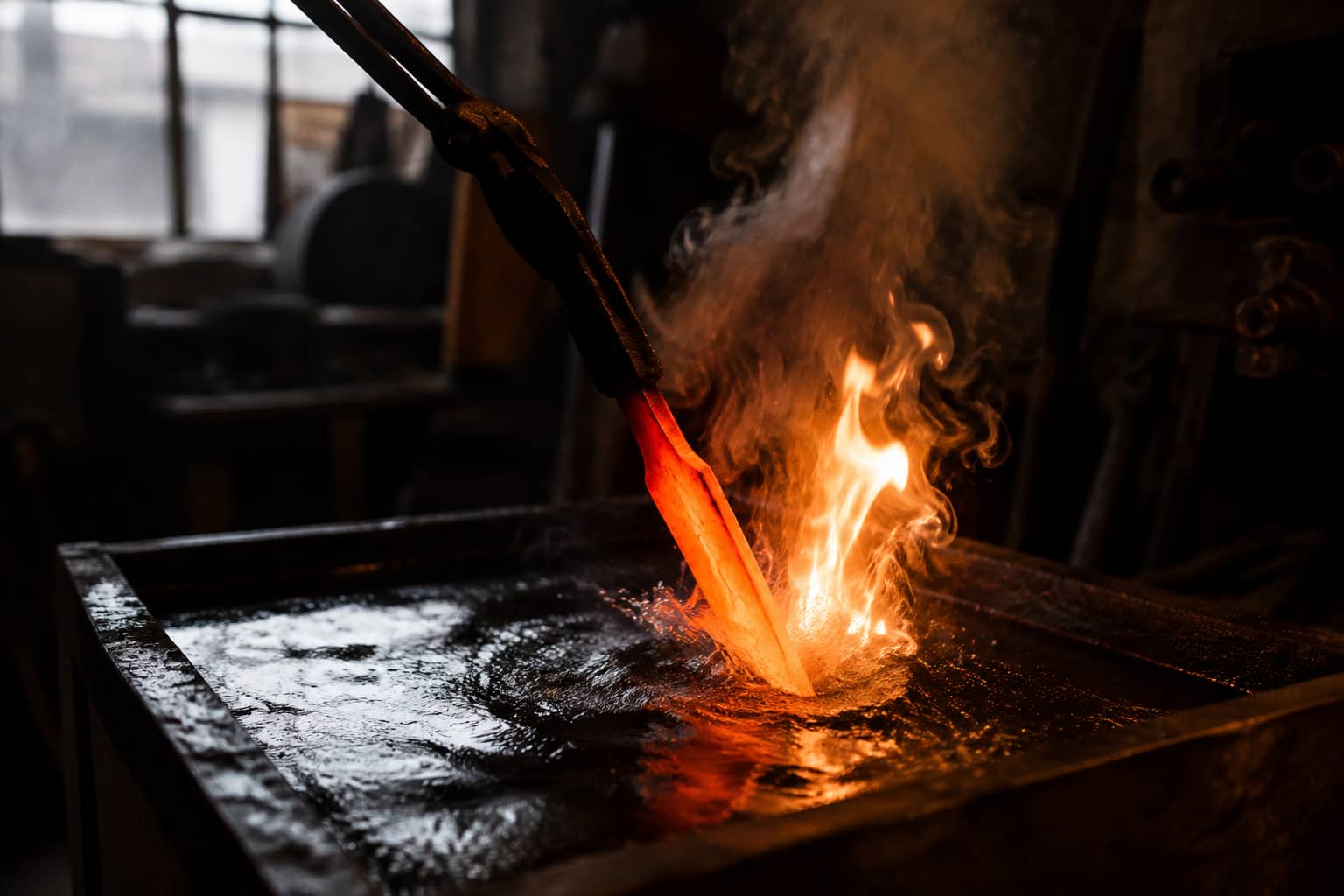
154CM is the conventionally-melted stainless steel that made Crucible famous in the knife world long before powder metallurgy became common, and it is the direct chemical ancestor of CPM 154. The two share essentially the same alloy recipe, but 154CM’s traditional manufacturing gives it a coarser carbide structure, while CPM 154 refines that same chemistry into a finer, more consistent grain.
Most knives run between 58 and 61 Rc. See the heat treat details further up this page for the full recipe.
No, it is one of the easier premium stainless steels to sharpen, one of the main reasons it became so popular with production knife makers. See the full grinding and sharpening guide.
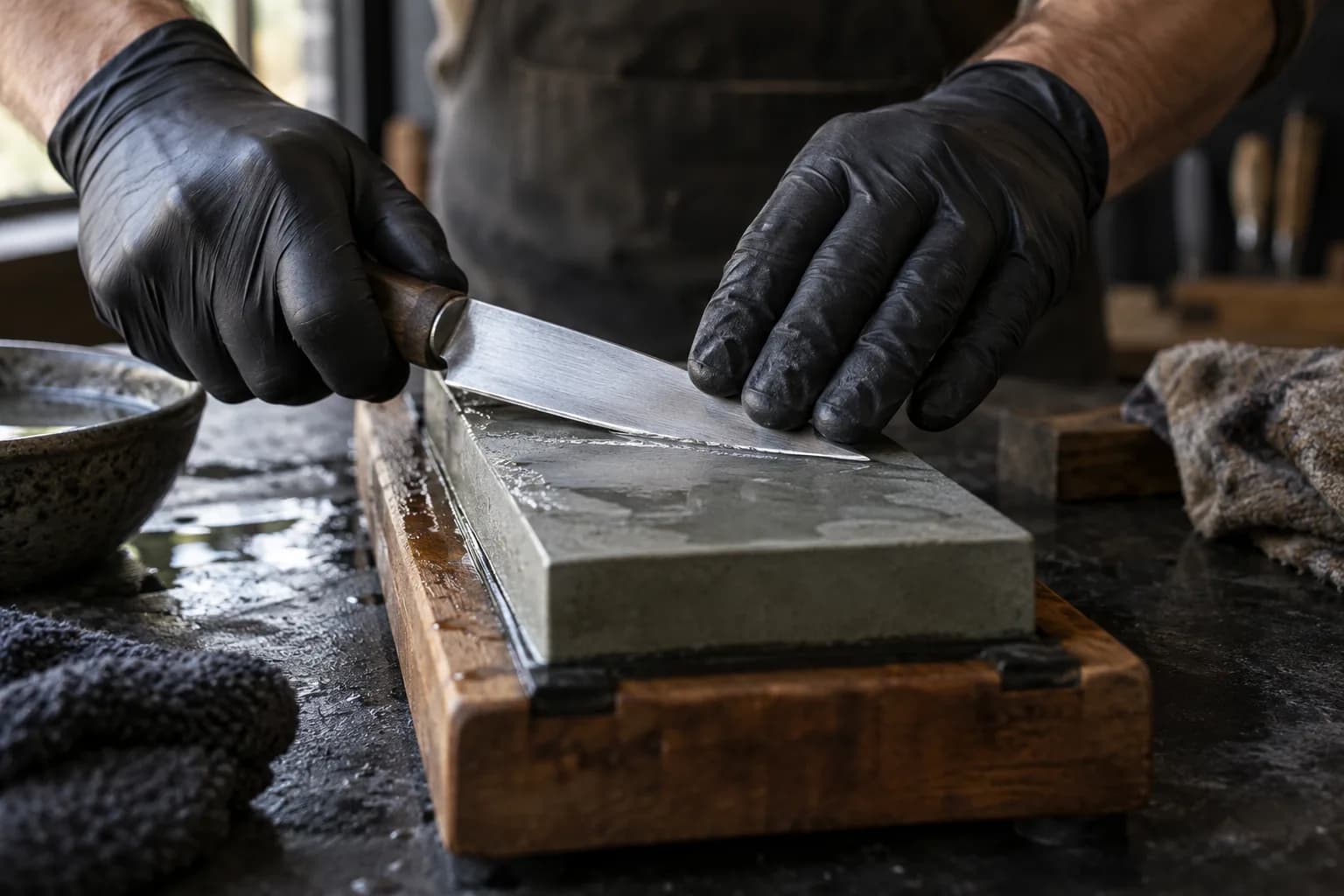
It offers good, dependable stainless corrosion resistance from its 14% chromium content, suitable for everyday-carry use.
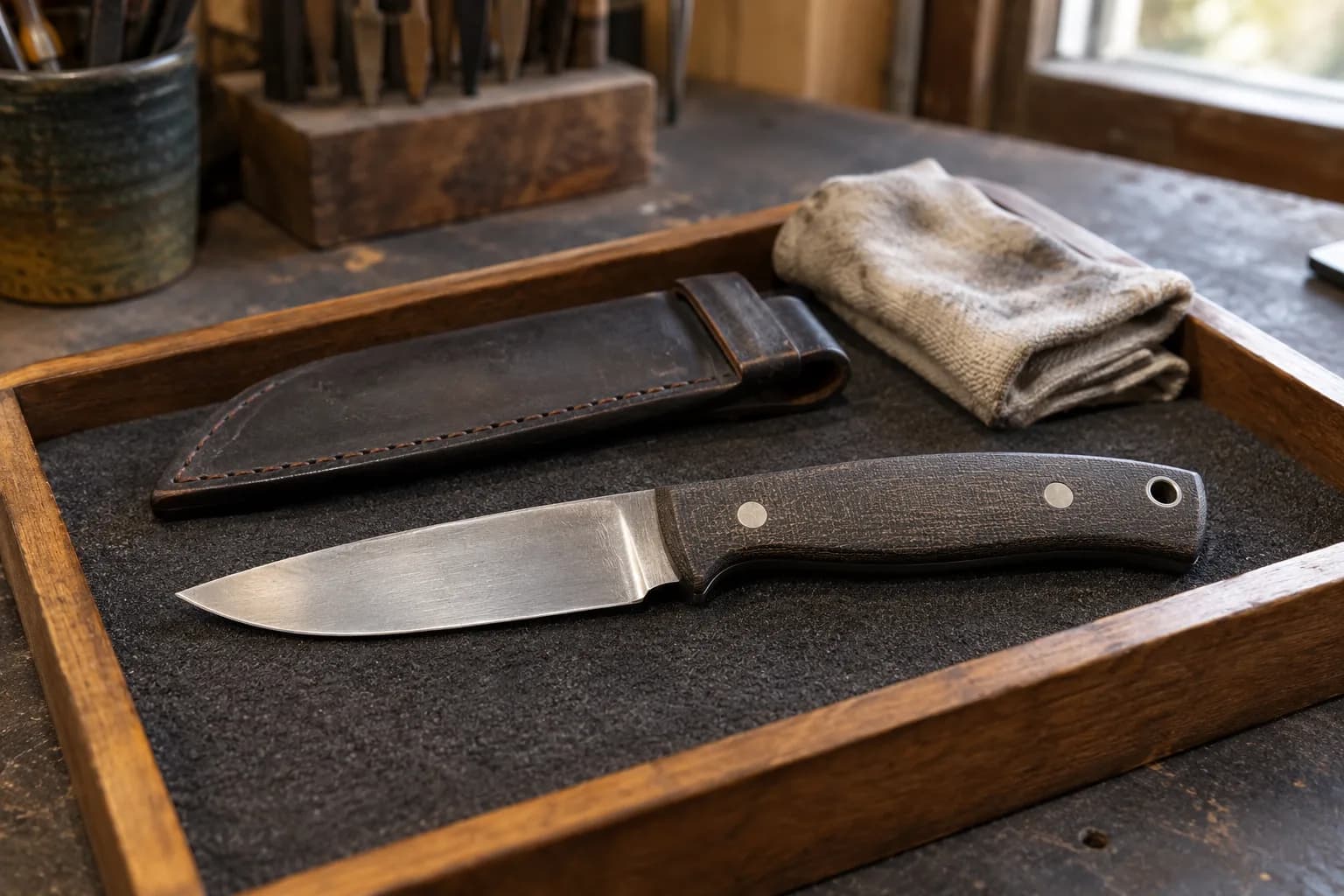
154CM and CPM 154 share nearly the same chemistry, with CPM 154’s powder-metallurgy process giving it a finer, more consistent grain. Against AEB-L, 154CM offers slightly better edge retention while AEB-L is tougher and easier to grind. See the full breakdown: AEB-L vs 154CM.
Head to head
Every matchup 154CM appears in, dimension by dimension.
Keep reading
154CM has a well-earned reputation as one of the easier premium stainless steels to grind and finish, which is a big part of why it became the workhorse…
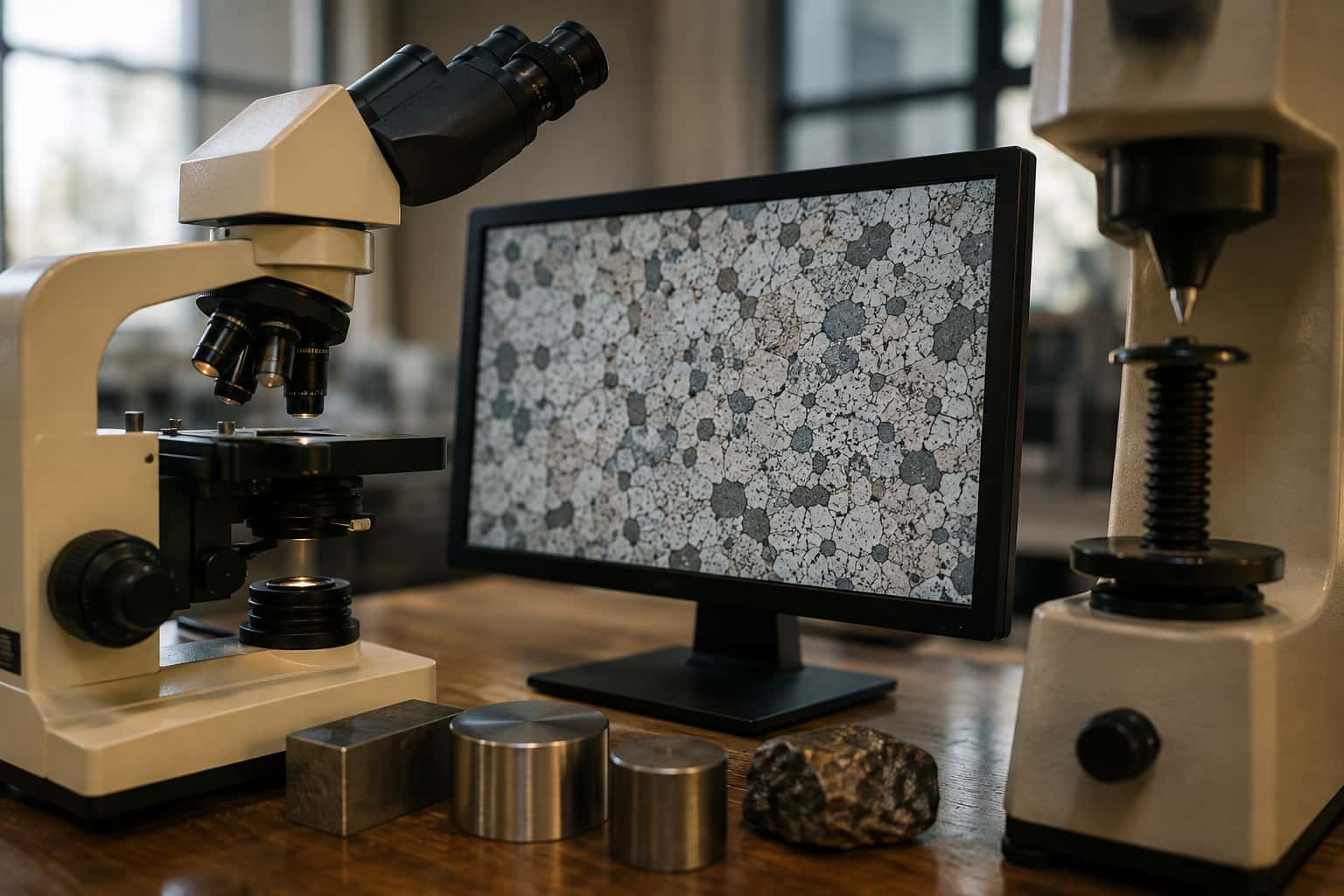
Every knife steel is iron plus a specific recipe of other elements, and each of those elements pulls the steel’s behavior in a particular direction…
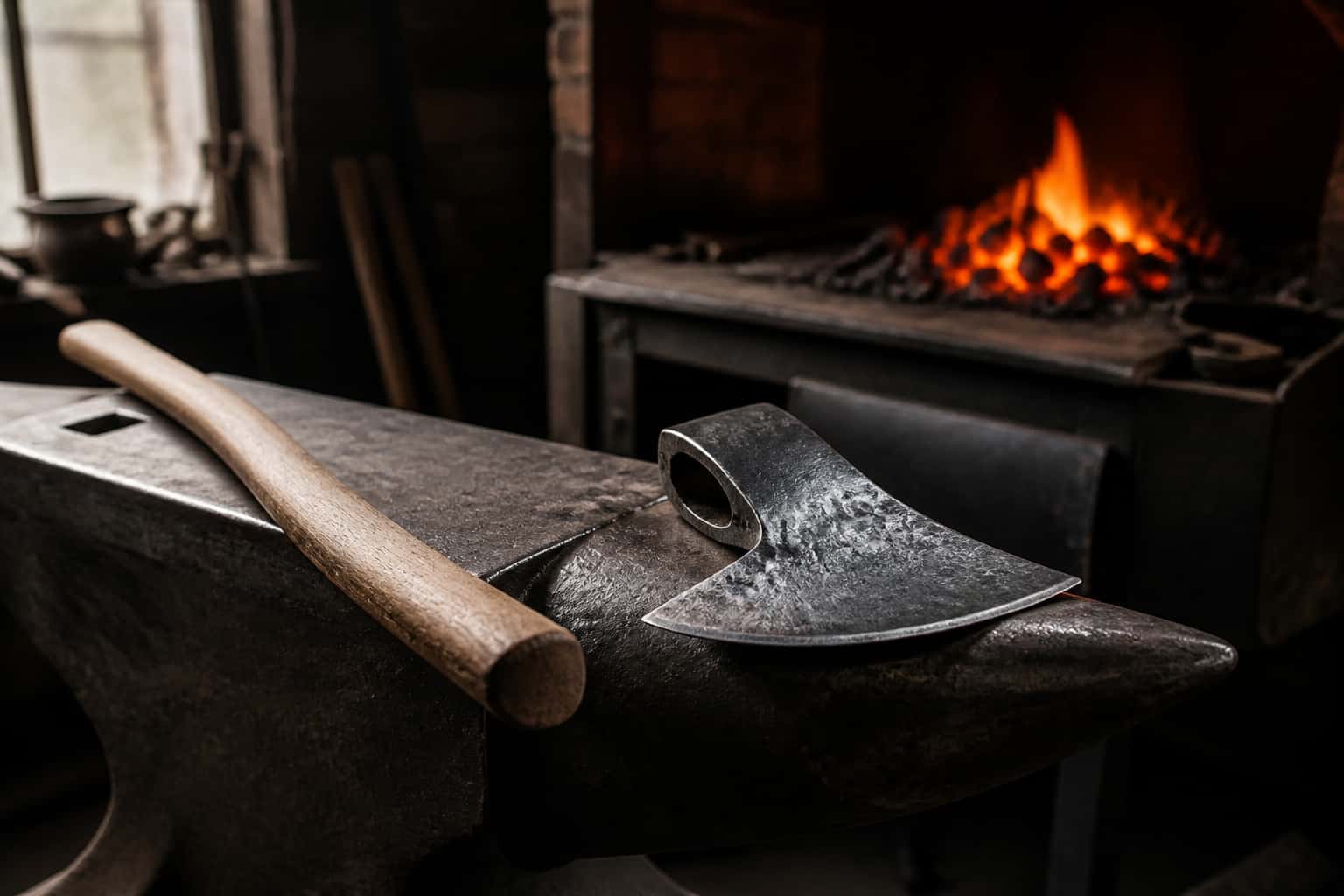
Two steels with similar hardness numbers can feel completely different under a sharpening stone, one glides along smoothly, another feels like it’s…
Same bench
Whatever the steel, the grind is only as flat as the platen behind it. I machine the parts, hand-assemble and test Torus grinders in Sterling, Illinois.
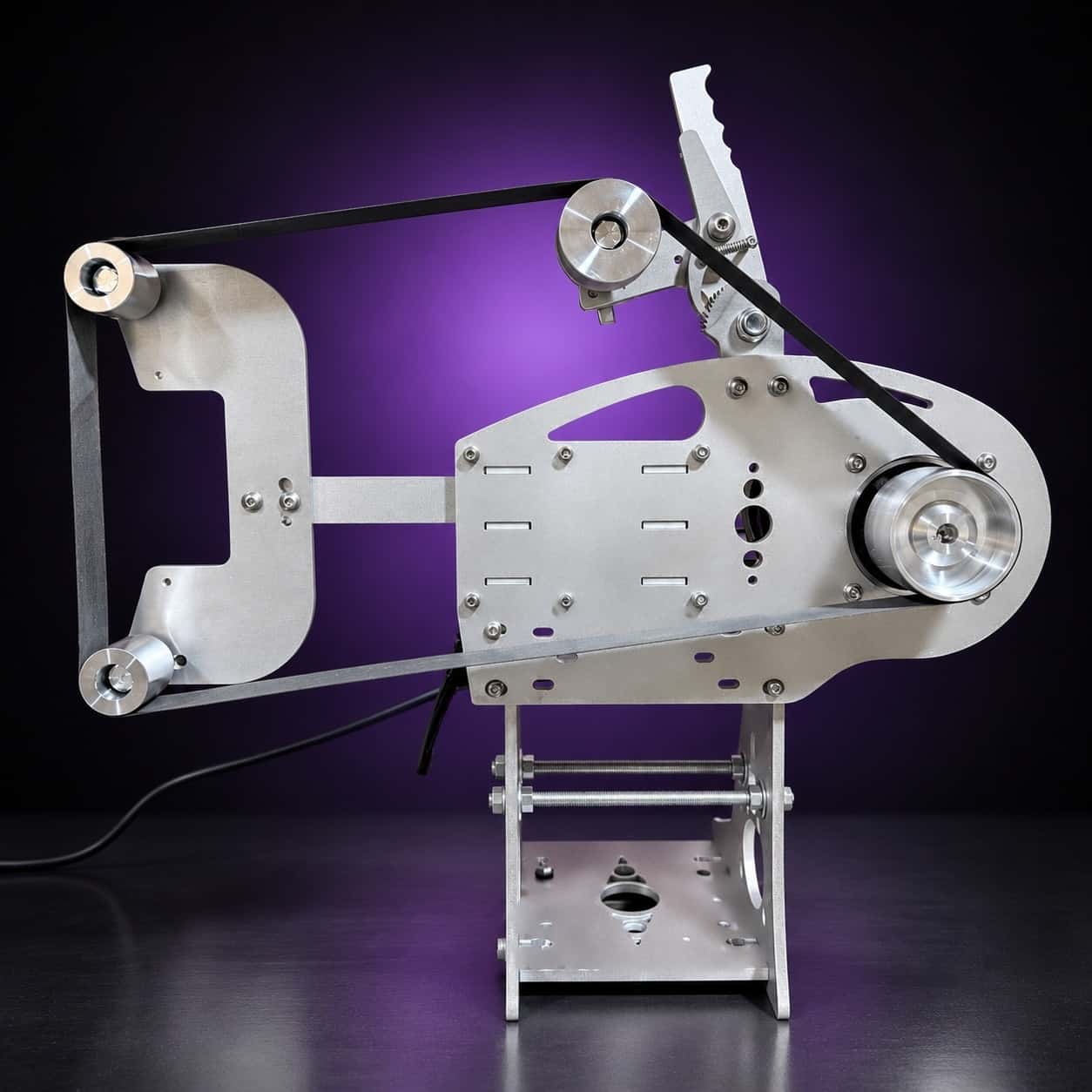
Current dual-axis platform with a fiber-laser-cut 6061 chassis and single-knob tracking.
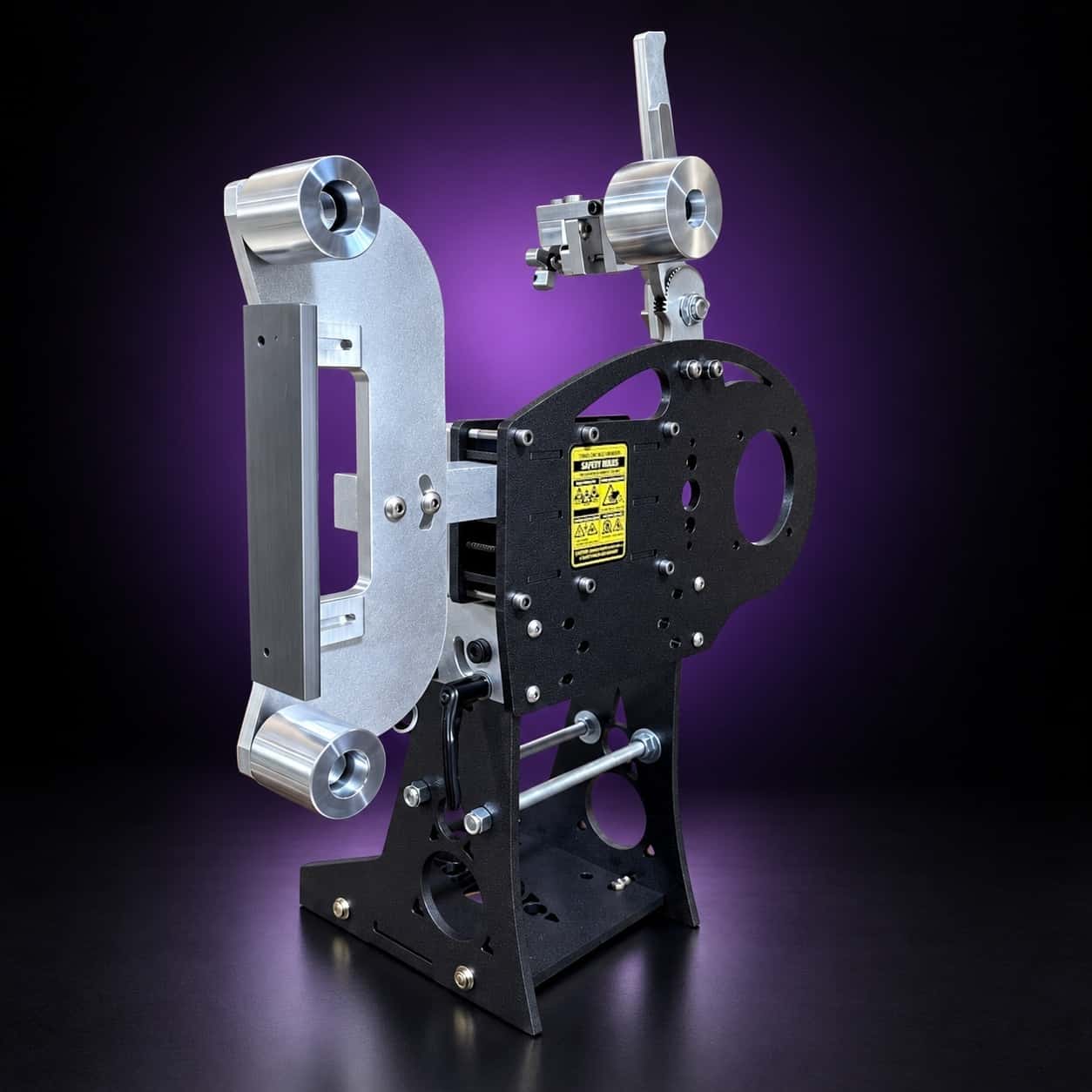
Current dual-axis platform with a steel chassis, more mass and less vibration.
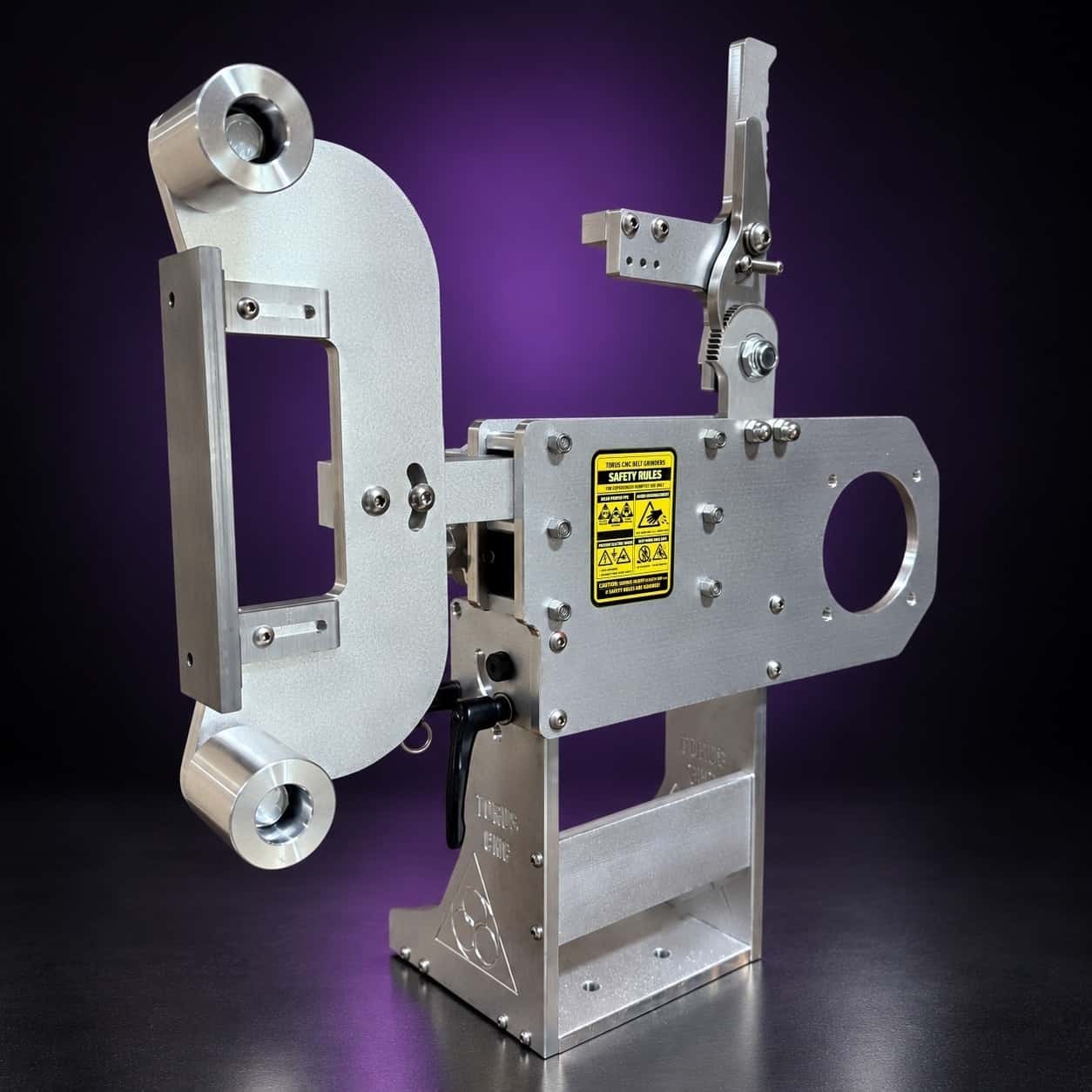
Prior-design aluminum chassis, 90-degree tilt and 1.5-inch tooling arms.
One-man shop
Tell me what the blade is for and how you heat treat. I will tell you whether this is the steel I would use, and what I would use instead.