| Toughness | 4/5Very good for a simple carbon steel, and a big part of why it is so widely recommended: it holds up well to impact without the brittleness risk that comes with over-hardened, lower-manganese steels like 1095. | 2/5Middle-of-the-road toughness for a simple carbon steel, and generally less tough than higher-manganese steels like 1084 at a comparable hardness. Its high carbon content trades some toughness for hardness potential and edge sharpness. | 1084 is meaningfully tougher. Its higher manganese content gives it more reliable hardenability, which translates into a more forgiving, less brittle blade compared to 1095, particularly when heat treat conditions are not perfectly controlled. |
|---|
| Edge retention | 2/5Modest, in line with other simple carbon steels lacking wear-resistant alloy carbides, but it takes a very keen edge easily. | 2/5Good for a simple carbon steel thanks to its high carbon content and the hardness it can reach (58-62+ HRC), taking a very keen edge, though it lacks the wear-resistant carbides of alloy tool steels. | The two are close, with 1095's slightly higher carbon content offering the theoretical edge, though in practice most makers will not notice a meaningful difference in day-to-day edge holding. |
|---|
| Corrosion resistance | 1/5No chromium and no meaningful corrosion resistance. Needs regular oiling and drying like any plain carbon steel. | 1/5No chromium and no corrosion resistance to speak of. Requires regular oiling and drying like any plain carbon steel. | Tied. Neither has any chromium, so both need the same regular oiling and drying as any plain carbon steel. |
|---|
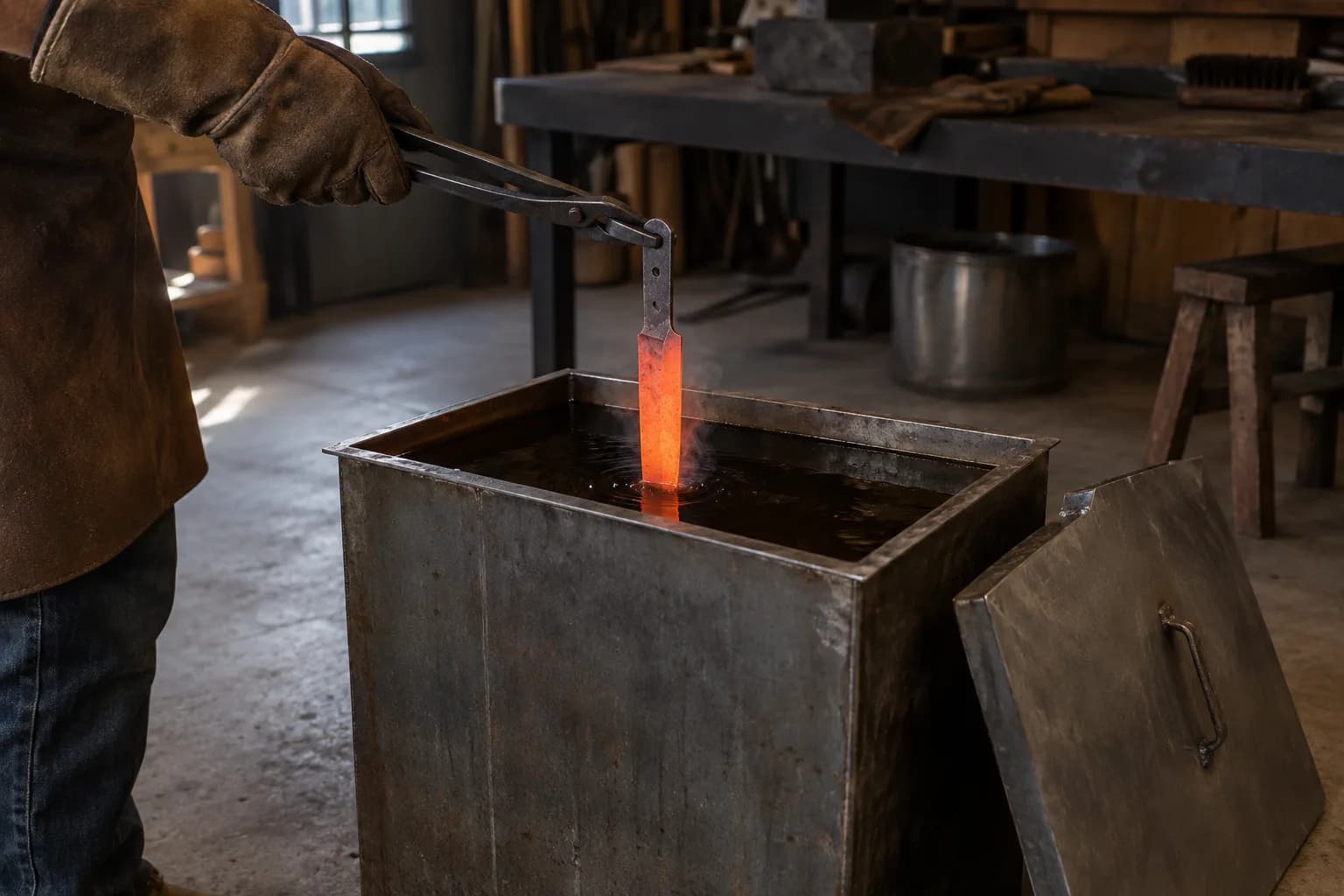
| Heat treat | Optionally normalize at 1607-1652 F to refine grain and relieve stress after forging or heavy machining. Austenitize at 1500-1525 F, holding 5-15 minutes, then quench in preheated oil (around 104-140 F) for reliable, full hardness thanks to 1084's higher manganese content. Temper starting around 350 F, going up to about 450 F depending on desired hardness; for general hunting and utility blades, 375-425 F for 2 hours across 2-3 cycles is a common recommendation, letting the blade cool to room temperature between cycles. | Austenitize between 1475-1550 F. Because 1095 has relatively low manganese and therefore low hardenability, it needs a genuinely fast quench to reach full hardness; water or brine are traditional choices, though many modern makers use a very fast oil (such as Parks 50) to reduce the cracking risk while still hitting the needed cooling rate. This low hardenability is exactly why 1095 has a reputation for being trickier to heat treat consistently than 1084, which has more manganese and hardens more reliably in oil. Temper at 400-700 F depending on desired final hardness, typically yielding around 58-62 HRC for knife use. | This is the real difference. 1084's higher manganese lets it reach full hardness in an ordinary, reasonably fast oil quench. 1095 is far less forgiving of quench speed and typically needs a faster oil or brine to harden fully, which raises the risk of warping or cracking, especially for beginners. |
|---|
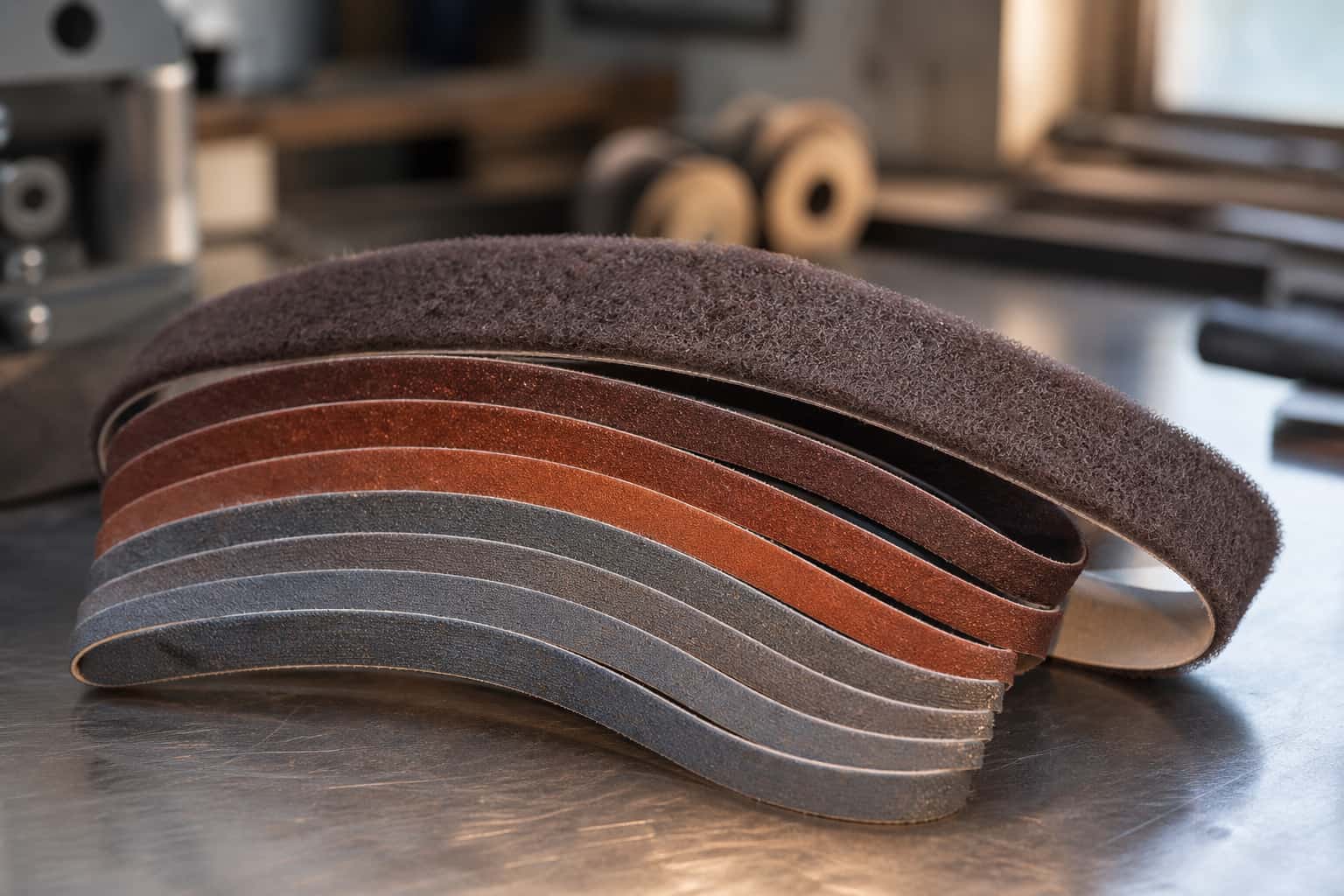
| Grinding | 5/5Extremely easy to grind and forge, one of the most forgiving steels available for both stock removal and forging work. | 5/5Very easy to grind, like other simple carbon steels with no hard alloy carbides to fight through. | Tied. Both are among the easiest steels available to grind and forge, a big part of why they remain the top recommendation for first-time bladesmiths. |
|---|