| Toughness | 5/5Among the toughest of the simple high-carbon steels, which is why it is the go-to choice for swords, machetes, and other blades that need to survive hard impacts without chipping or snapping. | 2/5Middle-of-the-road toughness for a simple carbon steel, and generally less tough than higher-manganese steels like 1084 at a comparable hardness. Its high carbon content trades some toughness for hardness potential and edge sharpness. | 1075 wins clearly. Lower carbon content means a more ductile, shock-resistant structure, which is part of why 1075 is a popular choice for larger blades, choppers, and swords where flex and impact resistance matter. |
|---|
| Edge retention | 2/5Lower carbon content than 1084 or 1095 means fewer carbides and correspondingly modest wear resistance; expect to touch up the edge more often on demanding use. | 2/5Good for a simple carbon steel thanks to its high carbon content and the hardness it can reach (58-62+ HRC), taking a very keen edge, though it lacks the wear-resistant carbides of alloy tool steels. | Close to tied in practice. 1095's higher carbon content theoretically allows for a harder final edge, but the real-world difference in how long either steel holds a working edge is small enough that most users won't notice it. |
|---|
| Corrosion resistance | 1/5No chromium and no meaningful corrosion resistance. Needs regular oiling and drying like any plain carbon steel. | 1/5No chromium and no corrosion resistance to speak of. Requires regular oiling and drying like any plain carbon steel. | Tied, neither steel has meaningful corrosion resistance and both need regular oiling and dry storage. |
|---|
| Heat treat | Austenitize at 1450-1480 F, holding 5-15 minutes. Because 1075 carries less manganese than 1084, it hardens best in a fast oil (such as Parks 50) rather than a slower conventional quench oil, reaching roughly 64-65 RC as-quenched. Temper in two 2-hour cycles: around 400-450 F for tough, hard-use blades like swords and machetes (57-61 RC), or as low as 300-350 F for applications favoring edge holding over shock resistance (63-65 RC), letting the blade cool to room temperature between cycles. | Austenitize between 1475-1550 F. Because 1095 has relatively low manganese and therefore low hardenability, it needs a genuinely fast quench to reach full hardness; water or brine are traditional choices, though many modern makers use a very fast oil (such as Parks 50) to reduce the cracking risk while still hitting the needed cooling rate. This low hardenability is exactly why 1095 has a reputation for being trickier to heat treat consistently than 1084, which has more manganese and hardens more reliably in oil. Temper at 400-700 F depending on desired final hardness, typically yielding around 58-62 HRC for knife use. | Both are simple and forgiving, but 1075's lower carbon content gives it a bit more tolerance for an imperfect quench, one reason it's often recommended even ahead of 1095 for a first heat-treat attempt. |
|---|
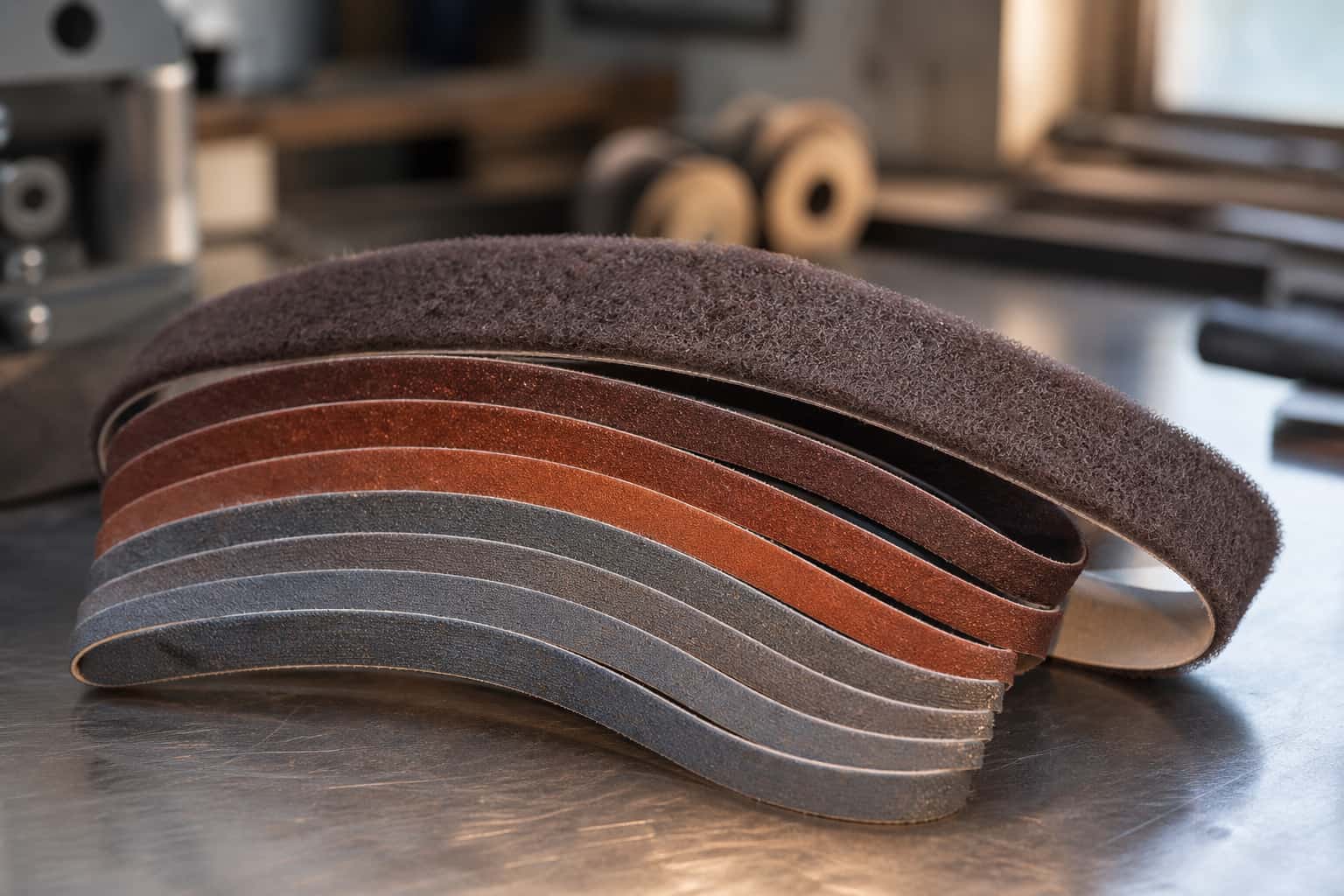
| Grinding | 5/5Very easy to grind and forge, with a wide, forgiving heat-treat window that makes it a common recommendation for first-time bladesmiths. | 5/5Very easy to grind, like other simple carbon steels with no hard alloy carbides to fight through. | Nearly identical, both grind and finish easily with standard abrasives. |
|---|